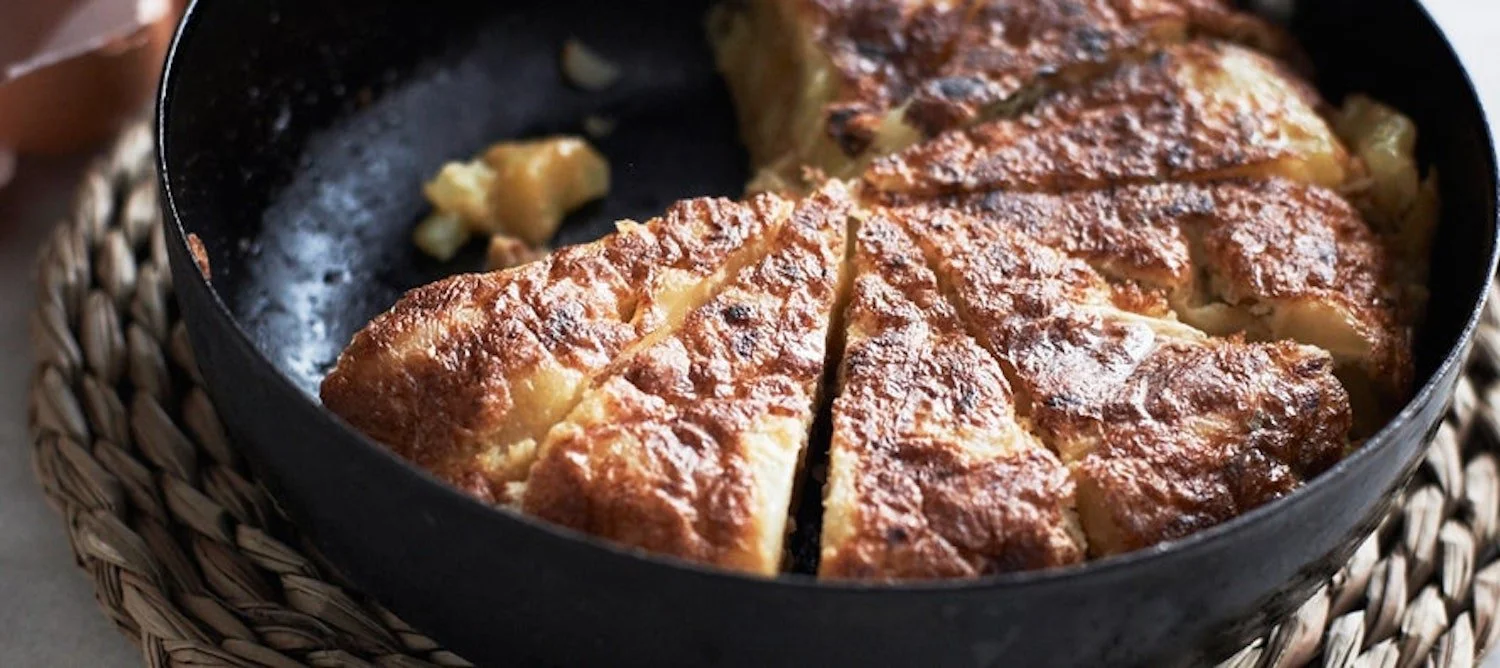
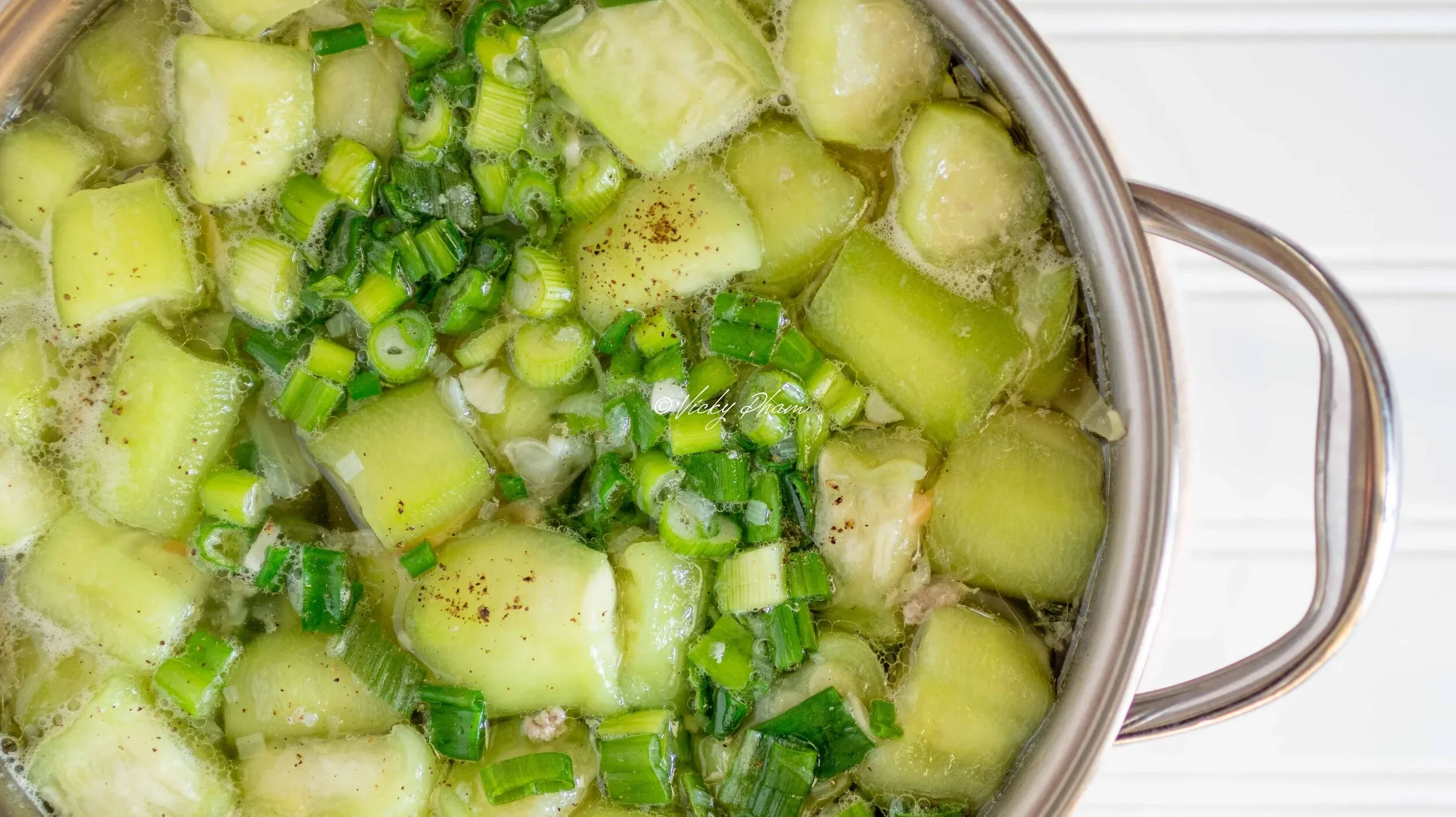
Is it safe? Image from here.
Mystery in the Kitchen
An alarming cry was heard when the stew was served: “death in the pot!”
I know the sound. I’ve been the siren. I’ve spent my life avoiding dishes with squishy veggies.
As the narrative of 2 Kings 4:38-41 goes, a famine forced new food choices. A cook unwittingly added a poisonous ingredient to a stew prepared for a group of prophets-in-training. Fortunately, the danger was recognized before anybody went down. Elisha “healed” the stew by adding flour to the mix. It became an edible meal.
The account is brief but baffling. Was the cook unfamiliar with the plants in his area? Was he just that desperate? Who detected the poison and how? Can flour really serve as an emulsifier to “heal” such a brew? And most importantly, should the seminary cafeteria be avoided at all costs?
Elisha: The Antidote to Death
Interpreters often view this as just another eclectic miracle on Elisha’s résumé. As the ultimate "Man of God," Elisha acts on behalf of YHWH to administer the antidote of life in atmospheres of death. But for those of us fascinated by the botany of the Bible, the question remains: What exactly was in that pot?
Interpreters often read this passage as just another item in Elisha’s impressive (and eclectic) résumé. The prophet is the ultimate “man of God” (he practically owns the phrase), a miracle-worker a problem-solver. I would add a bit more. Elisha acts on behalf of YHWH to administer the antidote of life in atmospheres of death (such as a famine).
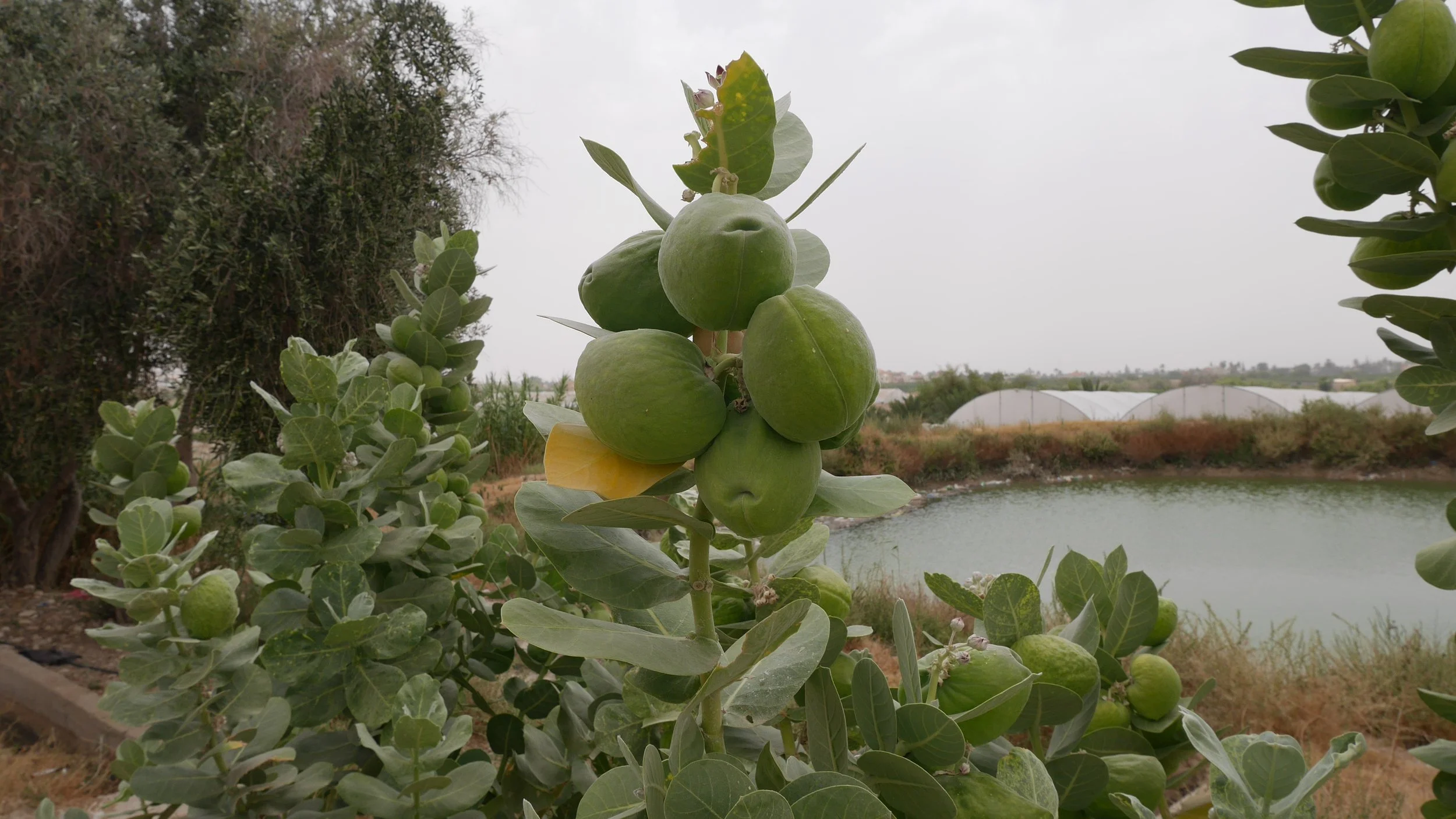
Sodom apples (Calotropis procera), growing in a ditch beside the road in Jericho.
Candidates for the "Death-Dealing" Gourd
The Hebrew term paqquot describes a ball- or knob-shaped item. While we can't be certain, three plants found in the biblical heartland are the usual suspects:
1. The Prophetic Cucumber (Cucumis prophetarum)
Some specialists have suggested the secret ingredient might be wild cucumber. Cucumis prophetarum is a plant found in arid areas of the biblical Heartland. It packs a bitter punch to the palate, can make your inner organs swell and pop, causes dehydration, and will slam your blood pressure. (Fun fact: the Latin Cucumis prophetarum means “prophetic cucumber” . . . and now you know the rest of the story!) No thanks. Not on my table.
2. The Bitter Apple (Citrullus colocynthis)
Similarly, Citrullus colocynthis, colocynth, or “bitter apple,” has been suggested as our mystery ingredient. It looks like a creepy vine with little stripy watermelons, grows naturally in the area, and finds use in traditional medicine kits. However, as is often the case, there is a fine line between a medicine and a toxin. When consumed, the colocynth is a laxative with the finesse of a hand grenade. It loosens a locked door but can also blow it off the hinges. Permanently. Nope. Keep all explosive melons out of the kitchen, please!
3. The Apple of Sodom (Calotropis procera)
A third possibility for our stew-of-death is Calotropis procera or the “apple of Sodom.” The name itself should provoke terror. All parts of this plant are dangerous. Its milky sap can cause lesions on the skin, blindness if rubbed in the eyes, and if ingested, can initiate cardiac failure. Needless to say, this baaaaad plant will make a meal to die for! It would certainly prompt an alarming cry of “death in the pot”!
Lessons from the Biblical kitchen
Whether it was a lack of botanical knowledge or sheer desperation due to famine, the cook in 2 Kings learned a hard lesson: it takes faith to be a vegetarian—and a more careful cook!
Care to lean more? I wrote about Sodom apples several years ago. Check out our post here.
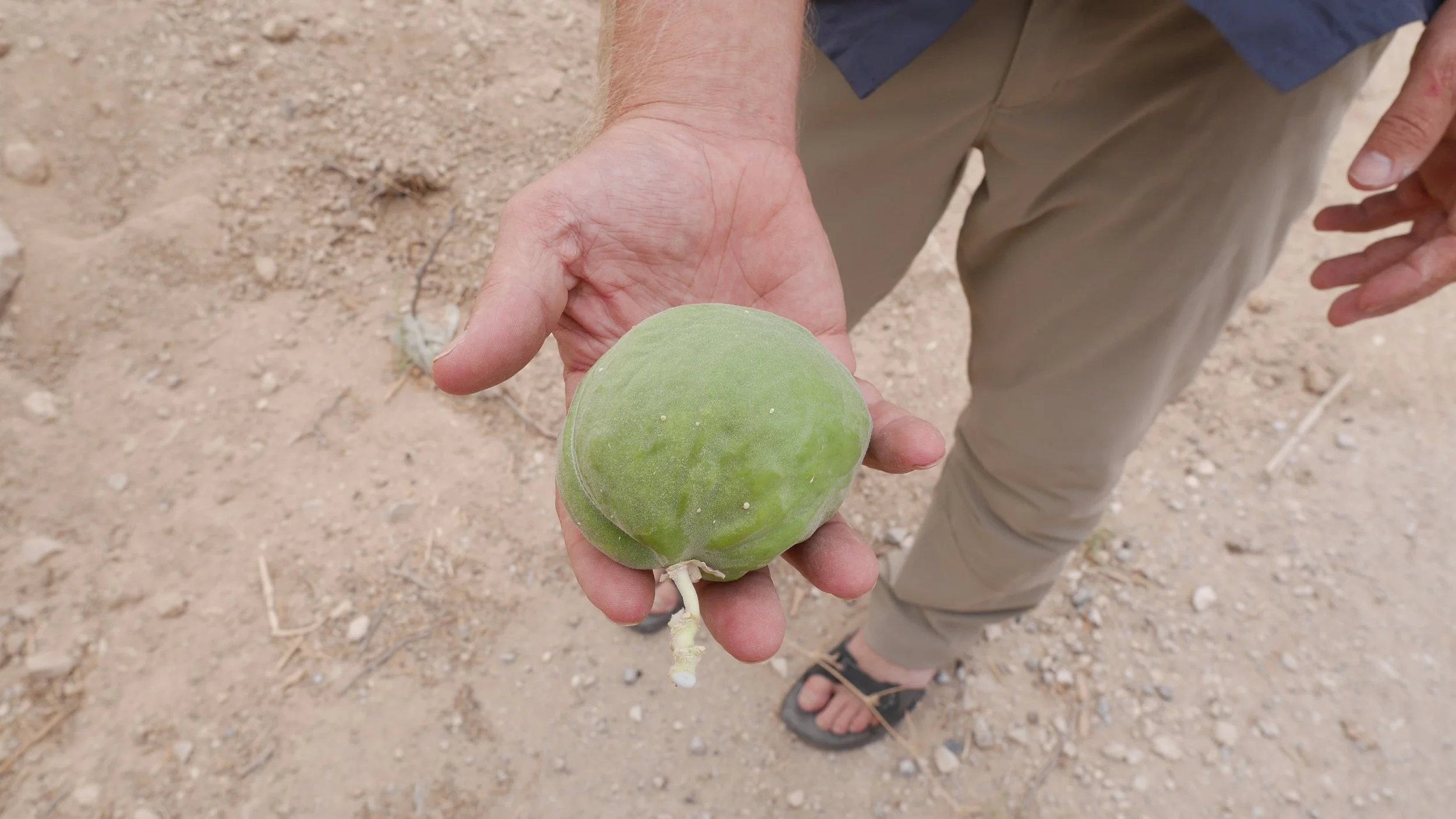
The Apple of Sodom in my hand.