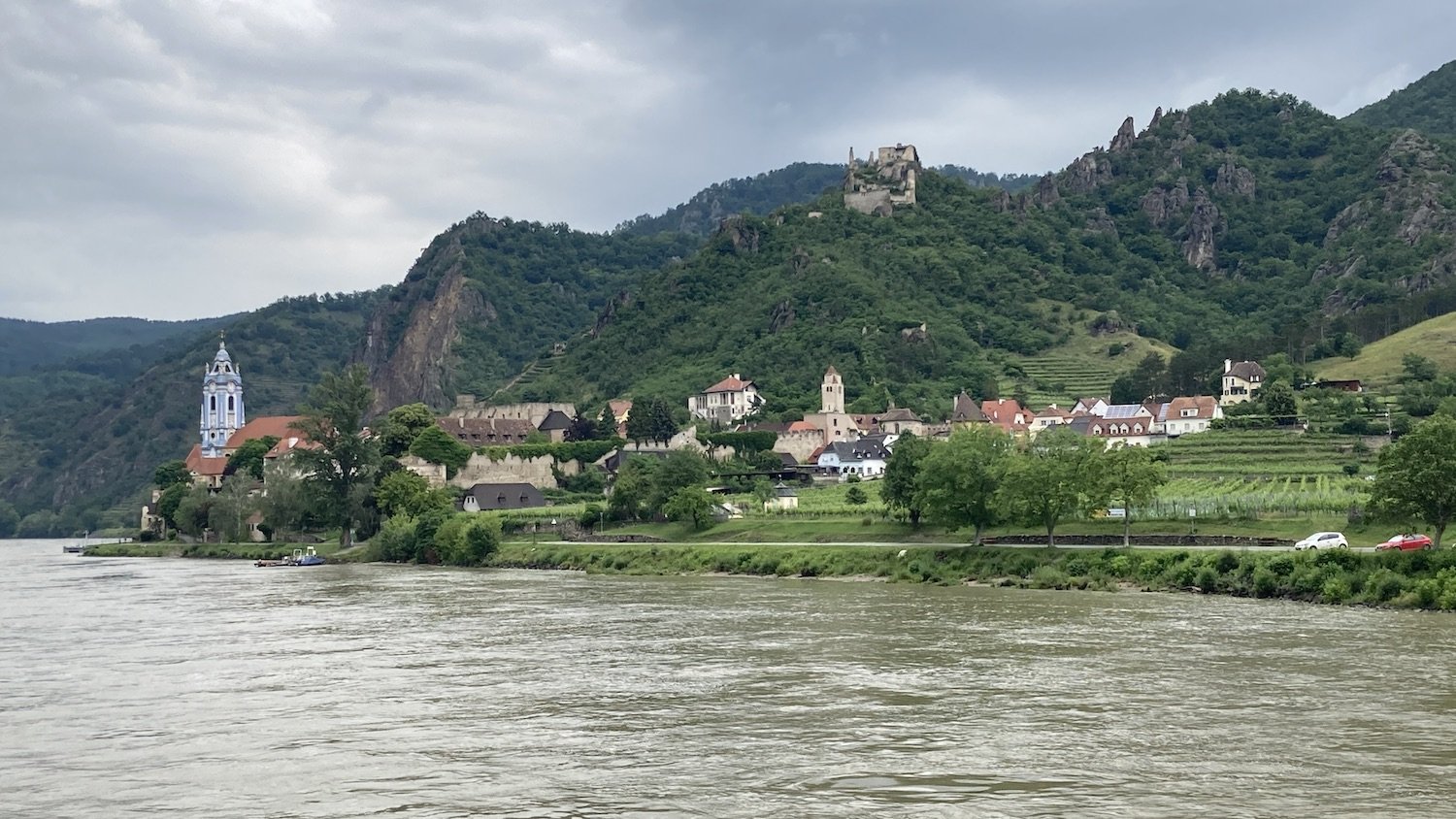
View to the village of Dürnstein in the Wachau Valley. The castle above the city was the place where King Richard I of England (“Lionheart”) was imprisoned in the 12th century.
Just west of Vienna lies a twelve-mile stretch of pure magic: the Wachau Valley. Stretching from Melk to Krems, this UNESCO World Heritage site is a tapestry of medieval castles, storied churches, and lush fertility. Here, vineyards march up hillsides to meet dense forests, while the valley floor is carpeted with apricot and cherry groves. At its heart, the Danube River flows like a ribbon down the spine of an ancient book.
The history here runs deep. While the Romans first brought grapes to this northern frontier, the viticulture they established still thrives today, making it a dream destination for epicureans and history buffs alike.
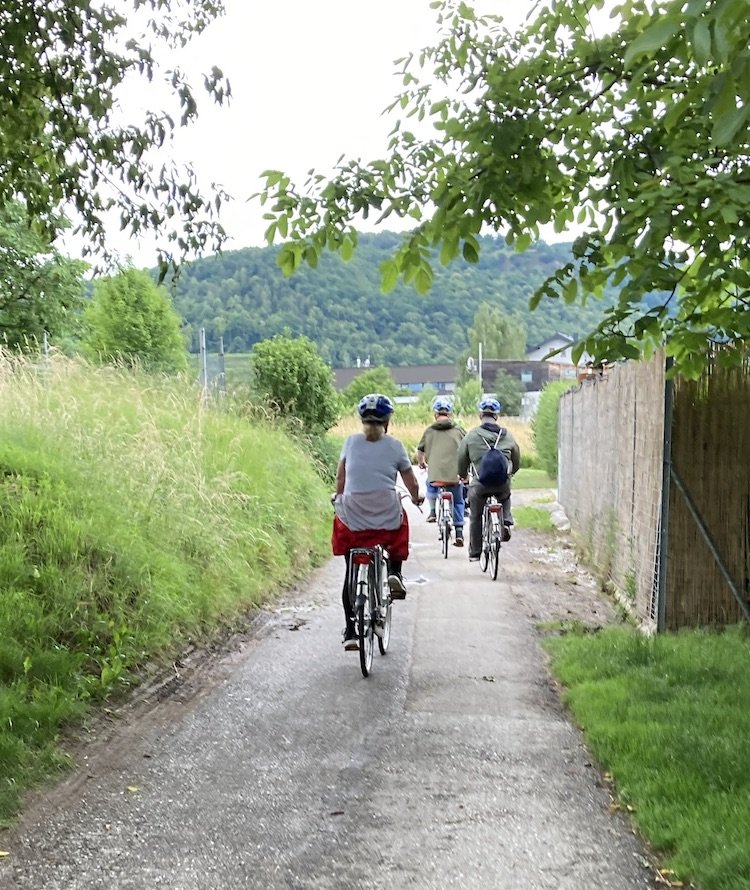
We docked at Weißenkirchen, a village that feels plucked from a postcard. There, Vicki and I met our guide, Lise. With her vibrant burgundy hair and a spirit even brighter, Lise looked every bit the seasoned cyclist. Though the distance and gray weather had scared off other passengers, our small group was ready. The plan: ride downstream to Krems, cross the river, and loop back upstream to a ferry—a twenty-mile journey over three hours. I was pumped; Vicki was skeptical.
“I haven’t ridden a bike this far in 45 years,” she admitted.
“You’ll be fine,” I promised. “I’ll stay right with you.”
With the ship’s health coach trailing us as a sweep, we adjusted our seats and took a quick warm-up lap through the village cobblestones before disappearing into the vineyards.
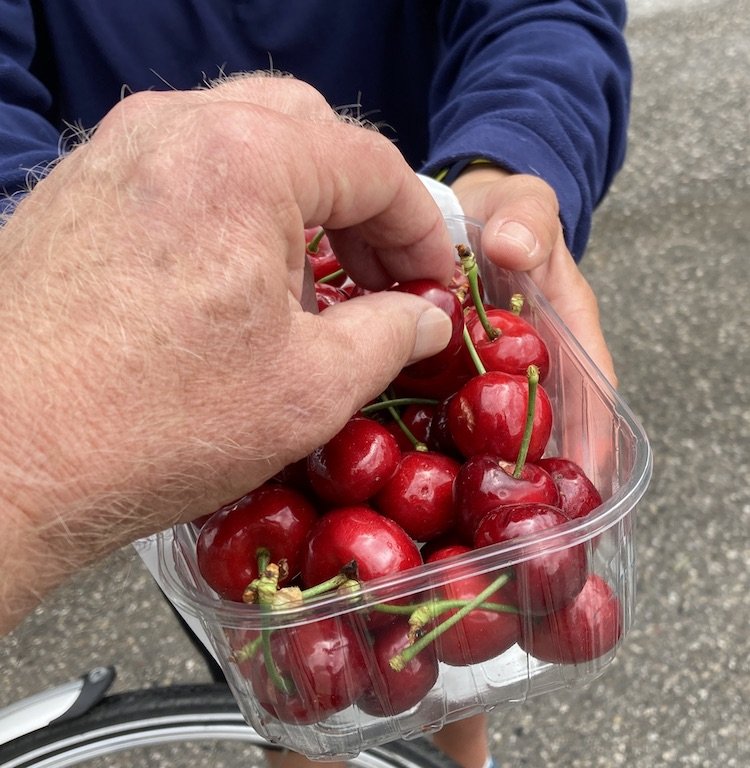
It was glorious. We navigated a maze of narrow lanes and dirt trails. Periodically, Lise would stop to explain the nuances of local grapes or the many uses of the Wachau apricot. She even treated us to a box of fresh cherries from a roadside stand.
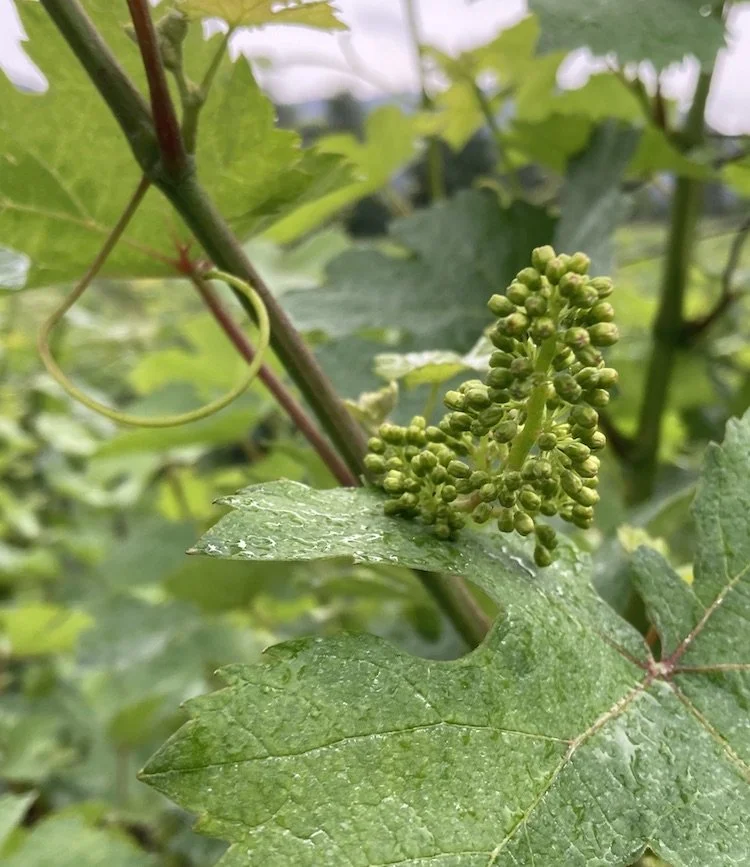
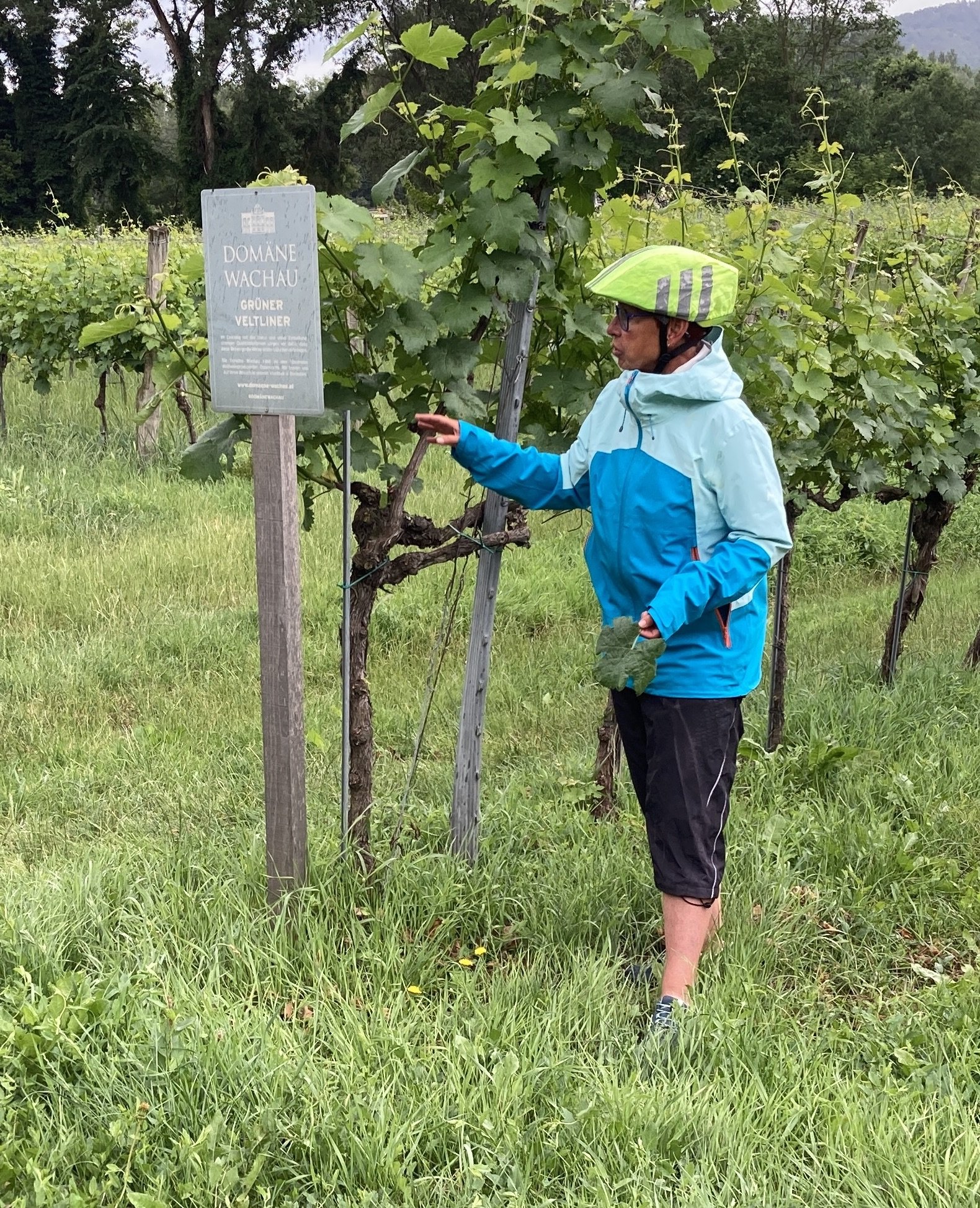
The highlight for me was Mautern an der Donau. Recent excavations there have revealed the best-preserved Roman fort in Austria. Much like Passau, this was a critical link in the Limes—the line of defense built to monitor the Empire’s northern flank. Lise explained that these weren't just fortresses; they were hubs for trade and communication. “The tribes weren’t always fighting the Romans,” she noted. “In fact, it was the Romans who taught them how to grow these grapes.”
I wish we could have poked around longer, but we had to ride on.
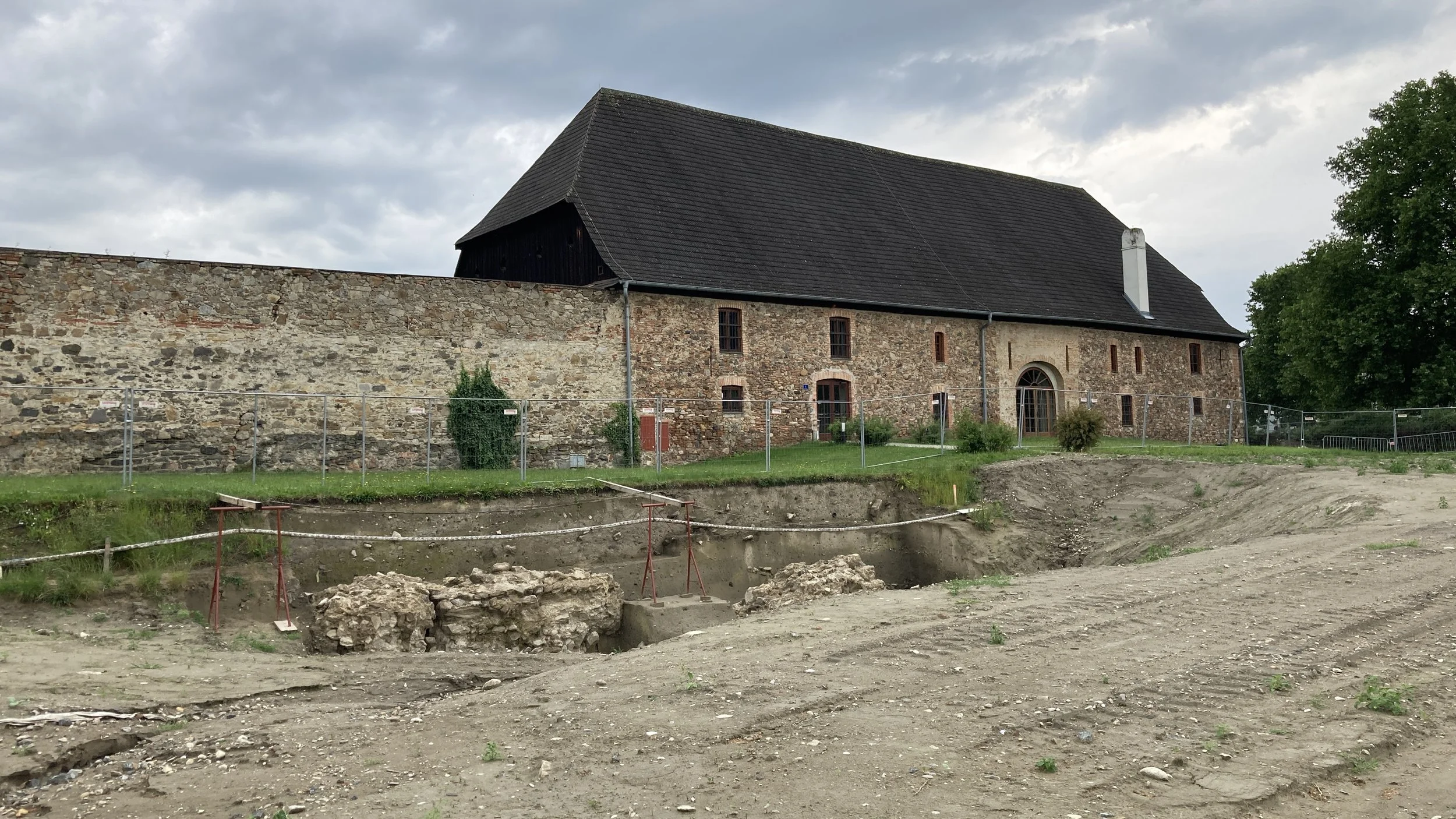
New excavations of the Roman fort at Mautern an der Donau.
The return leg tested our mettle with rolling hills and a stubborn headwind, but the effort only made the finish sweeter. We reached the ferry, crossed the pulsing Danube, and shared a round of high-fives as we rolled back into Weißenkirchen.
Twenty miles later, we hadn’t just seen the Wachau Valley—we had felt its history under our tires.
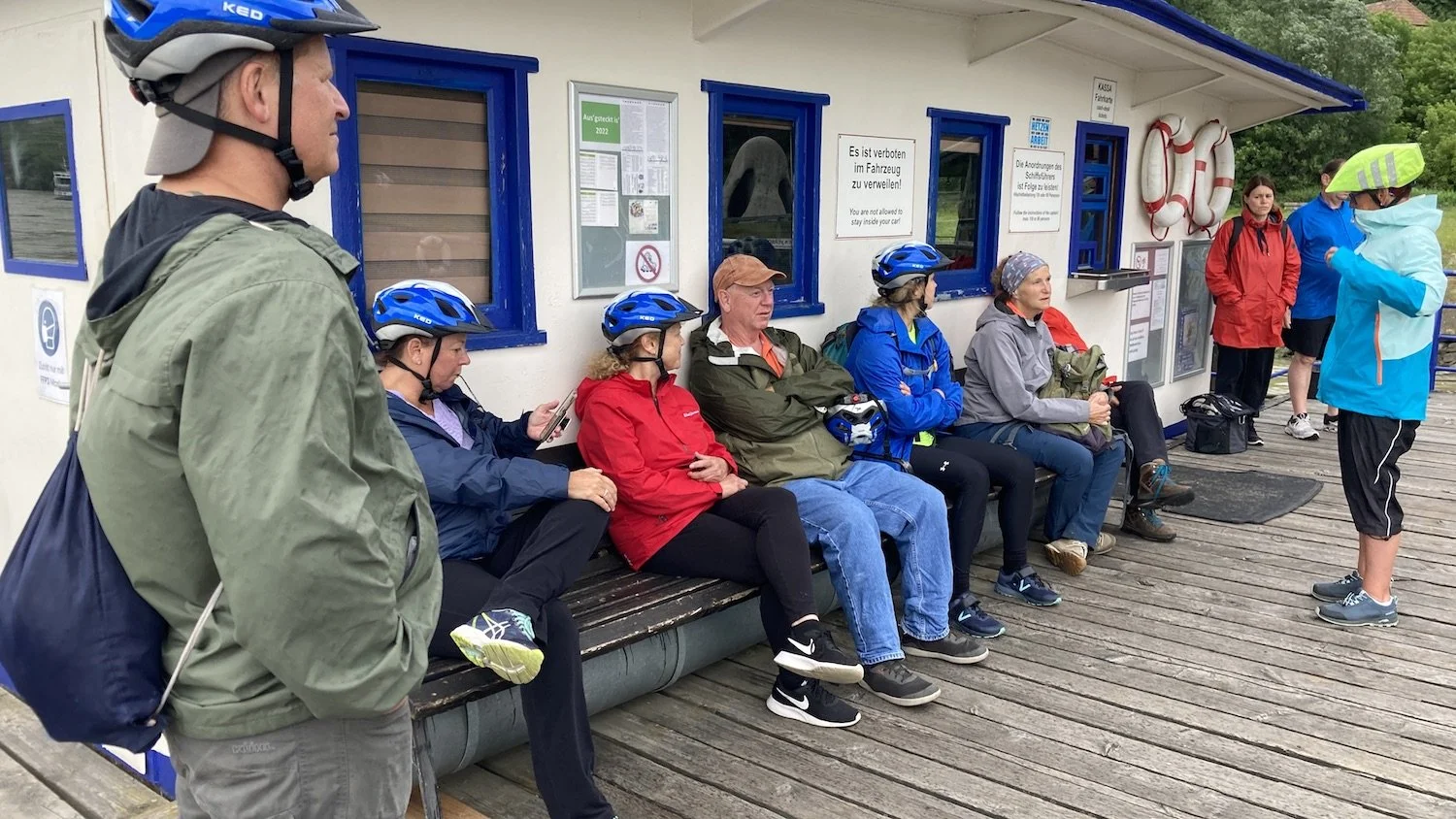
Lise chatting up with the locals on the ferryboat.
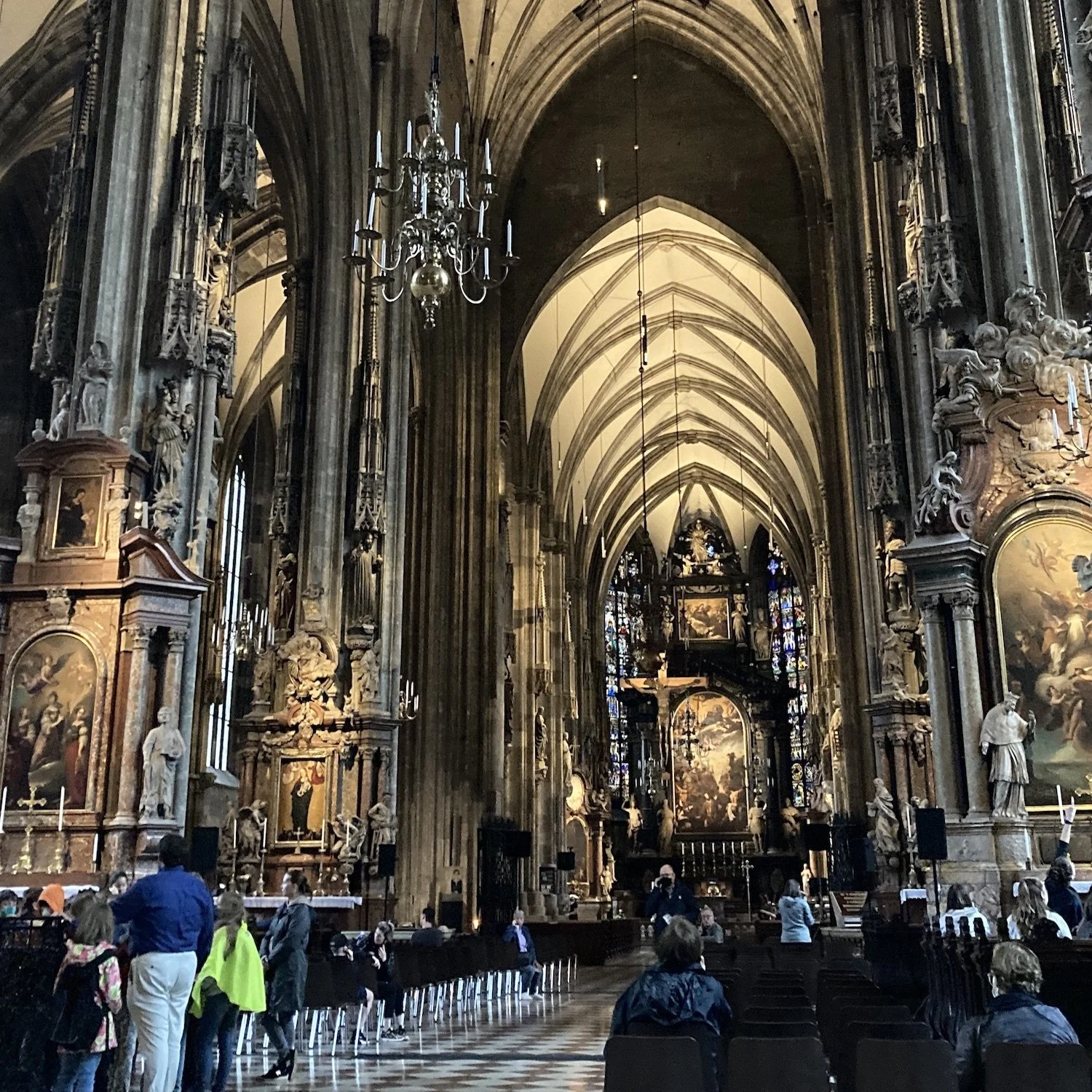
We are having a relaxing time river cruising on the Danube. We are traveling from Vilshofen, Germany to Budapest, Hungary. Bus rides to Salzburg, walking adventures in Passau, bicycling in Vienna and other excursions fill in our days on the water. If this sounds like the kind of trip that you would be interested in, contact me at BibleLandExplorer@gmail.com.