The mound emerges through the haze.
“There it is!” I shout to my companions. They respond with the kind of noises that men make when they have seen one site too many. They know where this is going.
People, like novels, have themes.
Our Stories
We approach the church that Gagik built. Except Gagik didn’t really build it. He commissioned an architect-monk named Manuel to do the hard work. Of the 10th century complex erected on the island of Aghtamar, the only structure that survives is the Church of the Holy Cross. We are fortunate. Manuel’s labor is a triumph of medieval Armenian architecture.
The beautiful princess lifted the light and he swam for it. The island where Tamar stood was distant, but with the light as his guide, the peasant boy had direction. On this night, however, the forbidden relationship was discovered. The beacon was smashed to the ground. Disoriented by the sudden loss of signal, the lad swam on and on in the dark. At last he became exhausted. He began to slip beneath the waves. He cried out her name, “Agh Tamar!” These words, his last, were carried away by the wind.
PR shot. Thanks Arely Fuentes.
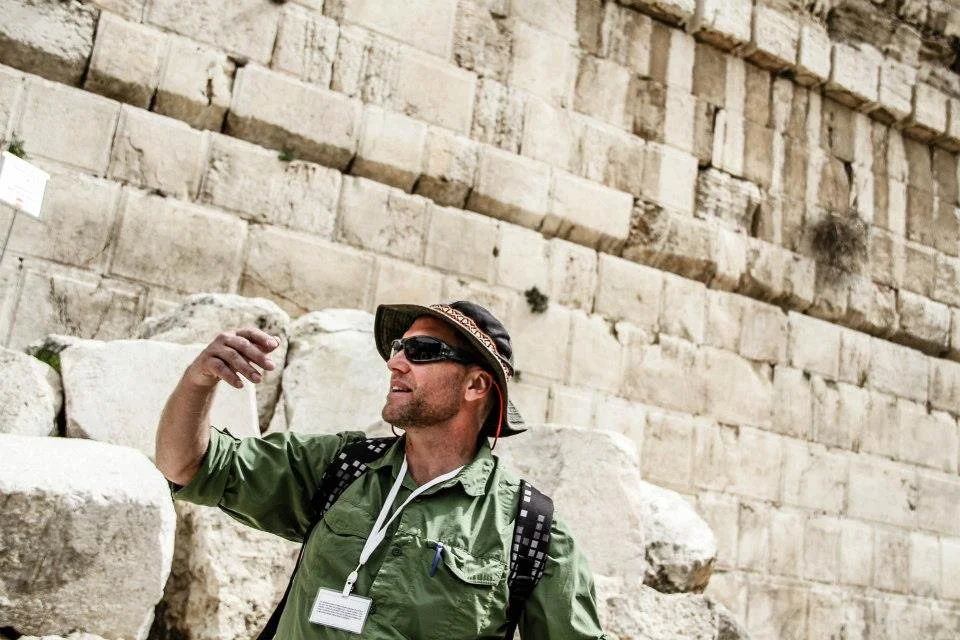
Abdallah Baghdadi rests on a white plastic stool. He leans back against a display case inside his store that faces Azzahra Street. The case behind him is nearly empty. On top of it rest a few baby Jesuses, Christmas bells, a crèche, assorted pendants, and stick pens. I lean forward on my stool and ask him what he thinks.
The ridge abruptly rises near the lake’s edge. It is more than a half mile long and hundreds of feet high. The flat ground extending from its base (undoubtedly a flood plain from more remote times) renders the promontory all the more stunning. Walls and towers cling to the rock like barnacles. I wonder why these man-made constructions were thought necessary. The plunge to the flat is so vertical, so awful, that the ridge ably protects itself.
The air is thick where the Bendimahi meets the Gulf of Ercis. Deprived of energy (and all hope of escape), the mountain stream creeps reluctantly across the floodplain before slipping under the waves of Lake Van. Slender reeds bend to watch the demise. It is not a unique spectacle. Gravity forces every stream in the region to the same end. The basin simply has no exit. Van is an endorheic sea, a marine cul-de-sac. I lean forward, ponder this fact, and look in vain for the terminus. Between the mud, reeds, and island clumps I cannot tell where river ends and sea begins.
The steel pole impales the ice. But it too suffers, leaning hard to one side. That the wind is responsible for this awkward state of affairs is obvious enough, though the flags do not show it. Their fabric is all knotted and stiff; frayed ends alone are permitted to dance in this spacious arena. The colors of these standards-of-triumphs-past are are warm, even when frozen. They are a welcome contrast to the palette of blues visible in every direction, including down.