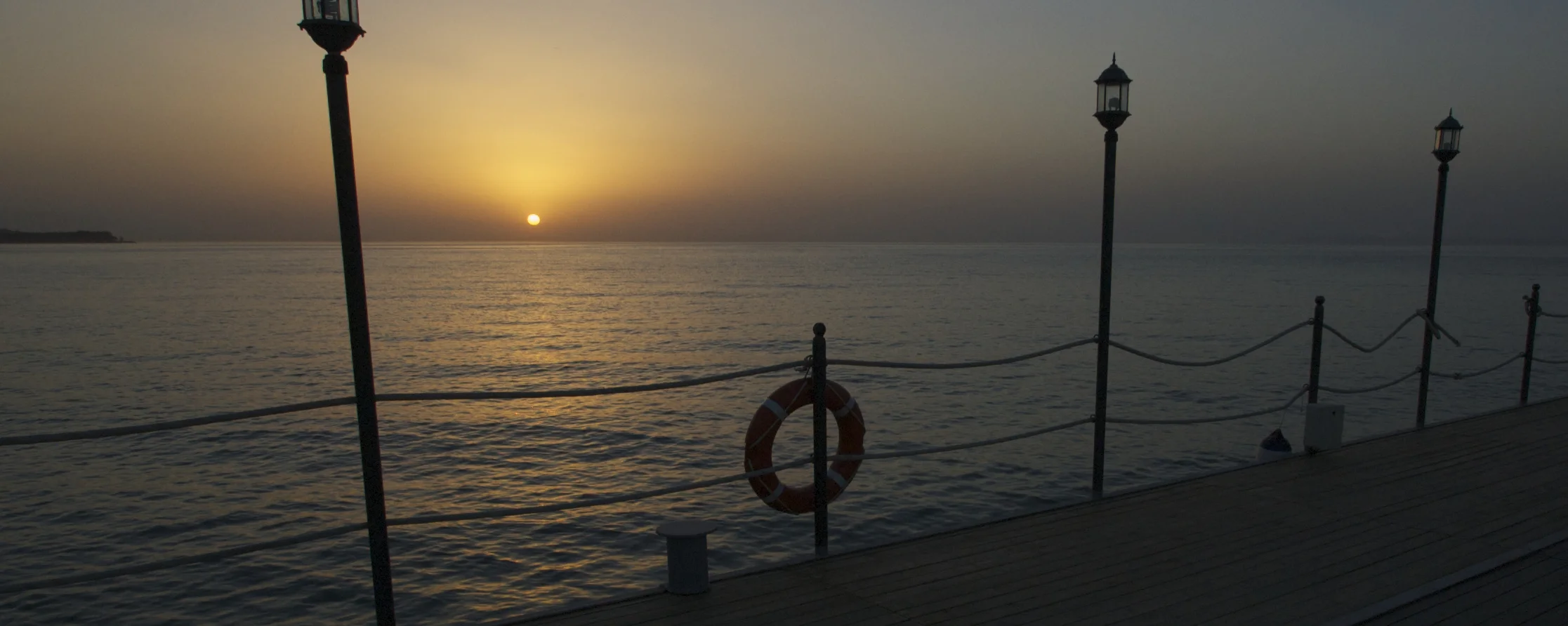
But only for a moment.
We were driving up the road to Sepphoris when George, my favorite driver, began stammering: “Dr. Mark! Dr. Mark!” (George insists on such formalities, even in the midst of crisis.)
Blogs, Vlogs, Images, and Ideas
Our Stories
When it comes to apex predators, it is hard to imagine anything more terrifying than the Nile crocodile (Crocodylus niloticus).
This reptile grows to lengths of fifteen feet or more and can easily weigh a thousand pounds. In Africa’s muddy water it is without peer; even on land it can be deceptively quick. The Nile crocodile can do more than run: it can gallop! The size and mobility of this amazing creature, combined with an armor-plated hide, a bone-breaking tail, a fearsome maw of ivories, and an real bad attitude, make it a perfect killing machine.
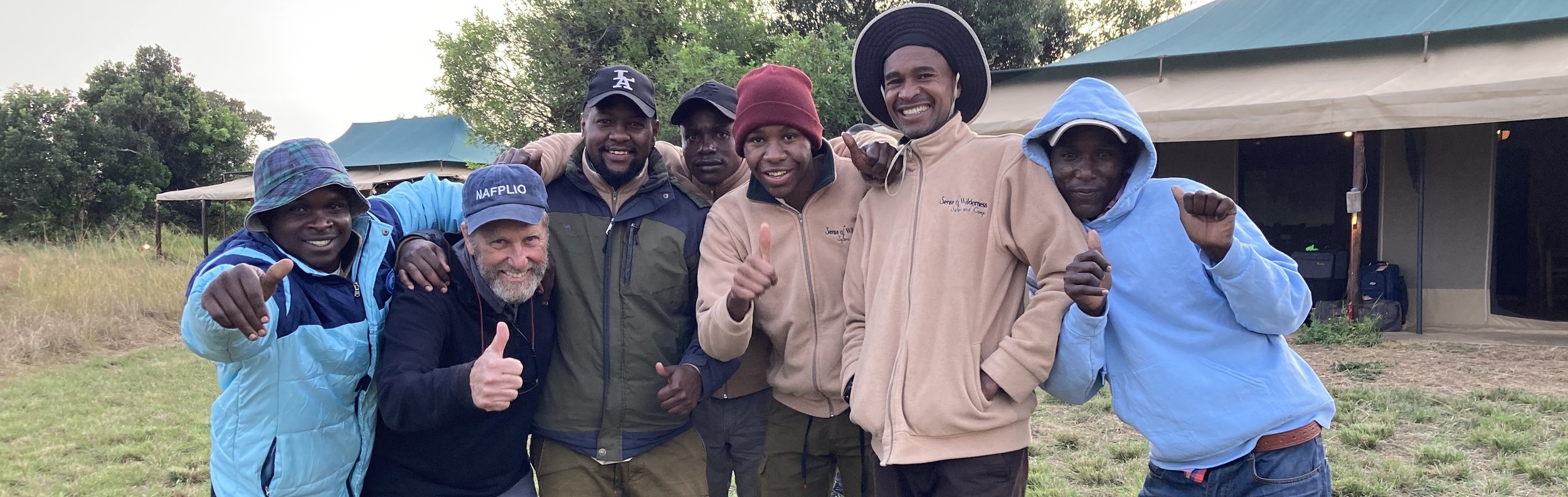
Edem, KK, James, and myself get the the skinny from the Park Guide. The “swing,” as he calls it, is a third of a mile long, half a football field above the ground, and is “suspended from seven solid trees.” The “solid” part is of interest. I would hate to dangle a half a football field from something less than “solid.”
Moses of the wilderness talks as we follow tracks in Mole National Park. He is a a wealth of knowledge.
He describes the African bush elephant’s keen sense of smell.
“If someone tries to hurt him, he will take the smell. If that person comes back again, even after many years, twenty years maybe, the elephant will remember and attack him.”
I try to remember what I ate for breakfast. (Pause.) It is already a lost cause.
We stand on a bluff overlooking the largest wildlife refuge in the country of Ghana. Mole (MOH-Lay) National Park unrolls under our feet, soft and green in the rainy season. Life abounds in this savanna wilderness: baboons, warthogs, birds, crocodiles, antelope, and snakes await the curious traveler, as do lions. But we have driven a long and difficult road looking for an even more majestic beast: the African bush elephant (Loxodonta africana).
The air is thick where the Bendimahi meets the Gulf of Ercis. Deprived of energy (and all hope of escape), the mountain stream creeps reluctantly across the floodplain before slipping under the waves of Lake Van. Slender reeds bend to watch the demise. It is not a unique spectacle. Gravity forces every stream in the region to the same end. The basin simply has no exit. Van is an endorheic sea, a marine cul-de-sac. I lean forward, ponder this fact, and look in vain for the terminus. Between the mud, reeds, and island clumps I cannot tell where river ends and sea begins.