Cold Turkey

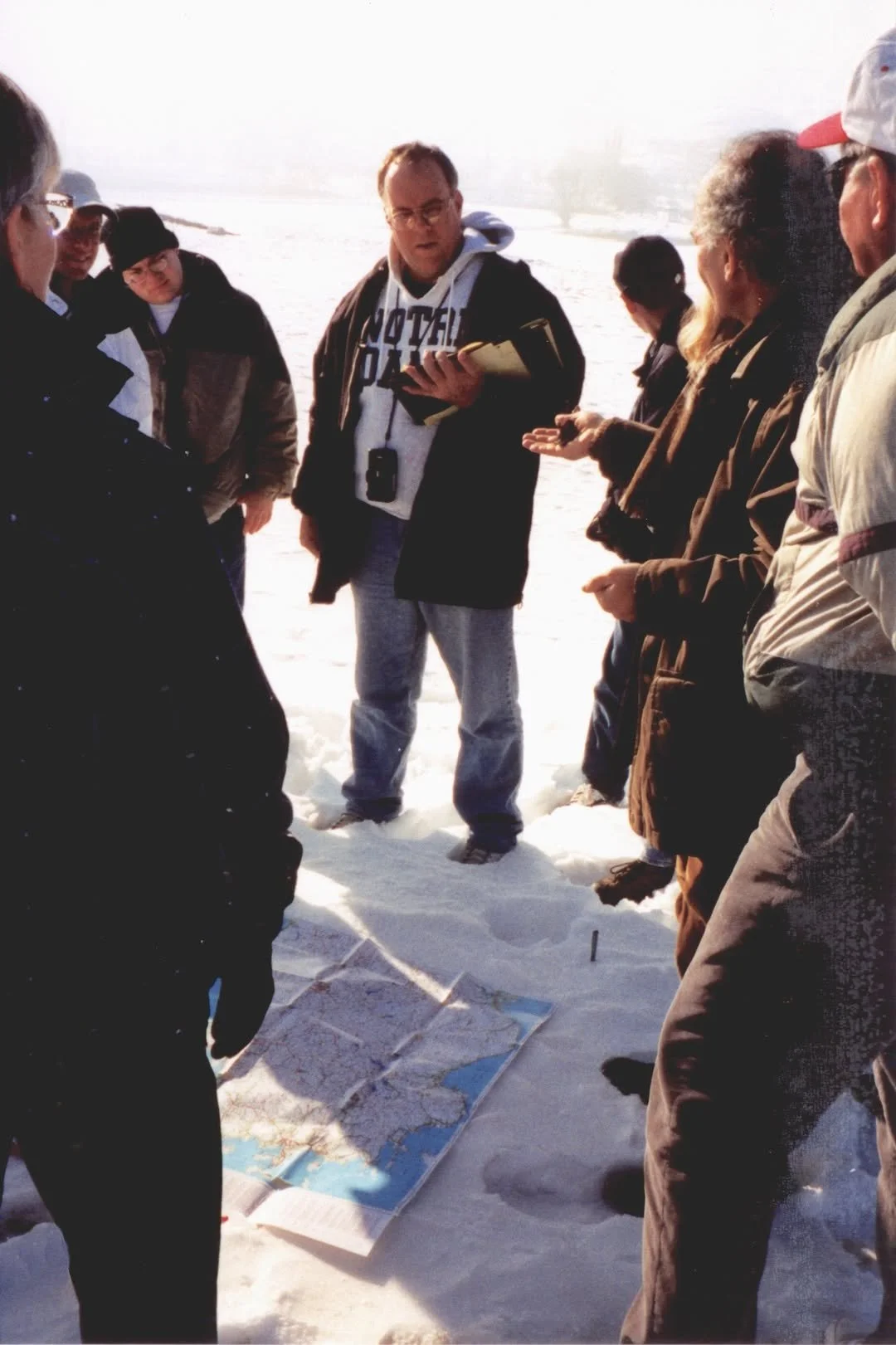
I'll never forget a January tour to Türkiye about 20 years ago when we visited the site of Laodicia in a snowstorm. We operated as usual (note the map in the snow!) and our students were undeterred.

I am reminded of how Cyrus the Great surprised the Lydians by marching through "wintertime cold" to Sardis. Croesus, the Lydian king, had disbanded his army for the season, as was the habit in those days. I guess the Persians didn't get the memo. They did take Sardis tho! The year? 547 BC.

We won't face these challenges when we visit Sardis and Laodica next summer. Will you join us? Check out the details for this travel opportunity at:

https://static1.squarespace.com/static/55b8ecb6e4b083fd0d23d93f/t/683ee4dc3f94585b68120132/1748952294080/Turkiye+Program%2C+Wildman+2026.pdf

Note: For more on the wintertime defeat of the Lydians, see Herodotus's Histories (I.79-81 and I.84) or Xenophon’s Cyropaedia (2.1.6 and 7.1.23-28).
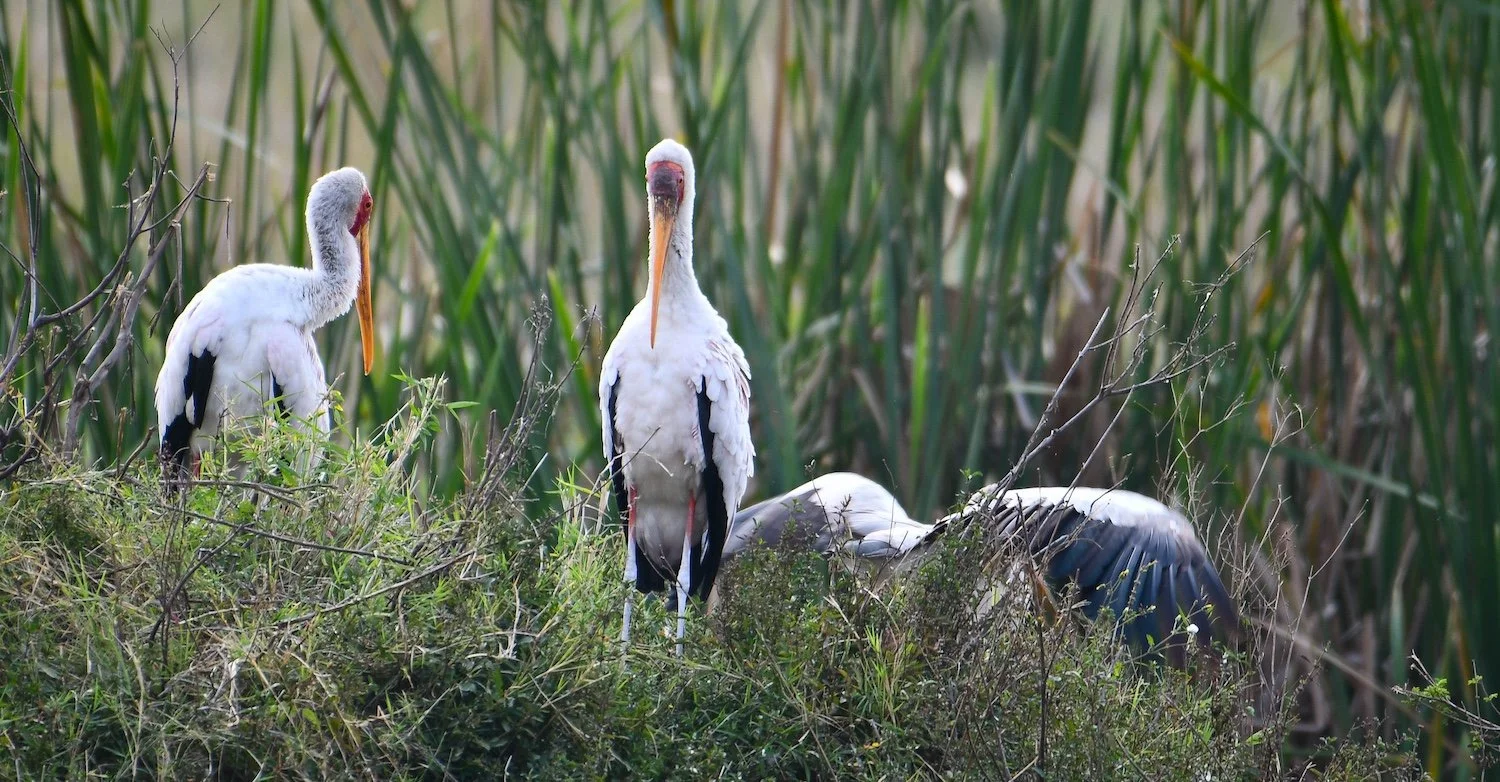

Nomadic, sortof

A "facultative nomad" is a creature that lives a settled life when it can, but moves around when required. The phrase may be applied to birds, bugs, or even people.

The description fits the Yellow-billed stork (Mycteria ibis) of sub-Saharan Africa. This big bird is found around water, particularly in wetlands and mudflats. Because of their wading and feeding tactics, Yellowbills avoid deep water. As long as food is plentiful they hang out. Larger patterns of migration remain unstudied and unclear.

I spotted this gang lingering in some reeds in northwest Tanzania.

Wander over to Africa and safari with us. Our 2026 offerings are full, but we are angling for 2027.

Aristotle and Paul

Colossal columns rise upright at the restored Temple of Athena in Assos. Their distinctive shape is Doric; they were originally erected in the 6th century BC. From this point the cliff drops 800 feet into the Aegean Sea. As you might imagine, the vista is spectacular!

Sailors approaching this site recognized its distinctive outline. The ancient harbor is tucked into rock in the shadows below.

Assos has a deep history that stretches back to the Early Bronze Age. Its most famous resident? The philosopher Aristotle. Its most famous visitor? The Apostle Paul. Check out Acts 20:13.

We're headed back to Assos, Troy, Istanbul and other sites in Western Türkiye in 2026. Will you join us? Follow the link here.

Brain to Body Ratio? Hmmmm.

Brain to body ratio.

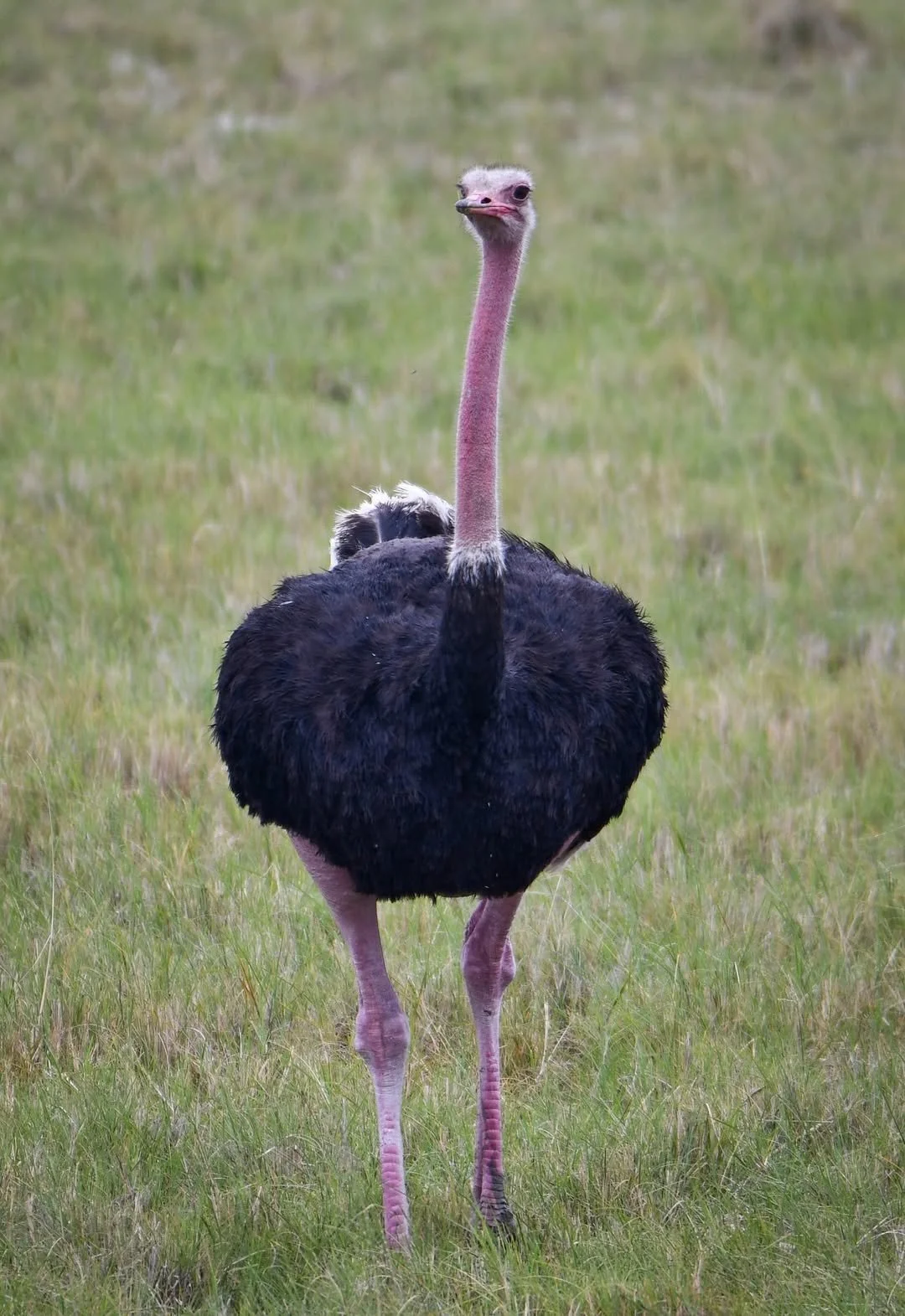
While not at the bottom of this category, the ostrich is close. Its 1.5 ounce brain steers a 250 pound bird.

What animal is at the bottom of this list? No one is sure, but answers swerve between the Bony-eared Assfish and the American politician. (I threw this detail in because I simply wanted to type the word assfish a second time).

As Job 39:17 reminds us "God did not endow her with wisdom or give her a share of good sense" (the ostrich, that is).

Here's a big male from the Tanzanian grasslands.

Safari with us and see a silly ostrich for yourself.

Tear Lines

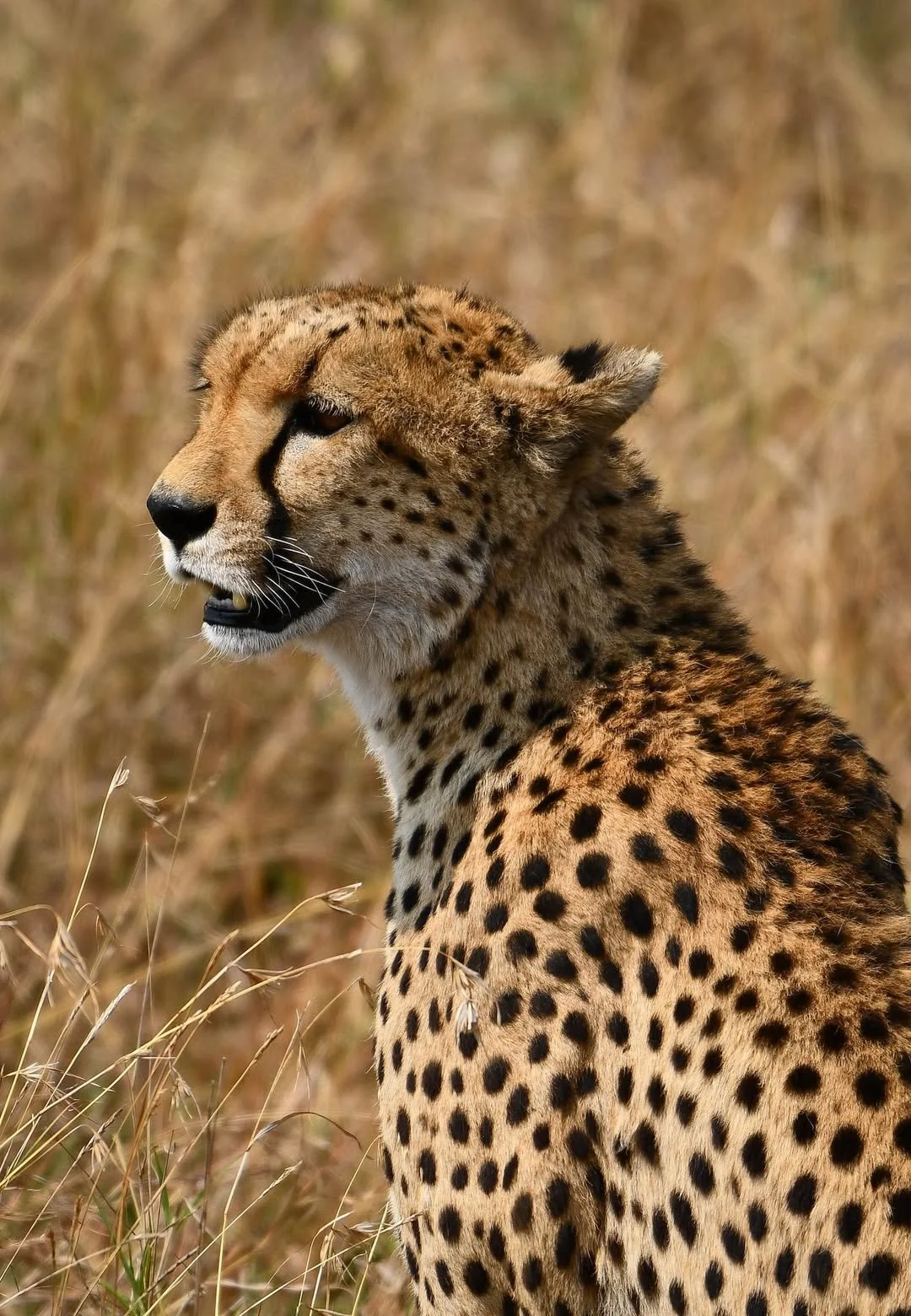
Tear lines give the cheetah a distinctive and adorable face. These marks are dark (in contrast to the tawny fur of this fast feline) and connect the corner of the eye to the mouth. But they are not just for looks.

Specialists refer to these lines as malar stripes. Malar is Latin for "cheek." It is believed that these lines reduce glare (like the lines that football players put under their eyes) and help cheetahs and falcons and other tear-lined creatures spot and pursue prey.

We found this cheetah and (heard her) cubs in the central Serengeti.

If spotting a fast feline in the wild sounds fun to you, join us on an African safari.

Atlas Shrugged

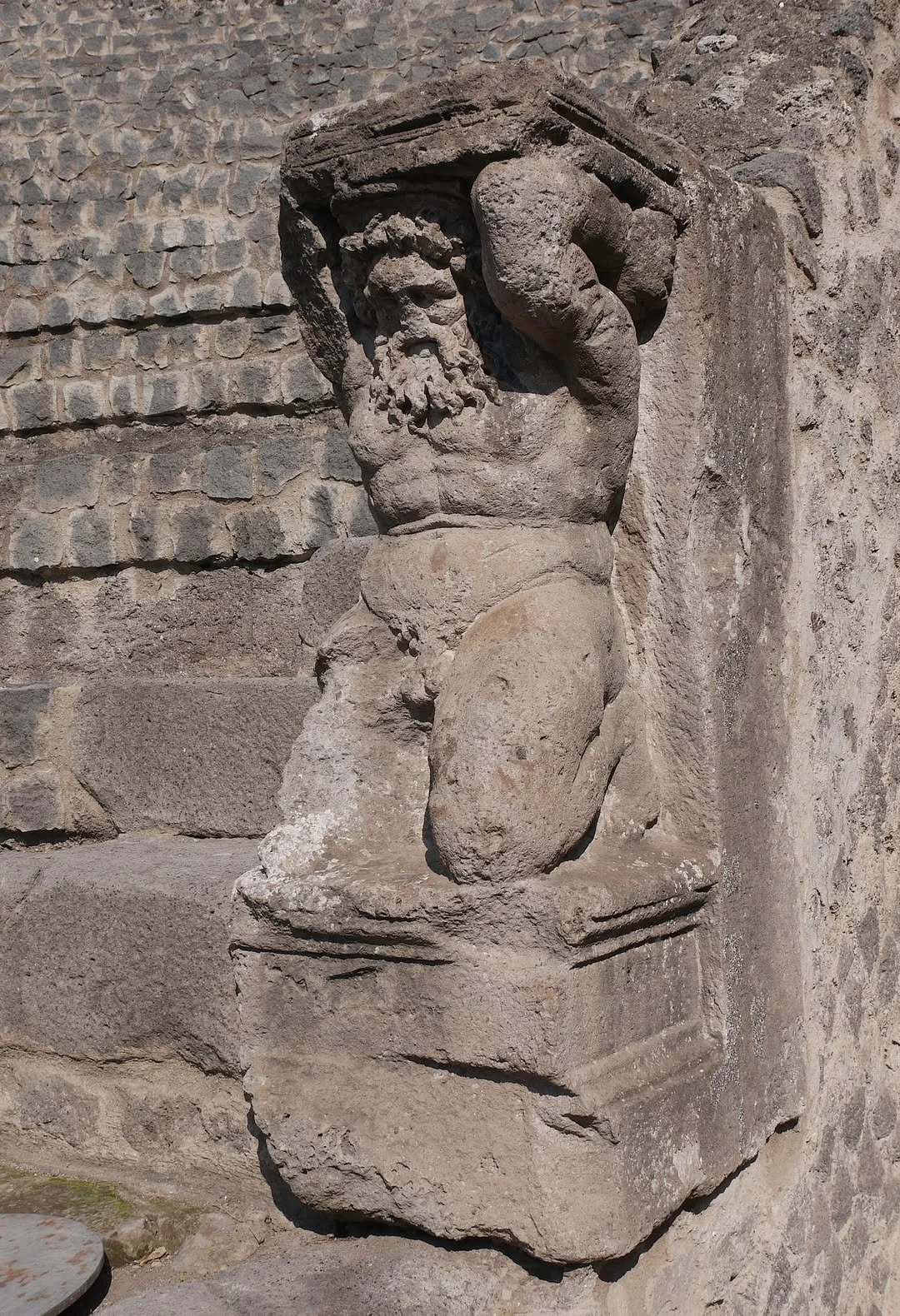
Kneeling Atlas from the odeon ("The Little Theater") in Pompeii, Italy. This entertainment venue was built in the first century BC and destroyed in the first century AD. Pompeii--and its odeon--was enveloped in several meters of ash when Mt Vesuvius erupted in AD 79.

If seeing the well-preserved wonders of Pompeii are of interest to you, you should consider joining us as we return for a taste of Italy next year. See the link here for details.

The Welcoming Tree

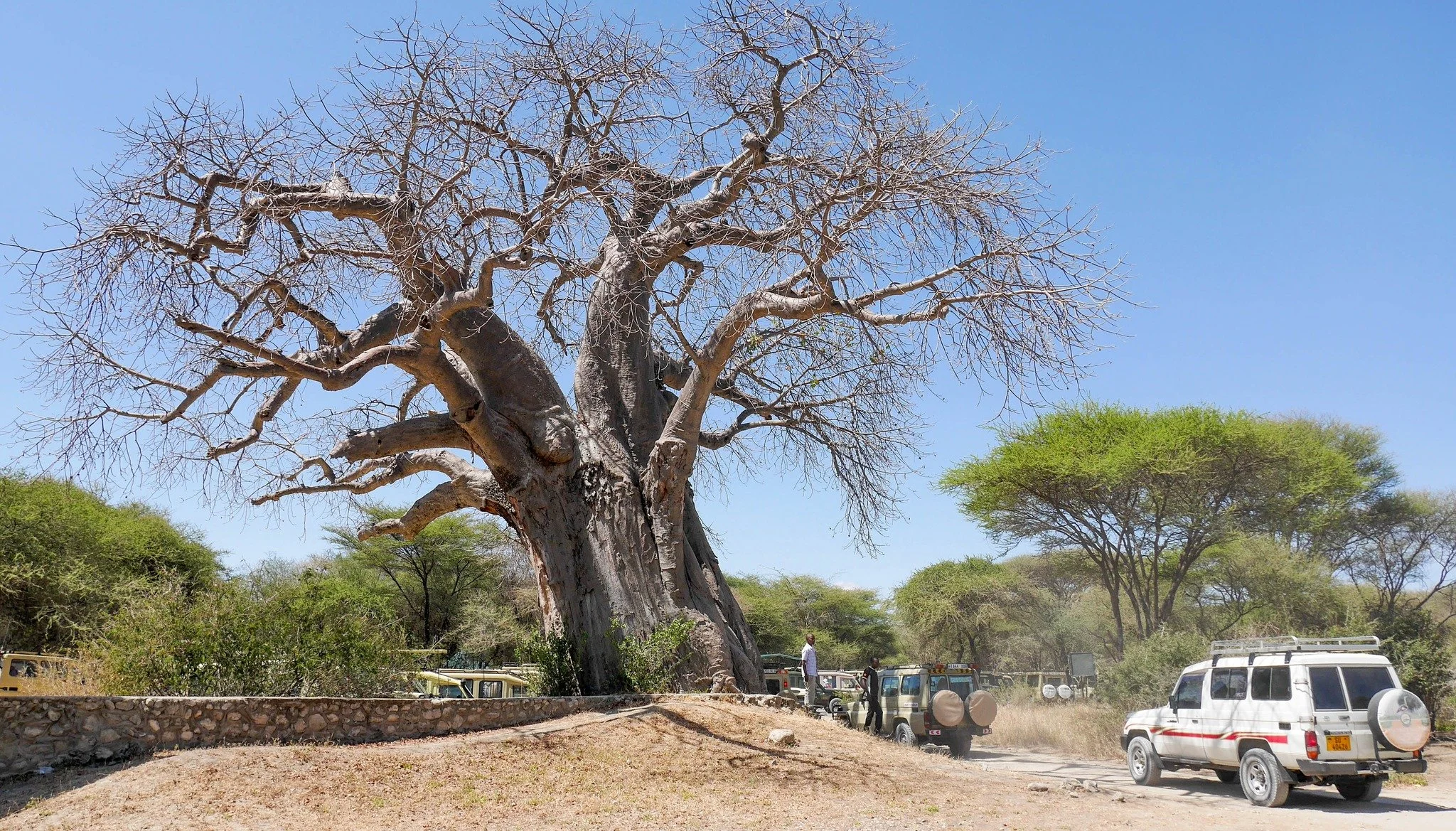
The Boundary Hill Gate is the point of entrance for most safarists to the Tarangire National Park, Tanzania. Growing by the gate is this remarkable baobab, an iconic specimen of the African landscape. It is at least a thousand years old.

Some call the baobab "upside down." If you squint your eyes, you can pretend its branches are its roots.

Others call the baobab the "tree of life," probably because of its longevity and the volume of water stored in its trunk. Elephants eat the spongy bark for moisture.

Tarangire Park is famous for its high density of baobobs and elephants. Join us on safari and see for yourself.

Bullet-proof

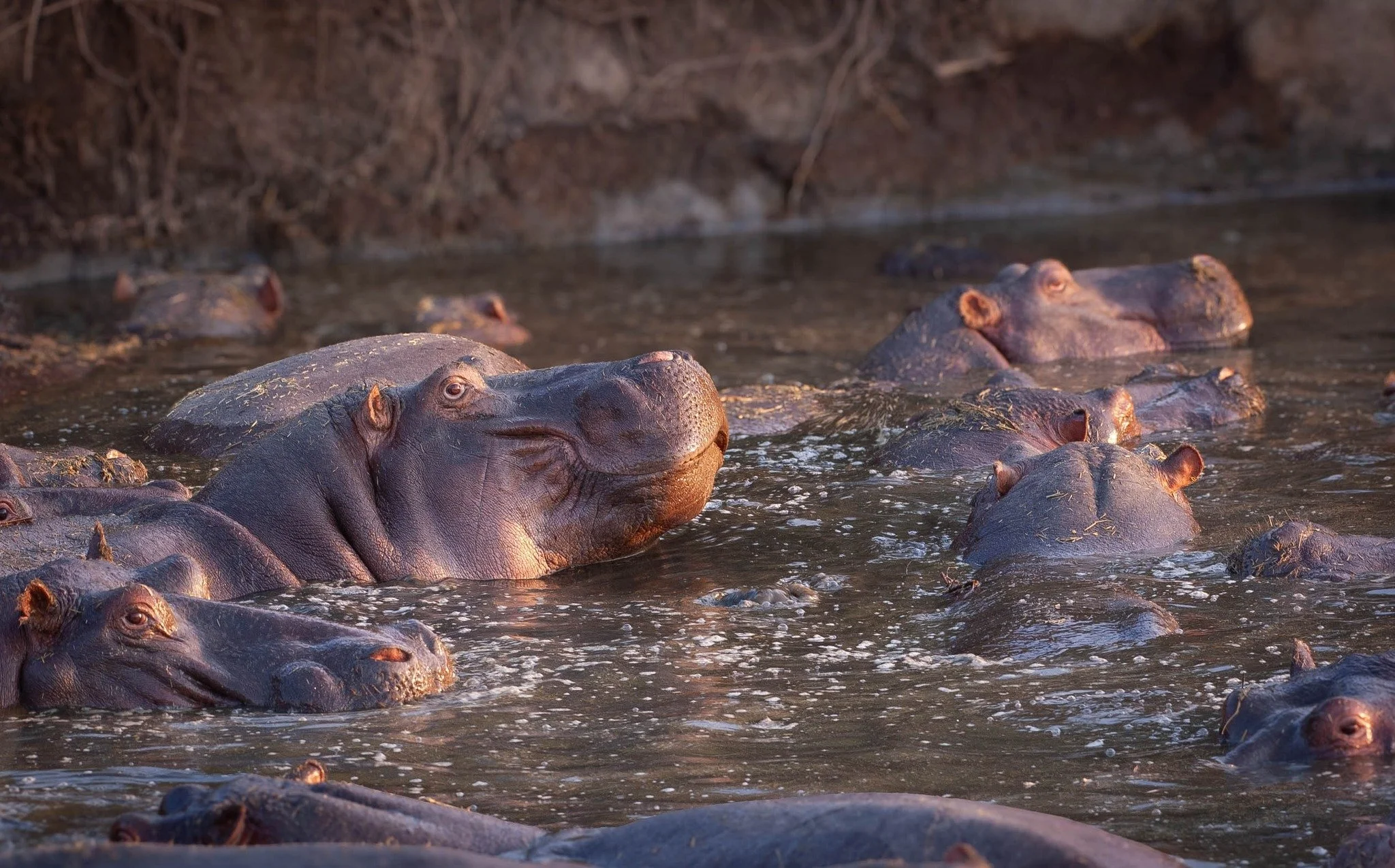
Stopping on the edge a hippo pool in the African savannah produces two responses. The first is amazement, especially if there is a group of fifty or more individuals (appropriately called a bloat). They splash, fuss, grunt, and poop. The second response > revulsion > is born of this last action. “Eww! What’s that smell?” someone gasps. We watch in horror as fecal matter is flung from hippo tails rotating like windshield wipers. I respond, “Serengeti perfume.”

Hippos are big. They eat a lot. They also poop a lot. And don’t mind wallering in it.

It is said that hippos don’t digest well. Maybe. But with all that bacteria in the water, their true super-power must be a bullet-proof immune system.

Wry Smile

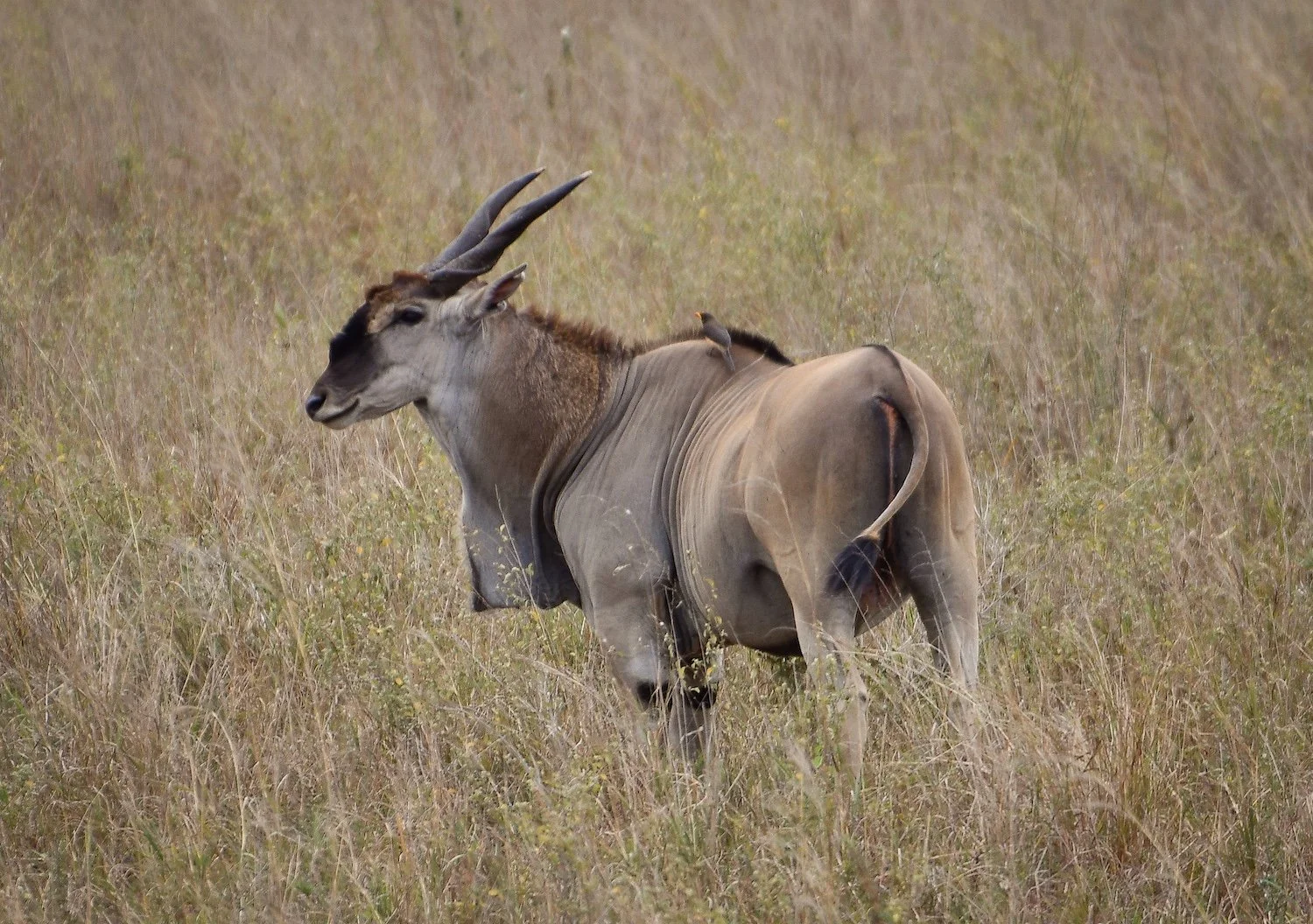
The eland smiles. Does he know a secret?

The eland is the largest member of the antelope family. It is also the slowest. Because of its size and nature, it can be domesticated by humans (just remember, it is still an antelope, a fence jumping specialist!).

Under spiral horns are the eland's "liquid eyes." These are adorned with long lashes. Such observations flow into the whispered conversation as we sit in our jeep and watch these docile creatures munch Serengeti grasses.

(Note the oxpecker on his back.)

Our safari work continues to attract special travelers. Because of this we have scheduled another return to Tanzania. This one is scheduled for late February, 2027. Reserve your seats now. They too will disappear.

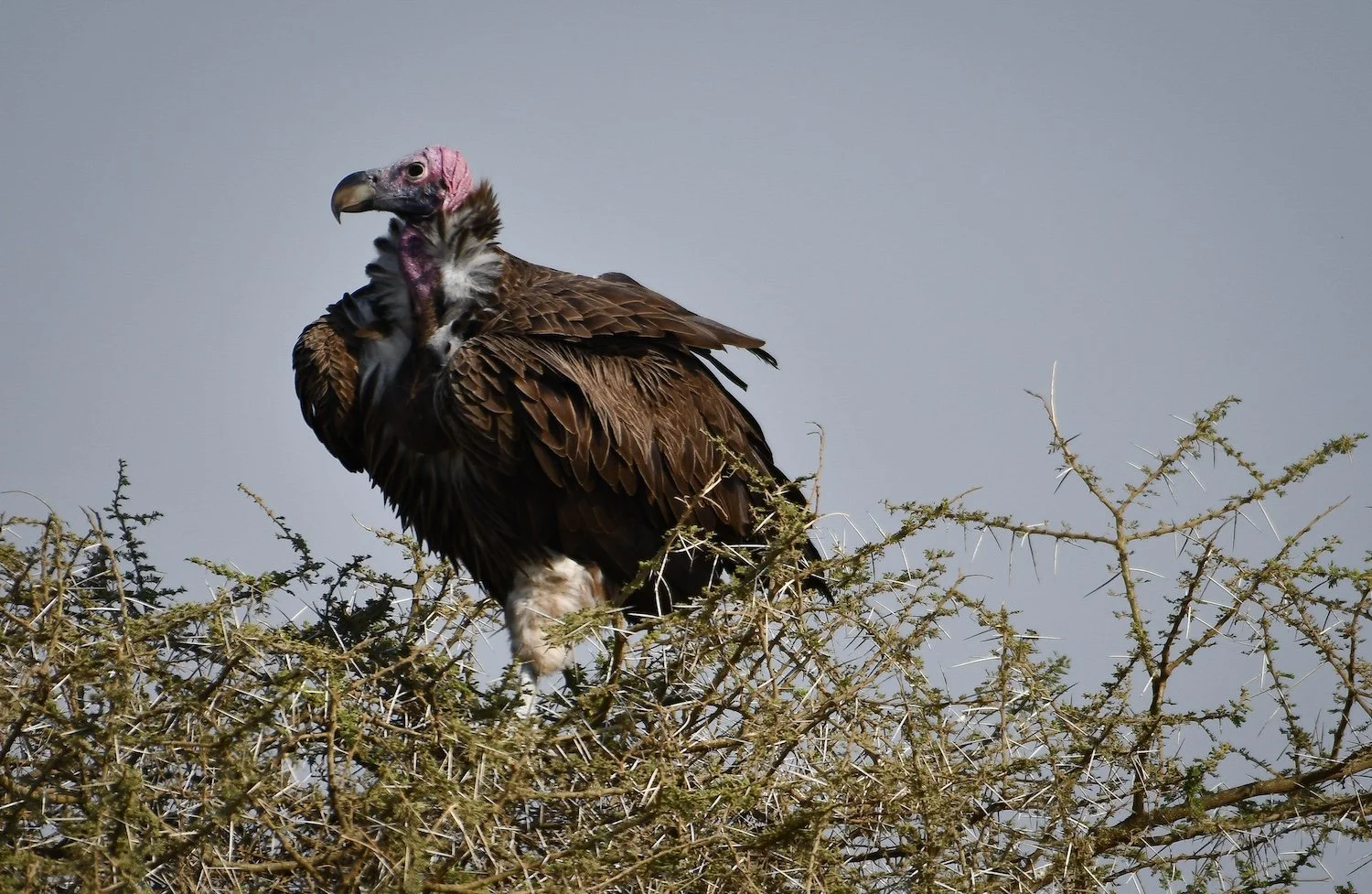
Lappet-faced

It’s almost noble.

When it comes to clothing, a lappet is a fancy fold. It's often seen as a drape in a scarf or head covering.

Check out the folds of skin on the head of this large scavenger. Now you know why it is called a Lappet-faced vulture (Torgos tracheliotos). Fancy-schmancy!

This is Africa's largest vulture. The wingspan of a fully-grown individual can reach 8 or 9 feet!

Unfortunately, this member of the clean up crew is also endangered. Habitat destruction, nest destruction, and pesticide ingestion are problematic. One estimate suggests only 6,500 of these (almost) noble birds survive today. That's a problem.

See a Lappet-faced vulture for yourself. Safari with us in 2026.

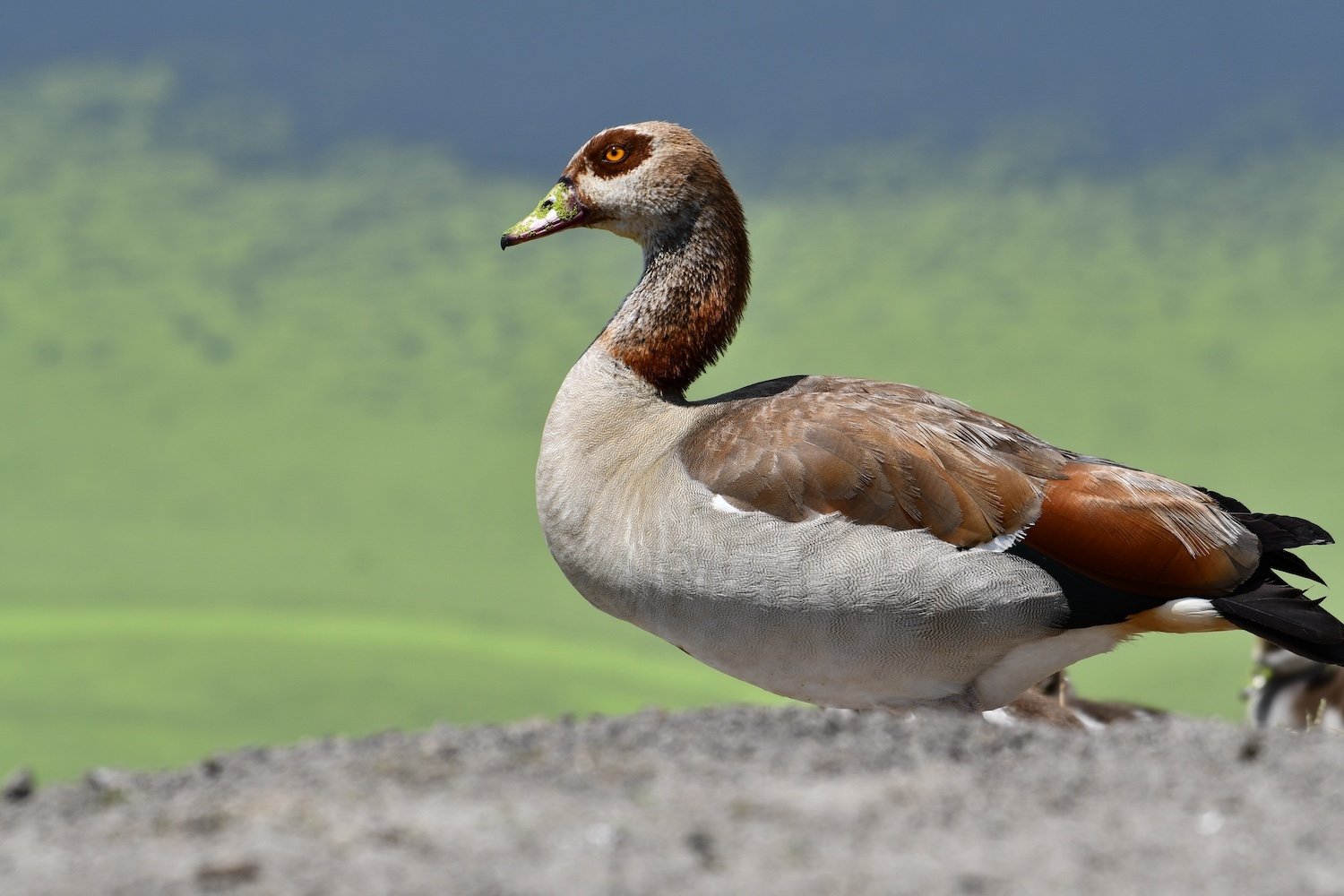
Duck-Duck-Goose

If it looks like a duck, walks like a duck, quacks like a duck, it must be . . . an Egyptian Goose!

Alopochen aegyptiaca is large waterbird common across Africa (and found as an invasive in more than a few British gardens). It is a member of shelduck sub-family, Tadorninae, and not a true goose at all.

Its build is stocky. Its flight is awkward. Its plumage is colorful: brown, red, and white. It looks sneaky with a "bandit mask" around its eyes.

On safari, we often spot the quackers around water-holes, either on the ground or roosting in trees.

Spot an Egyptian goose for yourself! Join us in Africa in 2026.

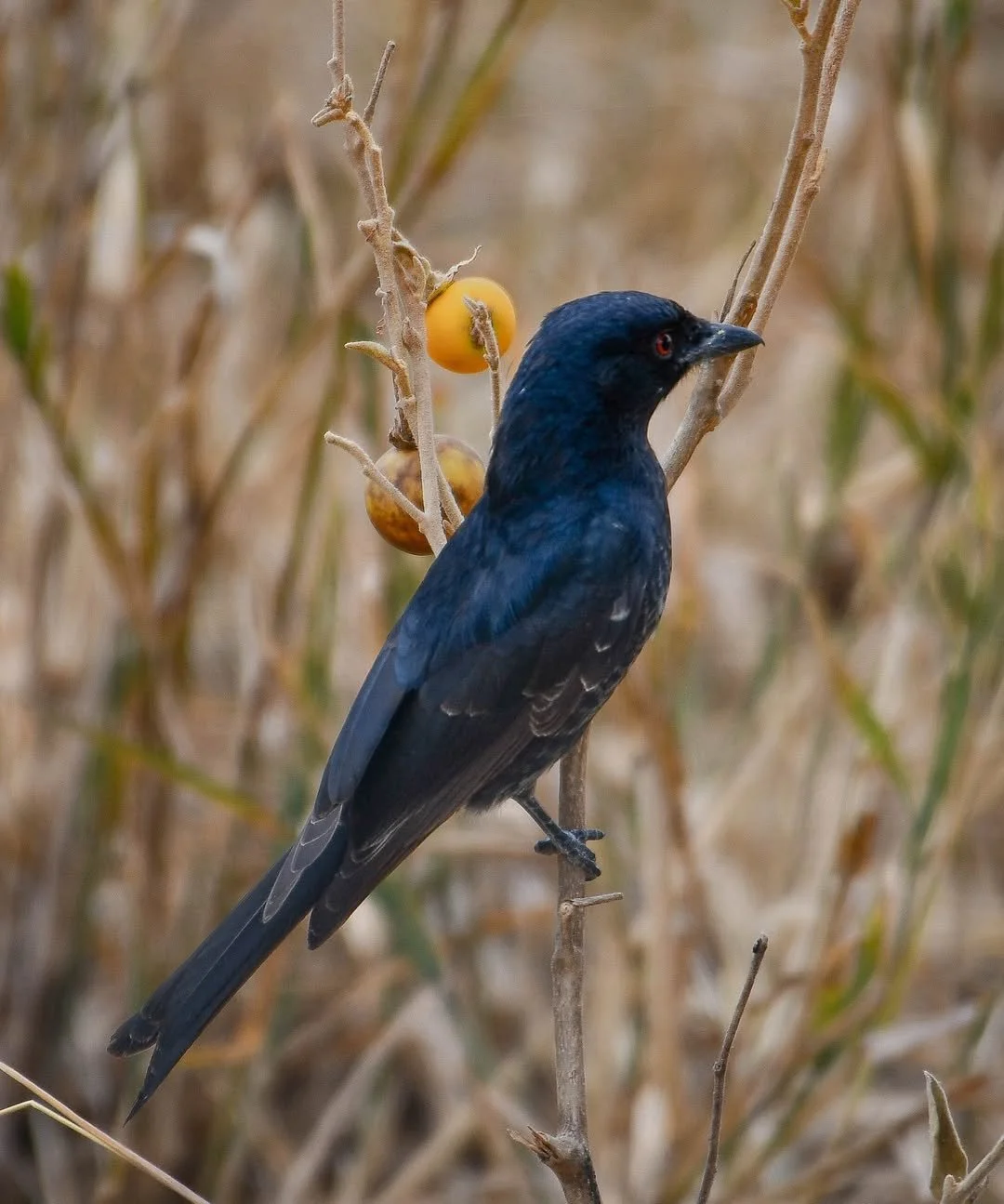
Sneaky Drongo

Kleptoparasite.

That's a word you don't hear everyday. It is used to describe a creature that steals food from another. It appropriately describes the behavior of the Fork-tailed drongo (Dicrurus adsimilis), an African bird that mimics the calls of predators. This false alarm is startling and makes it possible for the drongo to steal dropped food.

We used to do the same sort of thing in Junior High.

(See a sneaky drongo for yourself next year on an African safari!)

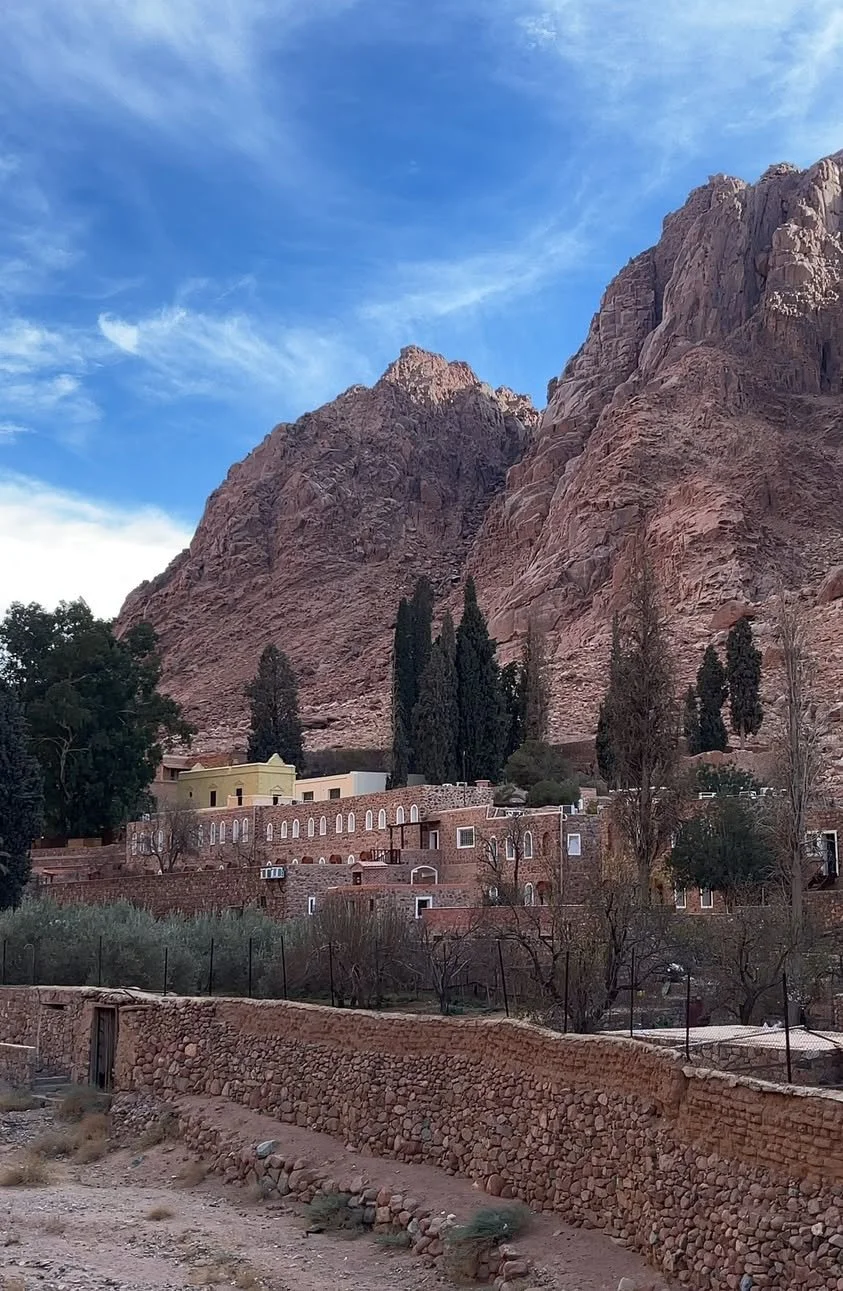
St. Catherine's Monastery

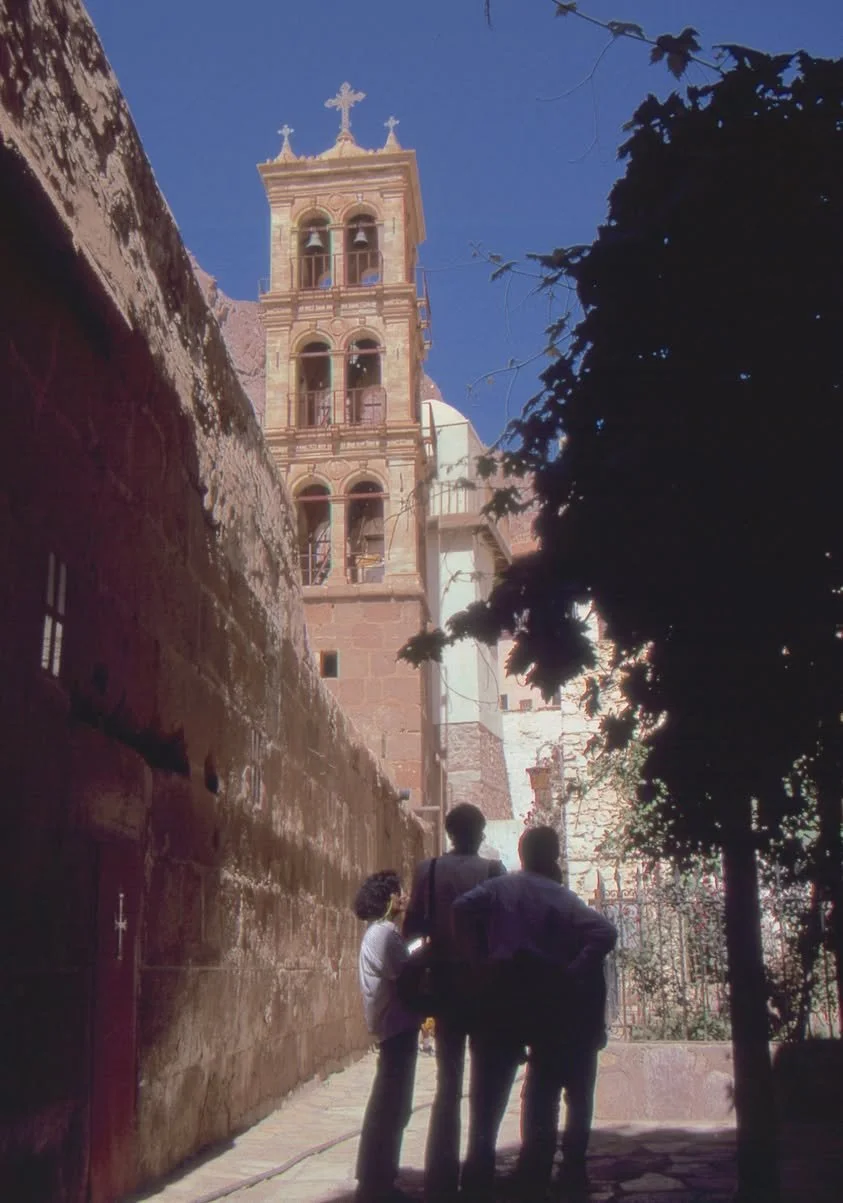
At the base of Jebel Musa (the traditional Mt Sinai) is the oldest continuously-inhabited Christian monastery in the world. It is named after St Catherine, an Alexandrian martyr. It is a part of the Greek Orthodox tradition.

The history of this site goes back to the mid-6th c AD. It was built by the order of Byzantine emperor, Justinian I, over the spot where God confronted Moses at the burning bush.

An enlargement of the legend has the body of Catherine found here as well. Apparently, after Catherine was killed by a Roman blade, her remains were carried away by angels and hidden in the deep desert. Christian monks found it, uncorrupted, built a monastery and named it after her.

See this austere place and witness Mt Sinai for yourself. Join us in Egypt next year!

Mixed Interests

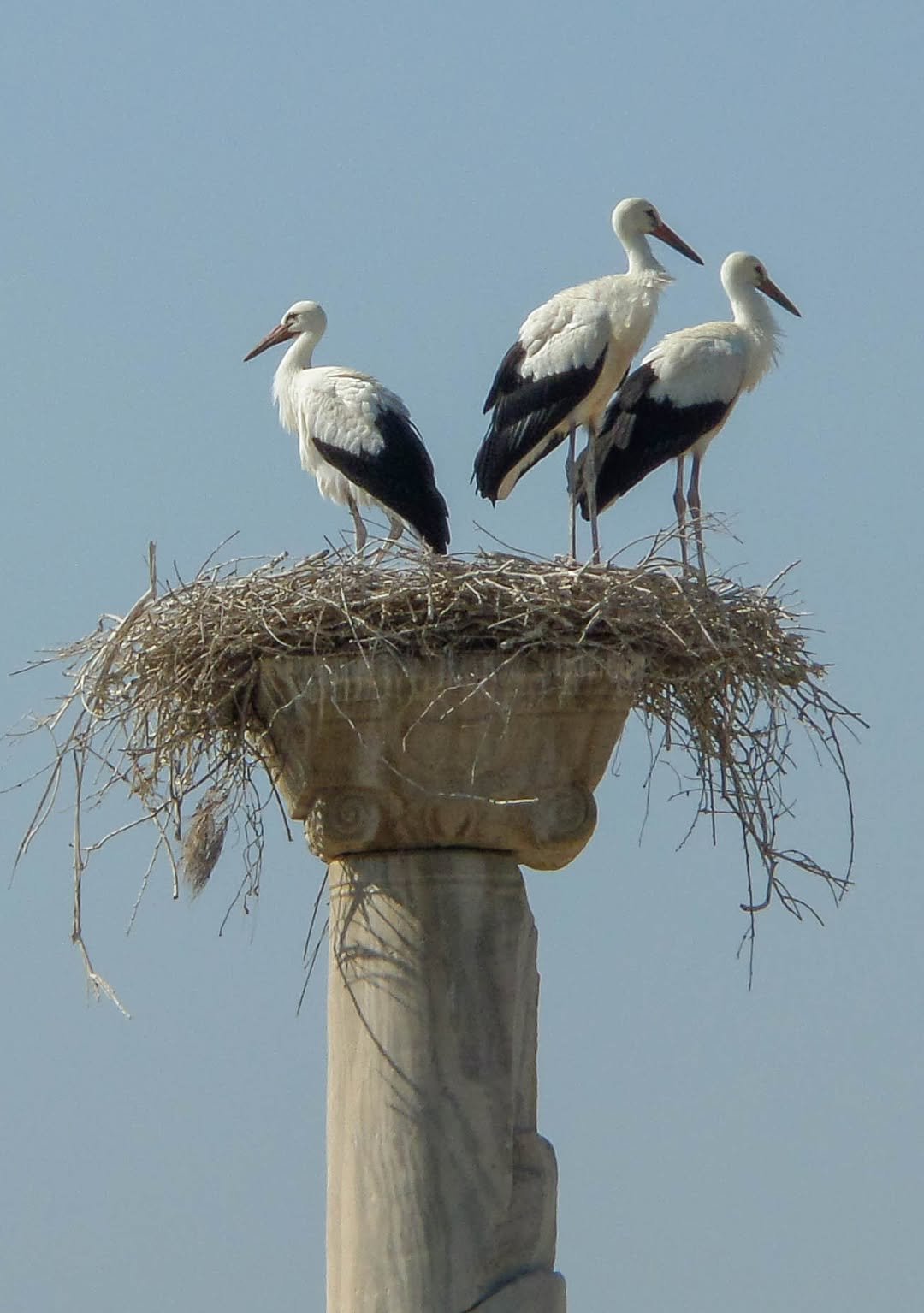
Now here's a nice mix of interests: White Storks (Ciconia ciconia) nesting on a Late Roman column in Ephesus.

Pilgrims come here to pray, study history, and probe New Testament connections.

Storks come here for the wetlands and balmy summers (so do some tourists). They arrive in mid-March and depart for Africa in August.

We aim to visit Ephesus next year in mid-March, late June, and late October. Join us for any one of these excursions as we explore the mysterious past and the amazing present of Türkiye.

A Little Bee-eater

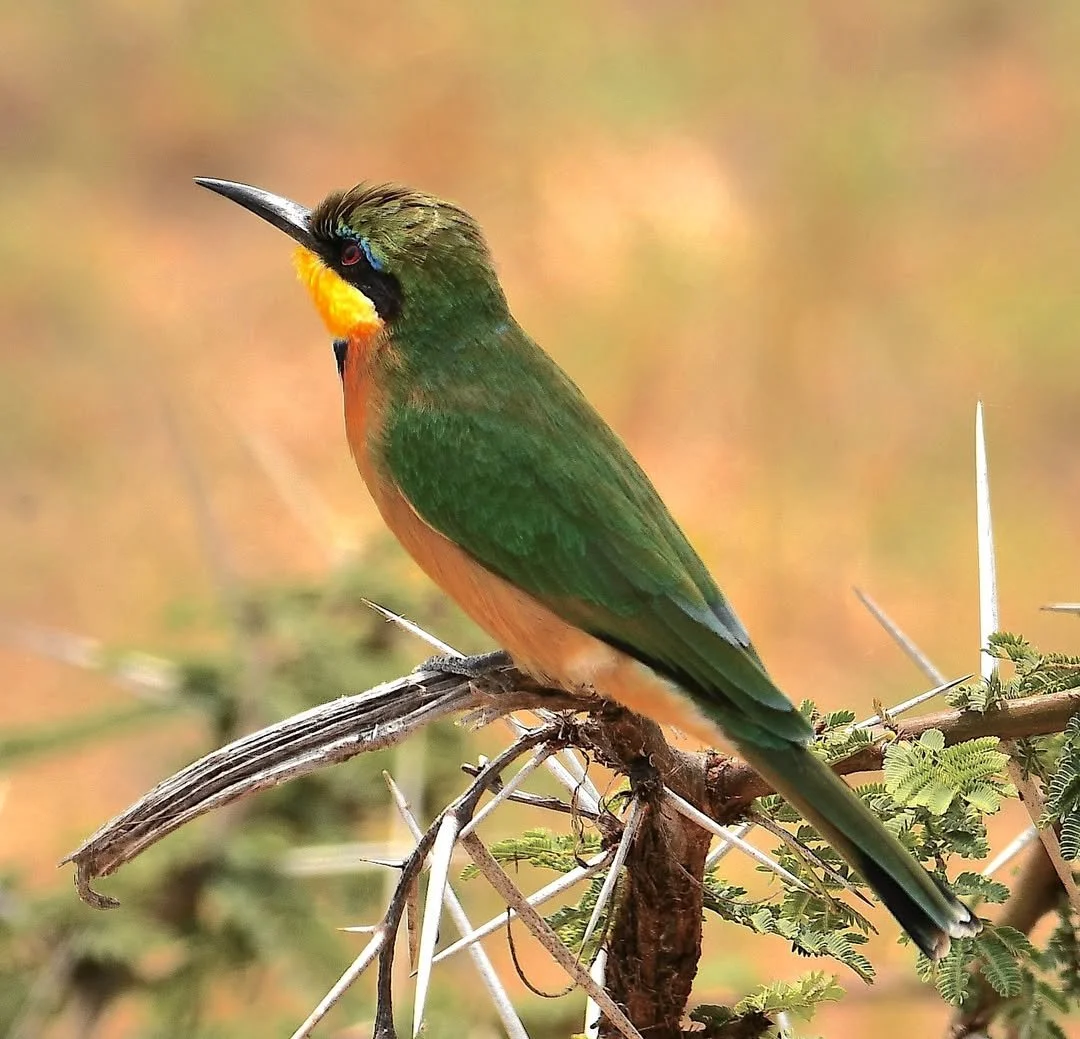
Bee-eaters (Merops) are among the most common avians in Africa. Their colors never fail to dazzle. 20 different species are found across the continent, from the Nile Valley to the Cape. They range in color from scarlet to emerald.

This is a Little bee-eater (Merops pusillus), distinctive to the grasslands of East Africa. A distinguishing feature that marks it as local is the light blue eyebrow line. Specialists call this line superciliary, from the latin "above" the "eyelid."

You don't have to be a birder to enjoy a Little bee-eater. Join us on safari in 2026.

Türkiye and the Early Church, 2026

Türkiye and the early church! Join us as we tour Istanbul and "the 7 churches of Asia Minor," June 27-July 8, 2026. This biblical archaeologist is teaming up with a dear friend and local (culinary) guide to offer a cultural-archeological-theological experience that you can savor. It's National Geographic quality at a Wal-Mart price! Inclusive land-only guided tour for only $3,300.

Find the link to the brochure by clicking here.

Secret Identity

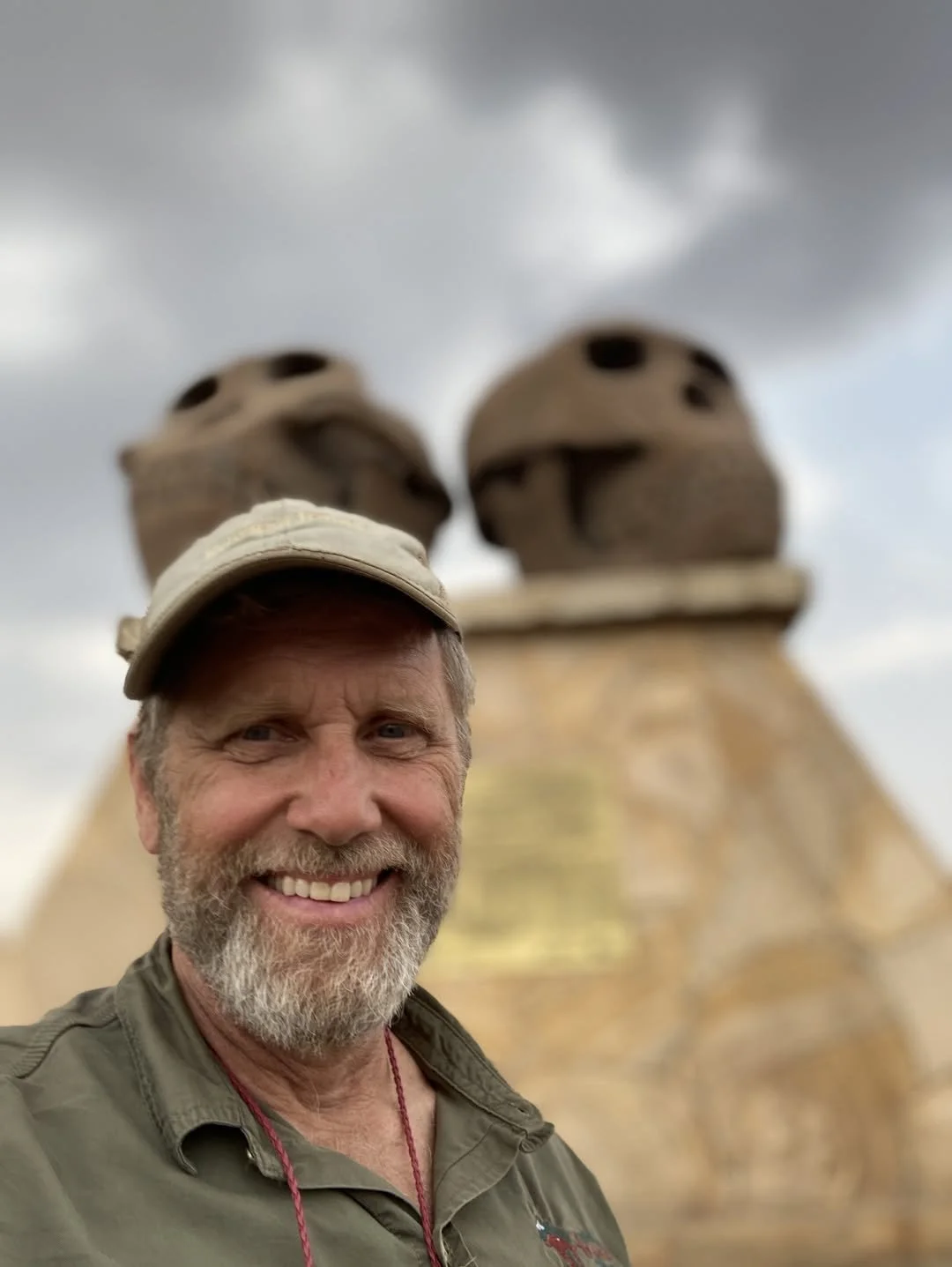
"Nutcracker man," "Handy man," and that other guy were all found at the Olduvai Gorge Visitors Center, Tanzania.

The nickname, "nutcracker man," was given to Paranthropus boisei because of his super-large jaw. That guy could chomp.

The nickname," handy man" was given to Homo habilis because of his tool box. That guy could flake.

The other guy is still looking for his secret identity.

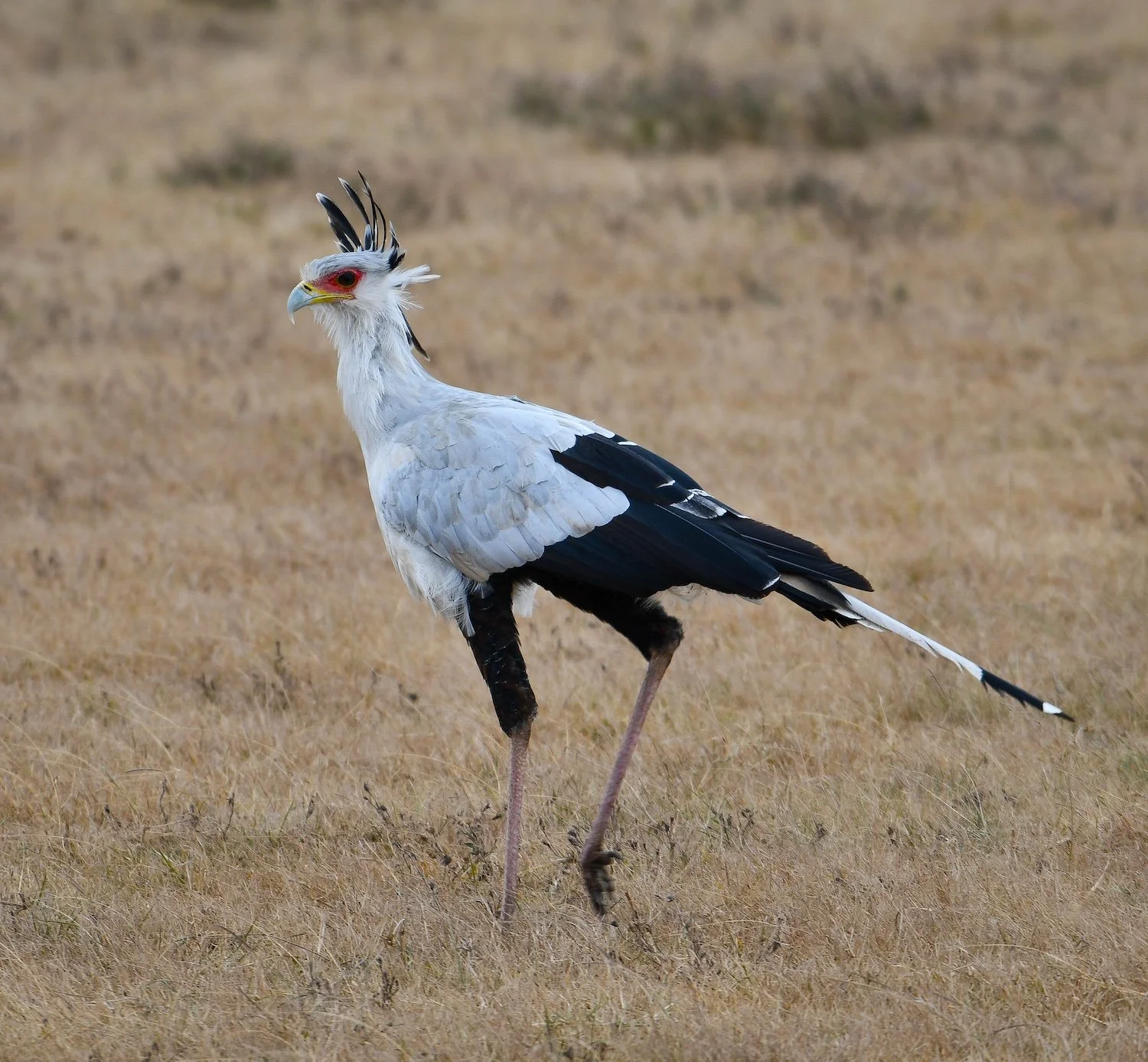
Secretarybird

It's the body of an eagle on the legs of a crane!

The secretarybird (Sagittarius serpentarius)is a mishmash of parts, designed for hunting snakes, rodents, and insects. It often captures and kills its prey by stomping. Those legs make it a fierce snake-fighter!

With their ornate feathered headgear, secretarybirds are easily identified. They lope about sub-Saharan grasslands with speed. It also helps that they can stand more than one meter in height.

Sadly, habitat loss is pushing this marvelous creature toward extinction. It was added to the endangered species list in 2020.

See a secretarybird for yourself in 2026. Join us on an African safari.