Mycteria ibis

Nomadic, sortof

A "facultative nomad" is a creature that lives a settled life when it can, but moves around when required. The phrase may be applied to birds, bugs, or even people.

The description fits the Yellow-billed stork (Mycteria ibis) of sub-Saharan Africa. This big bird is found around water, particularly in wetlands and mudflats. Because of their wading and feeding tactics, Yellowbills avoid deep water. As long as food is plentiful they hang out. Larger patterns of migration remain unstudied and unclear.

I spotted this gang lingering in some reeds in northwest Tanzania.

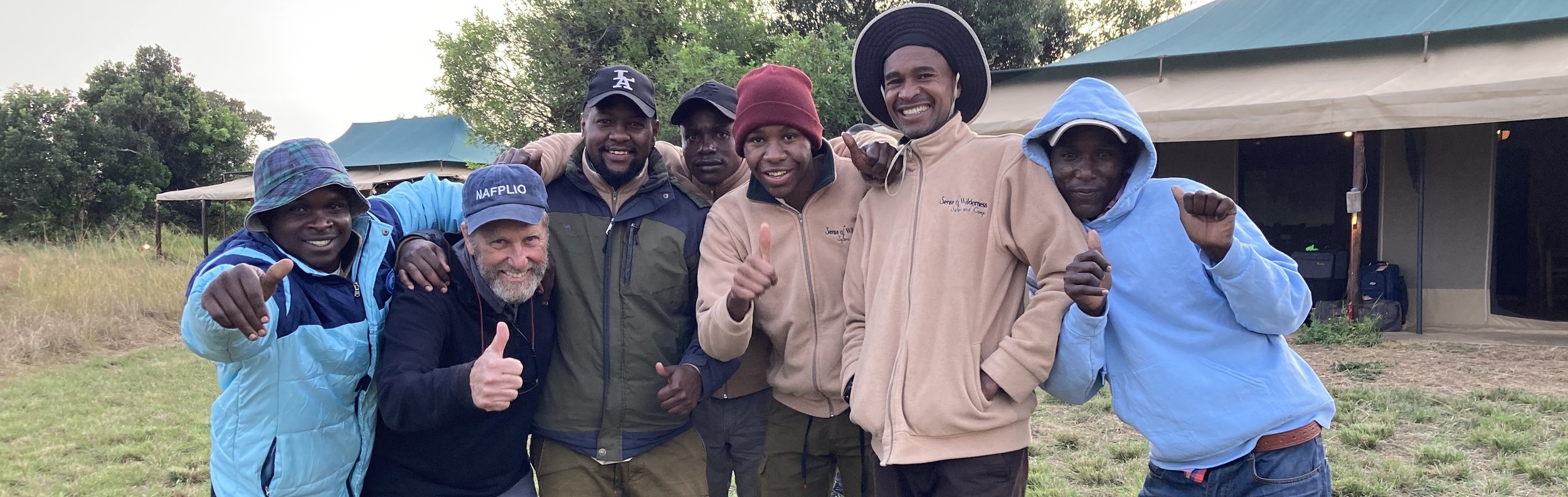
Wander over to Africa and safari with us. Our 2026 offerings are full, but we are angling for 2027.

Red-faced

Have you ever wondered why some birds have featherless skin around their faces? This feature serves several purposes. First it is hygienic (and easier to keep clean). This is useful for carrion-eaters (like vultures) or wader-hunters like this yellow-billed stork (Mycteria ibis). Second, it communicates. When it is ready to breed, the facial skin of this stork turns deeper red, the color of the yellow bill intensifies, the legs turn bright pink, and even the feathers gain a pinkish tinge. Third, and finally, featherless skin helps dissipate heat. I'm not sure that's a big deal with stork faces (!), but it has been noted as a factor with their legs.

All in all, it's a brilliant design.

The yellow-billed stork is commonly found in East Africa. I photographed this one in Tanzania.

If you want to see a yellow-billed stork for yourself, join us next year on safari!

The Landing Gear is Suspect

“Any landing you can walk away from is a good landing,” the pilot chuckled.

I hope this one ends well for this Yellow-billed stork (Mycteria ibis). Those spindly legs make for good waders but seem a little suspect as landing gear.

I photographed these birds feeding in the wetlands of Lake Manyara National Park, Tanzania.

Bible Land Explorer has several safari excursions (public and private) to East Africa slated for the coming year. PM me if you are interested in scouting for cheetahs, "glamping" in the Serengeti, chatting about the wonders of creation, you know, that sort of stuff.

Sporting the colors!

This Yellow-billed stork (Mycteria ibis) is flashing extra color in the breeding season. Its back has adopted a magenta hue, its brown legs have turned pink, and its face and bill have taken on an extraordinary glow.

I captured this image back in 2019 near Lake Manyara in north-central Tanzania. Lake Manyara, a feature of the Great Rift Valley, is part of a great flyway for migrating birds. For storks like this one, it is a "honeymoon" site. Pairing is common.

See the African flyway yourself! Come on a Tanzanian safari. But don't delay. Our August 2025 is practically sold-out; our trip scheduled for February of 2026 is getting ready to open. Contact Bible Land Explorer for details.

Sporting the Colors

This Yellow-billed stork (Mycteria ibis) is flashing extra color in the breeding season. Its back has adopted a magenta hue, its brown legs have turned pink, and its face and bill have taken on an extraordinary glow.

I captured this image back in 2019 near Lake Manyara in north-central Tanzania. Lake Manyara, a feature of the Great Rift Valley, is part of a great flyway for migrating birds. For storks like this one, it is a "honeymoon" site. Pairing is common.

See the African flyway yourself! Come on a Tanzanian safari. But don't delay. Our August 2025 is practically sold-out; our trip scheduled for February of 2026 is getting ready to open. Contact Bible Land Explorer for details.