Spotted Hyena

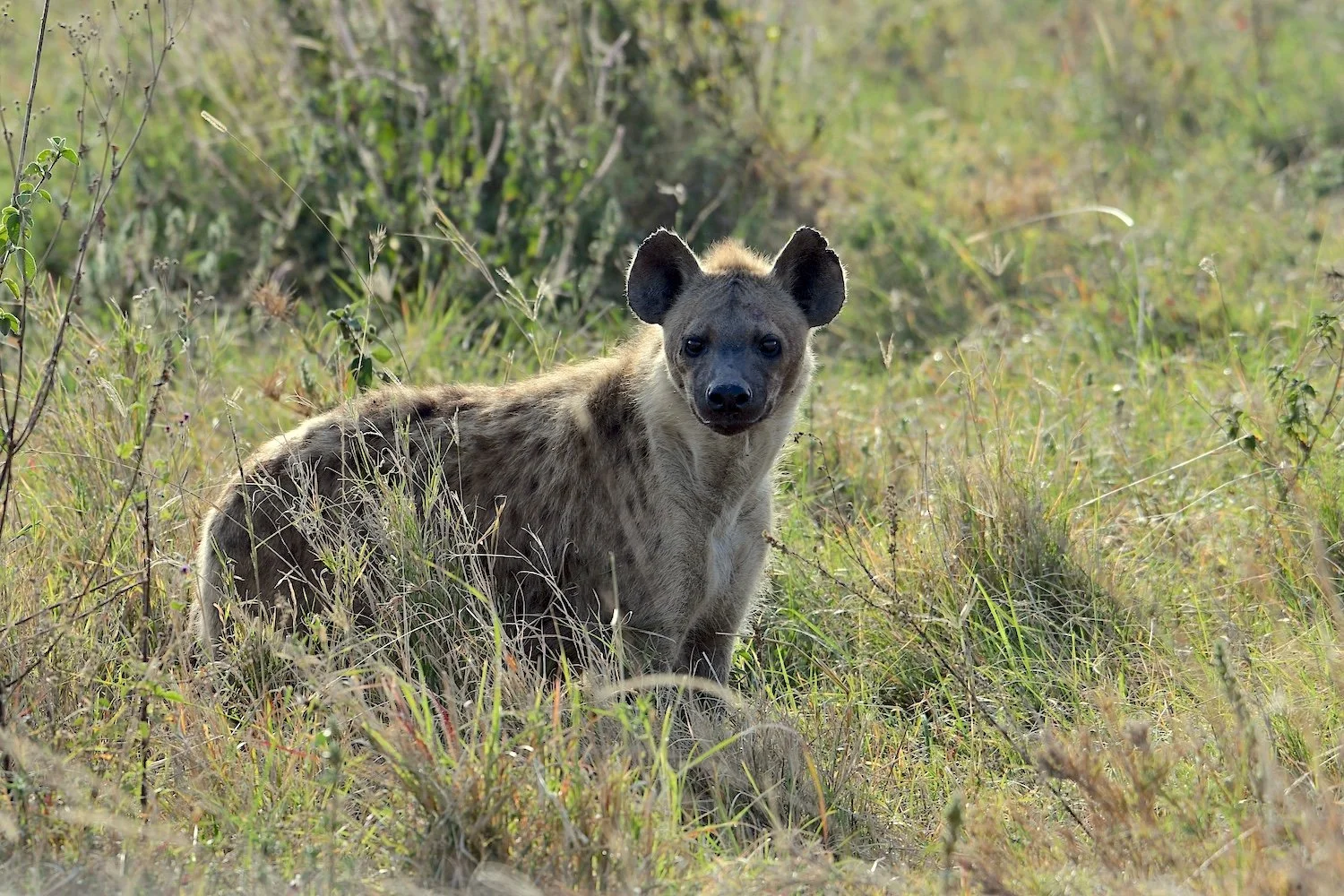
Spotted Hyena in the Ngorongoro Conservation Area.

"Whoo-whoop, cackle-cackle" says the Spotted Hyena.

With Christmas in the rear view mirror, we start thinking safari again. Our February 2026 Serengeti excursion is full, but we will soon be opening seats for 2027. Isn’t it time for you to experience one of the last great wild places on earth?

Thugga Skyline

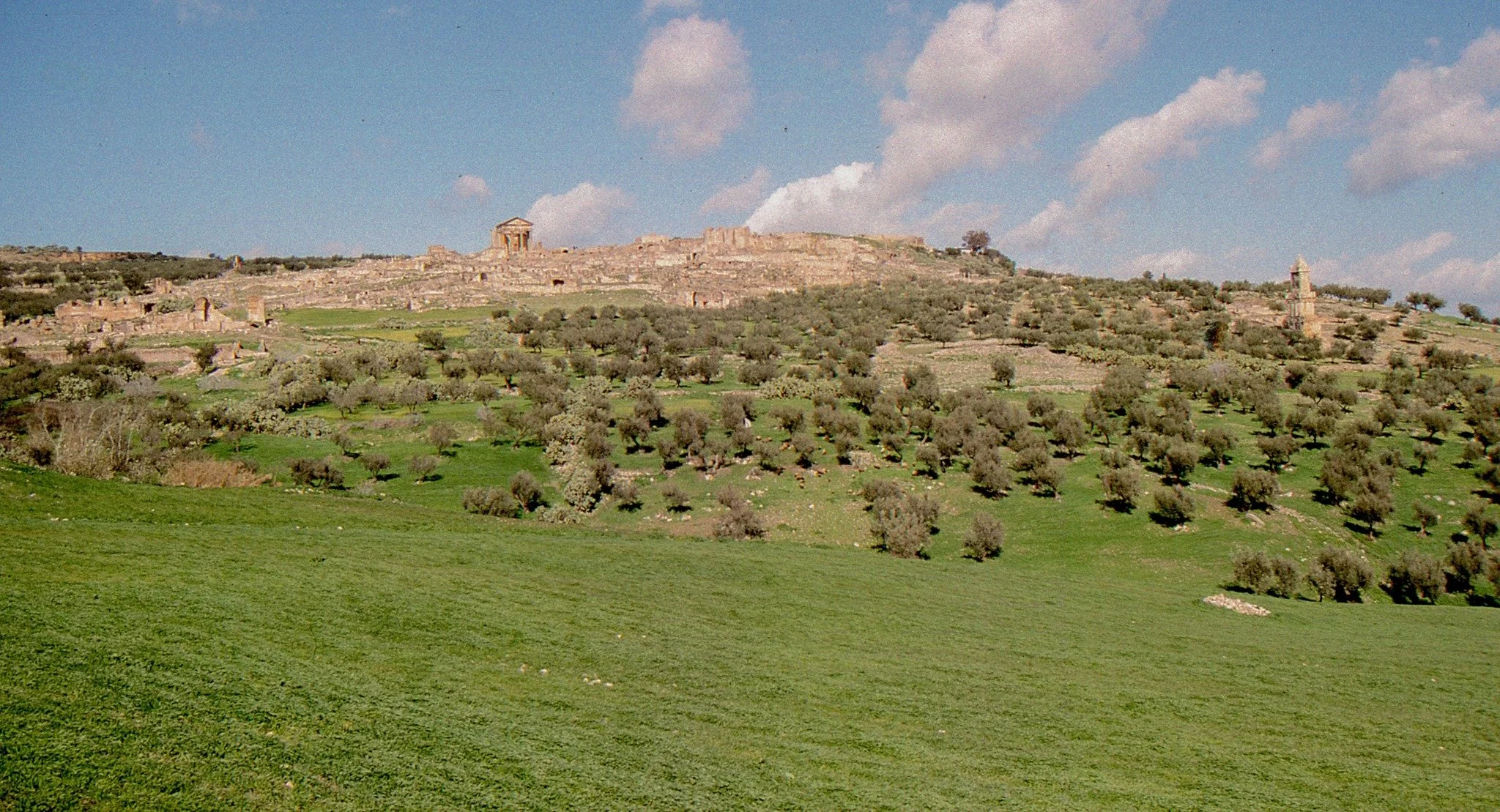
Yesterday I posted an old slide of the Mausoleum of Ateban, a second century BC tomb marker at the site of Dougga (ancient Thugga) in northern Tunisia. Here's a shot to the larger context. You can see the mausoleum rising on the right hand site of the ruins. Visible at the top of the hill is the Capitolium, a temple dedicated to Jupiter, Juno and Minerva.

Because of the site's size, preservation, and surroundings, it was declared a UNESCO world heritage site in 1997. Dougga has all of the components of an indigenous community and has been dubbed, "the best-preserved Roman small town in North Africa."

I took this shot of its skyline a few years after that honor was given, perhaps in the winter of 2001.
The Mausoleum of Ateban

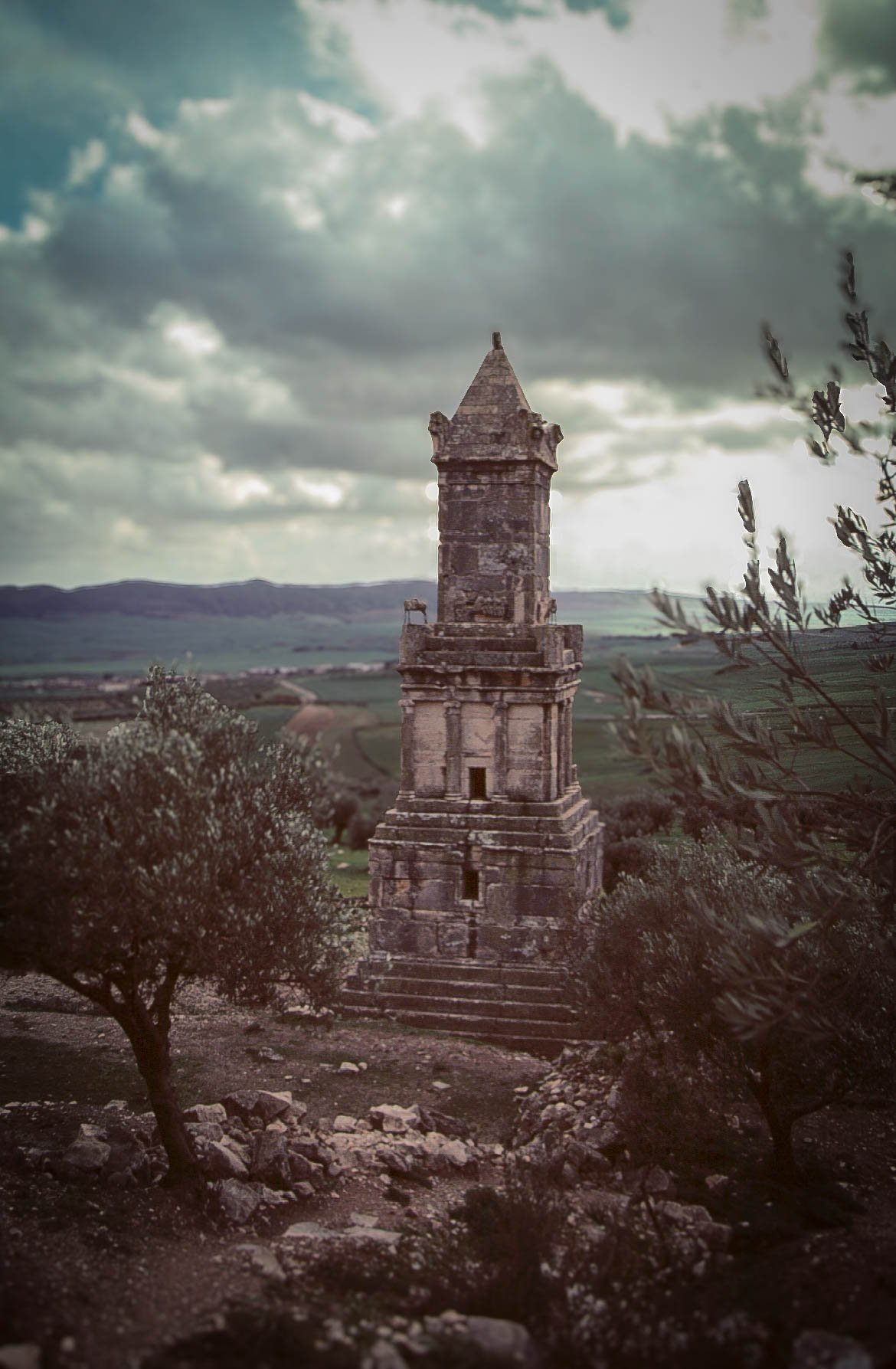
One cold morning I galumphed over a Tunisian hill and found myself facing the Mausoleum of Ateban. This 21-meter tower of stone, on the edge of the ancient site of Dougga, was erected in 146 BC. It was dedicated to a North African prince named Ateban or Ativan.

A bilingual inscription on the tomb (written in Numidian and Punic scripts) was the key that allowed scholars to crack the Numidian language. Numidian is an extinct tongue (related to Berber), spoken in the centuries just before and after the time of Christ.

Unfortunately/fortunately, that inscription was removed from the monument (causing serious destruction in the process) by the British consul in 1842. It was shipped to the British Museum where it remains out of sight to this day.

Harbor Road, Ephesus

View from the Theater to the Harbor (area).

Harbor Road, connecting the harbor of Ephesus to the Great Theater, was the path used by sailors and kings to enter the city. Built in the Hellenistic period, the road was not just lined with columns, colonnades, and sculptures, it was also lit with 50 street lamps after dark. Innovative for the period, it was one of only three illuminated streets in the Mediterranean basin.

We'll be returning to Türkiye and Ephesus next summer, June 27-July 8, 2026. Price is $3,300 (land only) for 12 days of archaeological illumination. You won’t find a better experience for the price!

Egyptian-Greek Fusion

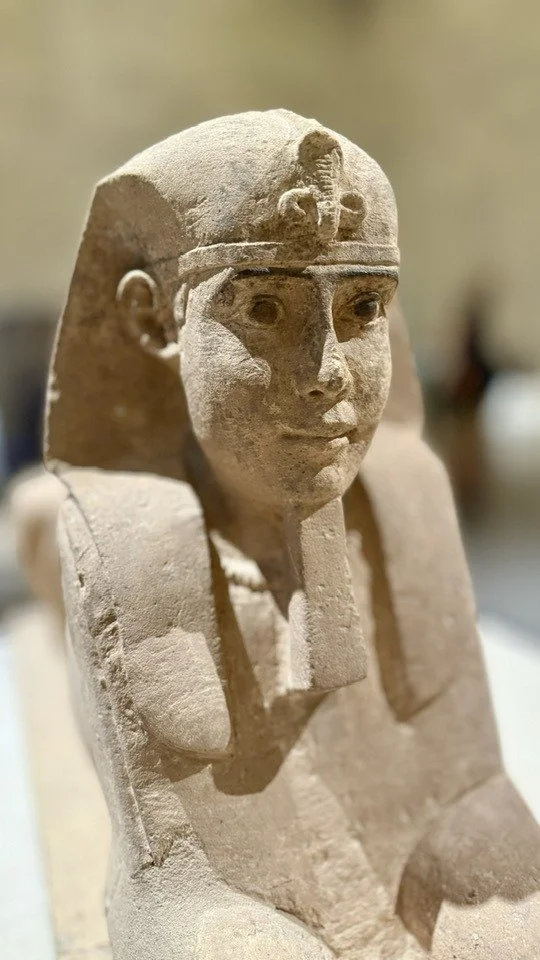
Ptolemaic period sphinx on display at the National Museum of Egyptian Civilization. The legacy of old Egyptian art continues into the Greek period. But look at that face!

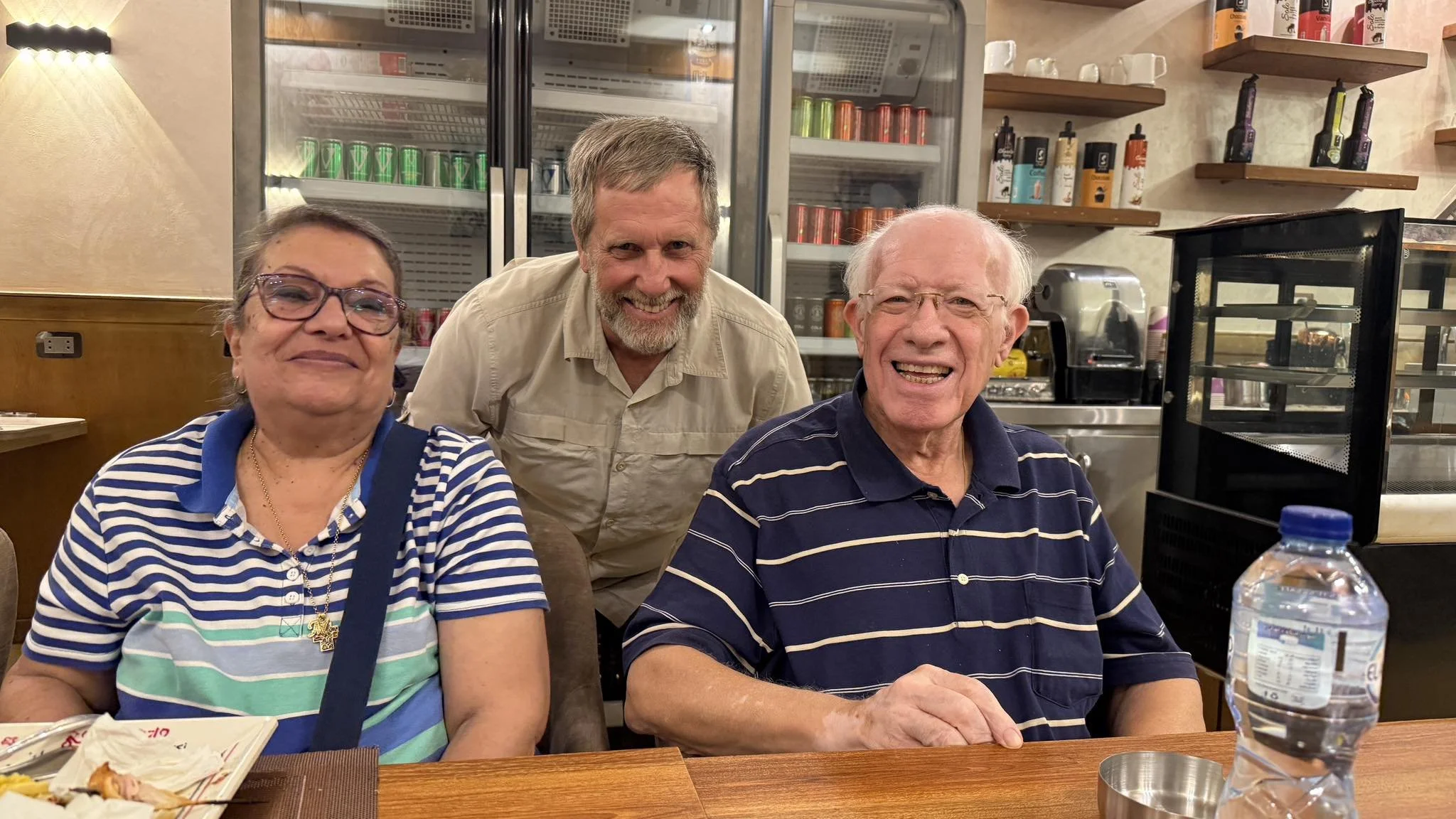
We enjoyed our day in Cairo with a group of Bible Land Explorers from Burlington, Kentucky. We are now en route to the airport to fly to Luxor.

I say hoopoe, he says hudhud

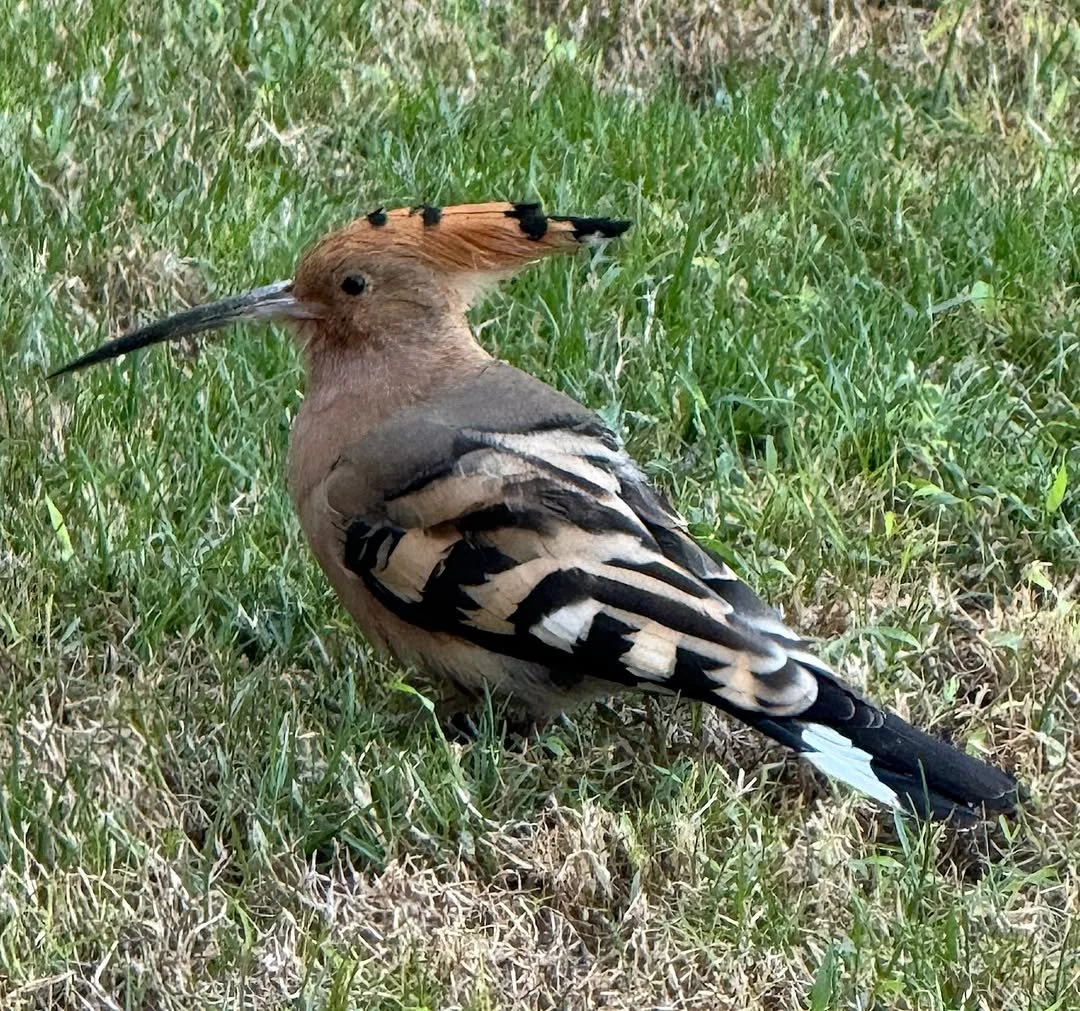
Walked out of my hotel room in Luxor and found a hoopoe digging in the grass. I watched him probe the soft ground with that long beak searching for insects. He was not afraid at all.

These marvelously colored (and crested!) creatures are a symbol of royalty and wisdom in ancient Egypt. They appear in the Bible (Lev 11:13-19 and Deut 14:11-18) as one of the 20 inedible birds.

The hoopoe (Upupa epops) is also found in Islamic folklore (often attached to stories about King Solomon). In Arabic it is known as a hudhud (which is fun to say!).

Big Birds

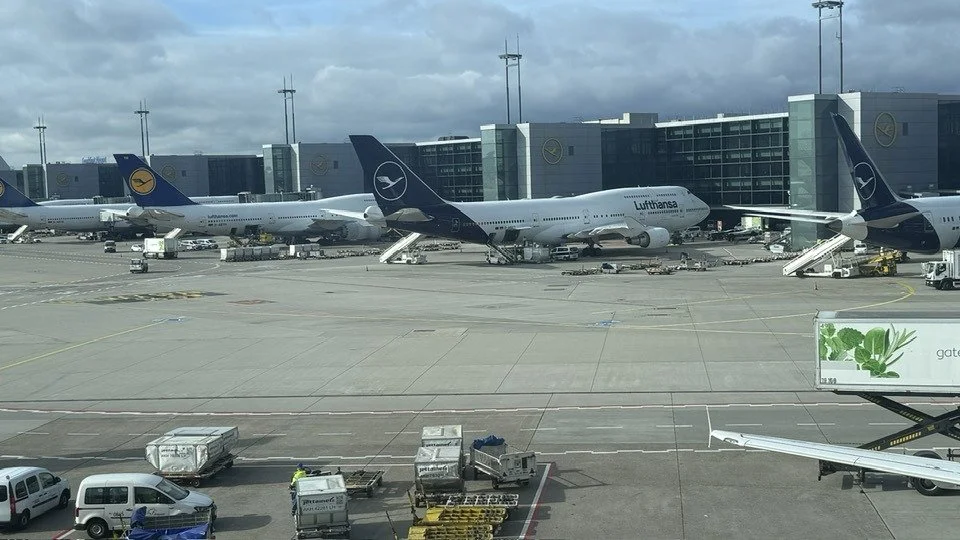
Here we go again. Yes, those are passenger 747s out there, a whole row of them. Germany’s Lufthansa is the world’s largest operator of these old birds.

Did you know that the original 747(-100) was introduced in 1969? Boeing manufactured more than 1,500 of these big boys. American carriers abandoned the jumbo line in 2017.

Only a few dozen are still used as passenger planes. The rest have been scrapped, converted into freighters, or, as in the case of the Stockholm airport, converted into a hotel (Check out their “Jumbo Stay”). I can’t imagine that. Who can sleep on a 747?