Exploring Tanzania

Running from Day One: How Zebra Foals are so Precocial

Born to run. Within an hour of hitting the ground, a precocial zebra foal is already standing tall, alert, and ready to keep pace with the herd.

Precocial, Defined

First off, let me save you a trip to the dictionary.

In the biological world, precocial describes animal offspring that are born relatively mature, mobile, and capable of independent activity almost immediately after birth or hatching. The opposite strategy is altricial—referring to babies that are born entirely vulnerable and completely dependent on parental care. As any mum or mamaw can testify, human babies are a very altricial. They require lots of help to get going! Zebra foals, on the other hand, are amazingly precocial. Here’s how they manage it.

Born with Wheels Down

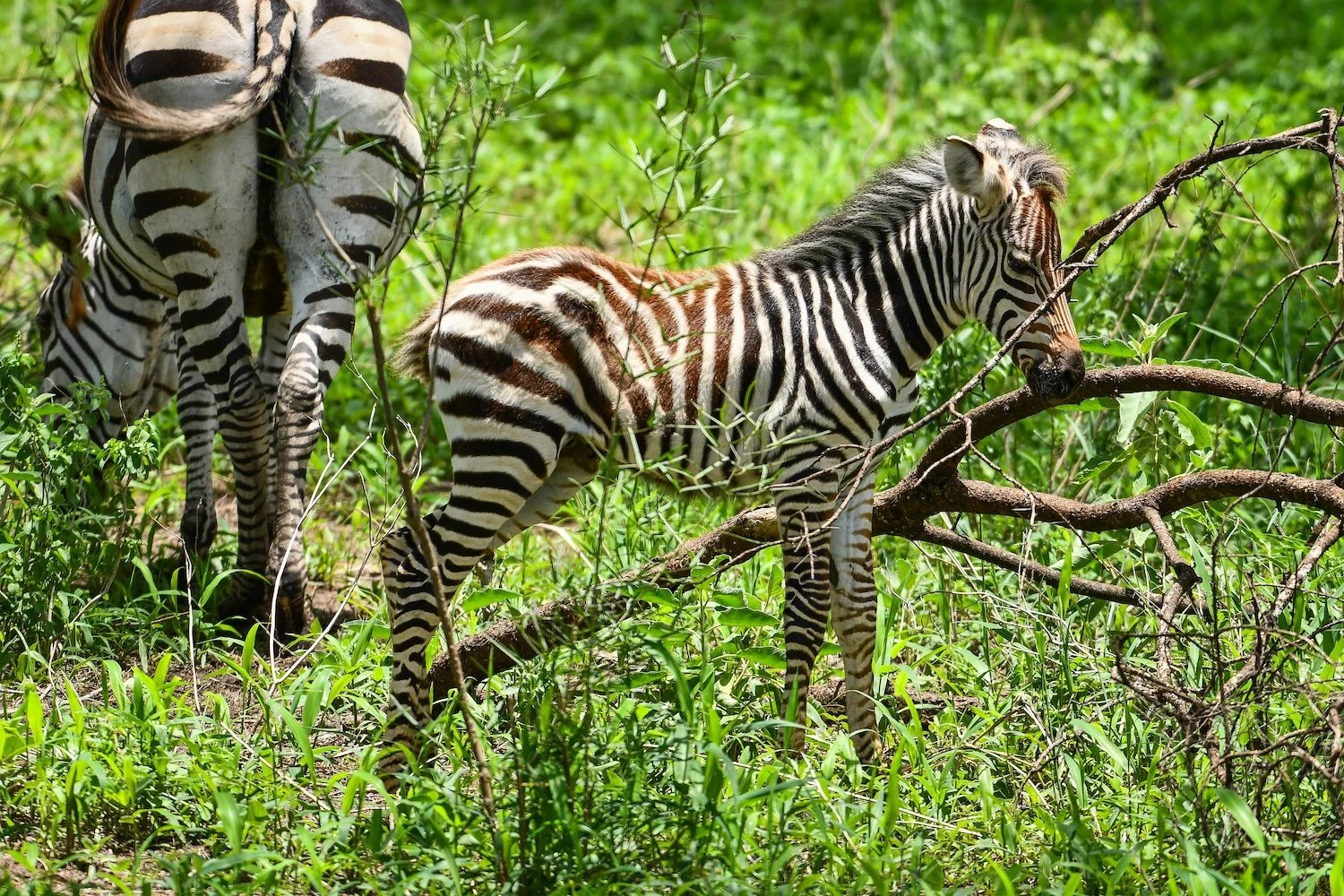
To survive on the open African savanna alongside predators like lions and hyenas, these incredible animals undergo a long 12- to 13-month gestation period so they can hit the ground running—literally. Zebras are born with their eyes wide open, have sharp sensory awareness, and legs that already reach nearly 90% of their adult length (which is why, incidentally, the young ones look so disproportionally rangy and cute!).

A newborn zebra foal can stand within 10 to 20 minutes of birth. In one hour, they can run at full speed and keep pace with the moving herd. They are even born with the immediate mental sharpness to recognize their mother's unique stripe pattern, allowing them to instantly pick her out from a crowded, chaotic stampede.

The Payoff

This rapid readiness is a brilliant trade-off. While a zebra mother invests massive amounts of energy into a year-long pregnancy, the payoff happens the moment the foal hits the dirt. By shifting the heavy lifting of development to the safety of the womb, zebras minimize the time their newborns spend as helpless targets. It’s an upfront investment, but one that gives these vulnerable animals the fighting chance they need to survive from day one.

It’s a pretty good design, don’t you think?
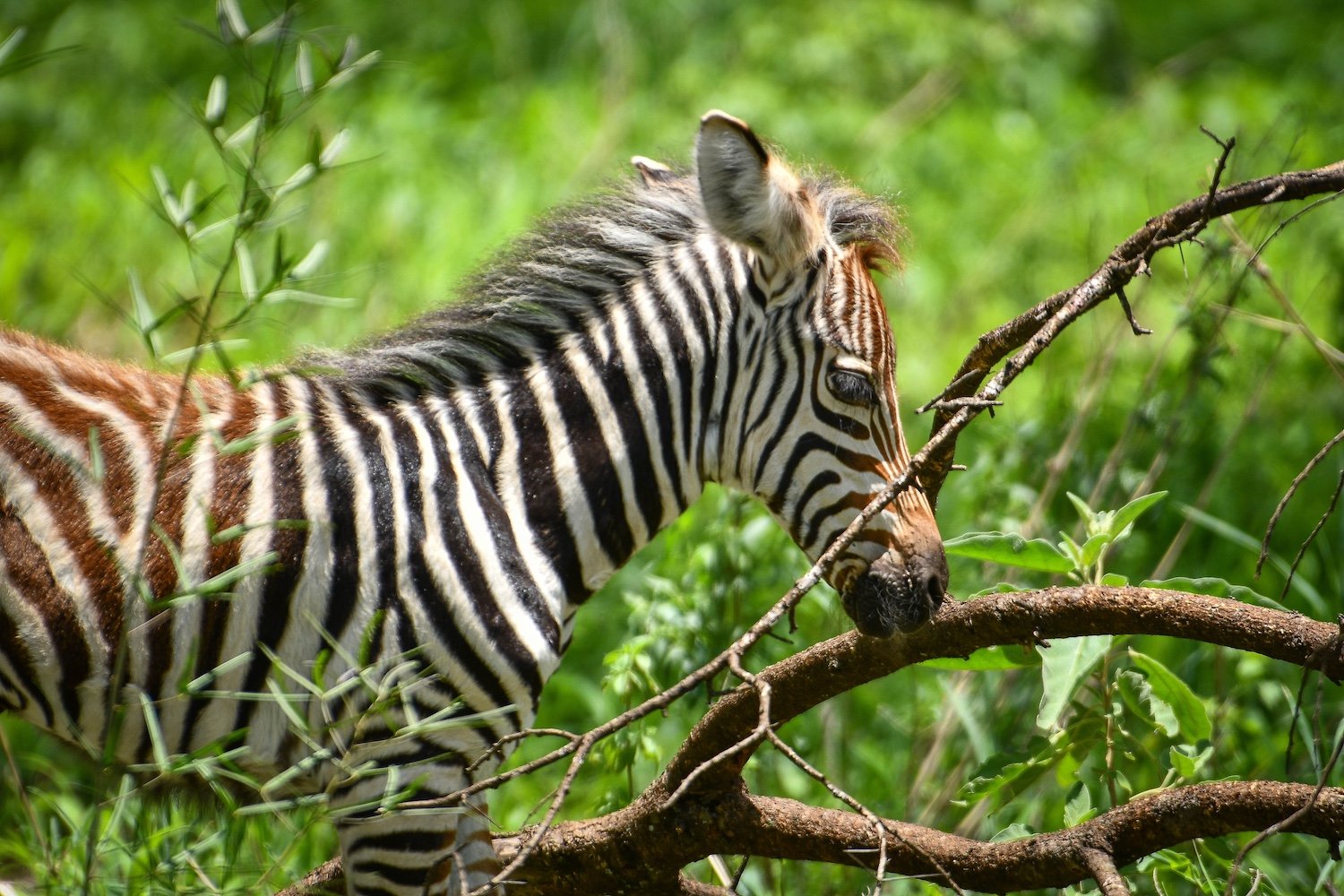
A zebra foal's face is adorned with soft, fuzzy stripes that start out a warm brownish color before darkening to black as it grows.


If zebras facinate you, check out this post: “The Biological Barcode: Why No Two Zebras Are Alike.”


Bible Land Explorers are headed back to Tanzania June 3-13, 2027. Lake Victoria, the Serengeti, and Ngorongoro Crater, are on our agenda as we photo-hunt big cats, small birds, and everything in-between. We are now receiving early registrations for this exclusive small-group adventure. See the link here for brochure and more information or email us at BibleLandExplorer@gmail.com.
The Miraculous Comeback Story of the Pied Avocet

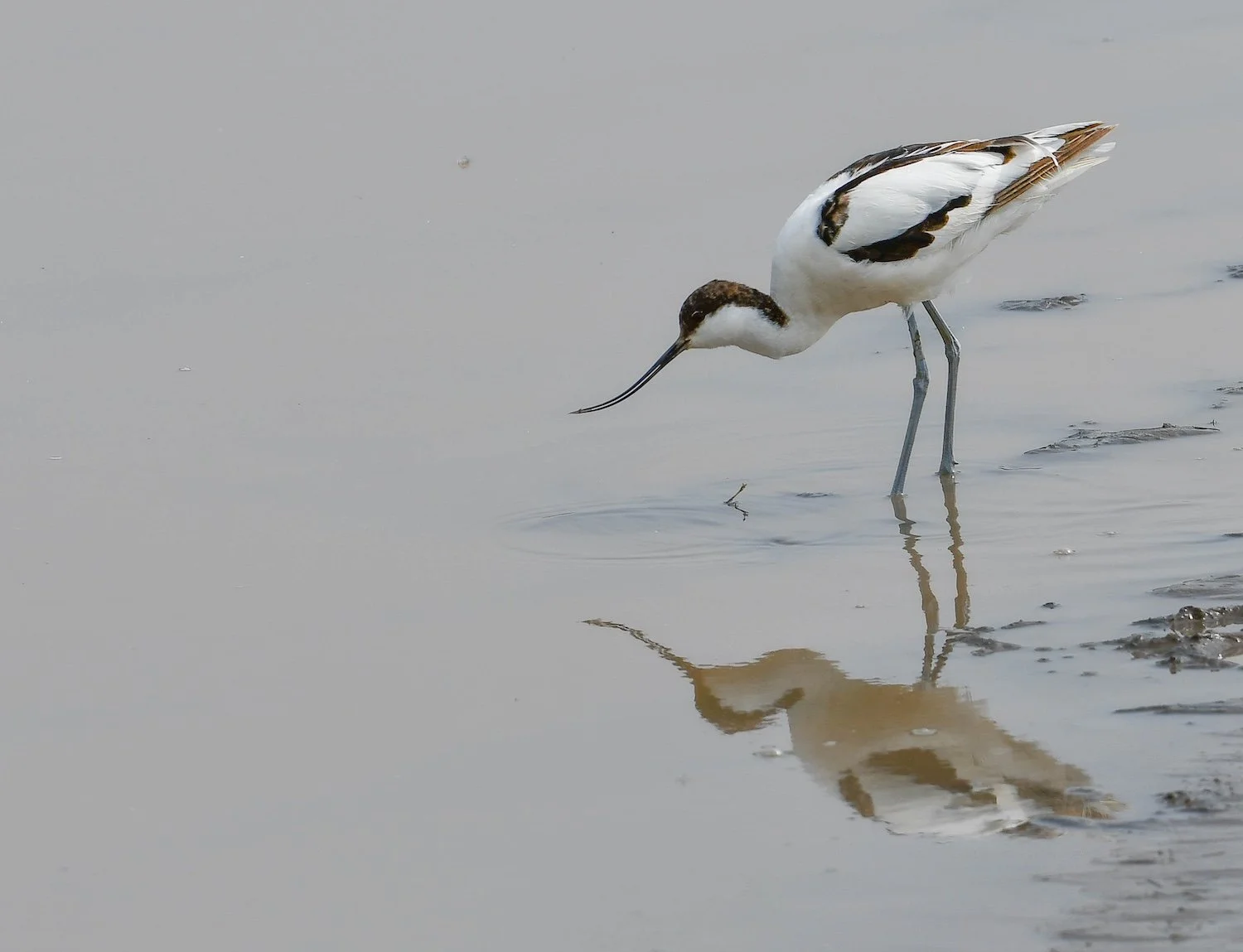
An elegant Pied Avocet foraging along the shores of Lake Magadi in the Ngorongoro Crater, Tanzania.

From Tanzania to Great Britain: The Miraculous Comeback of the Pied Avocet

It is not unusual to spot a pied avocet (Recurvirostra avosetta) foraging along the shores of Lake Magadi in Tanzania’s famous Ngorongoro Crater. With its ideal climate, this African site is a haven for both migratory waterbirds and year-round inhabitants. I was delighted to capture the image above earlier this year.

Fortunately, this striking wader can be spotted in England as well. But its presence there was not always guaranteed.

The Disappearance and Unexpected Lifeline

By 1840, the pied avocet had completely disappeared in Great Britain due to widespread wetland drainage and habitat loss.

However, an unexpected lifeline arrived during World War II. To deter a potential German invasion, coastal pastures northeast of London were purposely flooded. This military tactic accidentally created the perfect, shallow wetland habitat the birds desperately needed.

A 24-Hour Guard and the Boom at RSPB Minsmere

In 1947, a few breeding pairs migrated from the continent to the Suffolk coast. Recognizing the fragility of the moment, dedicated locals launched an intensive, 24-hour guard protection program to keep the nesting birds safe (from rats, among other egg-predators!).

By pioneering innovative habitat management techniques—such as creating artificial shallow lagoons and custom nesting islands—conservationists helped the population boom. Today, Great Britain is home to nearly 2,000 breeding pairs. The original reclaimed area, RSPB Minsmere, is a protected reserve and home to some of Englands rarest birds as well as other creatures such as otters and red deer.

A Living Symbol of Hope

The return of the avocet to England is a great wildlife comeback story. This triumph is exactly why the elegant wading bird was chosen as the official logo for the Royal Society for the Protection of Birds (RSPB). Decades later, the avocet remains a worldwide symbol of hope for global wetland conservation and habitat protection.

A pied avocet with its recurved bill graces the RSPB logo.


Founded in 1889, the Royal Society for the Protection of Birds (RSPB) is the oldest bird conservation charity in the world. Find their website here.

To learn more about the pied avocet see our post, “The Bill of the Pied Avocet.”


I am in the UK at the moment, but am headed back to Tanzania June 3-13, 2027. Lake Victoria, the Serengeti, and Ngorongoro Crater, are on our agenda as we photo-hunt big cats, small birds, and everything in-between. We are now receiving early registrations for this exclusive small-group adventure. See the link here for brochure and more information or email us at BibleLandExplorer@gmail.com.
Spackled, Spotted, and Seamless: Serengeti Cat Coats

Explore how the great cats of the savannah wear the very fabric of their environments—from the broken rosettes of the leopard to the dusty coat of the lion.

What Color are Flamingos, Really?

Discover why the flamingos of Tanzania's Ngorongoro Crater aren't just pink. Learn what is behind their spectrum of whites, pastels, and fiery corals at Lake Magadi.

The Racing Stripes of Thomson’s Gazelle

Discover the Thomson’s gazelle’s iconic racing stripes. Learn how these bold markings work as 'silent alarms' and survival tools on the savanna.

Masters of the Edge: The African Impala

Discover why the impala thrives as a permanent resident of the Ndutu region in Tanzania. Learn how this unique animal uses the Serengeti ecotone to survive.

Drop and Gorge: Inside the Vulture Feeding Frenzy

Discover how the White-backed Vulture uses its throat crop to survive a feast-and-famine lifestyle and escape dangerous feeding frenzies.

Why do Leopards Dangle So?

Discover why leopards dangle their legs while sleeping in trees. From REM sleep stability to thermal regulation, learn the survival secrets of these tree-dwelling hunters.

Why Elephants are so Bad at Hide and Seek

When an elephant wandered into camp and hid behind a tiny thorn tree, it sparked a lesson on human development. Discover why grandkids (and maybe elephants) think they're hidden if they can't see you.