Exploring Tanzania

Waking Up in Arusha: The Secret to Tanzania’s World-Class Coffee

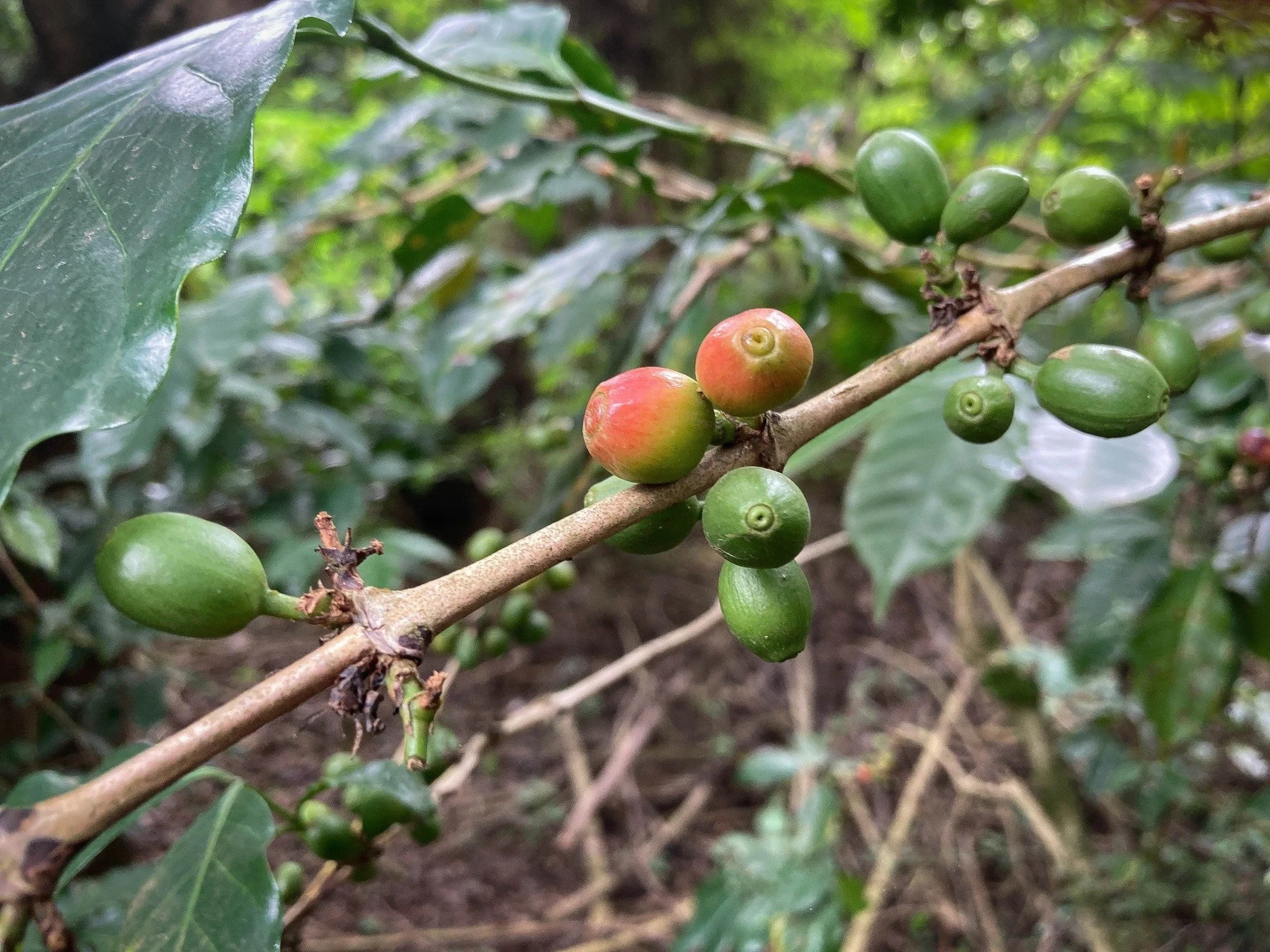
Cherries ripening on a coffee bush branch near Lake Duluti in Tanzania.

From Bean to Brew: The Secret Behind Tanzanian Coffee

There is nothing quite like the smell of fresh coffee in the morning, especially when you know exactly where it came from. In the lush highlands of Tanzania, the journey begins with these vibrant coffee cherries. When they turn a deep red and feel slightly soft to the touch, they are ripe and ready for picking.

Why Tanzania Produces World-Class Coffee

While Tanzania may not be the world’s largest coffee producer by volume, it is a global contender for best-tasting coffee. The secret lies in the geography:

  • Volcanic Soil: Our latest stop at Lake Duluti—a volcanic crater lake—showcases the nutrient-rich soil that gives the beans their complex flavor profile.

  • Ideal Elevation: The high altitudes of the Arusha region provide the perfect cool climate for slow-ripening beans.

  • The Perfect Climate: A balance of tropical sun and seasonal rains ensures the cherries develop that signature acidity and sweetness.

A Key to the Local Economy

Coffee isn't just a morning ritual here; it is a vital agricultural pillar for Tanzania. Small-scale farmers work tirelessly to harvest these beans, ensuring that every cup you drink supports local communities and sustainable farming practices.

Mmmmmmm. Good morning! There’s nothing like sipping a fresh brew while looking out over the very fields where it was grown.
Redefining the Spotted Hyena: Nature’s Misunderstood Genius

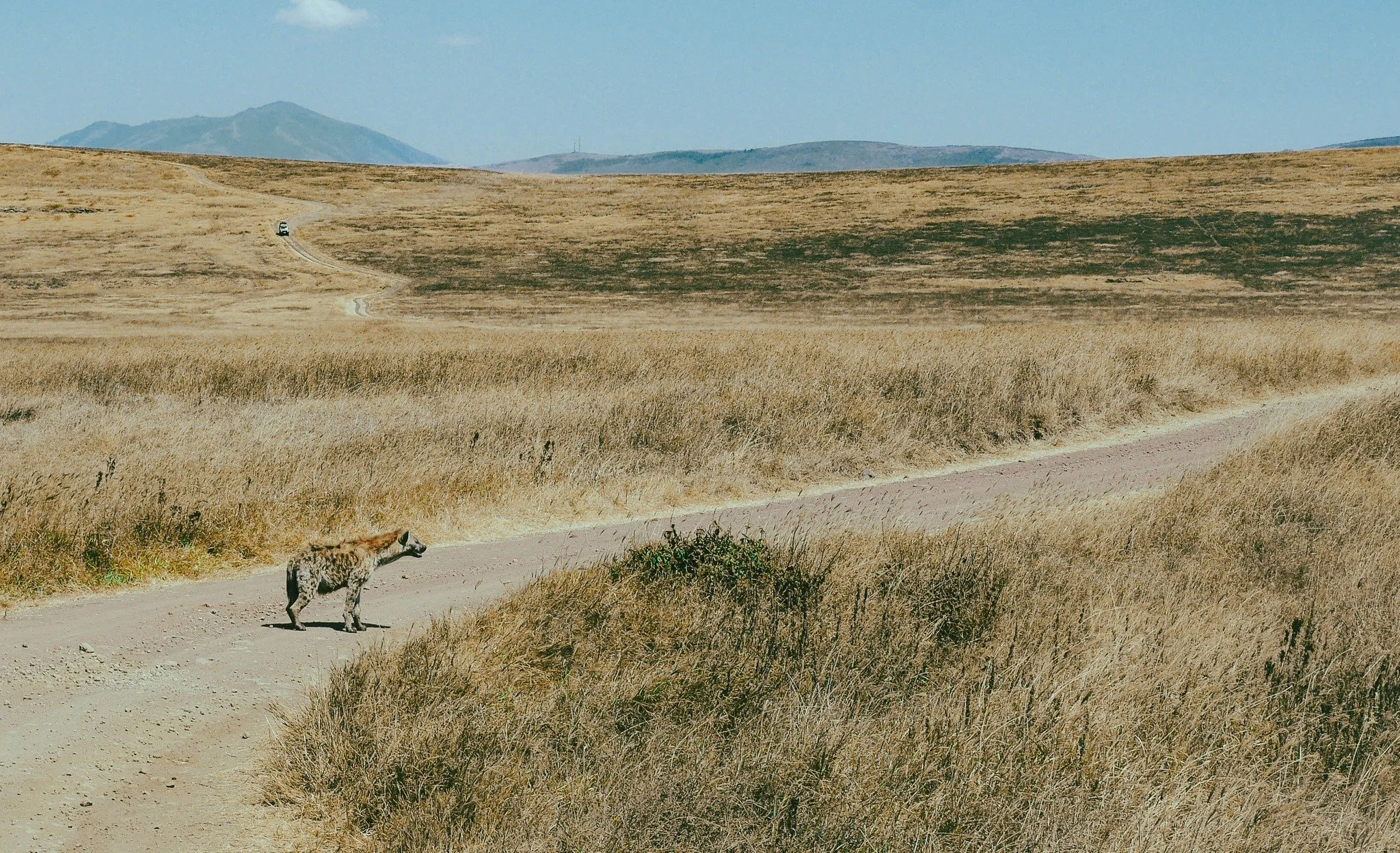
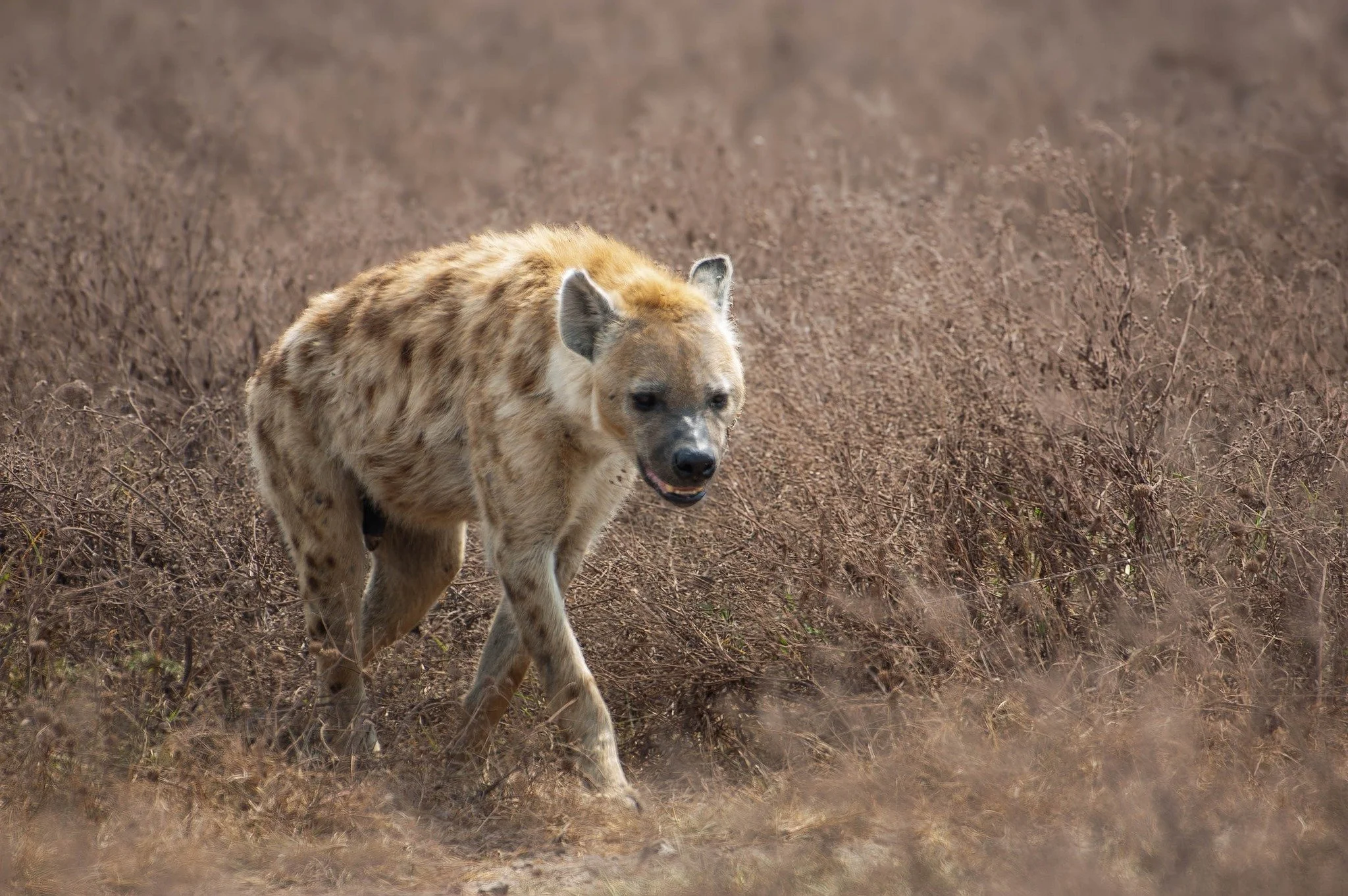
A spotted hyena in Ngorongoro crater, showcasing its unique features and powerful build.

The more I learn about the Spotted Hyena (Crocuta crocuta), the more I appreciate this ingenious animal. Far too often, they are cast as the “villains” of the savanna, but the reality is much more fascinating.

Myth vs. Reality

We’ve all seen the movies where hyenas are presented as greedy, stupid, or even “criminal.” It’s time to look past the Hollywood tropes and see the handiwork of our Creator in these remarkable creatures.

  • More Than Scavengers: While they are famous for scavenging, spotted hyenas are actually highly skilled apex predators that hunt the majority of their own food.

  • The “Laugh” is a Language: That famous “laugh” or “fuss” isn't a joke—it’s part of a highly complex system of vocal communications used to coordinate the clan.

  • Neither Dog nor Cat: They might look like ugly dogs or small bears, but hyenas are in a biological category of their own (Hyaenidae), more closely related to mongooses and civets than to canines.

The Einstein of the Savanna?

Recent studies have turned the scientific world on its head regarding hyena intelligence. Research suggests that spotted hyenas:

  • Are incredibly creative problem solvers.

  • Exhibit social cooperation and teamwork skills that, in some tests, outperform chimpanzees.

  • Live in highly organized "clans" with complex social hierarchies.

A Beautiful Design

The next time you see a hyena on a safari or in a documentary, remember that you aren't looking at a lowly scavenger. You are looking at a brilliant, social, and essential part of the African ecosystem.

God doesn't make mistakes—and the spotted hyena is a testament to the diversity and intelligence woven into the natural world.

To learn more about the Spotted hyena, see our post, Ngorongoro's Matriarchs: The Secret Society of Spotted Hyenas

Mt Kilimanjaro: The Roof of Africa

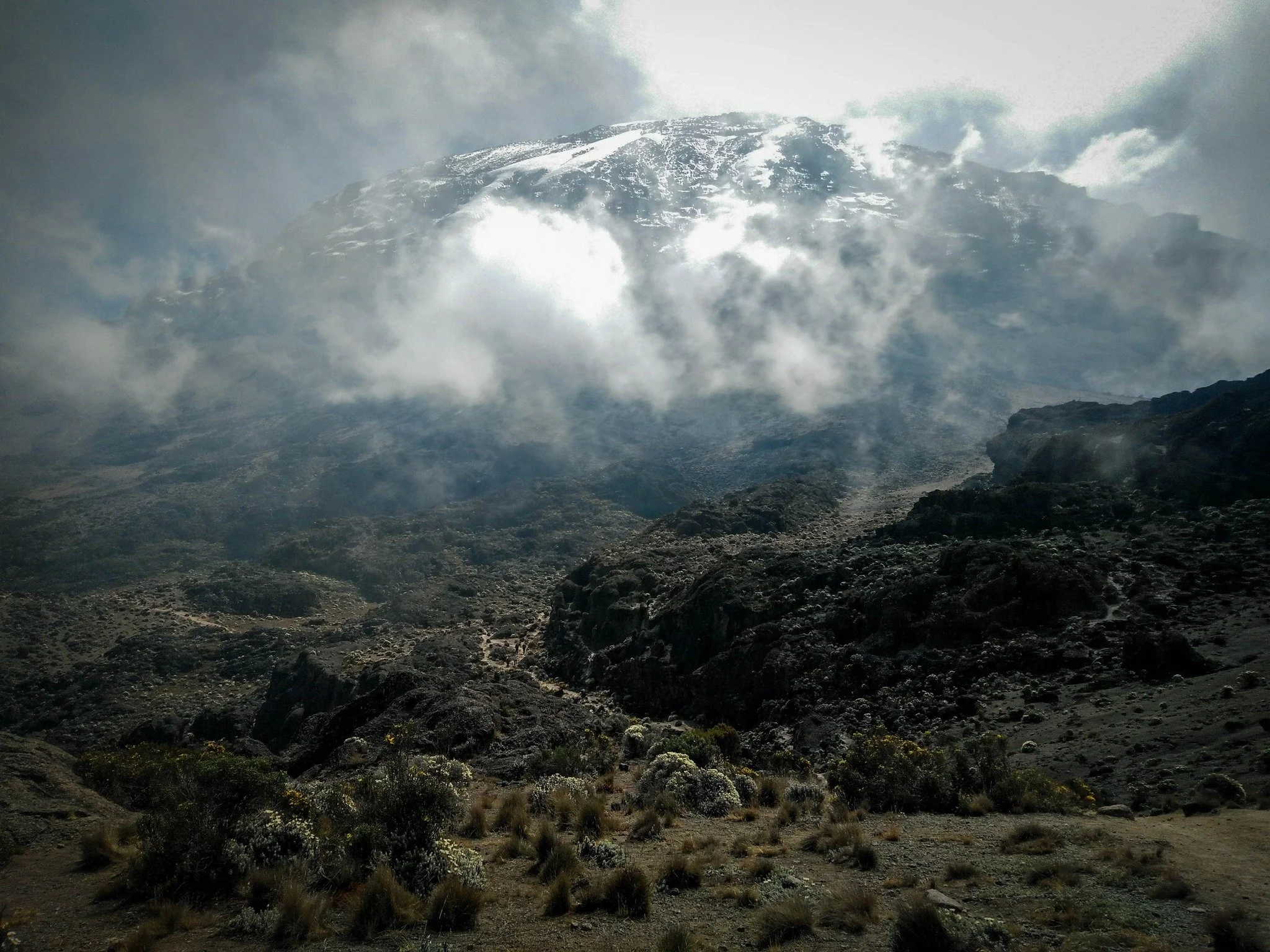
Need a little mid-week inspiration? How about a trail view to the Roof of Africa to brighten your Thursday?

Standing an imposing 19,341 feet above sea level, Mount Kilimanjaro is the highest peak on the African continent and one of the world’s famed Seven Summits. This dormant stratovolcano dominates the Tanzanian skyline, offering a silhouette that has captured the imagination of explorers for centuries.

A Peak for the Persistent

Despite its intimidating appearance, Kilimanjaro holds a secret: it is not a technical climb. You don’t need ice axes or ropes to reach the summit. In fact, it can be scaled by any hiker in good physical shape with a healthy dose of mental toughness. It’s a “trekker’s mountain,” making it one of the most accessible high-altitude peaks on the planet.

A Journey Through the Biomes

Part of what makes the Kilimanjaro experience so special is the sheer variety of environments you encounter. Climbing the mountain is like walking from the Equator to the North Pole in just a few days. You’ll trek through five distinct biomes:

  • Cultivation & Rainforest: Your journey begins in sweltering, lush tropical forests.

  • Heath & Moorland: The trees thin out into giant lobelias and shrubs.

  • Alpine Desert: A stark, lunar-like landscape.

  • The Arctic Summit: The final push ends in a frozen alpine zone of glaciers and scree.

Pro Tip: Layer Up!

If there’s one lesson every Kili climber learns, it’s this: Bring your woolies, but wait to put them on! You’ll start your hike in shorts and a t-shirt, but you’ll finish in heavy down gear.

Whether you're dreaming of standing on the summit or just admiring the view from the savanna below, Kilimanjaro is a powerful reminder of the diverse beauty found in the heart of Africa.

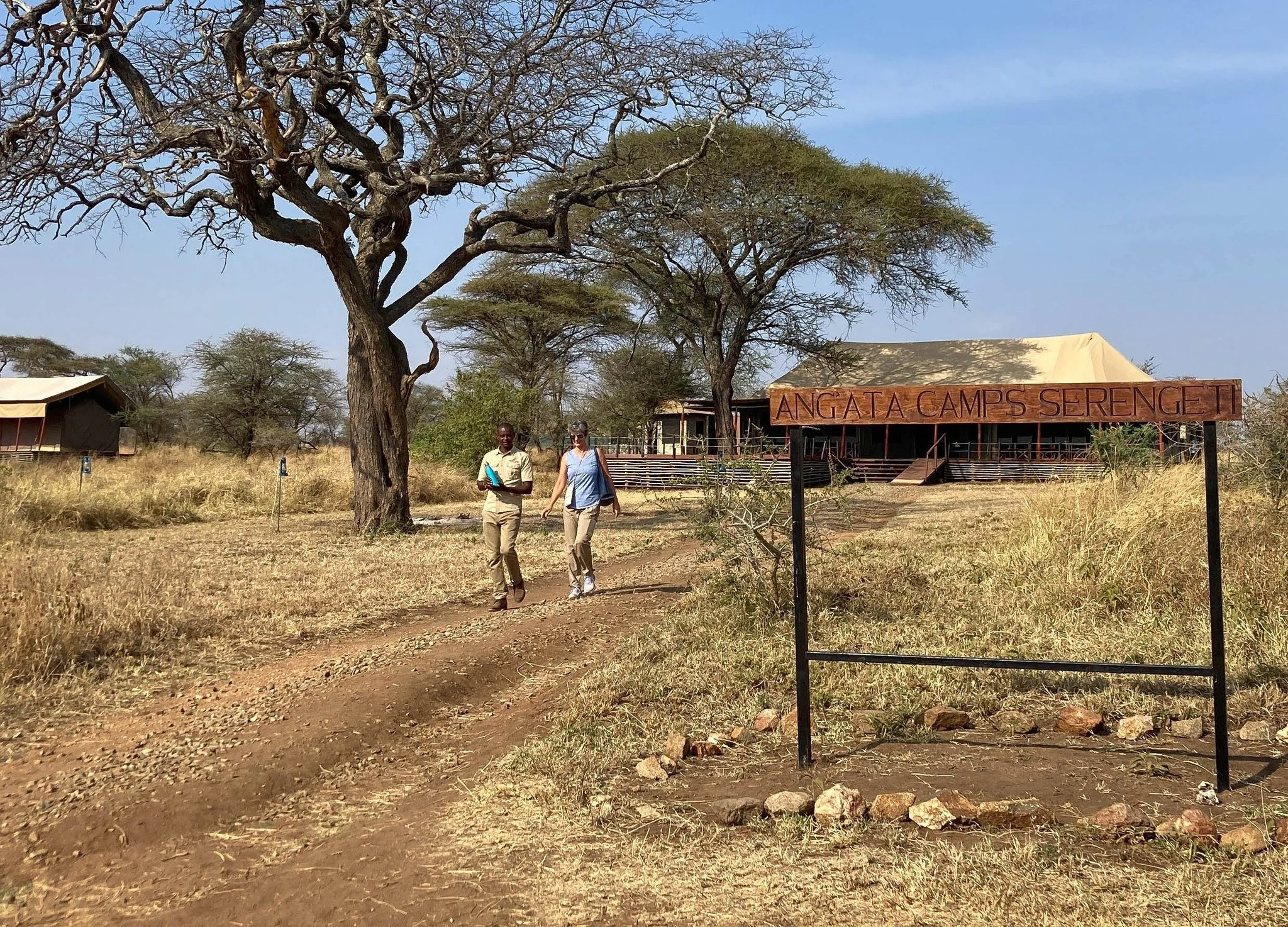
Luxury Lodging Meets Untamed Nature: Ang'ata Bush Camps

Bush camps like Ang'ata aren't just lodging; they are your front-row seat to the wild. Don't let the environment fool you—behind the canvas beats 5-star heart.

Imagine returning from a dusty game drive to a hot shower, a three-course meal that rivals any city restaurant, and "Bush TV" (our nightly campfire) under a sky so clear the Milky Way feels within reach.

While our 2025 and 2026 excursions are fully booked, we are preparing for 2027. Email us here for details. Come experience the Serengeti exactly as it was intended.

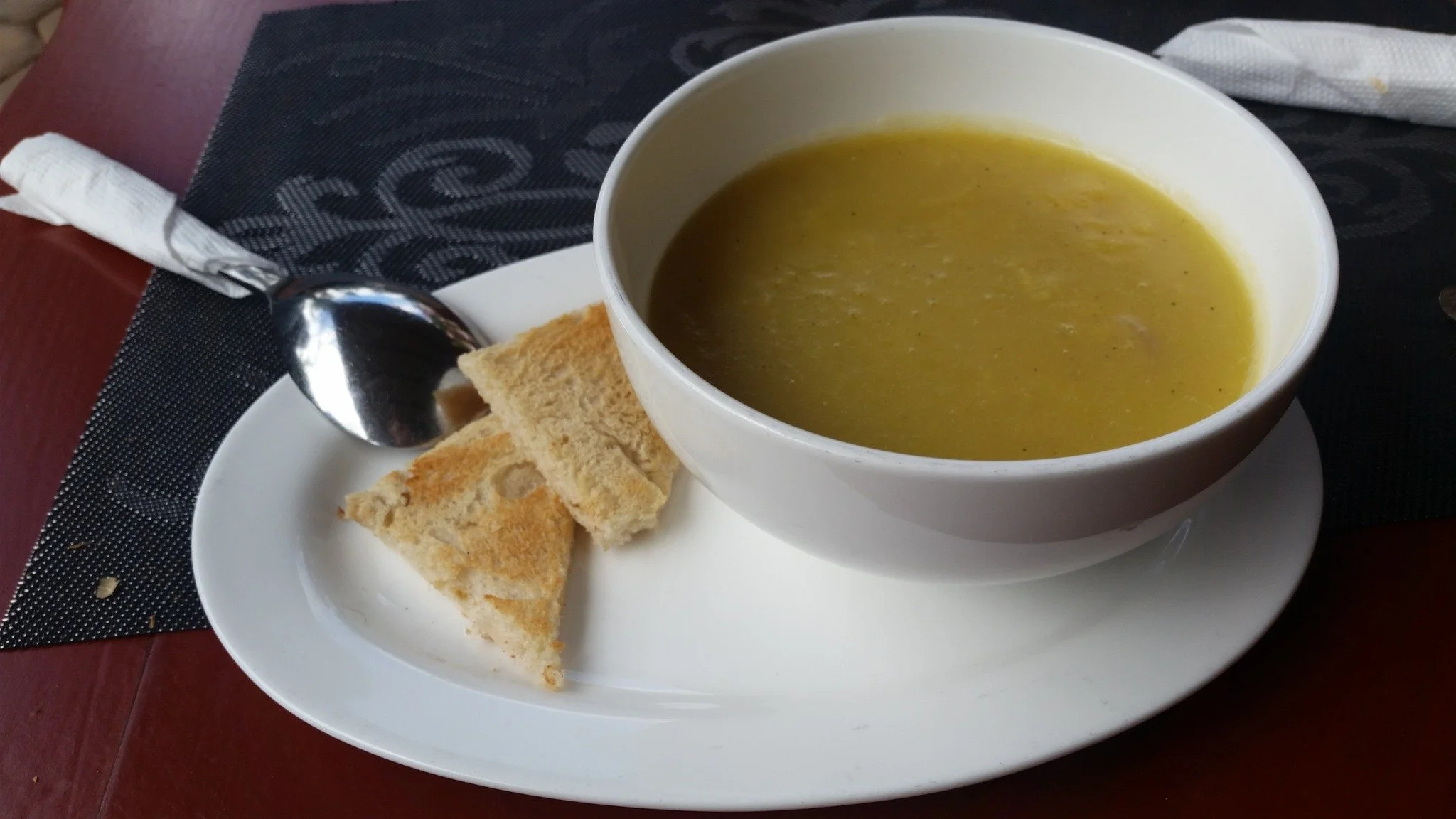
Mtori: The Savory Tanzanian Banana Soup You Need to Try

A bowl of creamy Tanzanian Mtori soup made with mashed green bananas and beef

In Tanzania, banana soup—traditionally known as Mtori—is a savory, creamy staple that often surprises travelers expecting a sweet dessert. Originating from the Chagga people in the Kilimanjaro region, this hearty dish is made with starchy green bananas (matoke) rather than the sweet yellow variety.

It's a shame that you have to go all the way to East Africa to find a bowl. Anybody know a more local place? Anybody have a good recepe?

Maasai Shuka: The African Blanket and Cultural Identity

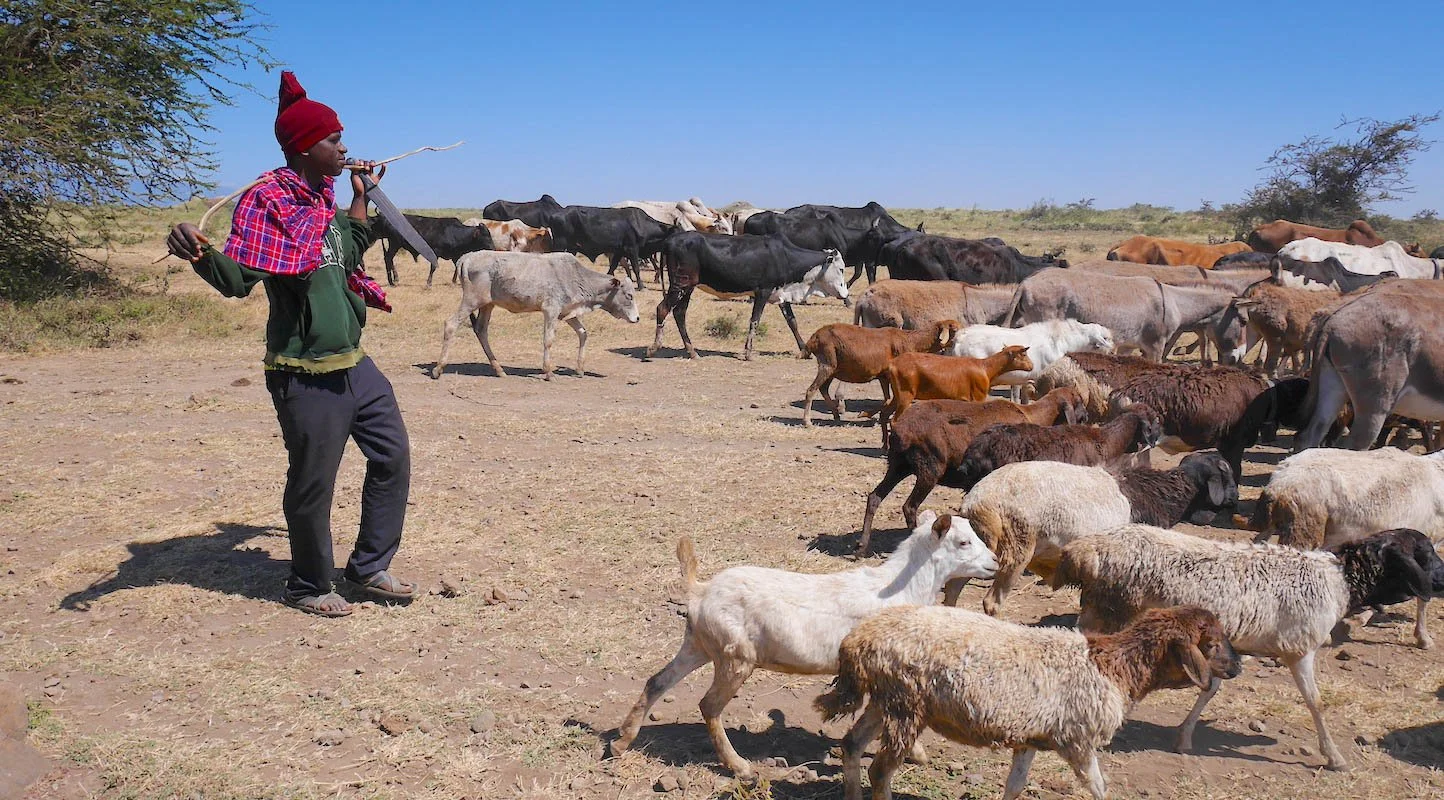
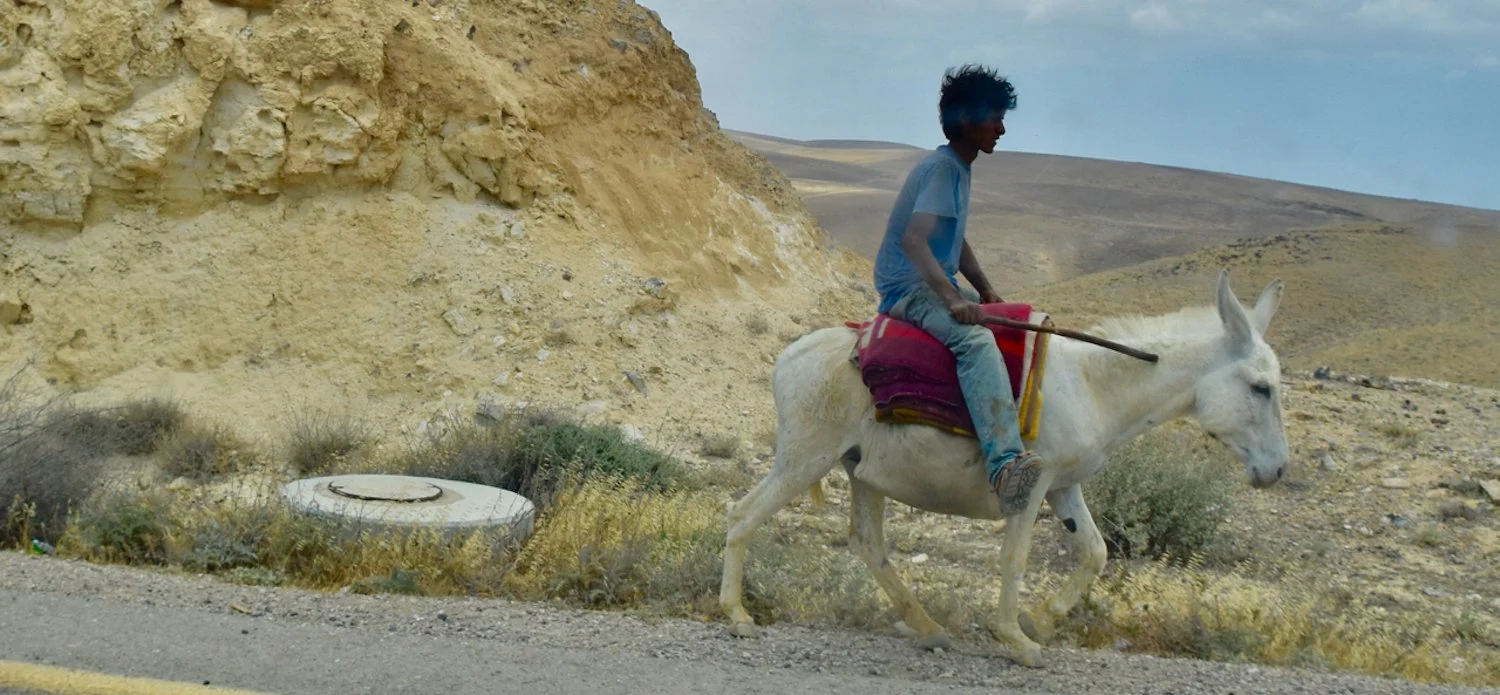
Maasai herder near Arusha wearing a traditional red and blue plaid Shuka cloth.

The vibrant plaid you see on the herder's shoulders isn't just a wrap—it’s the Maasai Shuka. Known as the “African blanket,” this durable cloth is a powerful symbol of identity for the Maasai people. Usually found in bold reds to symbolize power or blues to represent the sky, it is as functional for warmth on the plains as it is striking to the eye.

Fun Fact: While the Shuka is globally recognized as Maasai, it is widely believed that the plaid patterns were originally influenced by Scottish missionaries during the colonial era, which the Maasai then adopted and made uniquely their own!

I captured this image on our way to our first Kilimanjaro climb. Now, as we prepare for Zanzibar, I’m reminded of how every corner of this country tells a different story.

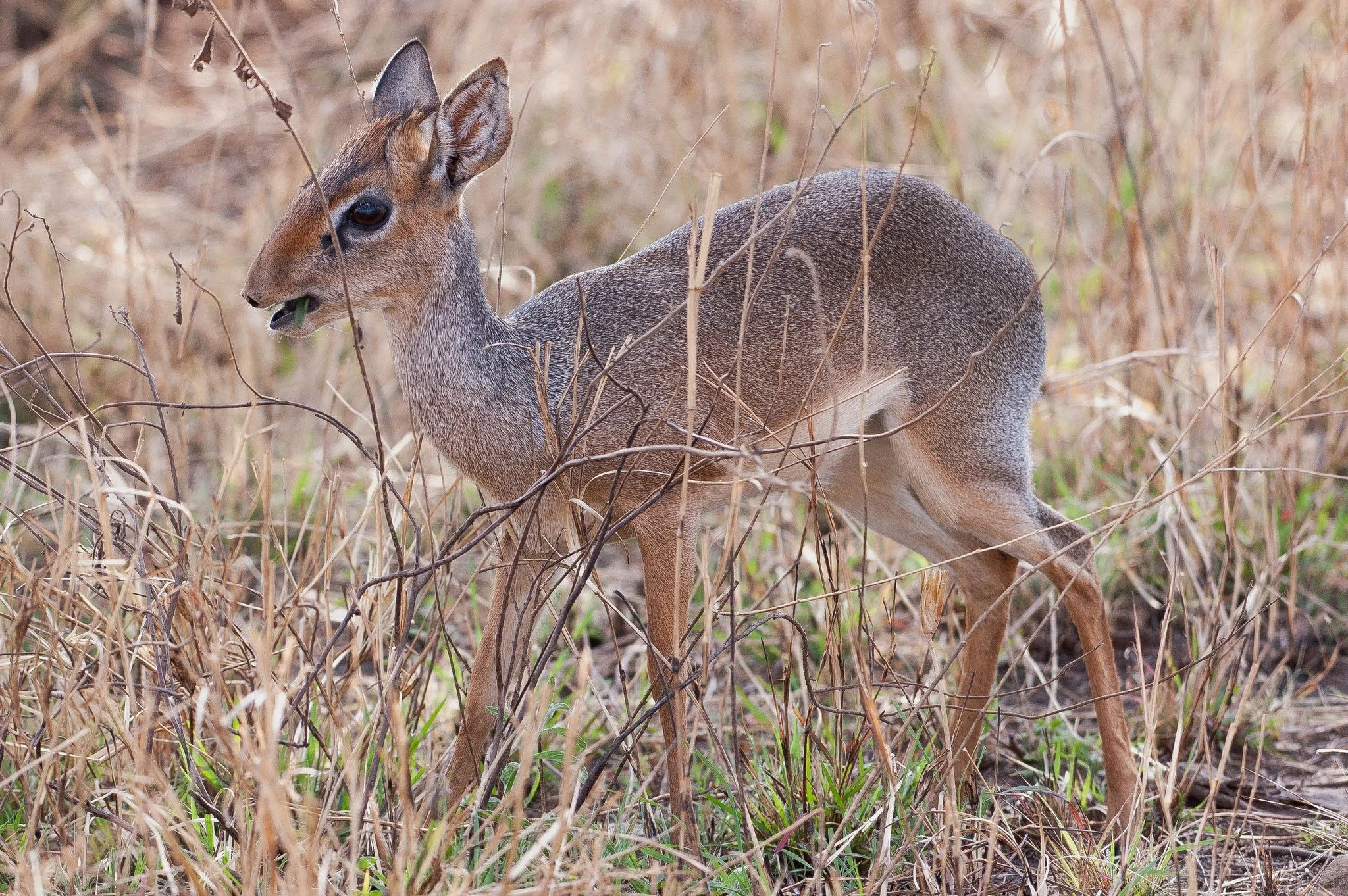
Kirk's dik-dik

A Kirk’s dik-dik standing in the grass of the Tanzanian Serengeti showcases its unique snout.

Would you believe this little guy is only 12 inches tall?

Meet the Kirk’s dik-dik (Madoqua kirkii), one of the smallest antelopes in the Serengeti. Don’t let their size fool you; they are perfectly engineered for the heat. They use a long, tubular snout to pump blood and cool their bodies through “nasal panting.”

Fun Fact: That same snout acts as a built-in whistle! When they’re startled, they make a shrill "dik-dik" sound to warn others, which is exactly how they got their name.

I captured the image of this tiny marvel in the Serengeti. It’s a beautiful reminder of the incredible detail found in Creation.

Lion King?

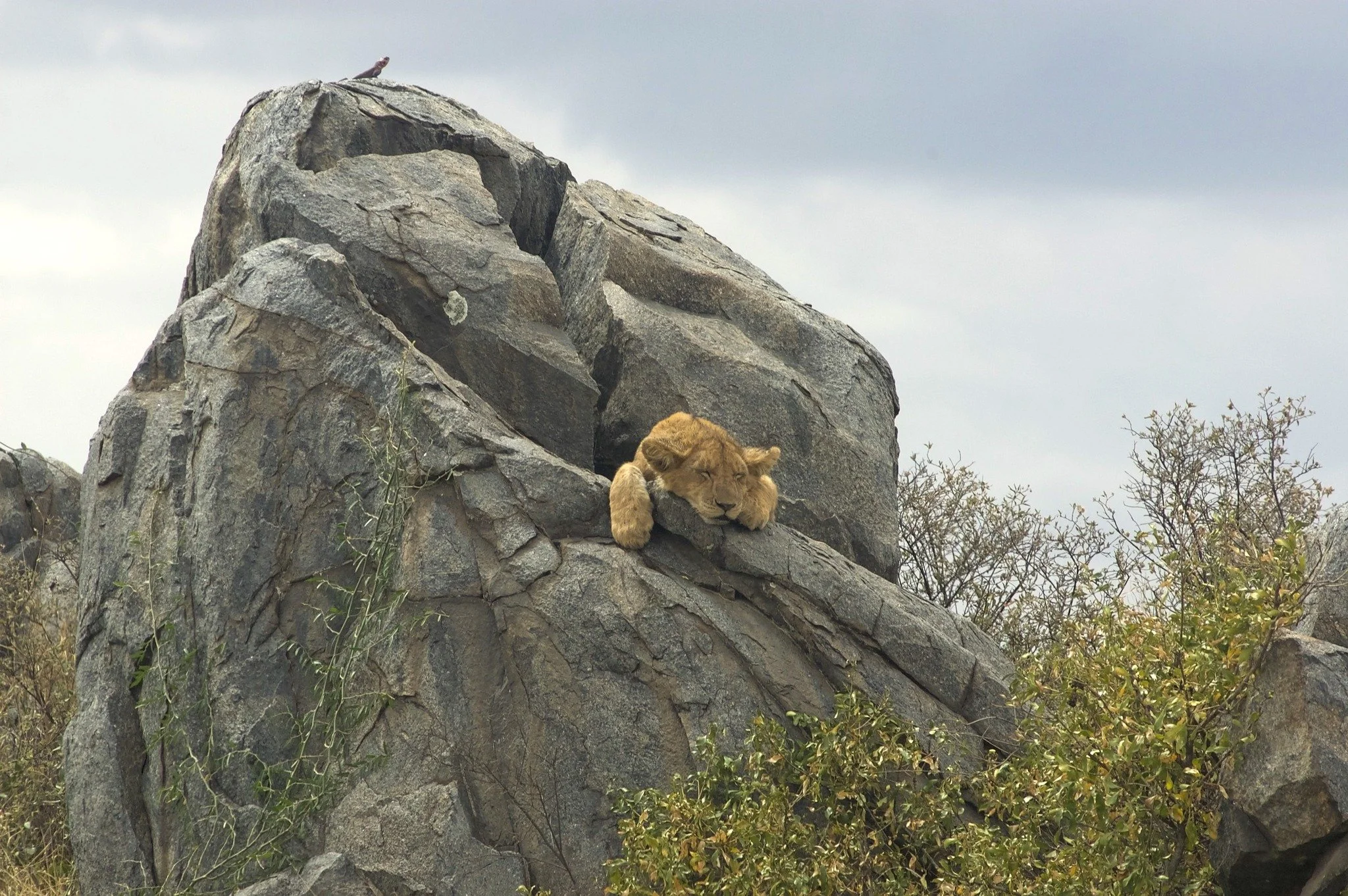
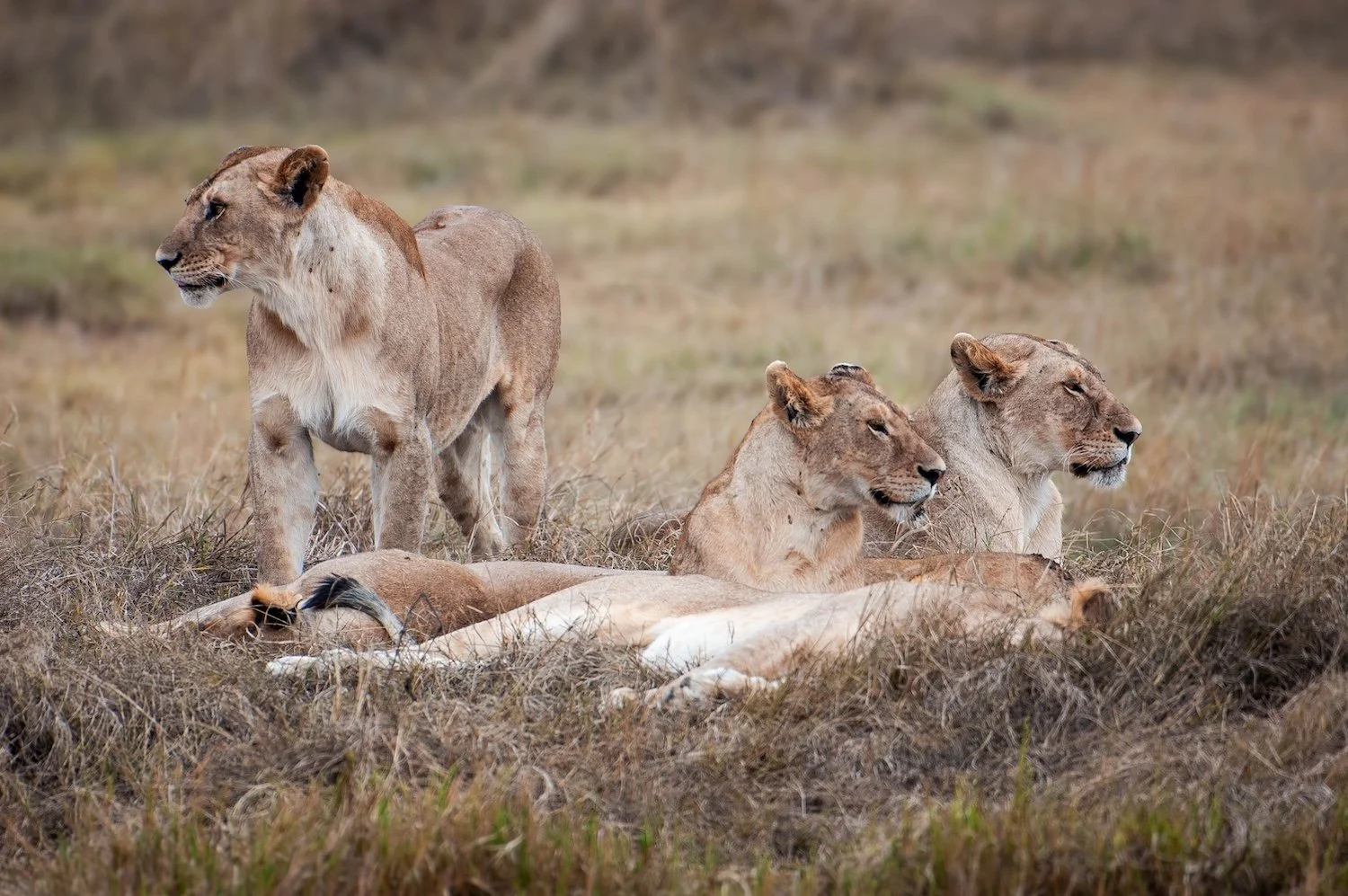
Young lion sleeping on a kopje. The kopje on the Serengeti is a hill that rises sharply from the surrounding plain. Made of granite, the kopje is a geological relic. The softer volcanic soil has eroded away, leaving this "basement" rock standing tall. Kopjes function as islands of life.

Disney's Lion King portrays the presentation of baby Simba from the ledge of a kopje.

If kopjes and lions tickle your imagination, you need to join us on safari in 2026.

Faster than the Indy Pit

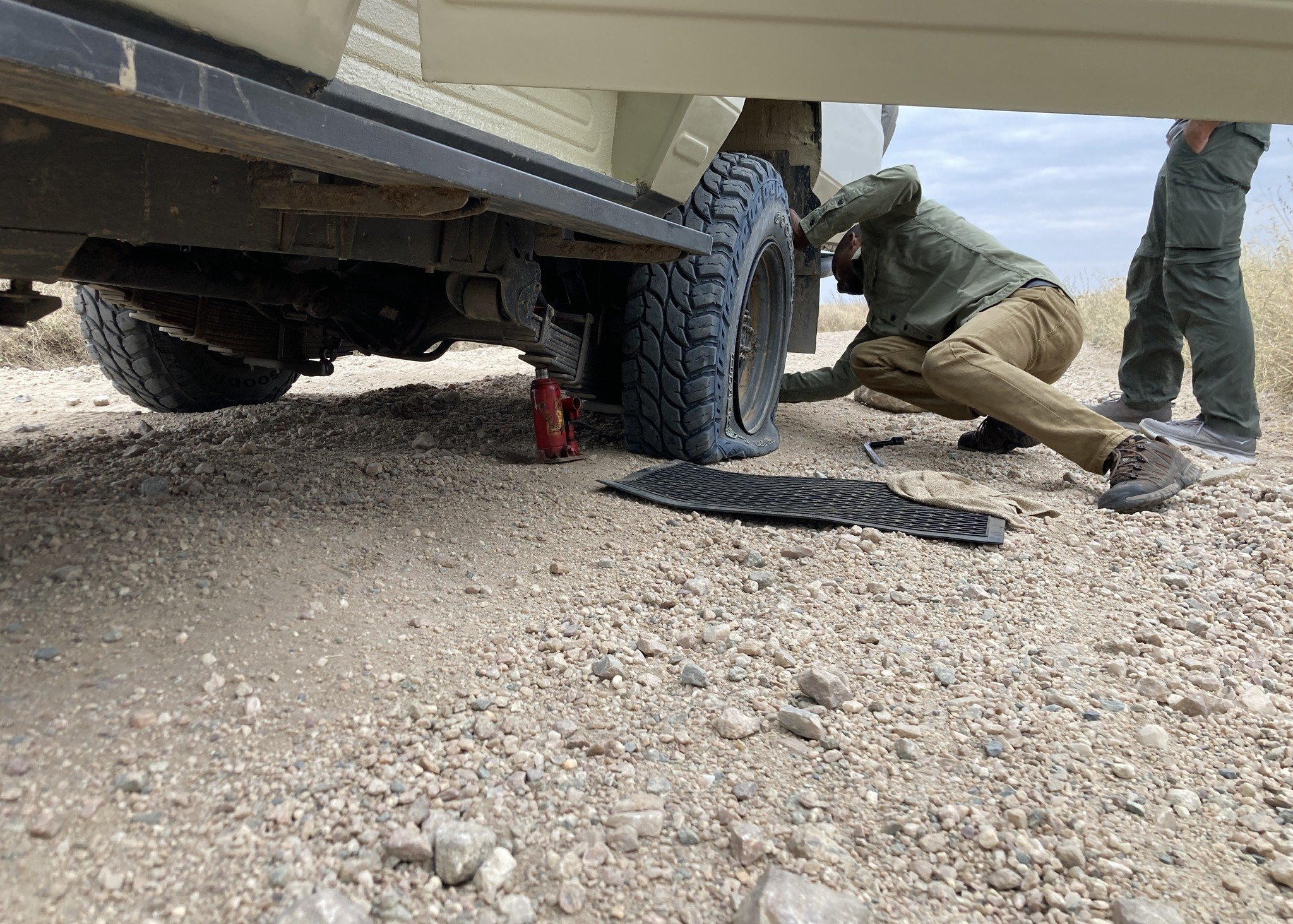
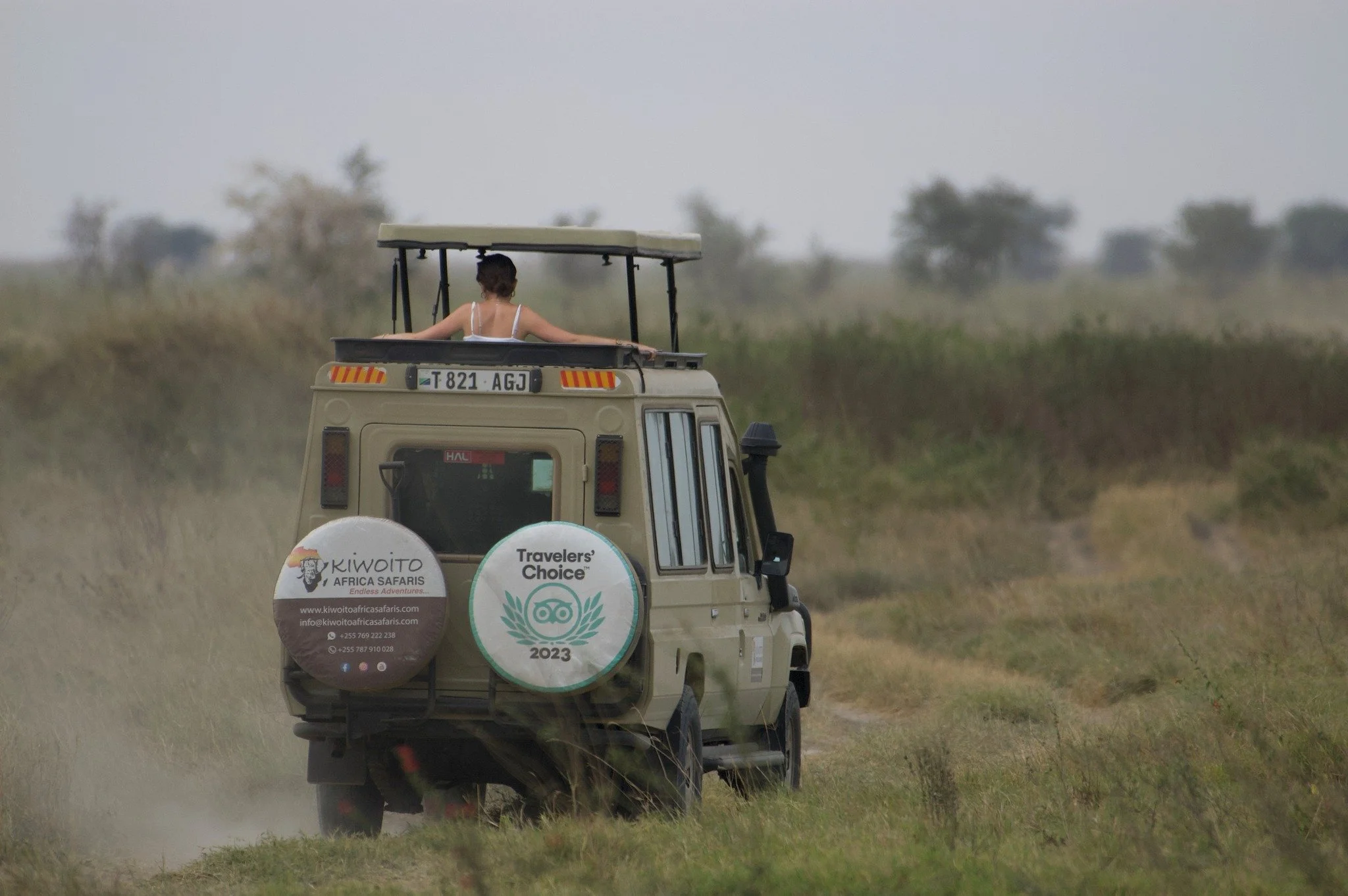
There are few things as invigorating as fixing a flat tire with lions nearby. Ellie nimbly replaces the wheel while Steve keeps an eye on a group of females and cubs (about 20 meters away). I'm just picture taking. All of us are a twitch away from jumping back into the rig!

Insert a little vigor into your life and watch for lions in the last great wild place on earth: the African Serengeti. We have 4x4 seats waiting for you next February (birthing season in the grasslands).

Since you appear to be into grease and dirt, check out this sweet rig here.

Super Drumsticks

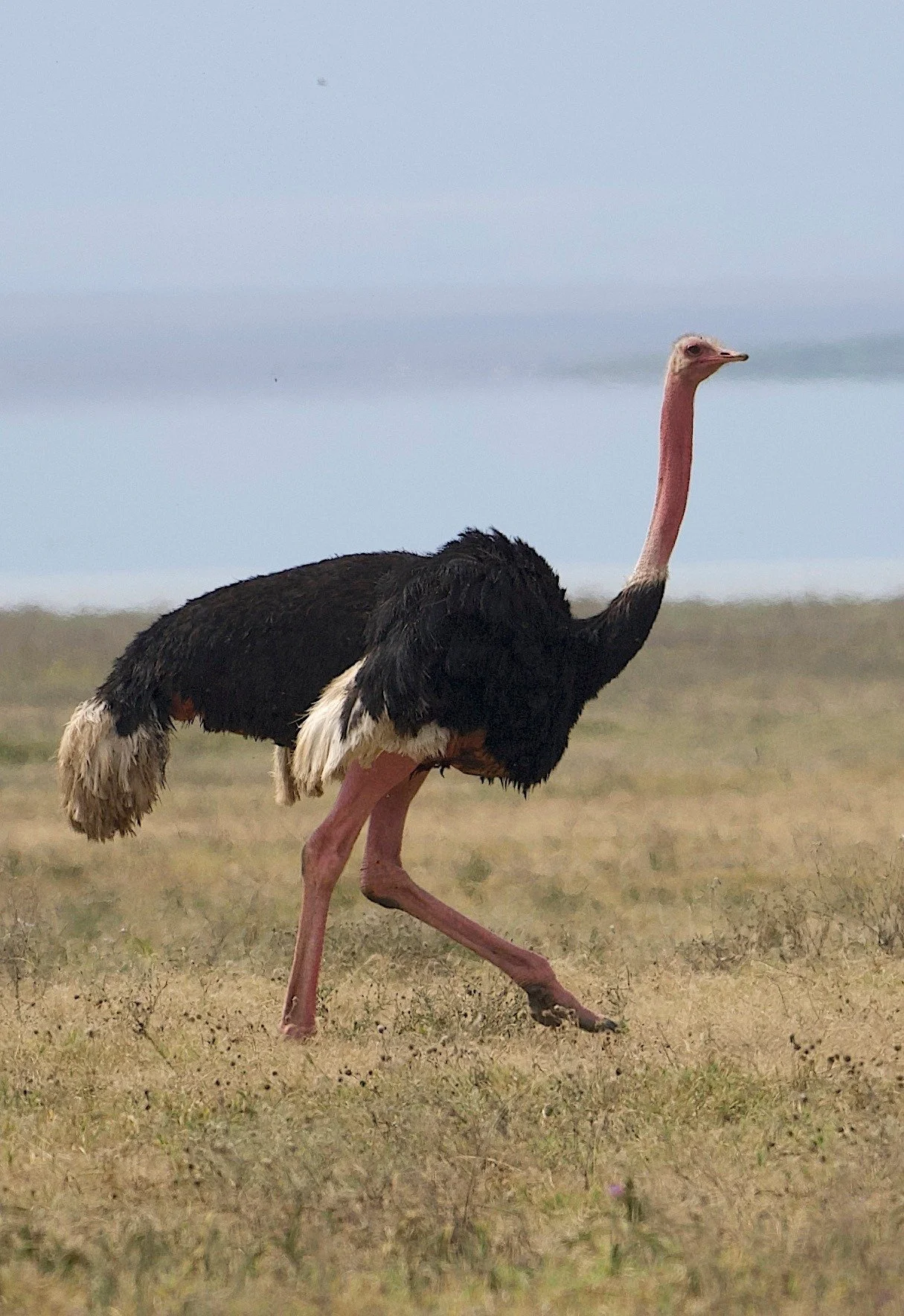
Did you know that an ostrich can sprint at speeds beyond 40 miles an hour and can kill a cheetah with just one kick. On the end of each foot are two toes, armed with sharp 4-inch claws.

I photographed this male in the Ngorongoro Crater, Tanzania.

Our 2026 African safaris are full, but will be opening seats for 2027 soon. Stay tuned.

Very Good

"God eyed all that he had made and (just look!) it was very good" (Gen 1:31). Everyday is Earth Day for those who take this statement seriously. Believers have reason to be the greenest people on the planet.

Come to Tanzania. See the goodness and consider creation care with new eyes. Find details in the comments below.

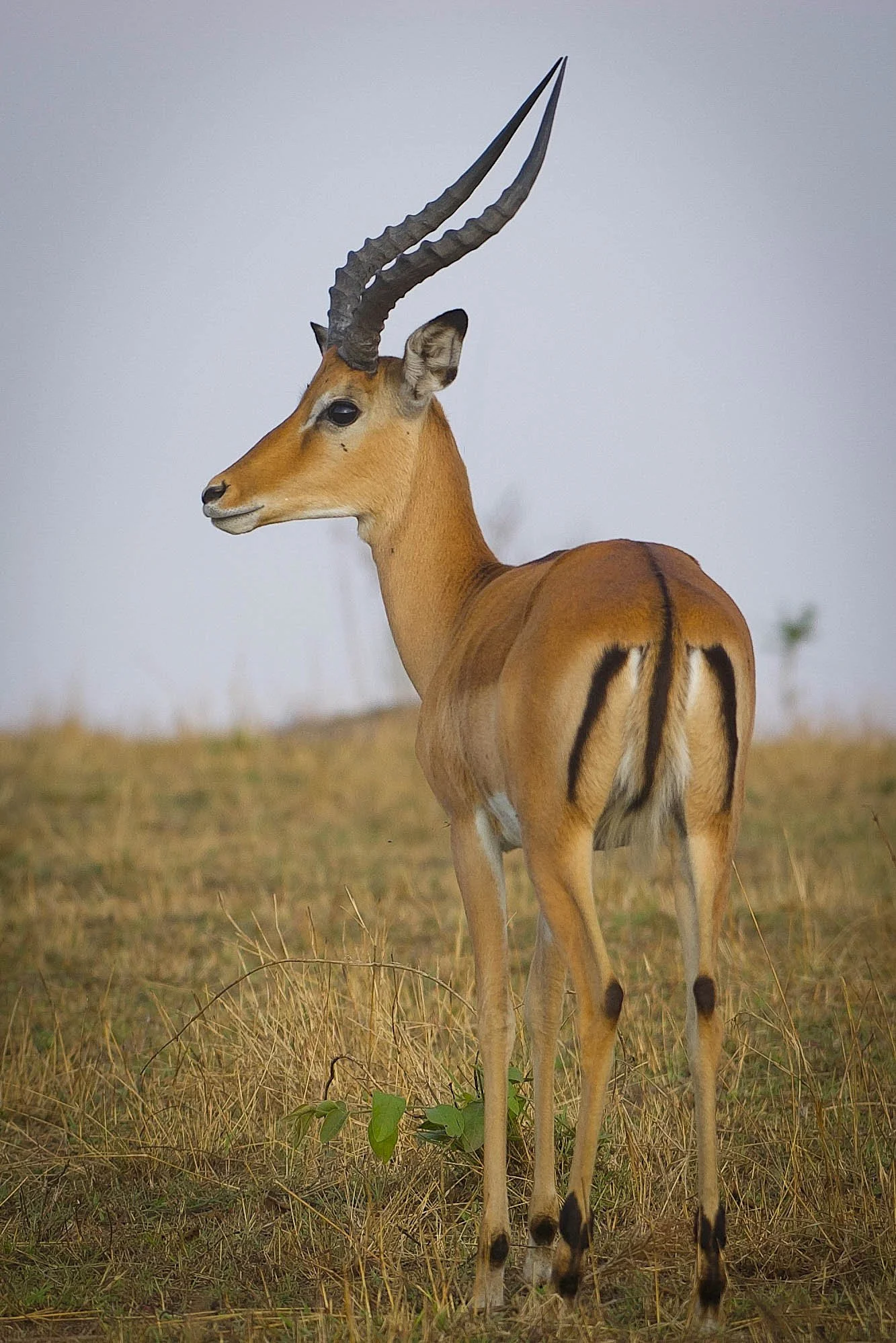
Pictured is the Common Impala (Aepyceros melampus), a graceful mid-sized antelope found in the Serengeti.

Bush Team Excellent

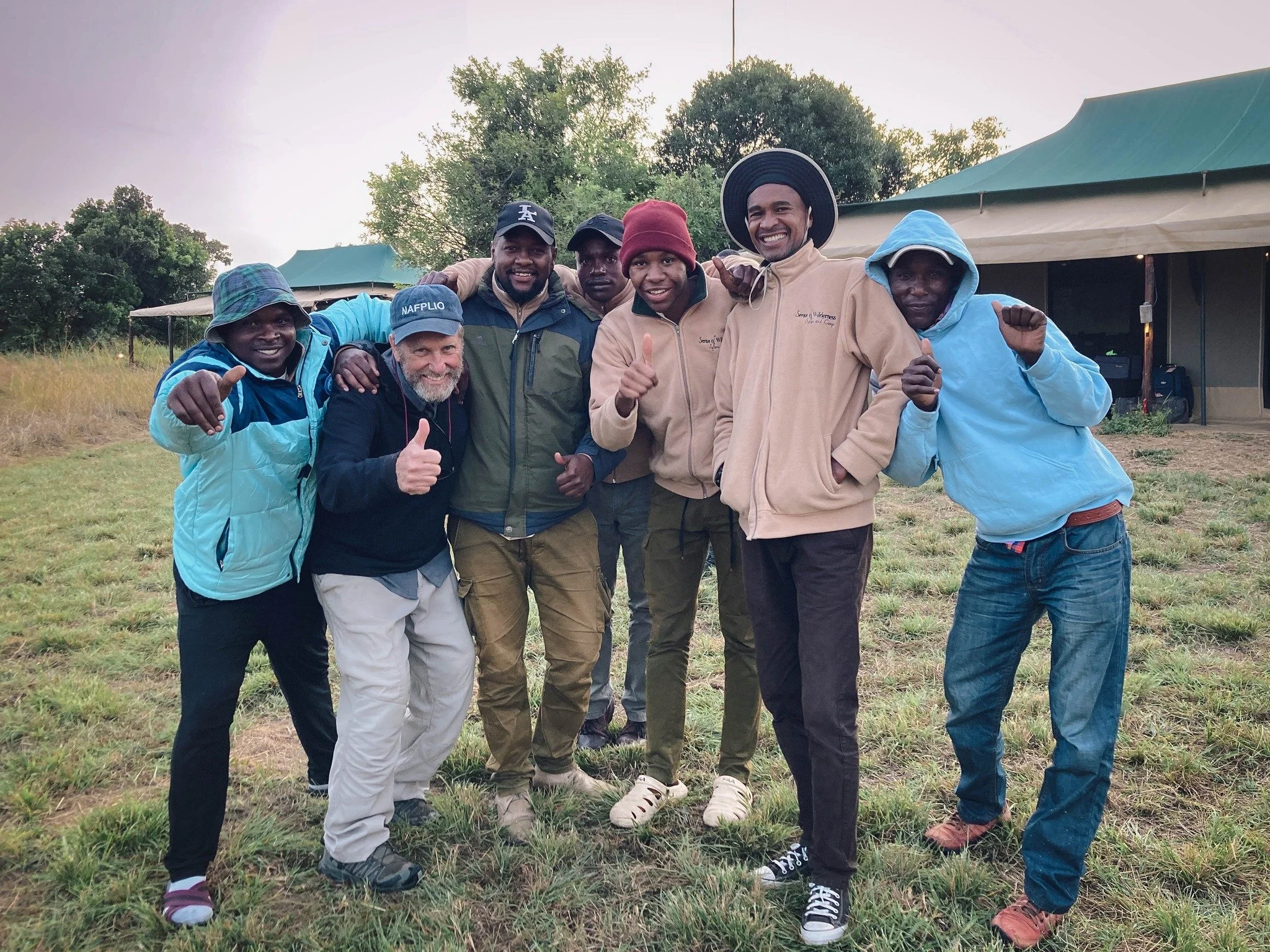
I am never disappointed by the kind service, commitment to excellence, and tireless energy on display in our tent camps. The staff at the Pure Migration Camp in a remote corner of the Serengeti is a perfect example. These good men transform tent camping in the wilderness into a luxury experience.

Our next Tanzanian safari with open seats is scheduled for February 18-27, 2026.

Monkey with an Alarm System

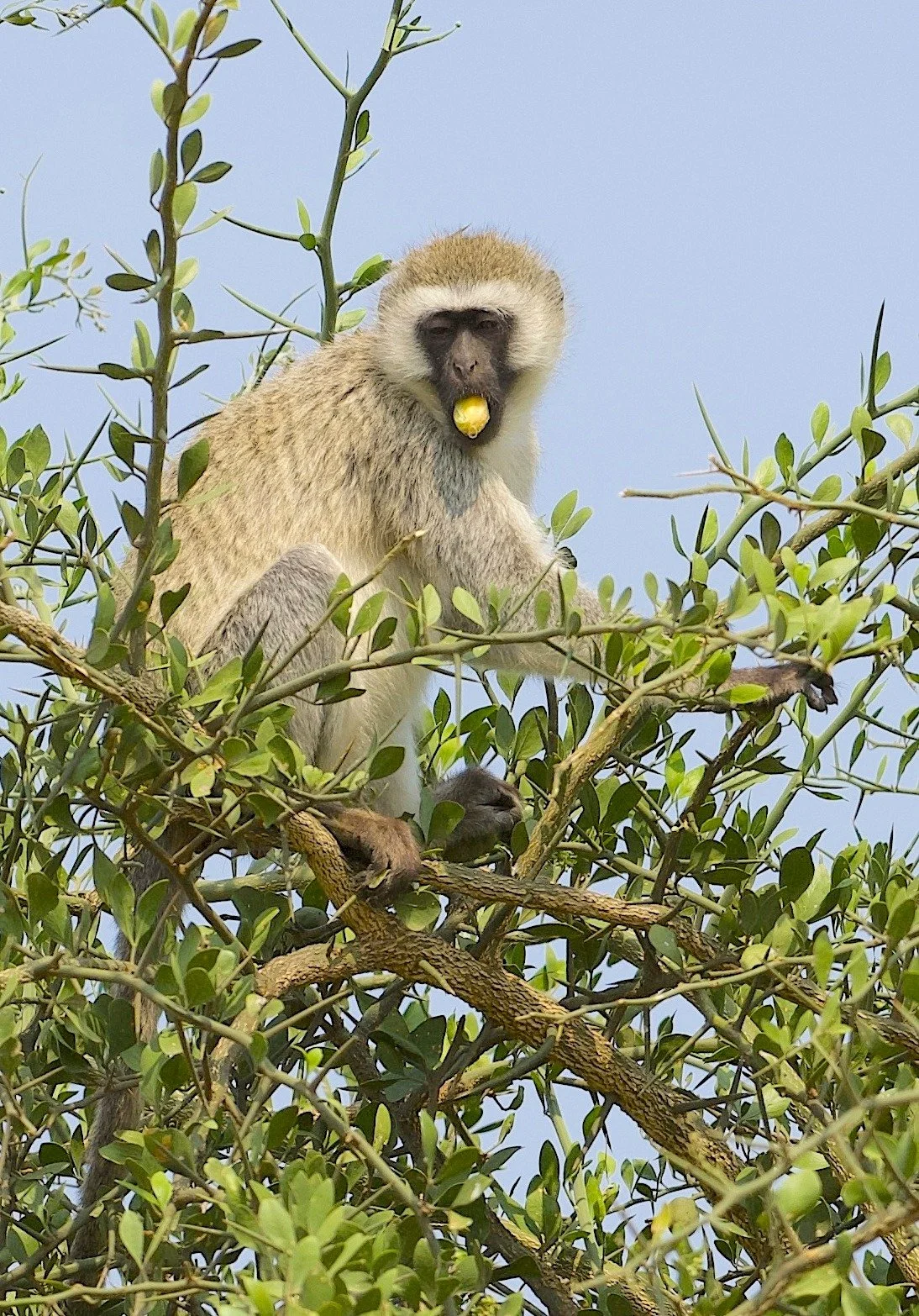
Vervet monkeys (Chlorocebus pygerythrus) live in noisy groups. They grunt, chatter, squeak, and scream. These noises have been studied by biologists with surprising results.

Vervets have specific alarm screams that initiate different group responses. For example, one type of scream suggests the presence of a predator like a leopard. When issued, the group responds by scurrying into the smallest branches (outermost parts) of a tree. A second type of scream suggests danger from the air (like an eagle). The group responds by either scurrying to the innermost parts of the tree or diving into a bush. A third type of scream suggests a snake. The group stands up high on their hind legs and scans the ground.

These are just three examples. Get ready for this: Vervets have at least 30 unique alarm screams.

This vervet didn’t seem too perturbed by my presence. Or maybe he was too busy enjoying a star fruit to scream.

Mongoose Buffet

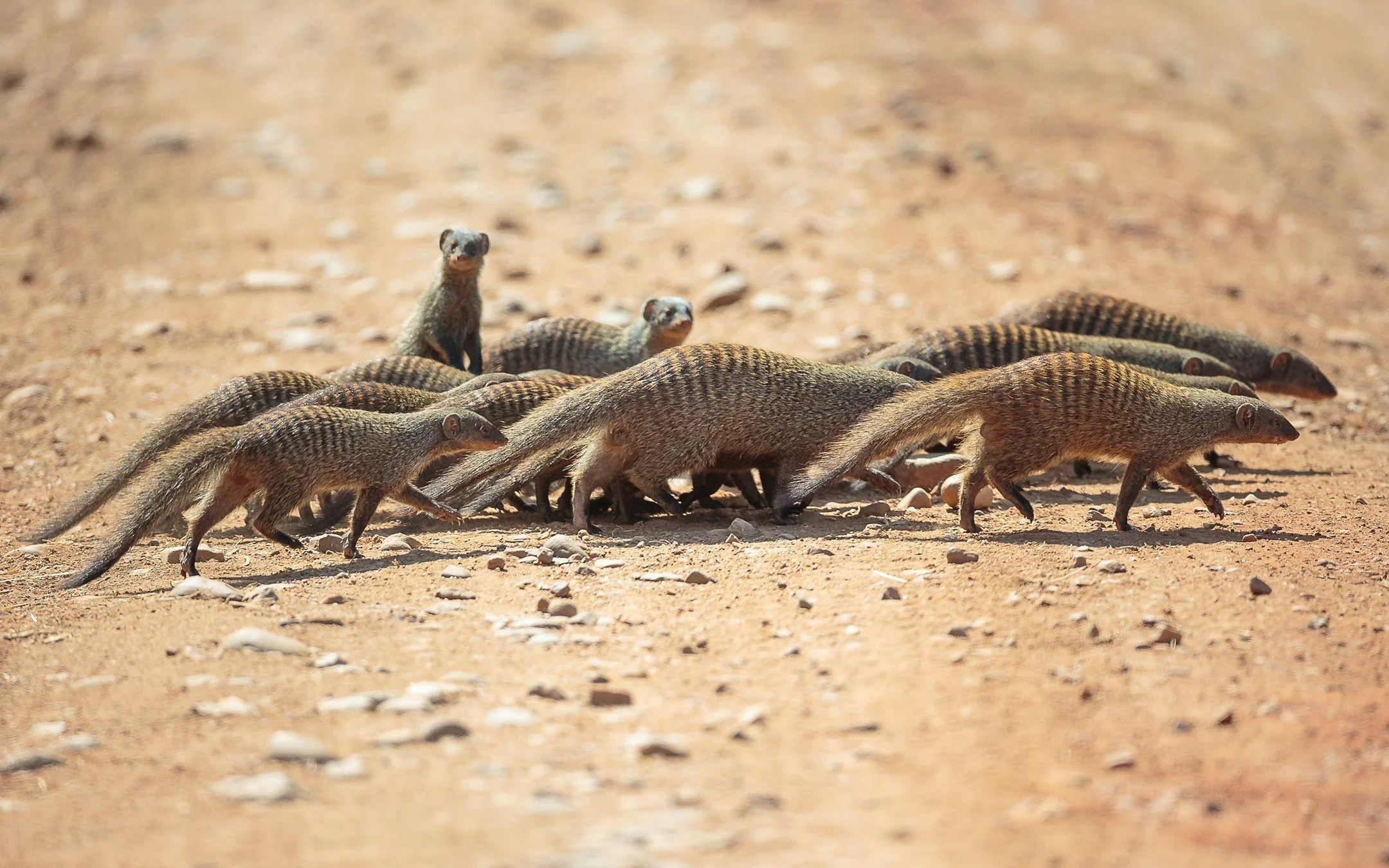
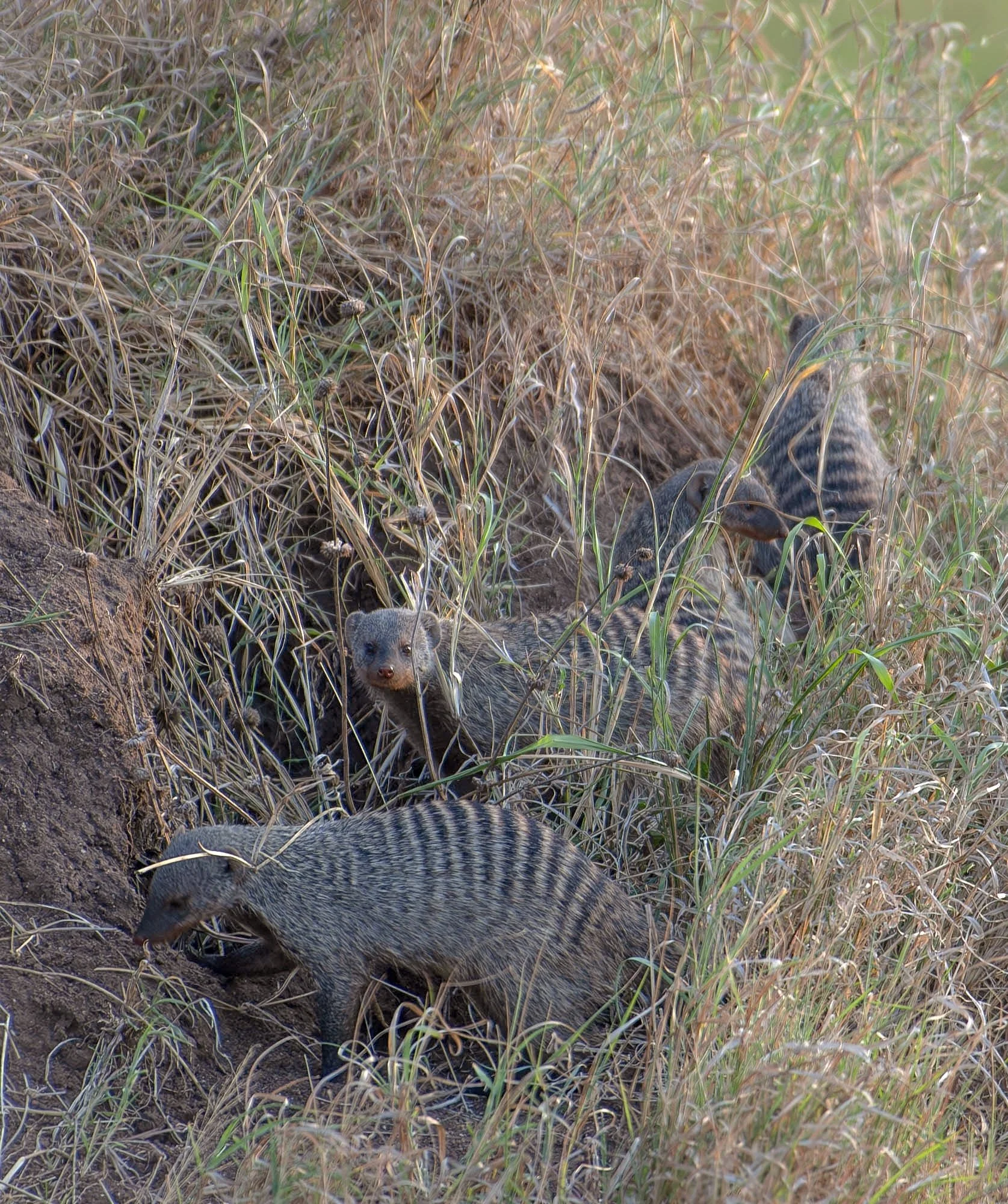
A foraging group of Banded mongooses swarms a termite mound, digging, scratching, munching. These critters, about the size of a cat, live on a diet of insects, but are opportunistic diners who will take snails, mice, rats, frogs, birds, fruit, and occasionally, venomous snakes.

Termite mounds are a buffet.

This group of about 20 mongooses came up behind us as we were looking for other game. They quickly picked over this mound, then disappeared back into the grass.

The Banded mongoose (Mungos mungo) is a successful hunter in the Serengeti. There are 22 other species of mongooses worldwide.

As a child, I thought Rikki-Tikki-Tavi was the coolest hero ever. He was a little Grey mongoose with a bottle-brush tail who lived in a place far away. How can you not hold your breath when you read these words?

"At the hole where he went in
Red-Eye called to Wrinkle-Skin.
Hear what little Red-Eye saith:
'Nag, come up and dance with death!'"