Exploring Tanzania

Maasai Shuka: The African Blanket and Cultural Identity

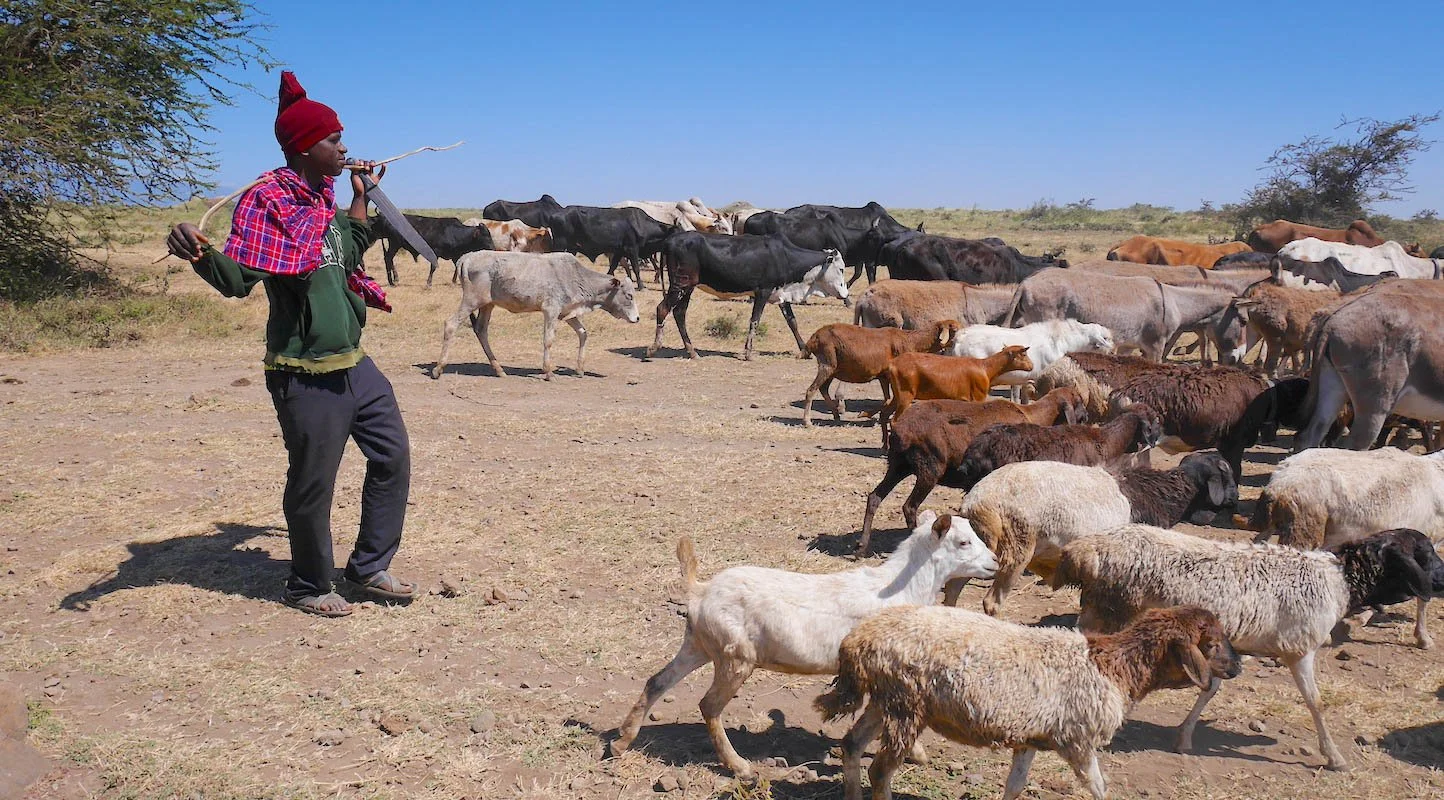
Maasai herder near Arusha wearing a traditional red and blue plaid Shuka cloth.

The vibrant plaid you see on the herder's shoulders isn't just a wrap—it’s the Maasai Shuka. Known as the “African blanket,” this durable cloth is a powerful symbol of identity for the Maasai people. Usually found in bold reds to symbolize power or blues to represent the sky, it is as functional for warmth on the plains as it is striking to the eye.

Fun Fact: While the Shuka is globally recognized as Maasai, it is widely believed that the plaid patterns were originally influenced by Scottish missionaries during the colonial era, which the Maasai then adopted and made uniquely their own!

I captured this image on our way to our first Kilimanjaro climb. Now, as we prepare for Zanzibar, I’m reminded of how every corner of this country tells a different story.
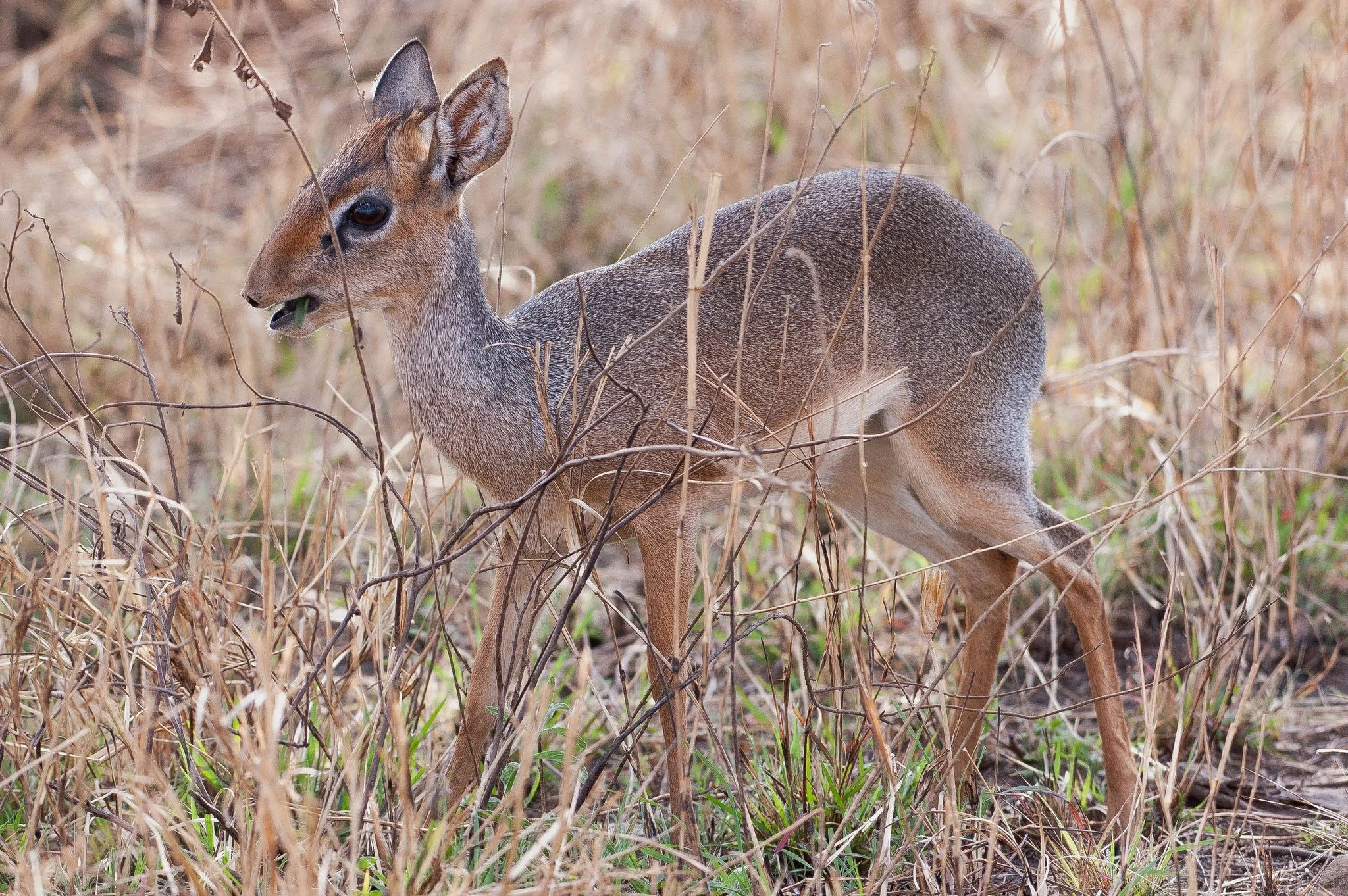
Kirk's dik-dik

A Kirk’s dik-dik standing in the grass of the Tanzanian Serengeti showcases its unique snout.

Would you believe this little guy is only 12 inches tall?

Meet the Kirk’s dik-dik (Madoqua kirkii), one of the smallest antelopes in the Serengeti. Don’t let their size fool you; they are perfectly engineered for the heat. They use a long, tubular snout to pump blood and cool their bodies through “nasal panting.”

Fun Fact: That same snout acts as a built-in whistle! When they’re startled, they make a shrill "dik-dik" sound to warn others, which is exactly how they got their name.

I captured the image of this tiny marvel in the Serengeti. It’s a beautiful reminder of the incredible detail found in Creation.

Lion King?

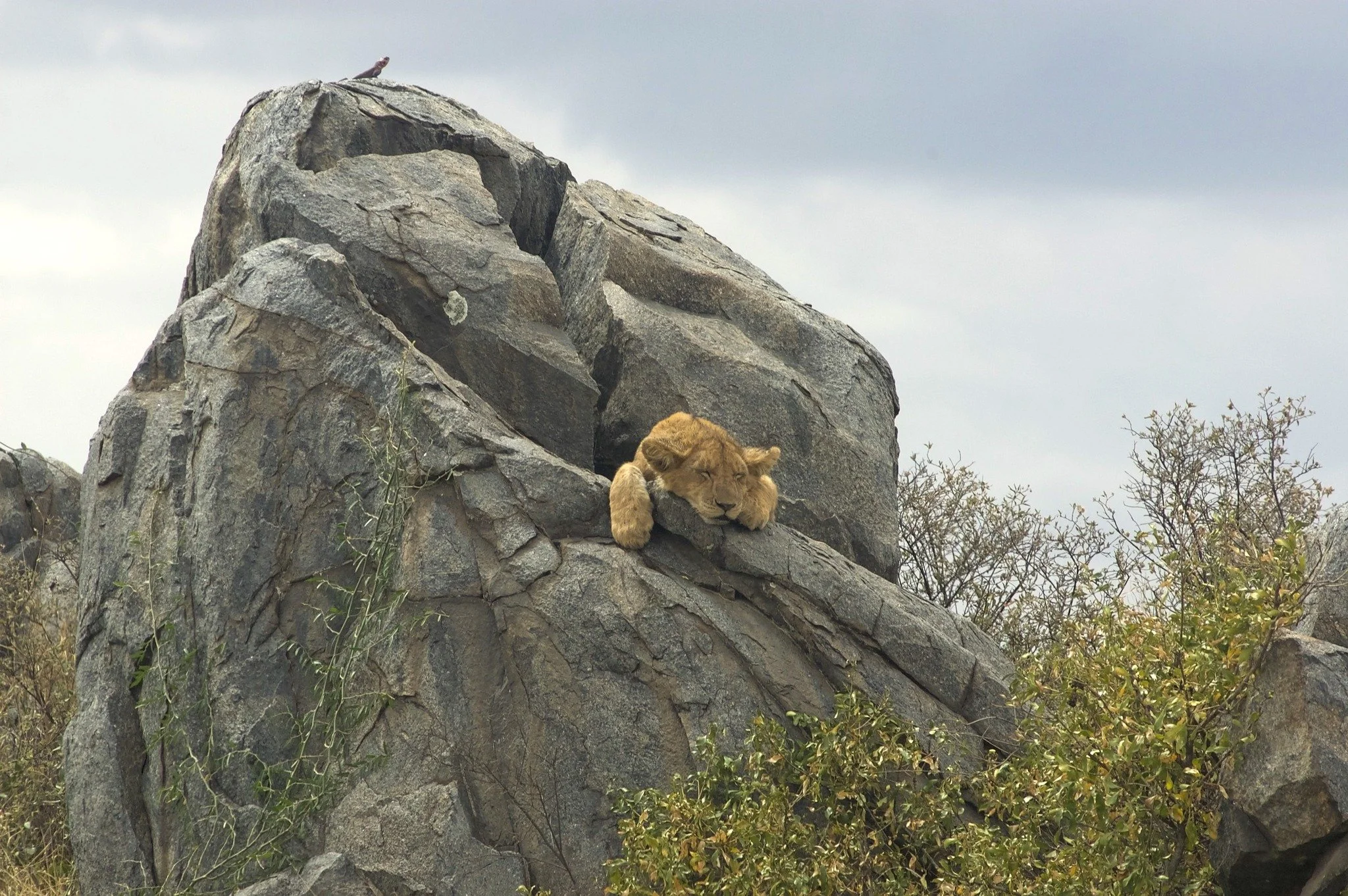
Young lion sleeping on a kopje. The kopje on the Serengeti is a hill that rises sharply from the surrounding plain. Made of granite, the kopje is a geological relic. The softer volcanic soil has eroded away, leaving this "basement" rock standing tall. Kopjes function as islands of life.

Disney's Lion King portrays the presentation of baby Simba from the ledge of a kopje.

If kopjes and lions tickle your imagination, you need to join us on safari in 2026.

Faster than the Indy Pit

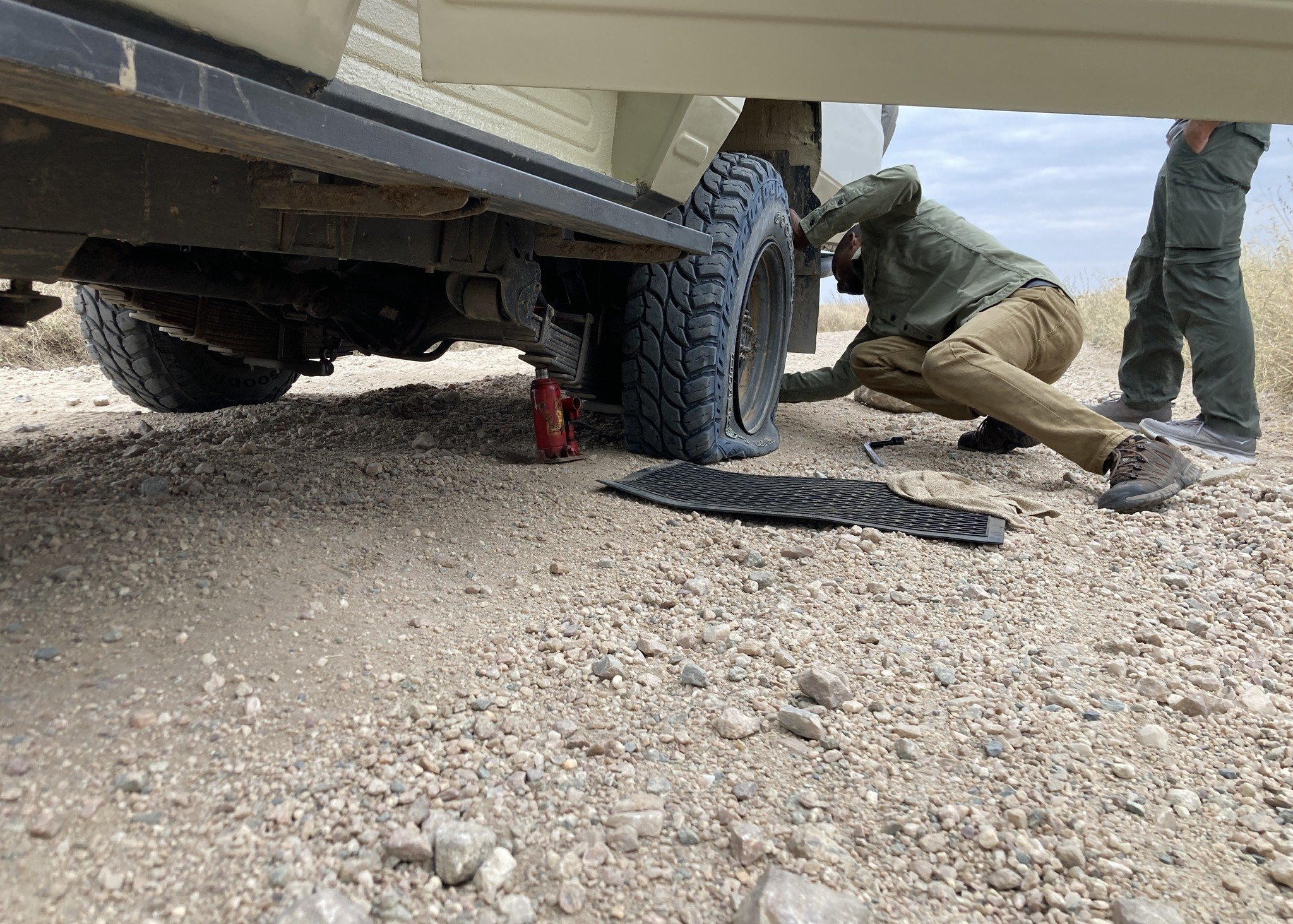
There are few things as invigorating as fixing a flat tire with lions nearby. Ellie nimbly replaces the wheel while Steve keeps an eye on a group of females and cubs (about 20 meters away). I'm just picture taking. All of us are a twitch away from jumping back into the rig!

Insert a little vigor into your life and watch for lions in the last great wild place on earth: the African Serengeti. We have 4x4 seats waiting for you next February (birthing season in the grasslands).

Since you appear to be into grease and dirt, check out this sweet rig here.

Super Drumsticks

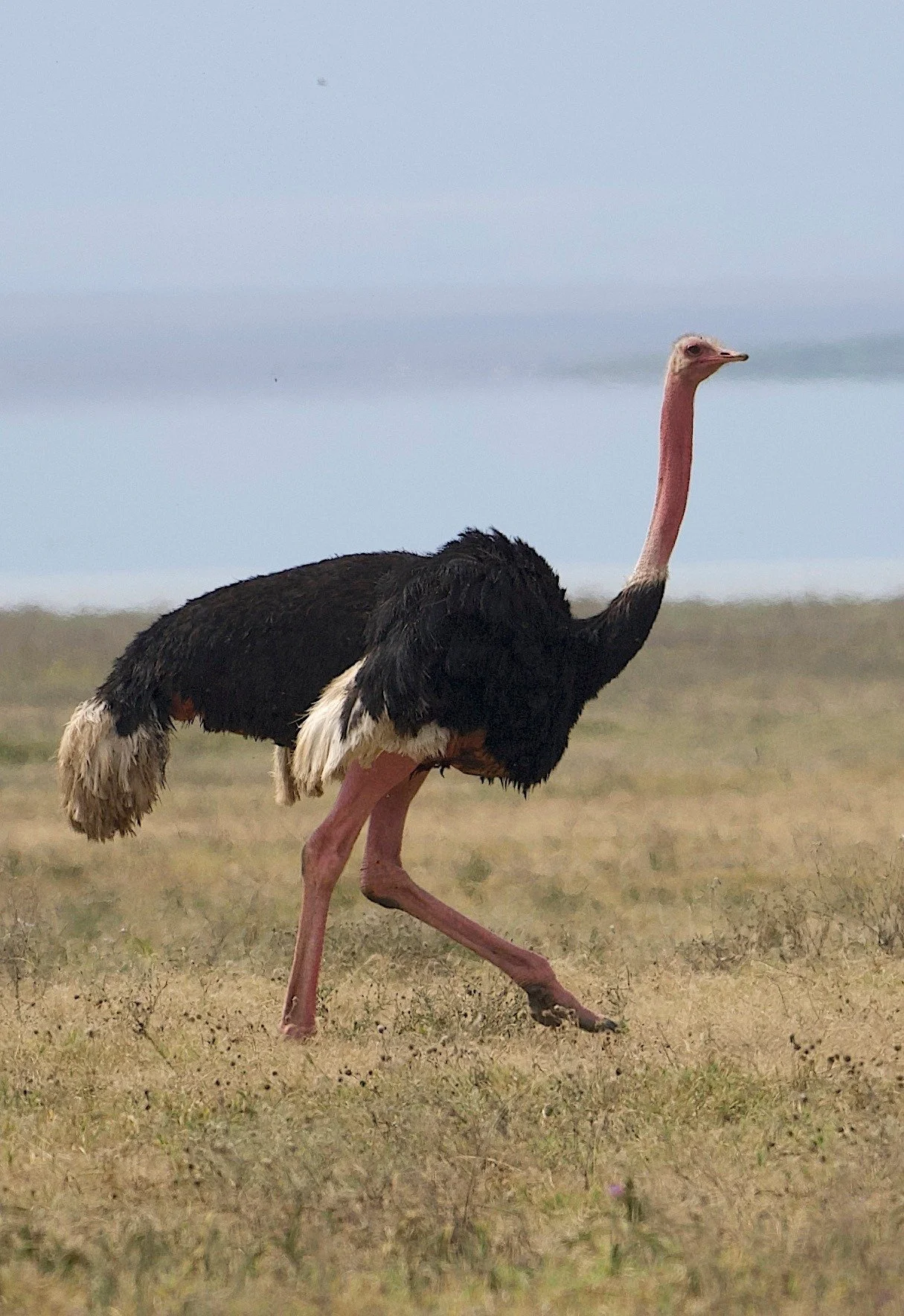
Did you know that an ostrich can sprint at speeds beyond 40 miles an hour and can kill a cheetah with just one kick. On the end of each foot are two toes, armed with sharp 4-inch claws.

I photographed this male in the Ngorongoro Crater, Tanzania.

Our 2026 African safaris are full, but will be opening seats for 2027 soon. Stay tuned.

Very Good

"God eyed all that he had made and (just look!) it was very good" (Gen 1:31). Everyday is Earth Day for those who take this statement seriously. Believers have reason to be the greenest people on the planet.

Come to Tanzania. See the goodness and consider creation care with new eyes. Find details in the comments below.

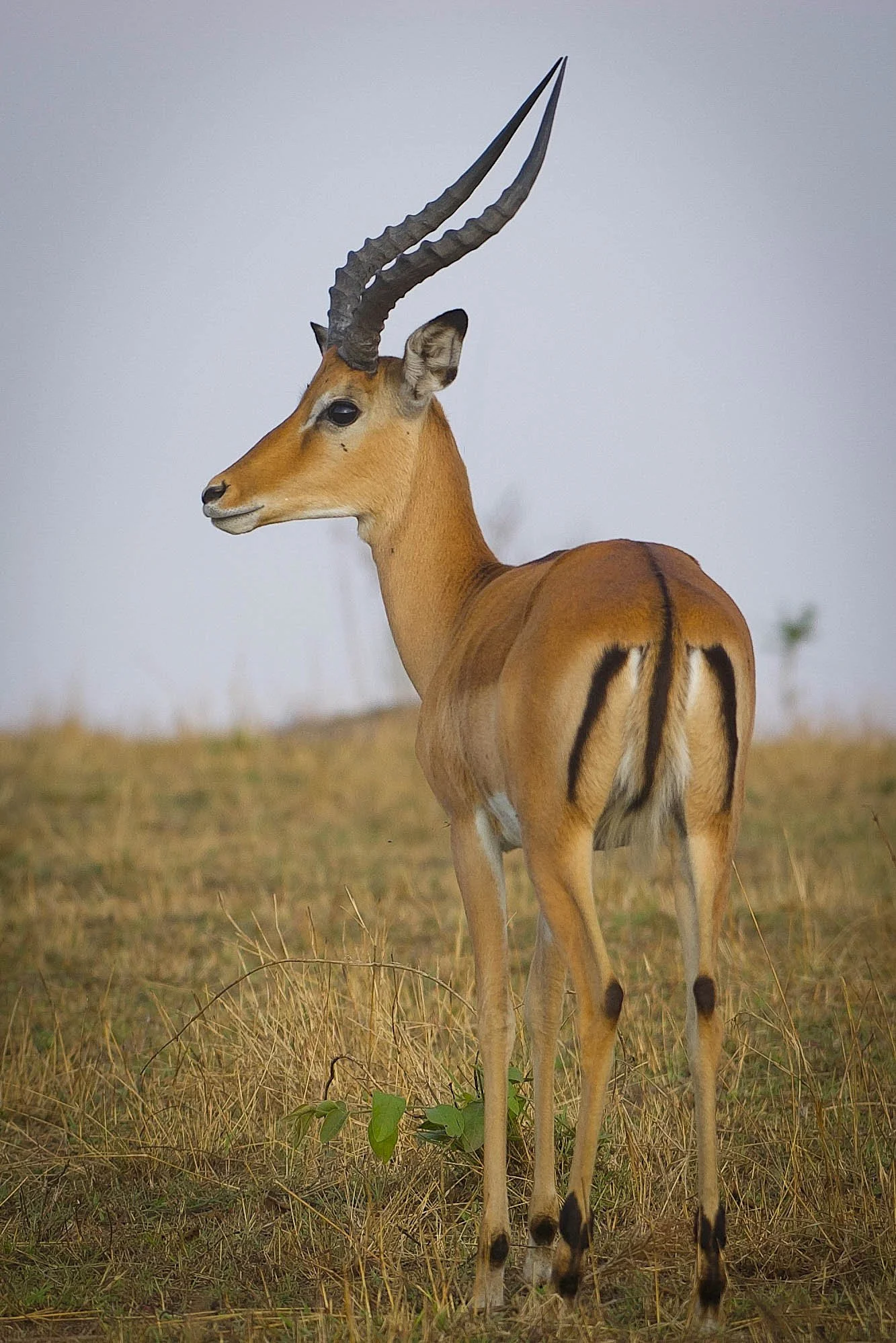
Pictured is the Common Impala (Aepyceros melampus), a graceful mid-sized antelope found in the Serengeti.

Bush Team Excellent

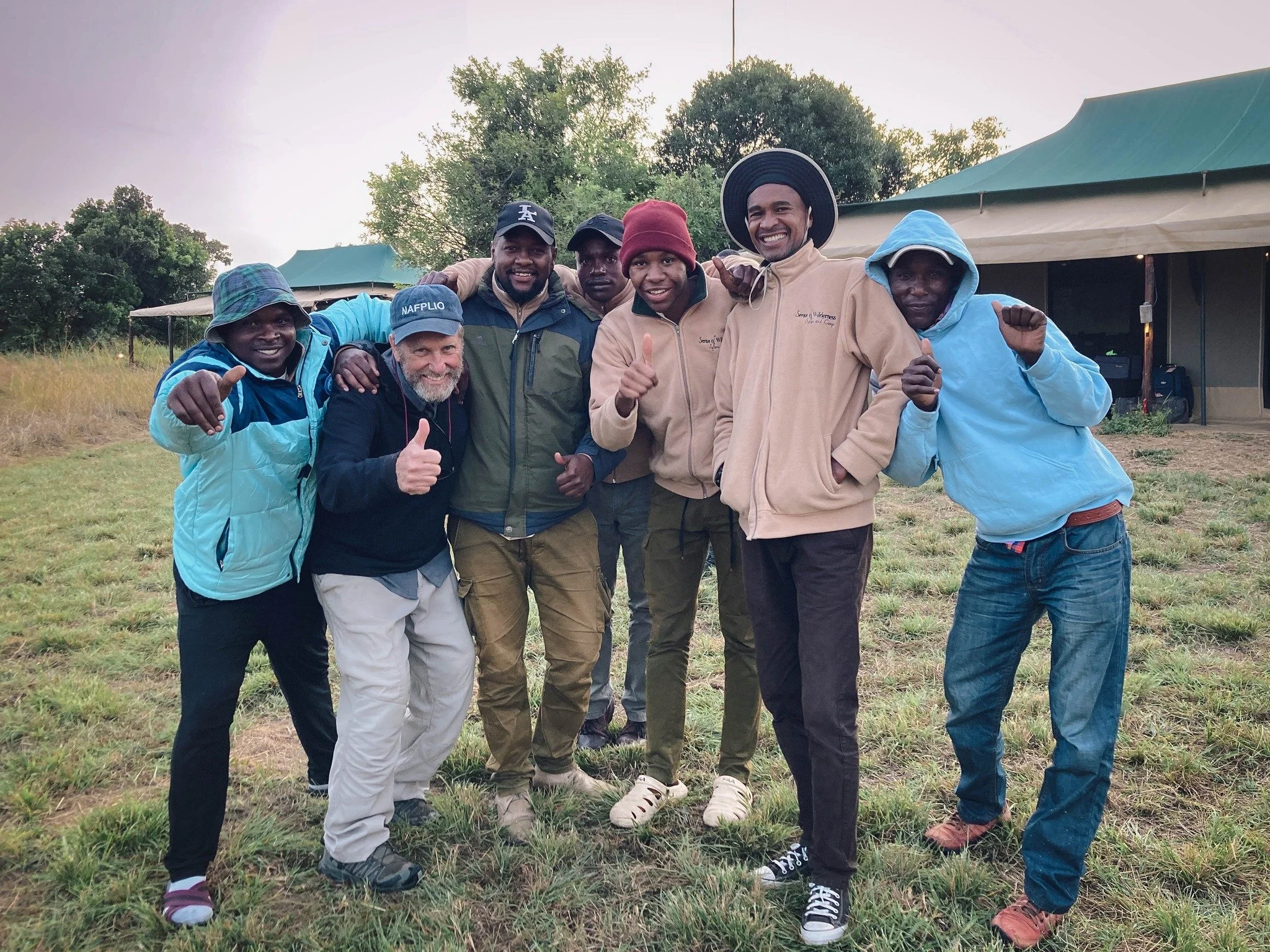
I am never disappointed by the kind service, commitment to excellence, and tireless energy on display in our tent camps. The staff at the Pure Migration Camp in a remote corner of the Serengeti is a perfect example. These good men transform tent camping in the wilderness into a luxury experience.

Our next Tanzanian safari with open seats is scheduled for February 18-27, 2026.

Monkey with an Alarm System

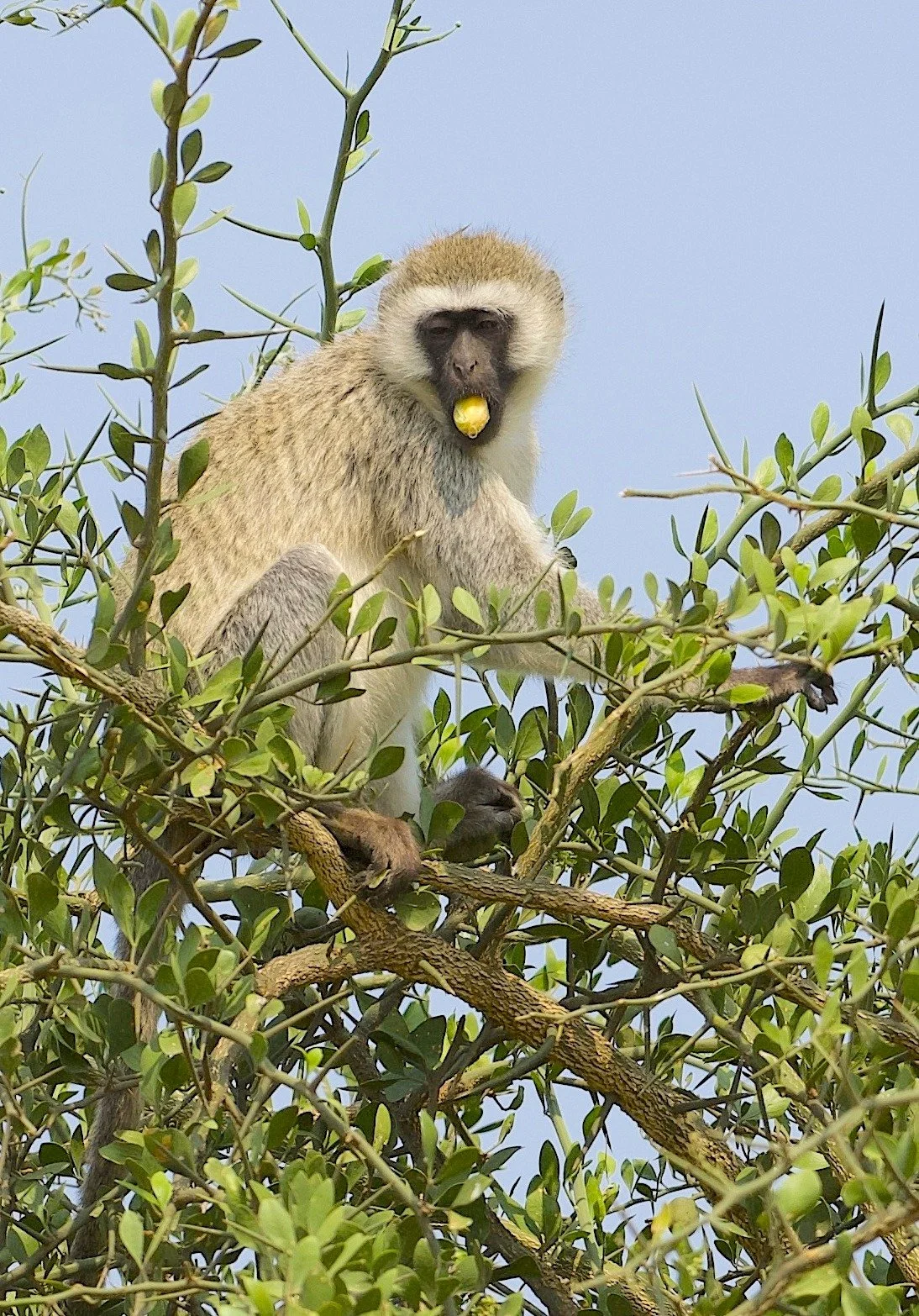
Vervet monkeys (Chlorocebus pygerythrus) live in noisy groups. They grunt, chatter, squeak, and scream. These noises have been studied by biologists with surprising results.

Vervets have specific alarm screams that initiate different group responses. For example, one type of scream suggests the presence of a predator like a leopard. When issued, the group responds by scurrying into the smallest branches (outermost parts) of a tree. A second type of scream suggests danger from the air (like an eagle). The group responds by either scurrying to the innermost parts of the tree or diving into a bush. A third type of scream suggests a snake. The group stands up high on their hind legs and scans the ground.

These are just three examples. Get ready for this: Vervets have at least 30 unique alarm screams.

This vervet didn’t seem too perturbed by my presence. Or maybe he was too busy enjoying a star fruit to scream.

Mongoose Buffet

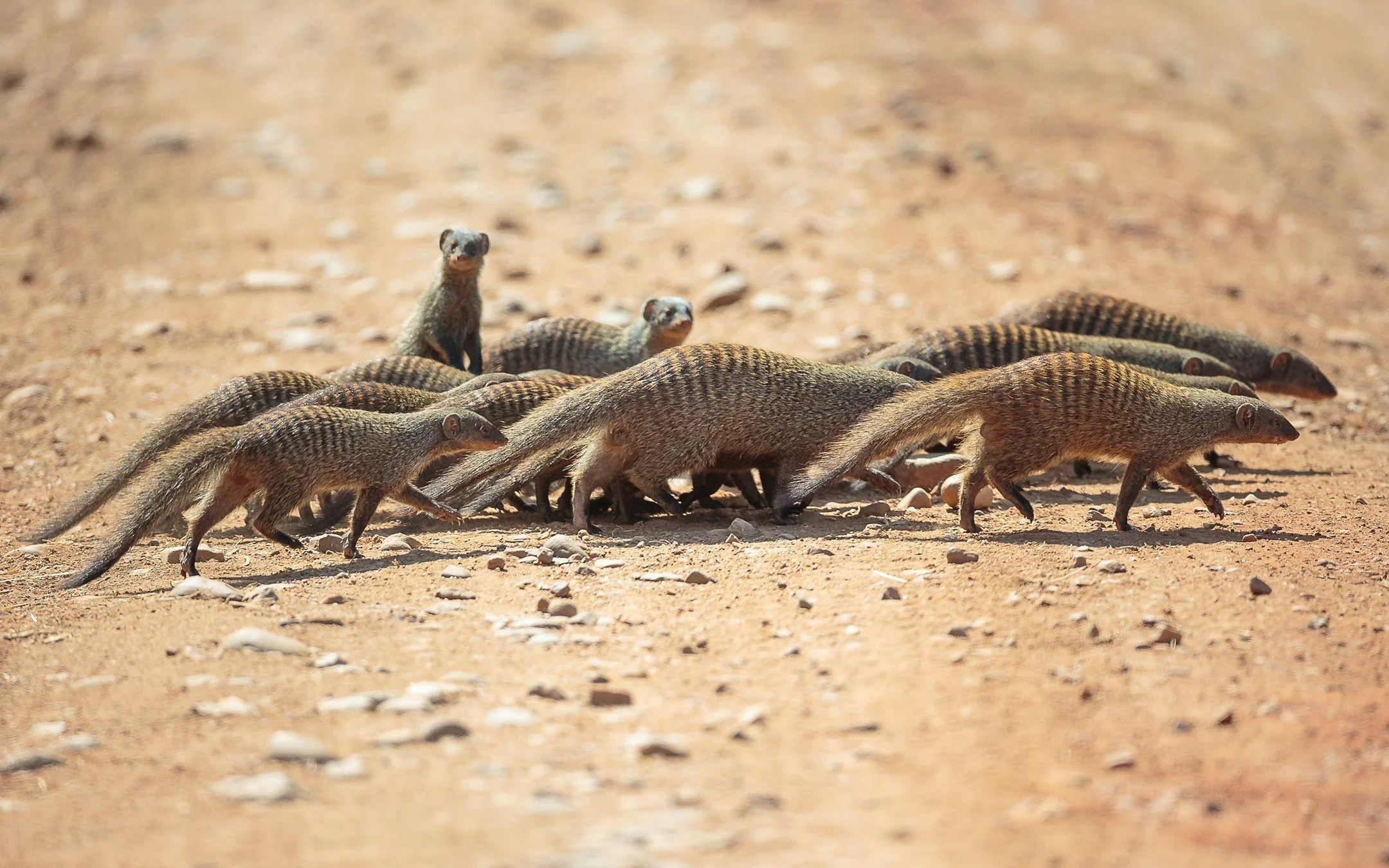
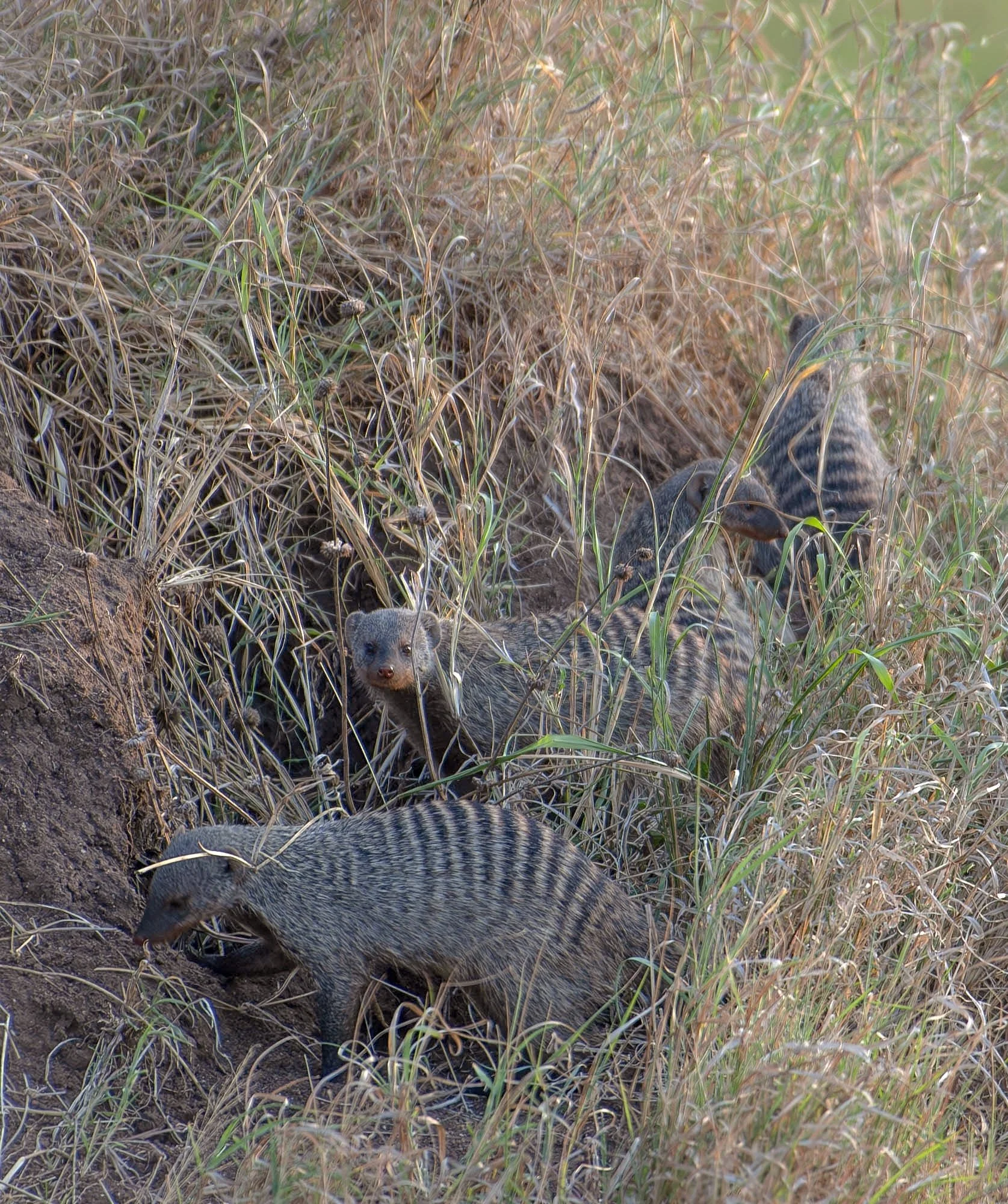
A foraging group of Banded mongooses swarms a termite mound, digging, scratching, munching. These critters, about the size of a cat, live on a diet of insects, but are opportunistic diners who will take snails, mice, rats, frogs, birds, fruit, and occasionally, venomous snakes.

Termite mounds are a buffet.

This group of about 20 mongooses came up behind us as we were looking for other game. They quickly picked over this mound, then disappeared back into the grass.

The Banded mongoose (Mungos mungo) is a successful hunter in the Serengeti. There are 22 other species of mongooses worldwide.

As a child, I thought Rikki-Tikki-Tavi was the coolest hero ever. He was a little Grey mongoose with a bottle-brush tail who lived in a place far away. How can you not hold your breath when you read these words?

"At the hole where he went in
Red-Eye called to Wrinkle-Skin.
Hear what little Red-Eye saith:
'Nag, come up and dance with death!'"

Delicate, but Tough

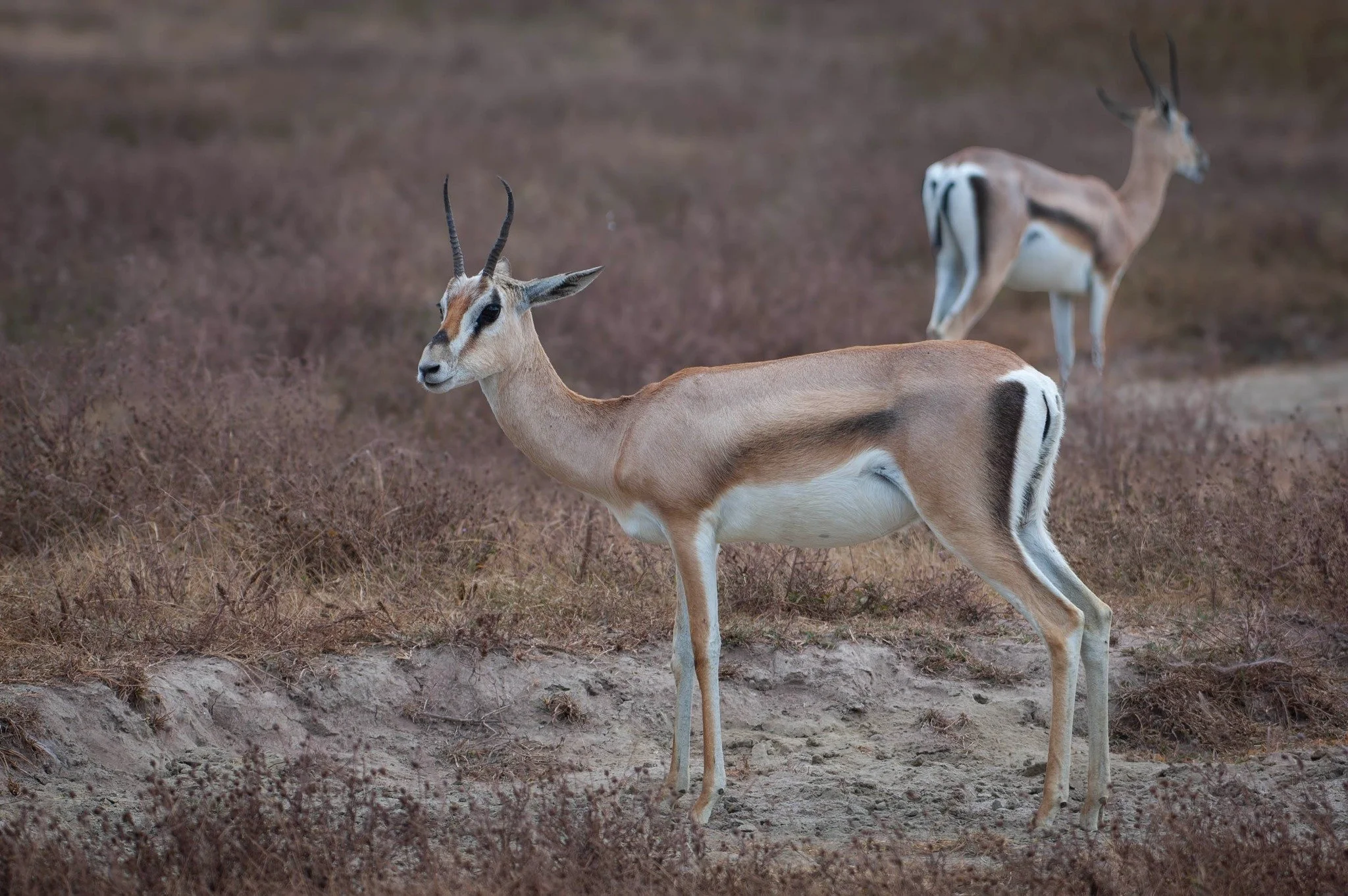
Behold, a female Grant's gazelle (Nanger granti). So delicate!

This gazelle is grazing among the tough brittle-brown grasses of the Serengeti. What is unique about Grant's gazelle is that it is very efficient in digesting dry matter. It rarely needs to drink! This means that unlike other species that require stops at water holes during the dry season, the Grants can avoid them. This means they can also avoid the predators waiting there.

Delicate in some ways, but really tough in others. That's a Grant's gazelle!

Battle between the Muncher and the Munched

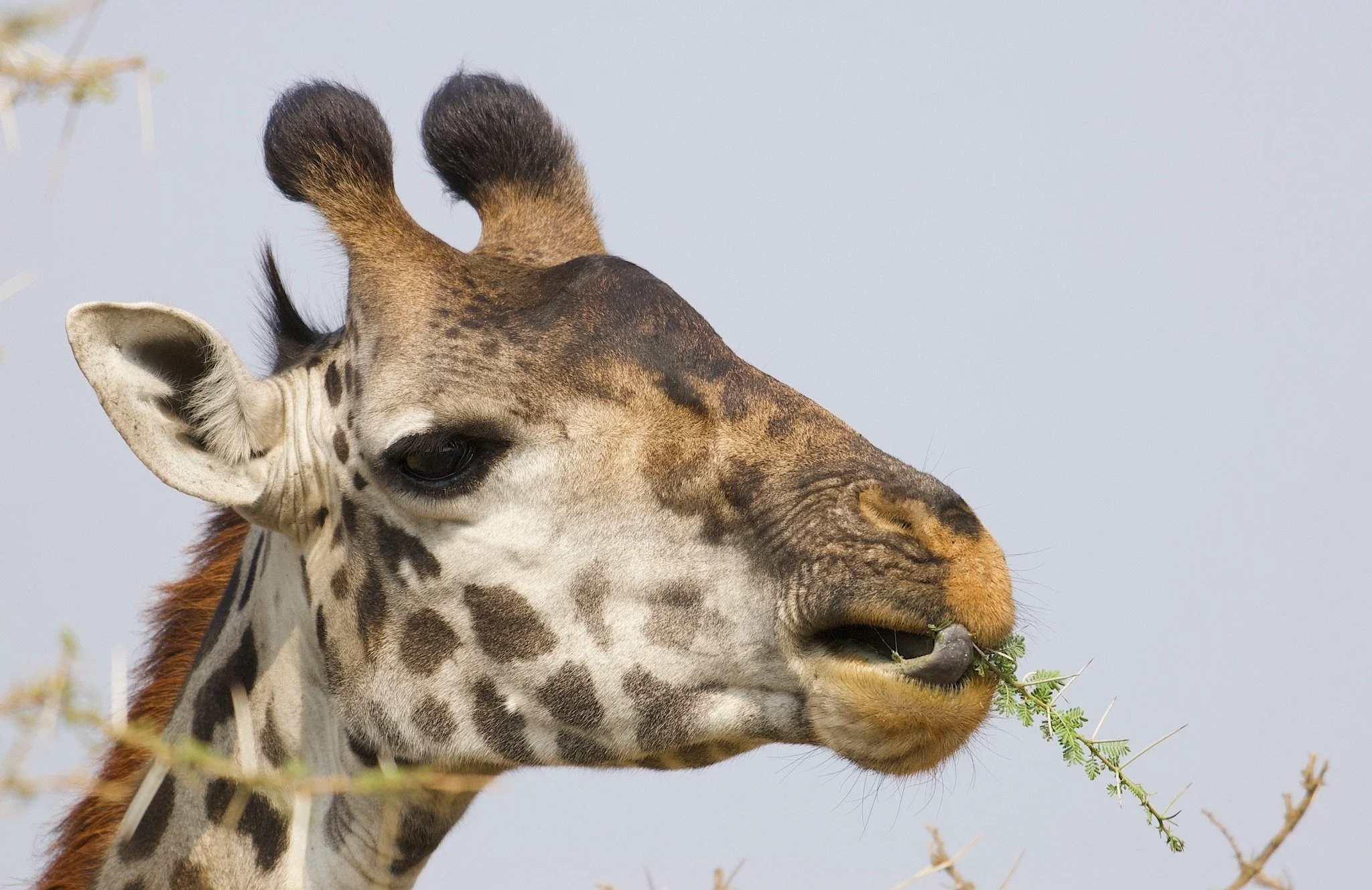
Can you see the battle?

The acacia tree has an umbrella shaped crown with many tiny leaflets. These leaflets are precious reservoirs of moisture in the arid areas of East Africa.

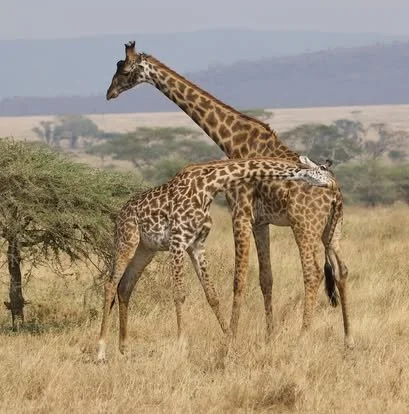
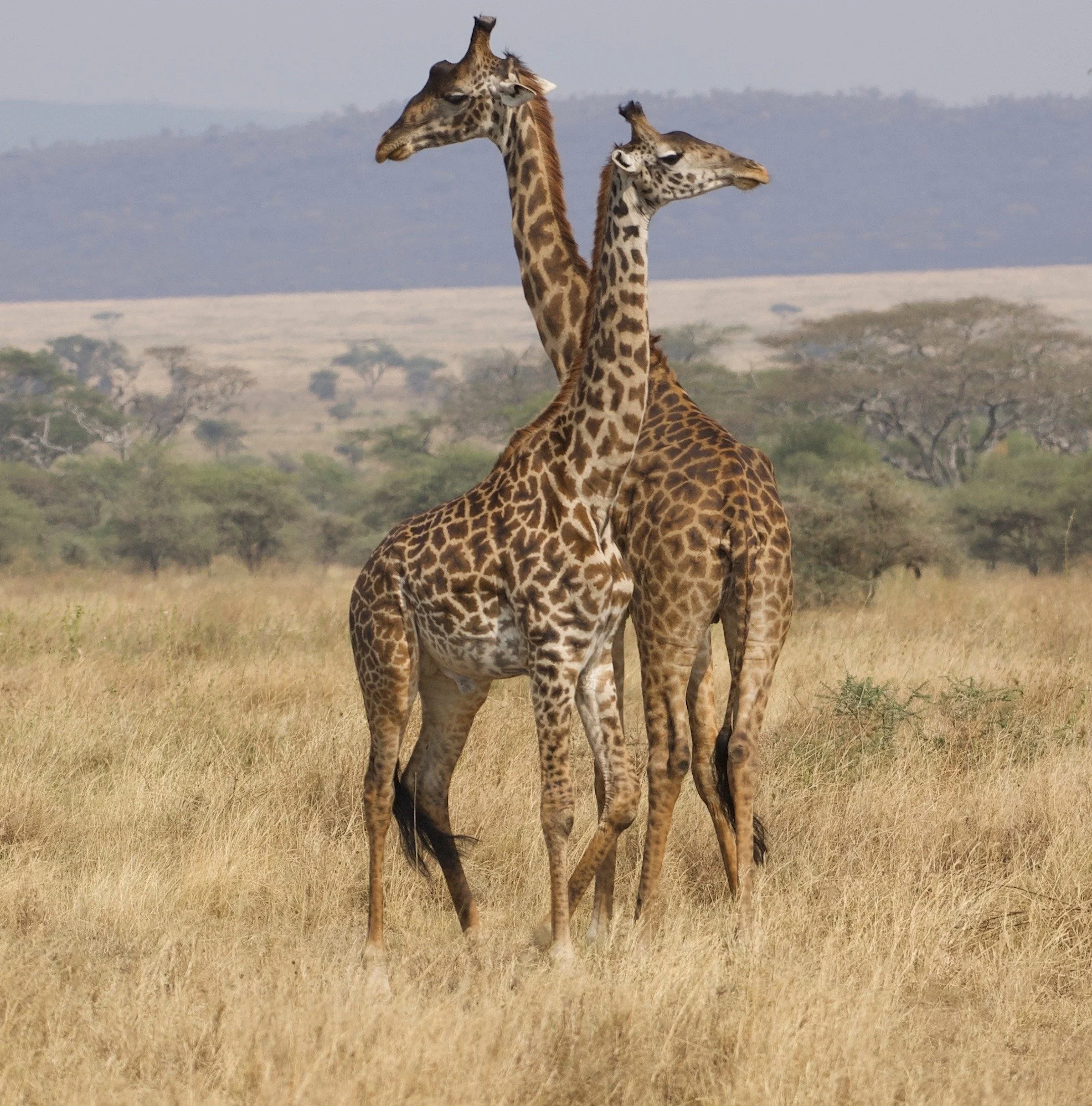
The giraffe has acute needs for moisture and food. It also has a long neck allowing it unique access to the acacia crown.

But the acacia branches are lined with sharp spines to thwart browsers like a giraffe.

But the giraffe has a long tongue, capable of stripping the leaflets and twigs from between the thorns. It also has a tough mouth and really gooey saliva that coats the munched mess and helps it swallow (Imagine how horrible a sore throat would be for a giraffe!).

But the acacia tree has two lines of chemical defense when it senses an attack. Internally, it releases a tannin that turns the tiny leaves bitter, and if ingested in quantity, poisonous. Externally, the acacia releases a gas into the air. Other acacias, located downwind, get a whiff and release their own tannins, becoming inedible for a period of about two weeks.

But the giraffe has long legs. He tastes the tannins, moves on, upwind, to find an unsuspecting tree. He stretches and takes a nibble.

But biting ants swarm the mouth and lips of the giraffe. It appears that some acacias have hollow swollen spines, a perfect home for biting ants. The tree provides the ants with sweet nectar and shelter, and ants serve the tree as bodyguards.

The giraffe shakes off the insects and moves on.

And so the battle rages between the muncher and the munched.

A Wonderful Bird . . .

"A wonderful bird is the pelican . . . "

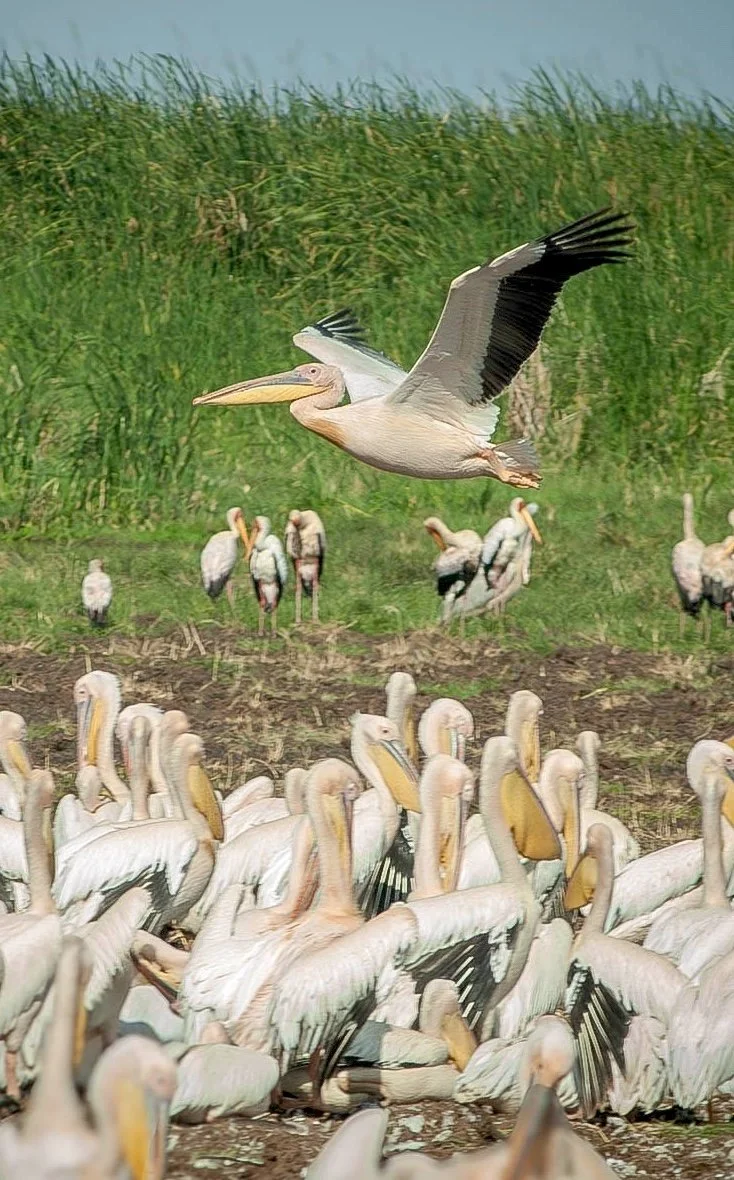
Do you know that the Great White Pelican (Pelecanus onocrotalus) is a hefty bird with a wondrous gular pouch. The pouch hangs under the jaw (like a hammock), is expandable, and is used as a scoop for fishing.

I found this flock basking in the shallows of Lake Manyara, Tanzania.

Oh, and for the curious: the pouch can hold up to three gallons, three times more than its bellycan.

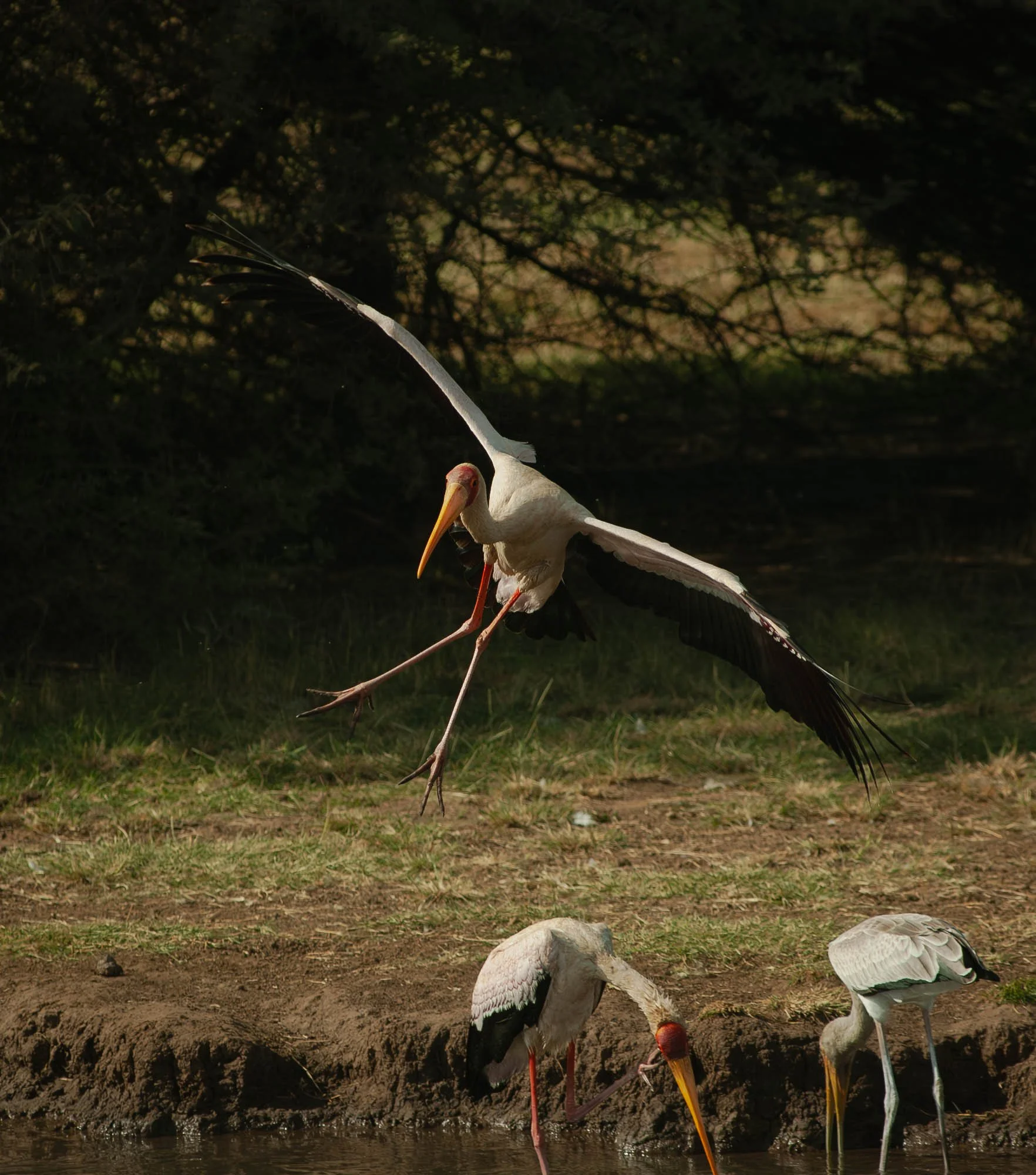
The Landing Gear is Suspect

“Any landing you can walk away from is a good landing,” the pilot chuckled.

I hope this one ends well for this Yellow-billed stork (Mycteria ibis). Those spindly legs make for good waders but seem a little suspect as landing gear.

I photographed these birds feeding in the wetlands of Lake Manyara National Park, Tanzania.

Bible Land Explorer has several safari excursions (public and private) to East Africa slated for the coming year. PM me if you are interested in scouting for cheetahs, "glamping" in the Serengeti, chatting about the wonders of creation, you know, that sort of stuff.

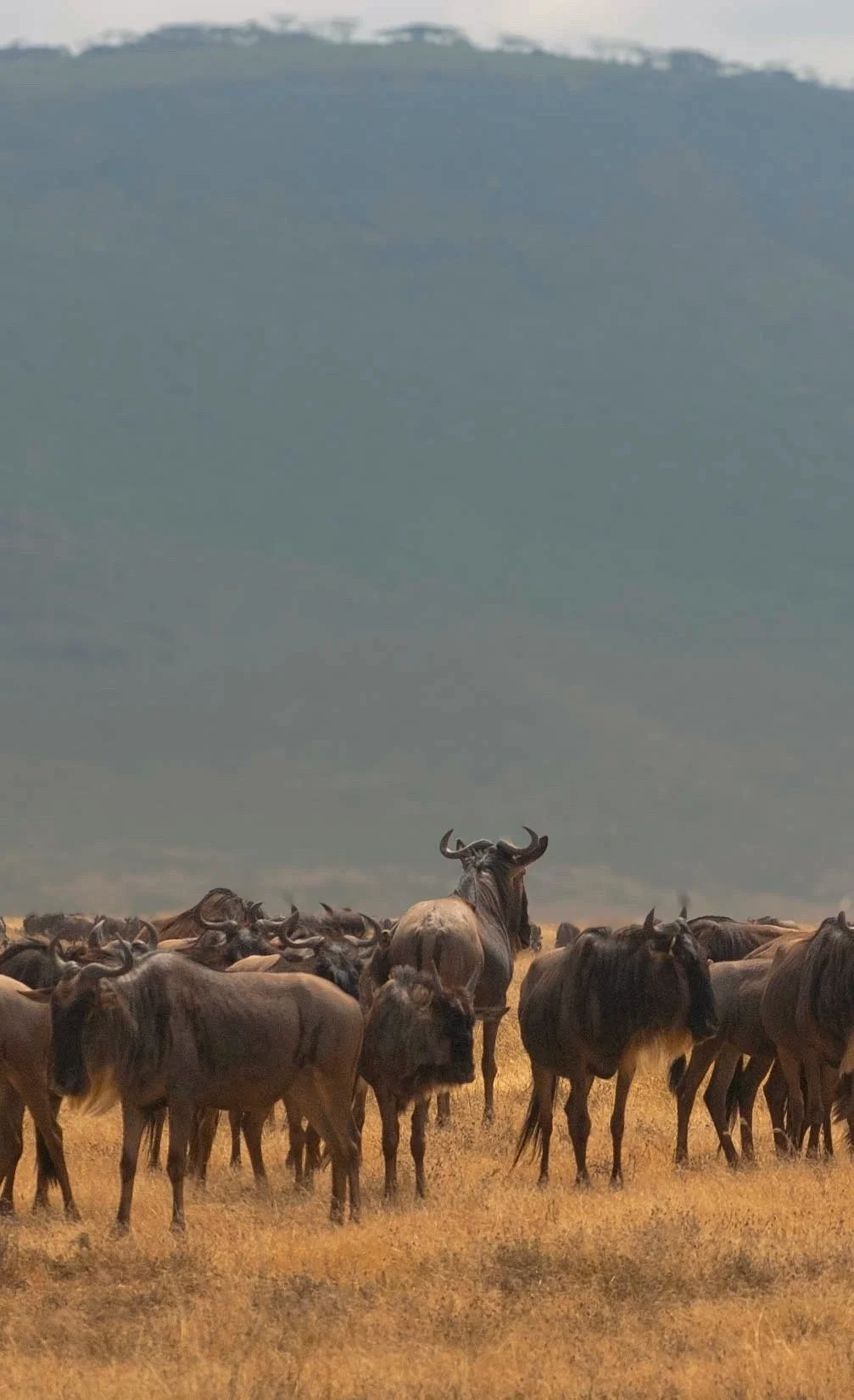
Gnu-uuu-uuuu!

Herds of blue wildebeest or brindled gnu (Connochaetes taurinus) spread across the floor of Tanzania’s Ngorongoro crater. Although they look like a frankinstein of animal parts, the wildebeest is a member of the antelope family.

During the rut (at the end of the rainy season) the bull will tirelessly protect his herem of cows, preventing other would-be suitors from approaching. Bellows and snorts (which sound like “gnuuuu”) are issued, ground is plowed with hooves or horns, and if all that display doesn’t work, charges and horn thrusts are exchanged.

There’s never a dull moment in Africa.