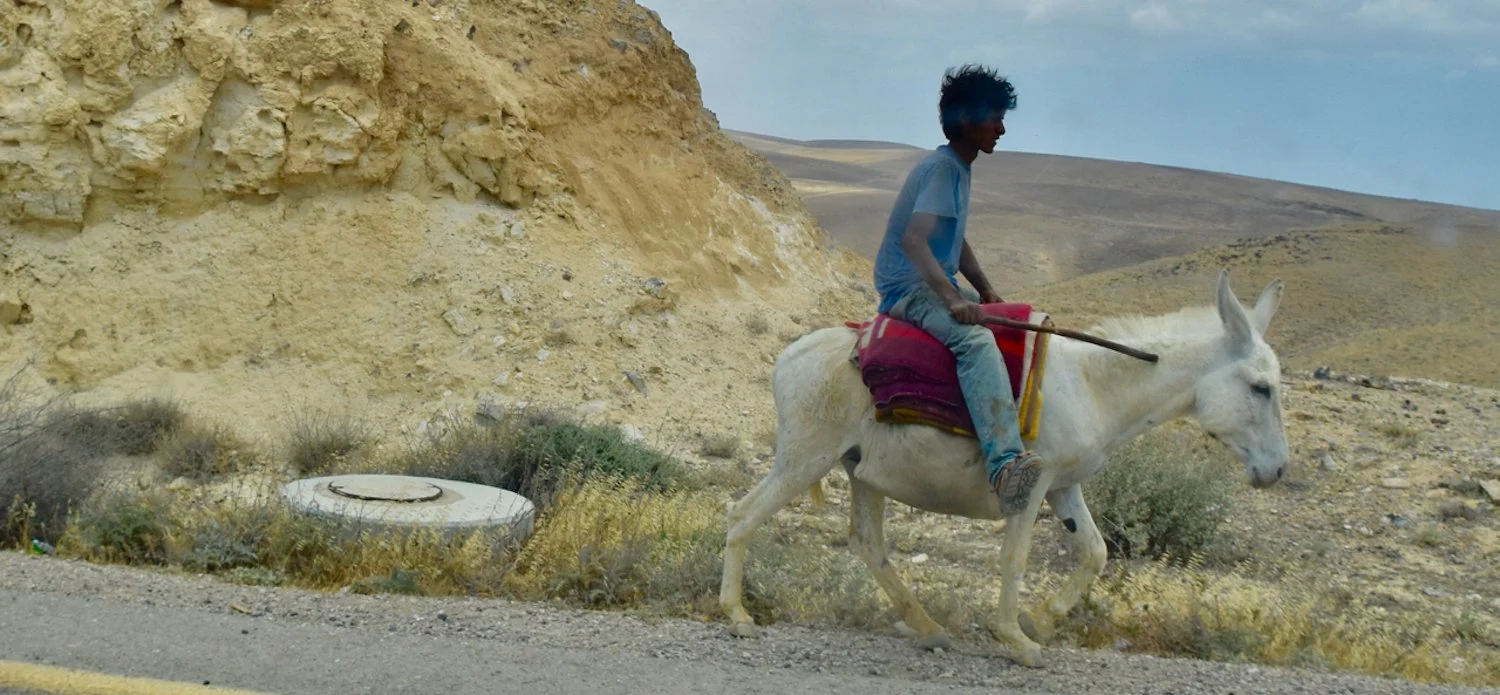
The site of Lachish offers us a legacy of destruction.
Jerusalem Churches: Old and New
Rotate in one spot you can see the oldest and the newest churches in Jerusalem.
Climbing the Snake Path
Climbing Masada's Snake Path is an adventure!
Border Town
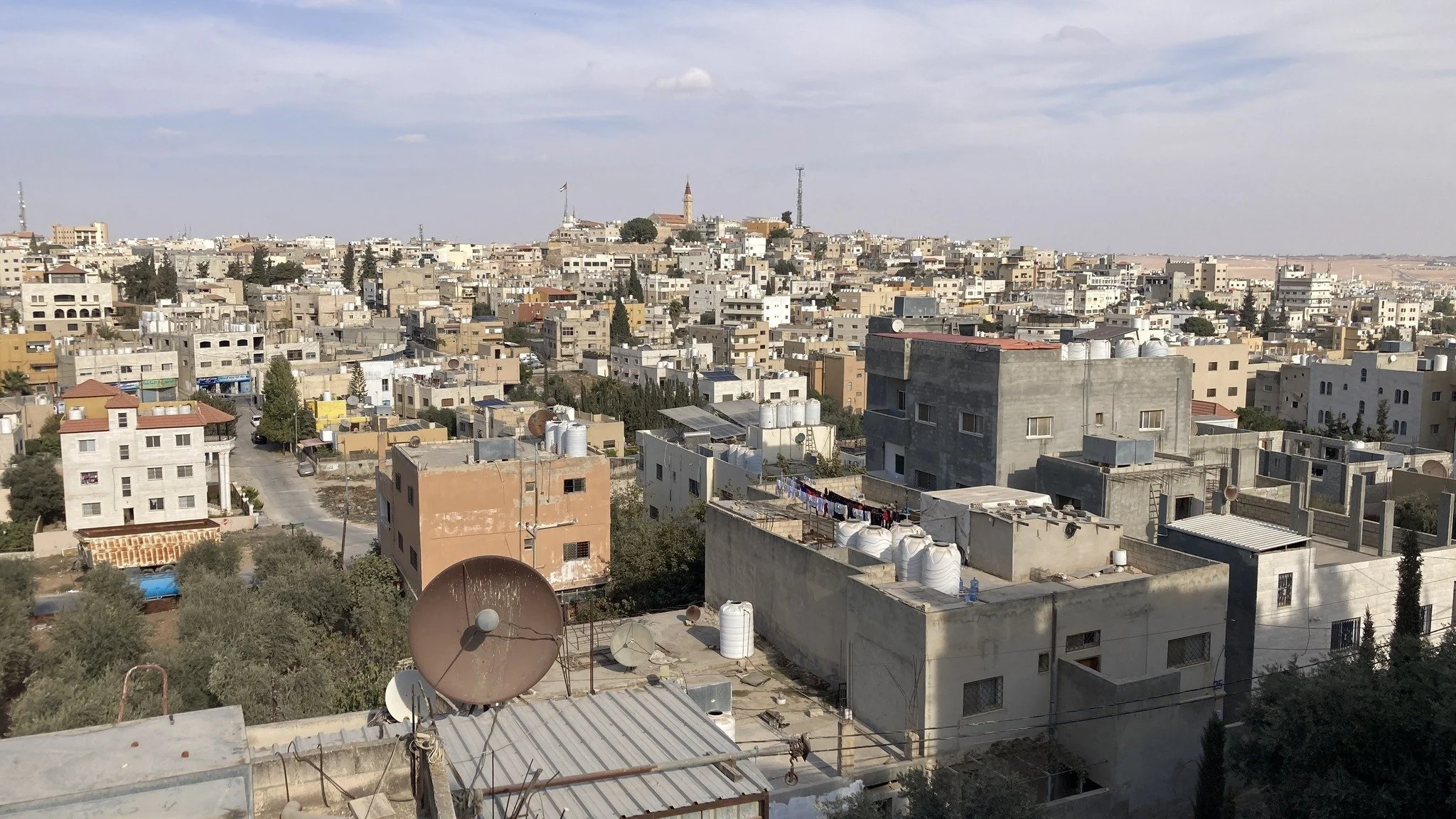
Rooftop view to the acropolis of Madaba, Jordan.
Madaba is a modern city just to the south of Amman. But beneath this veneer of concrete and steel are the remains of the human past that go back thousands of years. It is mentioned in the Bible (Num 21:30, Josh 13:9) as well as in ancient texts outside of the bible (Mesha Stele). It was a border town with Moabite roots.
Shwarma Shudders
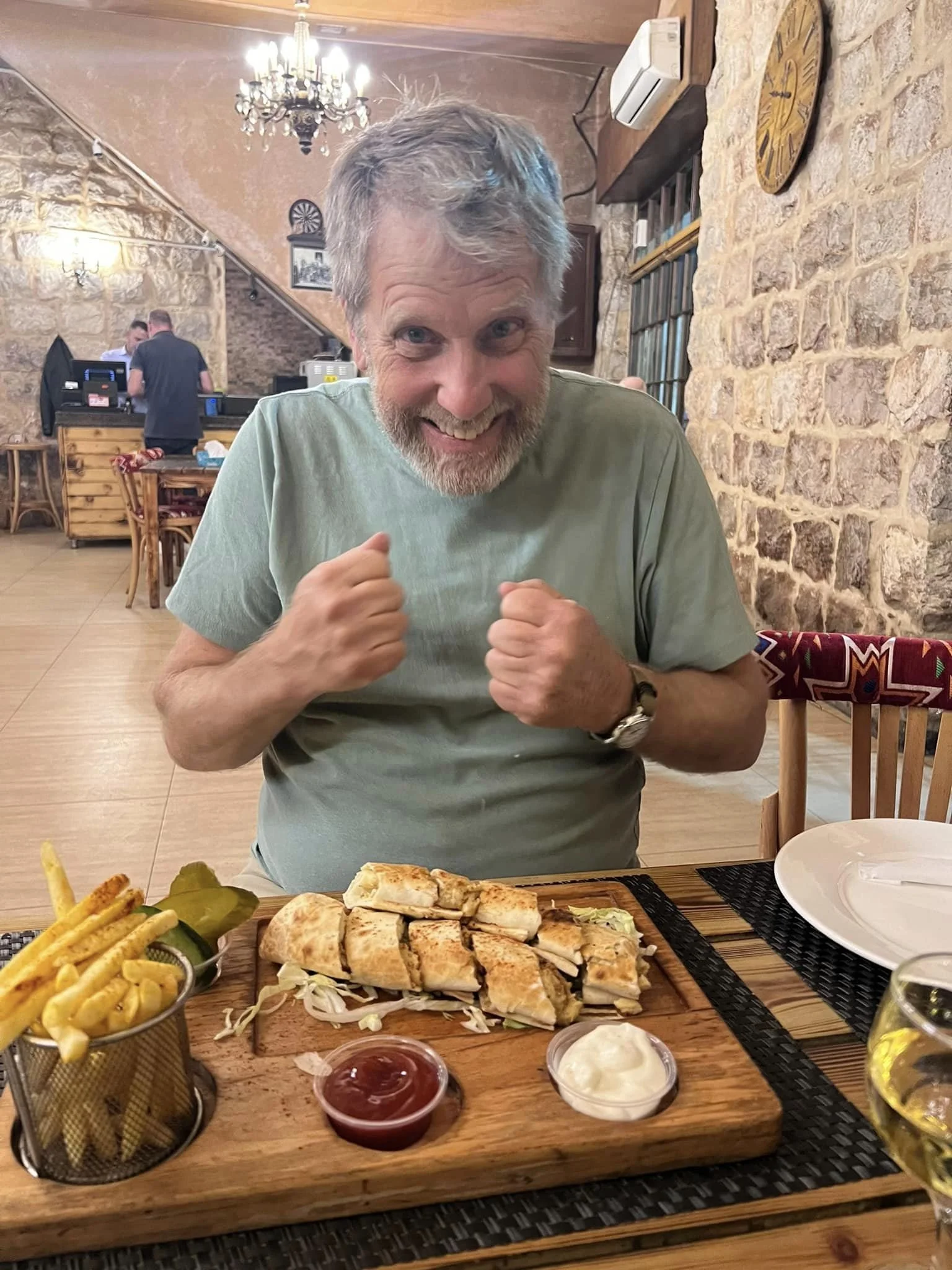
My heart convulses when I return to the Middle East and find my first plate of shawarma.
(For those who don’t know, a shawarma is built around slow-roasted spit-turned meat—often chicken—mixed with a balance of tangy, garlicky, and savory elements all wrapped together in flatbread and the flavor, like this sentence, goes on and on and on. The Jordanian version is often pressed on a griddle and resembles a Turkish döner, although here the bread is thinner.)
Is it excitement? Is it a heart-attack?
Absolutely!
Aïda
Aïda. It’s what’s in Vienna.

Find Art in Madrid, Spain
Spanish Art in the Prado is Stunning.
Looking for Tarshish
Ancient voices suggest Tarshish is a region in the Western Mediterranean, likely located in southeastern Spain.
Bush Team Excellent
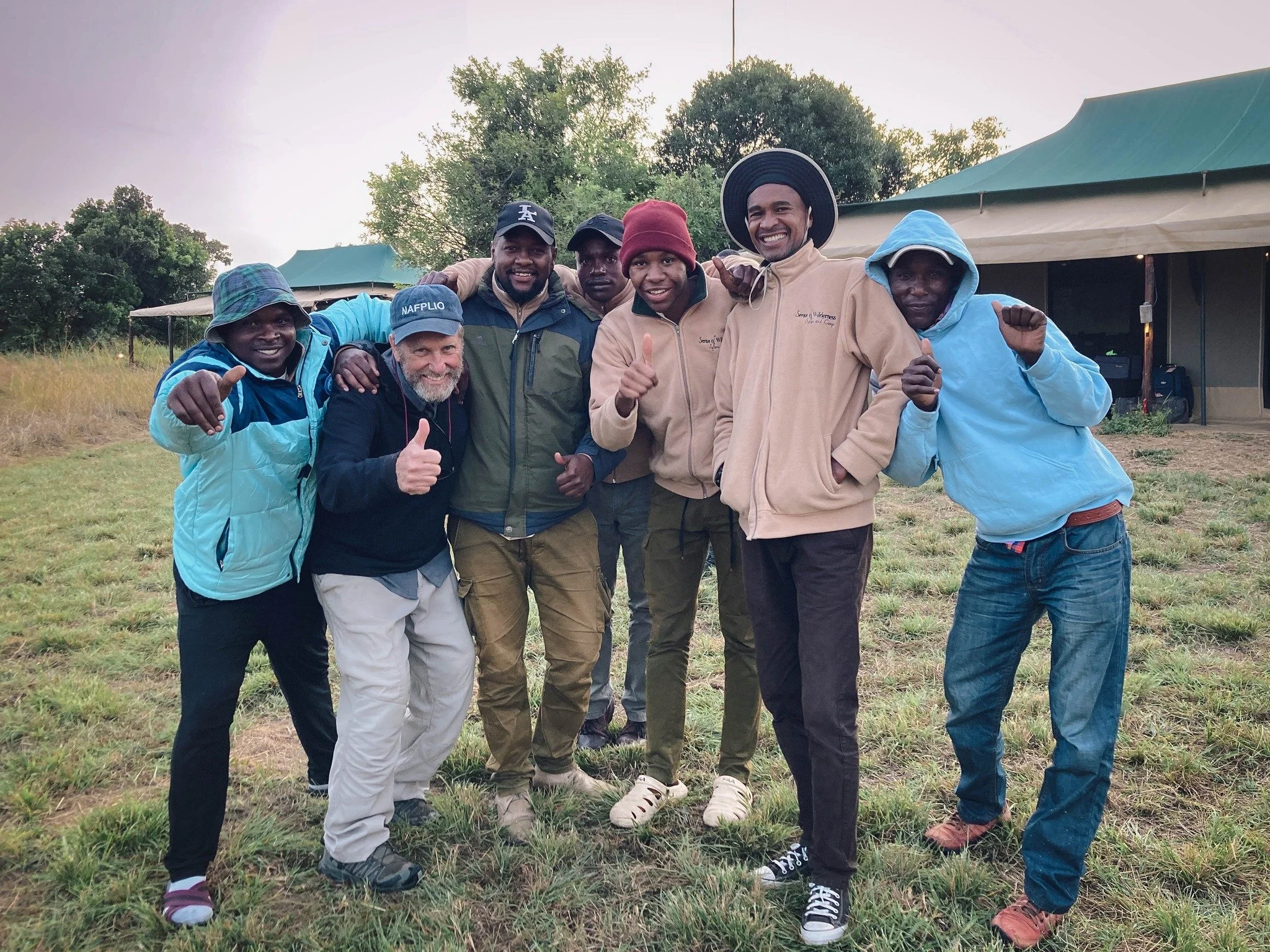
I am never disappointed by the kind service, commitment to excellence, and tireless energy on display in our tent camps. The staff at the Pure Migration Camp in a remote corner of the Serengeti is a perfect example. These good men transform tent camping in the wilderness into a luxury experience.
Our next Tanzanian safari with open seats is scheduled for February 18-27, 2026.
Review of Spain’s National Museum of Archaeology
Review of Spain's National Museum of Archaeology (Museo Arqueológico Nacional).
Monkey with an Alarm System
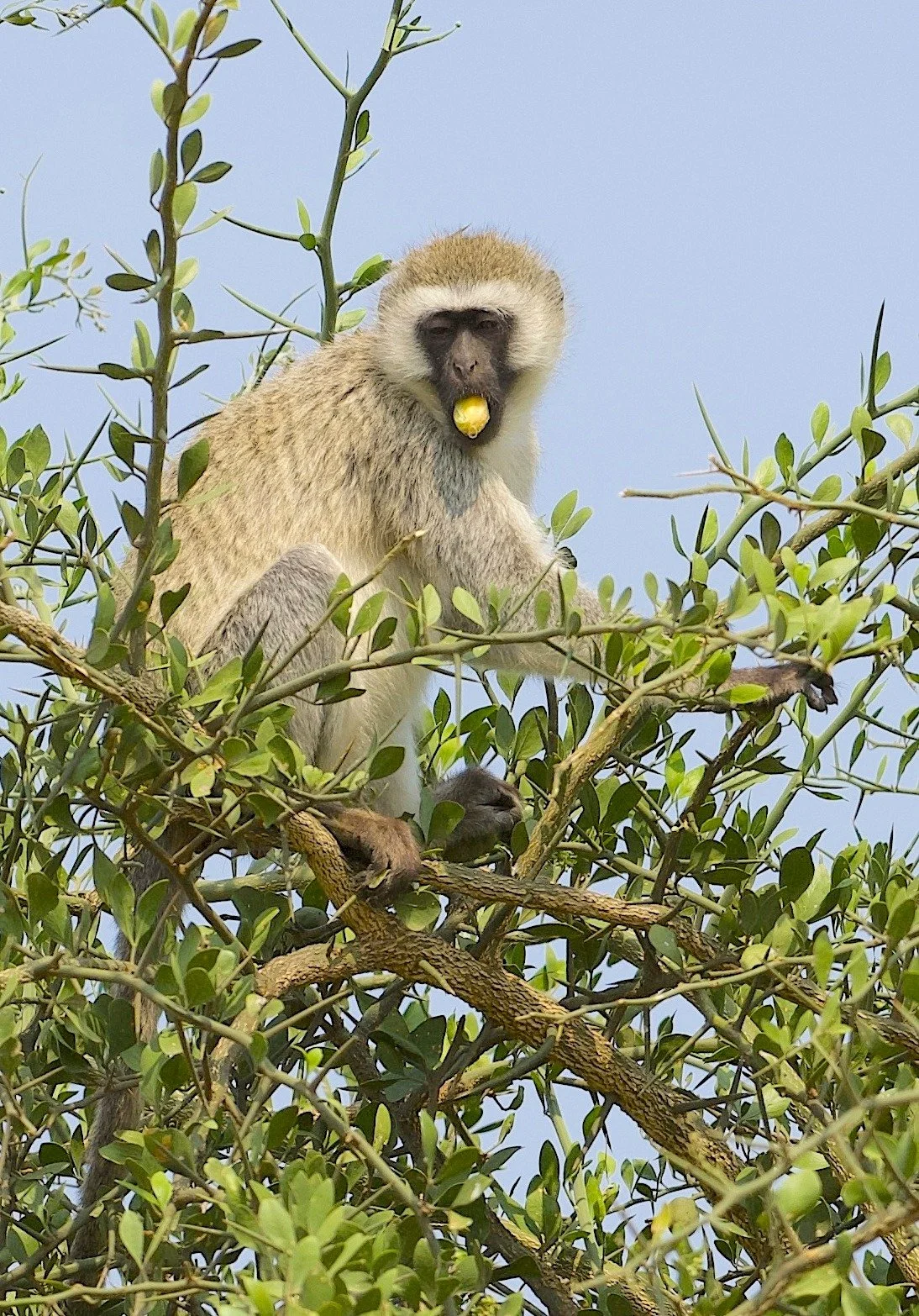
Vervet monkeys (Chlorocebus pygerythrus) live in noisy groups. They grunt, chatter, squeak, and scream. These noises have been studied by biologists with surprising results.
Vervets have specific alarm screams that initiate different group responses. For example, one type of scream suggests the presence of a predator like a leopard. When issued, the group responds by scurrying into the smallest branches (outermost parts) of a tree. A second type of scream suggests danger from the air (like an eagle). The group responds by either scurrying to the innermost parts of the tree or diving into a bush. A third type of scream suggests a snake. The group stands up high on their hind legs and scans the ground.
These are just three examples. Get ready for this: Vervets have at least 30 unique alarm screams.
This vervet didn’t seem too perturbed by my presence. Or maybe he was too busy enjoying a star fruit to scream.
Mongoose Buffet
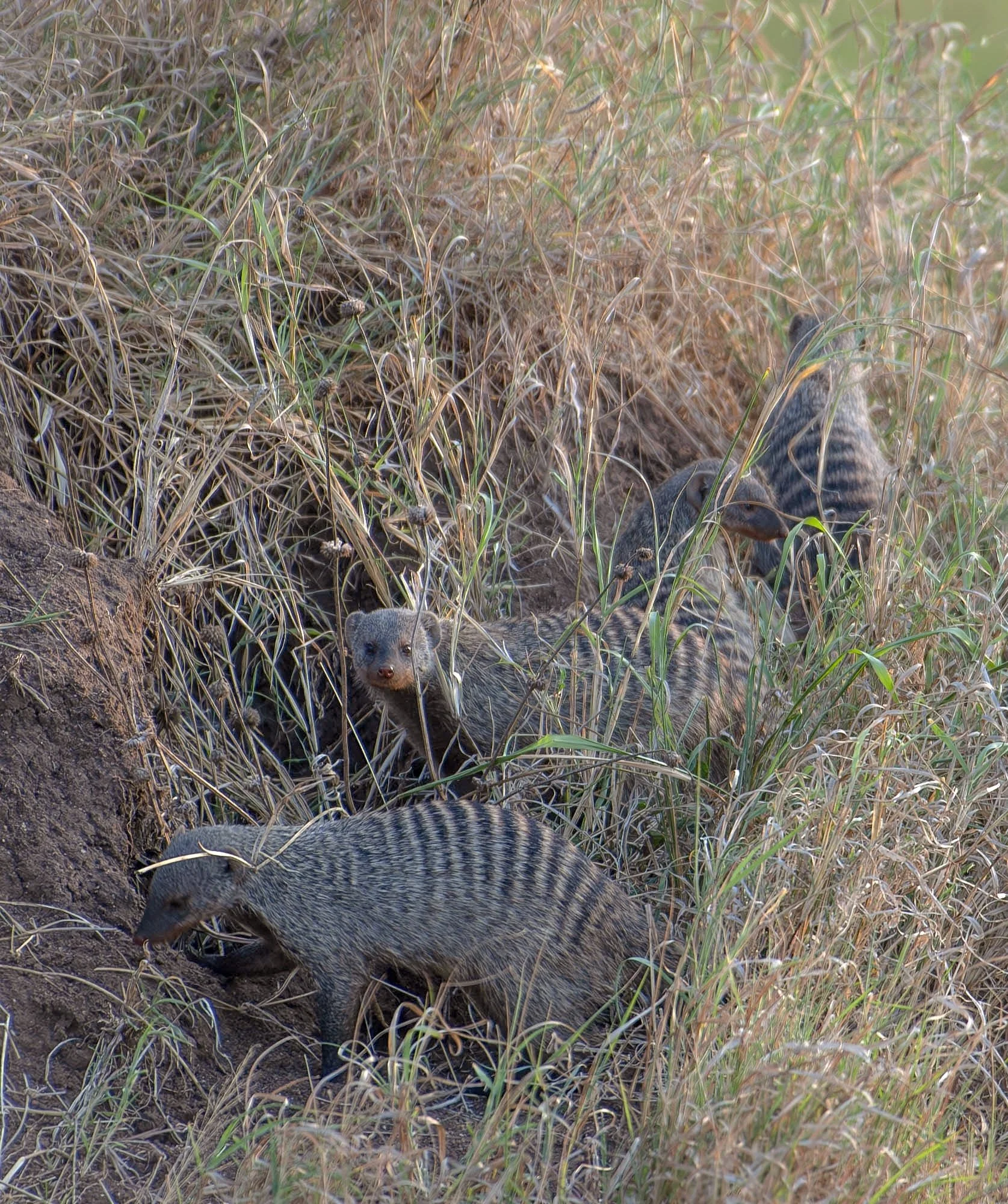
A foraging group of Banded mongooses swarms a termite mound, digging, scratching, munching. These critters, about the size of a cat, live on a diet of insects, but are opportunistic diners who will take snails, mice, rats, frogs, birds, fruit, and occasionally, venomous snakes.
Termite mounds are a buffet.
This group of about 20 mongooses came up behind us as we were looking for other game. They quickly picked over this mound, then disappeared back into the grass.
The Banded mongoose (Mungos mungo) is a successful hunter in the Serengeti. There are 22 other species of mongooses worldwide.
As a child, I thought Rikki-Tikki-Tavi was the coolest hero ever. He was a little Grey mongoose with a bottle-brush tail who lived in a place far away. How can you not hold your breath when you read these words?
"At the hole where he went in
Red-Eye called to Wrinkle-Skin.
Hear what little Red-Eye saith:
'Nag, come up and dance with death!'"
Goodbye, Greece!
We bid farewell to Greece.
Delicate, but Tough
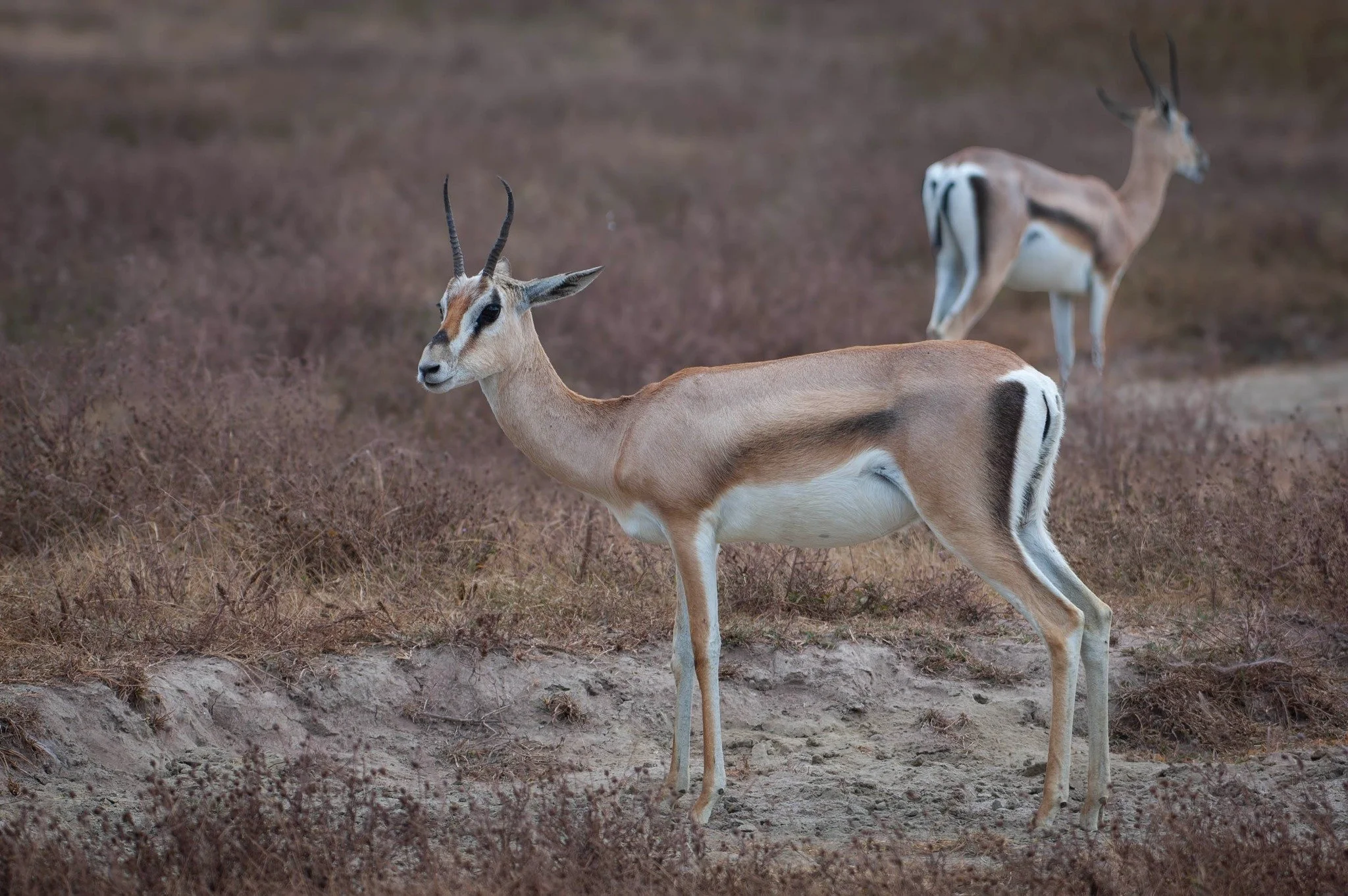
Behold, a female Grant's gazelle (Nanger granti). So delicate!
This gazelle is grazing among the tough brittle-brown grasses of the Serengeti. What is unique about Grant's gazelle is that it is very efficient in digesting dry matter. It rarely needs to drink! This means that unlike other species that require stops at water holes during the dry season, the Grants can avoid them. This means they can also avoid the predators waiting there.
Delicate in some ways, but really tough in others. That's a Grant's gazelle!
Battle between the Muncher and the Munched
Can you see the battle?
The acacia tree has an umbrella shaped crown with many tiny leaflets. These leaflets are precious reservoirs of moisture in the arid areas of East Africa.
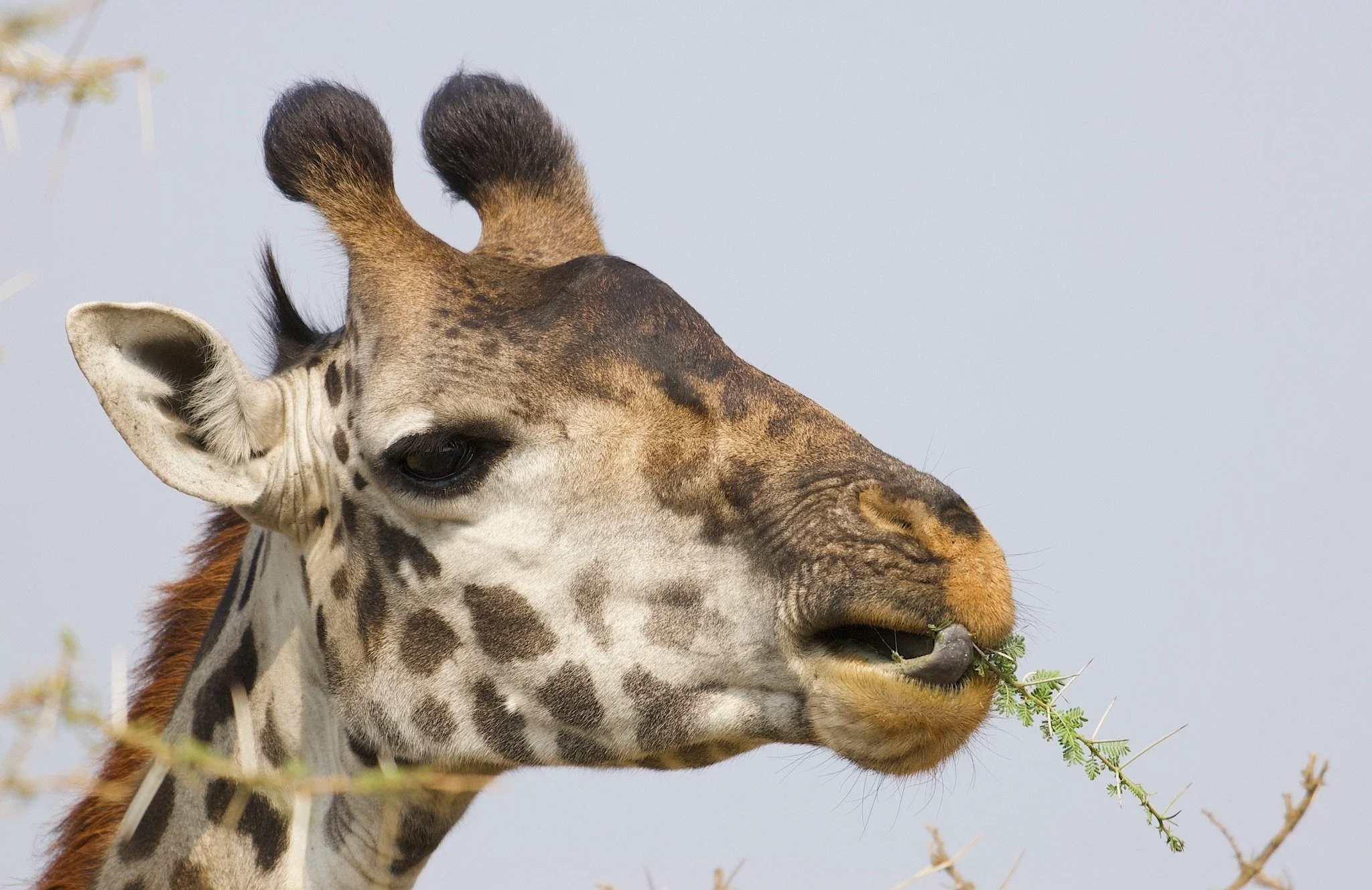
The giraffe has acute needs for moisture and food. It also has a long neck allowing it unique access to the acacia crown.
But the acacia branches are lined with sharp spines to thwart browsers like a giraffe.
But the giraffe has a long tongue, capable of stripping the leaflets and twigs from between the thorns. It also has a tough mouth and really gooey saliva that coats the munched mess and helps it swallow (Imagine how horrible a sore throat would be for a giraffe!).
But the acacia tree has two lines of chemical defense when it senses an attack. Internally, it releases a tannin that turns the tiny leaves bitter, and if ingested in quantity, poisonous. Externally, the acacia releases a gas into the air. Other acacias, located downwind, get a whiff and release their own tannins, becoming inedible for a period of about two weeks.
But the giraffe has long legs. He tastes the tannins, moves on, upwind, to find an unsuspecting tree. He stretches and takes a nibble.
But biting ants swarm the mouth and lips of the giraffe. It appears that some acacias have hollow swollen spines, a perfect home for biting ants. The tree provides the ants with sweet nectar and shelter, and ants serve the tree as bodyguards.
The giraffe shakes off the insects and moves on.
And so the battle rages between the muncher and the munched.
The Wedding Chapel of Richard the Lionheart
The wedding chapel of Richard the Lionheart is on the island of Cyprus.
A Wonderful Bird . . .
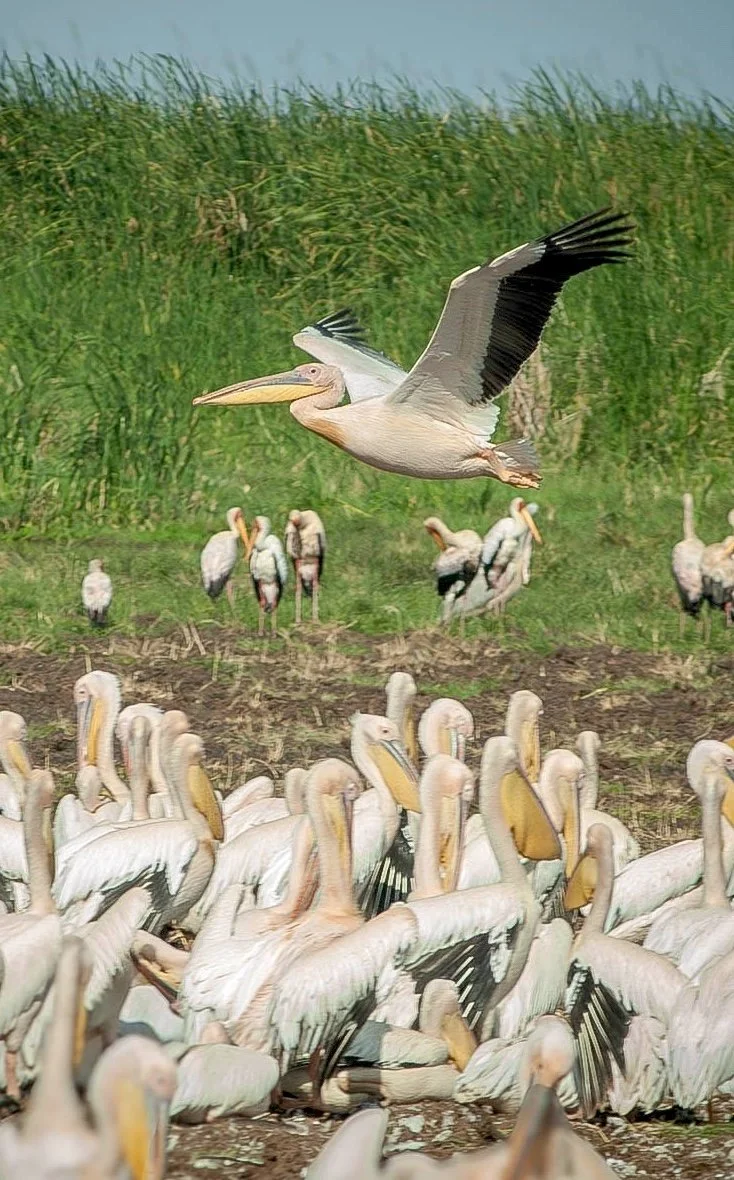
"A wonderful bird is the pelican . . . "
Do you know that the Great White Pelican (Pelecanus onocrotalus) is a hefty bird with a wondrous gular pouch. The pouch hangs under the jaw (like a hammock), is expandable, and is used as a scoop for fishing.
I found this flock basking in the shallows of Lake Manyara, Tanzania.
Oh, and for the curious: the pouch can hold up to three gallons, three times more than its bellycan.
Copper Island
The Mediterranean island of Cyprus is famous for copper, beaches, and biblical connections.
Gossamer Wings
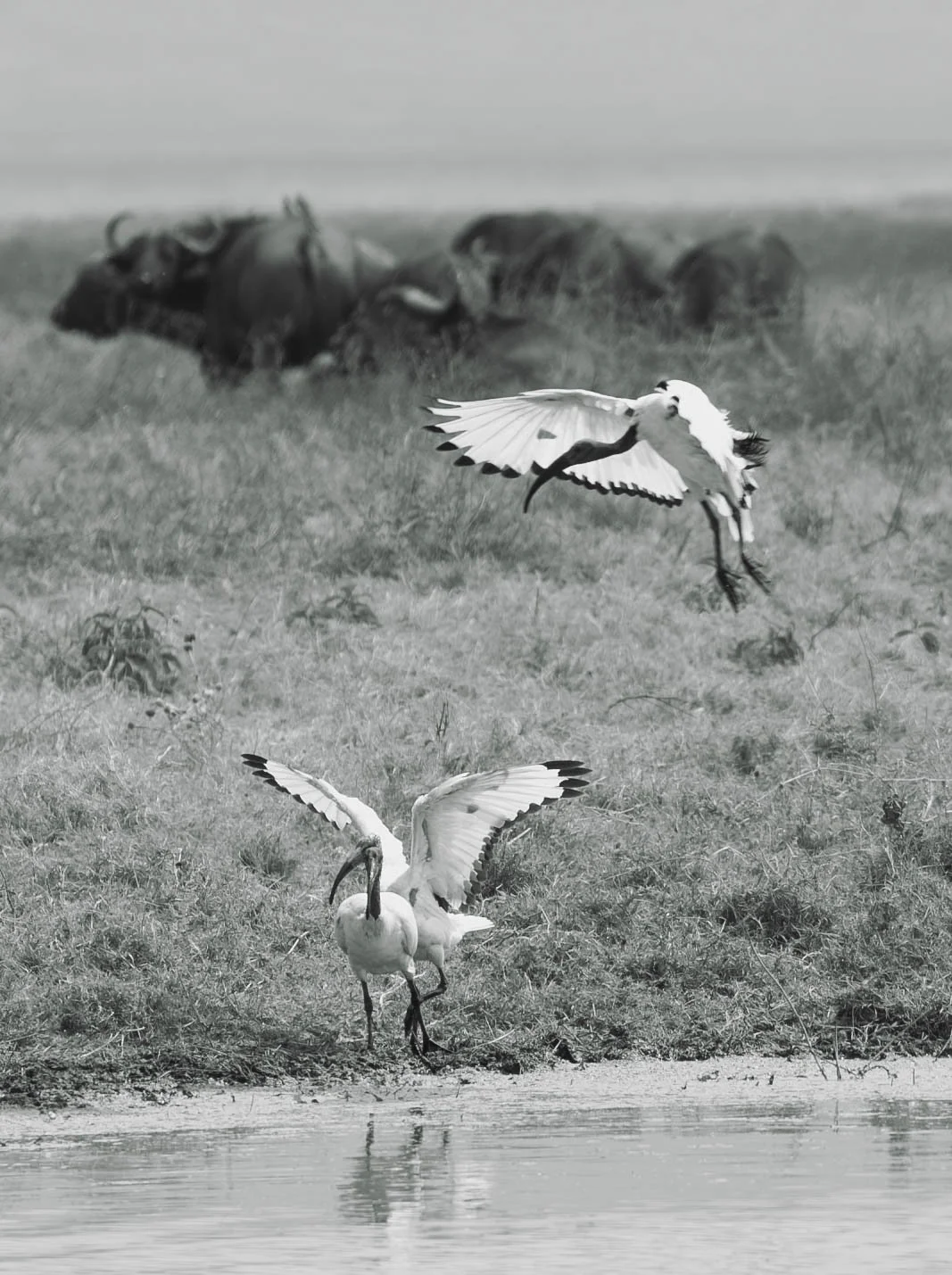
Three ibises hover around the edge of a waterhole in Ngorongoro Crater, Tanzania. Buffaloes lounge in the background.
I’ve posted shots of the African Sacred Ibis (Threskiornis aethiopicus) before. The “forward assembly” of this large wader would make a vulture blanch: bald, dull, wrinkled; unblinking eyes sit behind nostril slits on a downward bending beak. However, I am attracted to the beauty of the ibis wing. it’s gossamer-like feathers with black tips fan open and close elegantly. Viewed in black and white, the texture may be appreciated.
Safari with us in Africa next year. There is a seat in a knobby-tyred 4x4 waiting for you.
The Landing Gear is Suspect
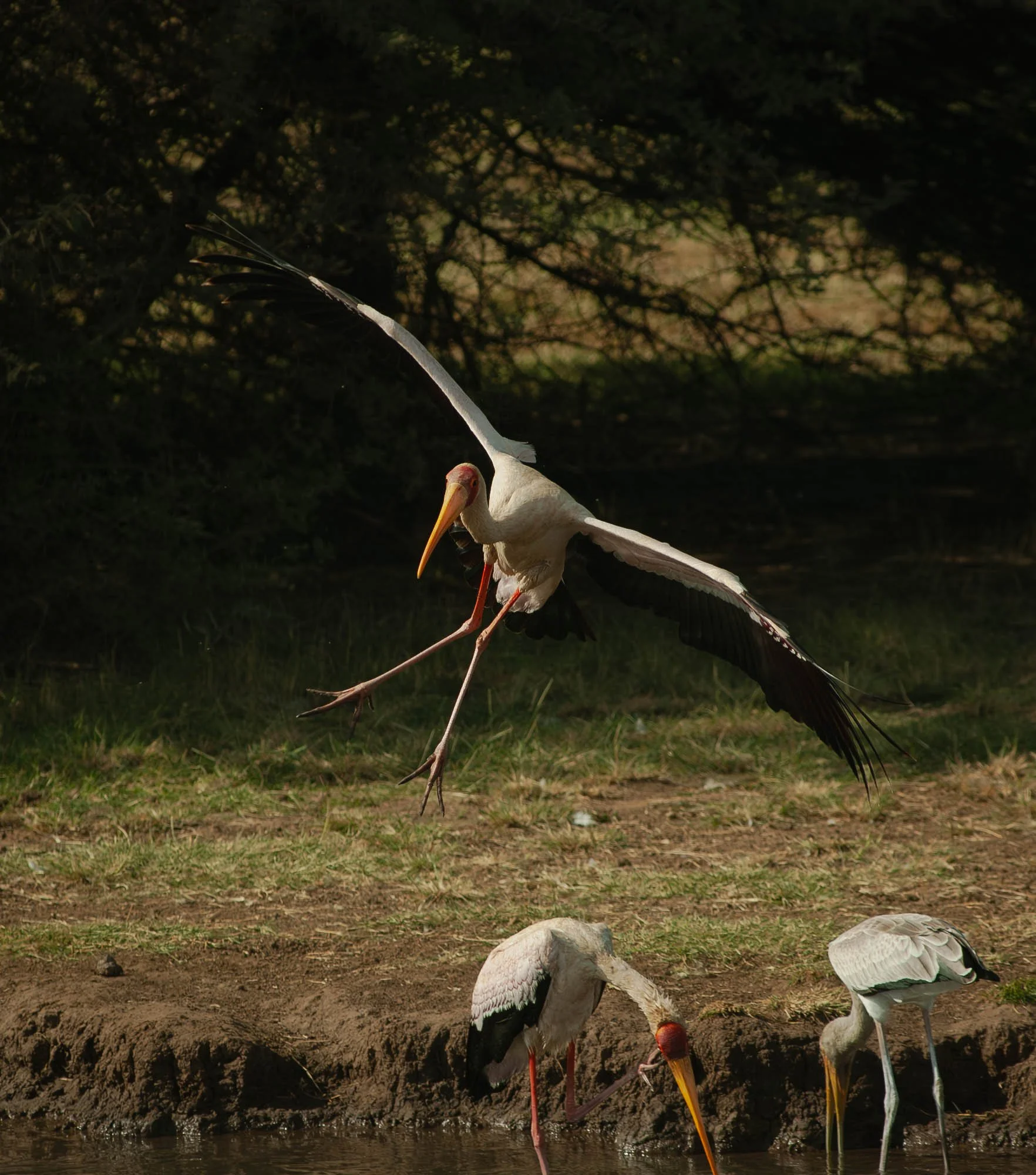
“Any landing you can walk away from is a good landing,” the pilot chuckled.
I hope this one ends well for this Yellow-billed stork (Mycteria ibis). Those spindly legs make for good waders but seem a little suspect as landing gear.
I photographed these birds feeding in the wetlands of Lake Manyara National Park, Tanzania.
Bible Land Explorer has several safari excursions (public and private) to East Africa slated for the coming year. PM me if you are interested in scouting for cheetahs, "glamping" in the Serengeti, chatting about the wonders of creation, you know, that sort of stuff.