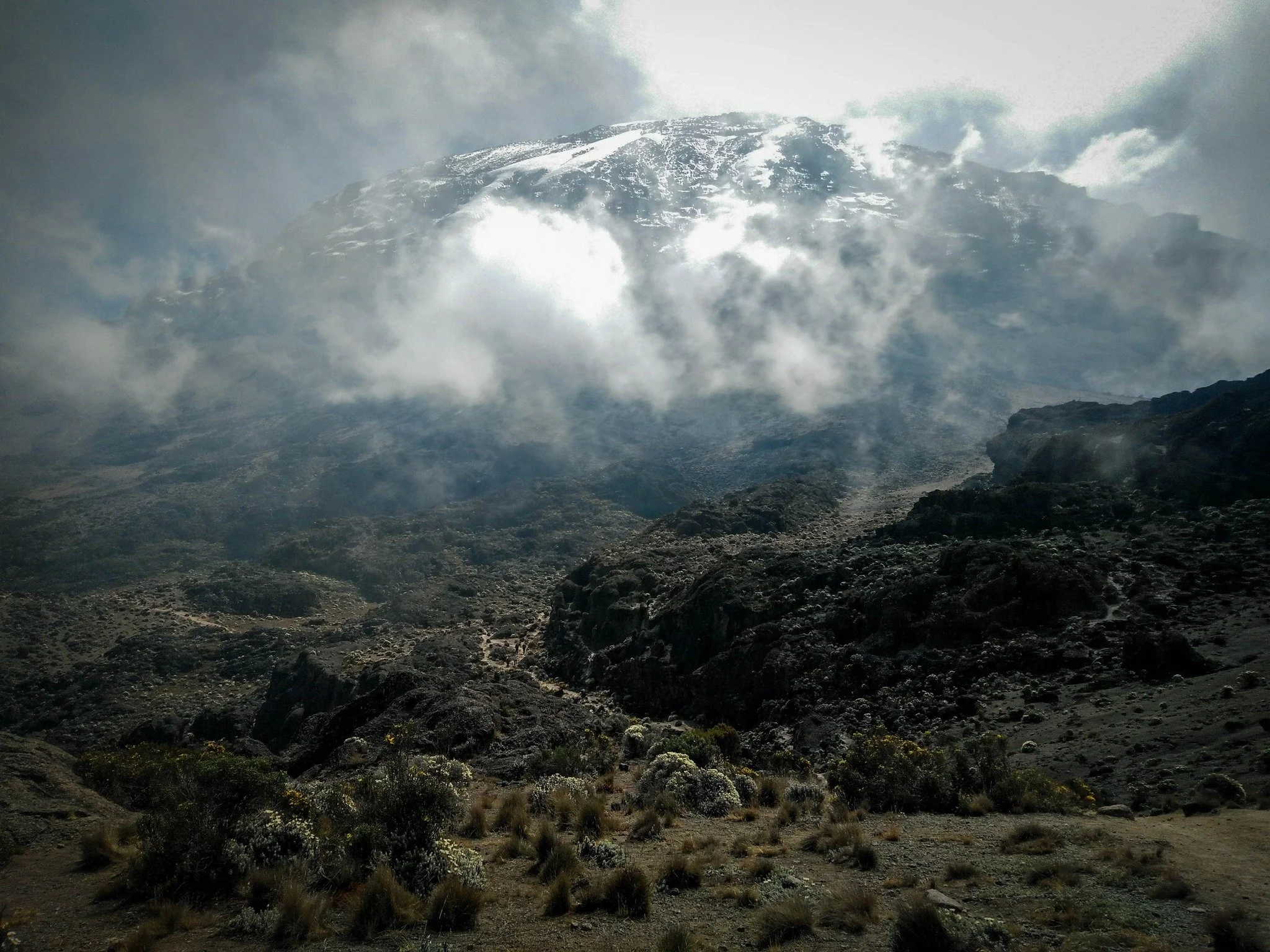
Mt Kilimanjaro: The Roof of Africa

Need a little mid-week inspiration? How about a trail view to the Roof of Africa to brighten your Thursday?

Standing an imposing 19,341 feet above sea level, Mount Kilimanjaro is the highest peak on the African continent and one of the world’s famed Seven Summits. This dormant stratovolcano dominates the Tanzanian skyline, offering a silhouette that has captured the imagination of explorers for centuries.

A Peak for the Persistent

Despite its intimidating appearance, Kilimanjaro holds a secret: it is not a technical climb. You don’t need ice axes or ropes to reach the summit. In fact, it can be scaled by any hiker in good physical shape with a healthy dose of mental toughness. It’s a “trekker’s mountain,” making it one of the most accessible high-altitude peaks on the planet.

A Journey Through the Biomes

Part of what makes the Kilimanjaro experience so special is the sheer variety of environments you encounter. Climbing the mountain is like walking from the Equator to the North Pole in just a few days. You’ll trek through five distinct biomes:

  • Cultivation & Rainforest: Your journey begins in sweltering, lush tropical forests.

  • Heath & Moorland: The trees thin out into giant lobelias and shrubs.

  • Alpine Desert: A stark, lunar-like landscape.

  • The Arctic Summit: The final push ends in a frozen alpine zone of glaciers and scree.

Pro Tip: Layer Up!

If there’s one lesson every Kili climber learns, it’s this: Bring your woolies, but wait to put them on! You’ll start your hike in shorts and a t-shirt, but you’ll finish in heavy down gear.

Whether you're dreaming of standing on the summit or just admiring the view from the savanna below, Kilimanjaro is a powerful reminder of the diverse beauty found in the heart of Africa.
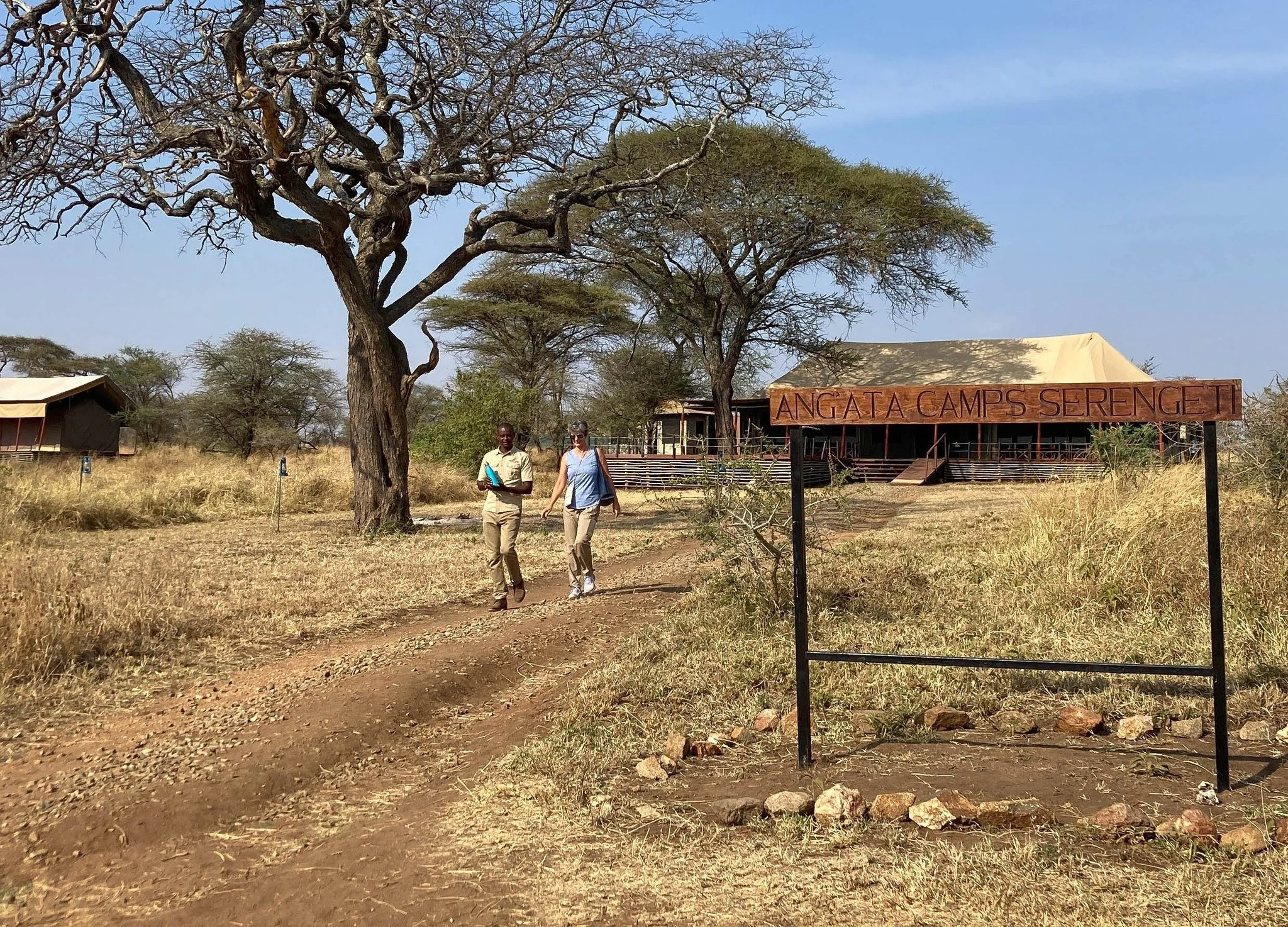
Luxury Lodging Meets Untamed Nature: Ang'ata Bush Camps

Bush camps like Ang'ata aren't just lodging; they are your front-row seat to the wild. Don't let the environment fool you—behind the canvas beats 5-star heart.

Imagine returning from a dusty game drive to a hot shower, a three-course meal that rivals any city restaurant, and "Bush TV" (our nightly campfire) under a sky so clear the Milky Way feels within reach.

While our 2025 and 2026 excursions are fully booked, we are preparing for 2027. Email us here for details. Come experience the Serengeti exactly as it was intended.

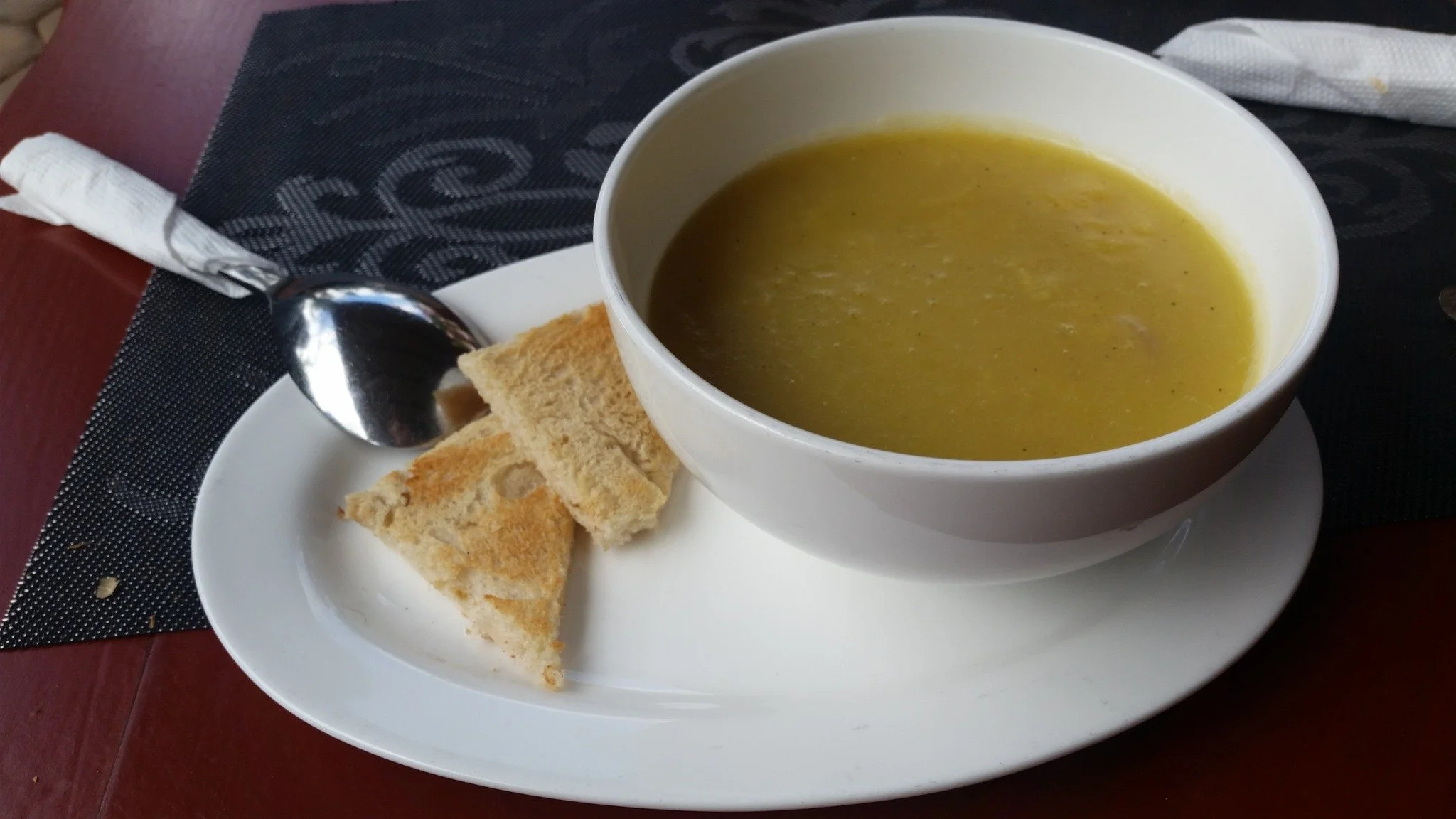
Mtori: The Savory Tanzanian Banana Soup You Need to Try

A bowl of creamy Tanzanian Mtori soup made with mashed green bananas and beef

In Tanzania, banana soup—traditionally known as Mtori—is a savory, creamy staple that often surprises travelers expecting a sweet dessert. Originating from the Chagga people in the Kilimanjaro region, this hearty dish is made with starchy green bananas (matoke) rather than the sweet yellow variety.

It's a shame that you have to go all the way to East Africa to find a bowl. Anybody know a more local place? Anybody have a good recepe?

Maasai Shuka: The African Blanket and Cultural Identity

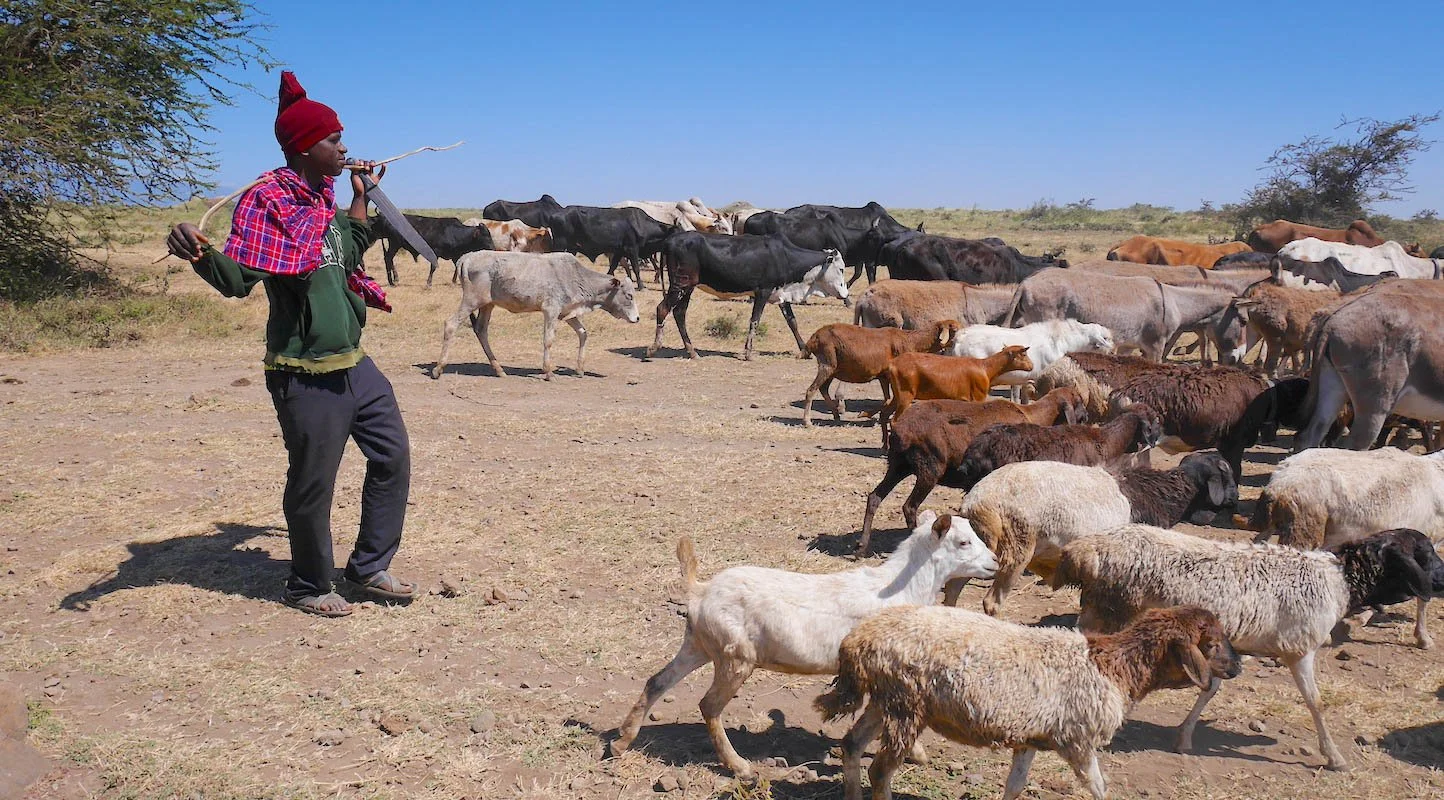
Maasai herder near Arusha wearing a traditional red and blue plaid Shuka cloth.

The vibrant plaid you see on the herder's shoulders isn't just a wrap—it’s the Maasai Shuka. Known as the “African blanket,” this durable cloth is a powerful symbol of identity for the Maasai people. Usually found in bold reds to symbolize power or blues to represent the sky, it is as functional for warmth on the plains as it is striking to the eye.

Fun Fact: While the Shuka is globally recognized as Maasai, it is widely believed that the plaid patterns were originally influenced by Scottish missionaries during the colonial era, which the Maasai then adopted and made uniquely their own!

I captured this image on our way to our first Kilimanjaro climb. Now, as we prepare for Zanzibar, I’m reminded of how every corner of this country tells a different story.

Kirk's dik-dik

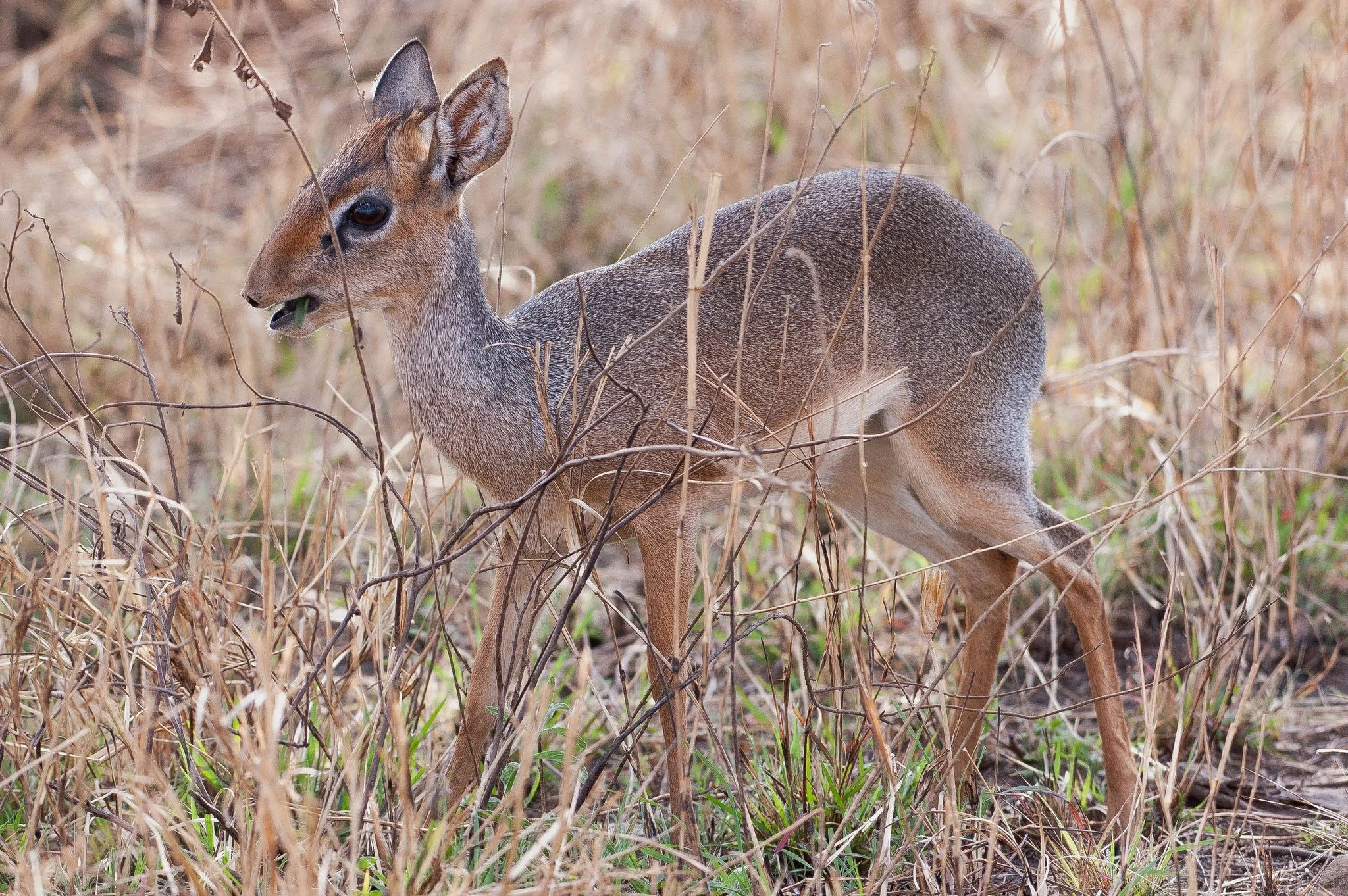
A Kirk’s dik-dik standing in the grass of the Tanzanian Serengeti showcases its unique snout.

Would you believe this little guy is only 12 inches tall?

Meet the Kirk’s dik-dik (Madoqua kirkii), one of the smallest antelopes in the Serengeti. Don’t let their size fool you; they are perfectly engineered for the heat. They use a long, tubular snout to pump blood and cool their bodies through “nasal panting.”

Fun Fact: That same snout acts as a built-in whistle! When they’re startled, they make a shrill "dik-dik" sound to warn others, which is exactly how they got their name.

I captured the image of this tiny marvel in the Serengeti. It’s a beautiful reminder of the incredible detail found in Creation.

The Lighthouse of Alexandria is under it?

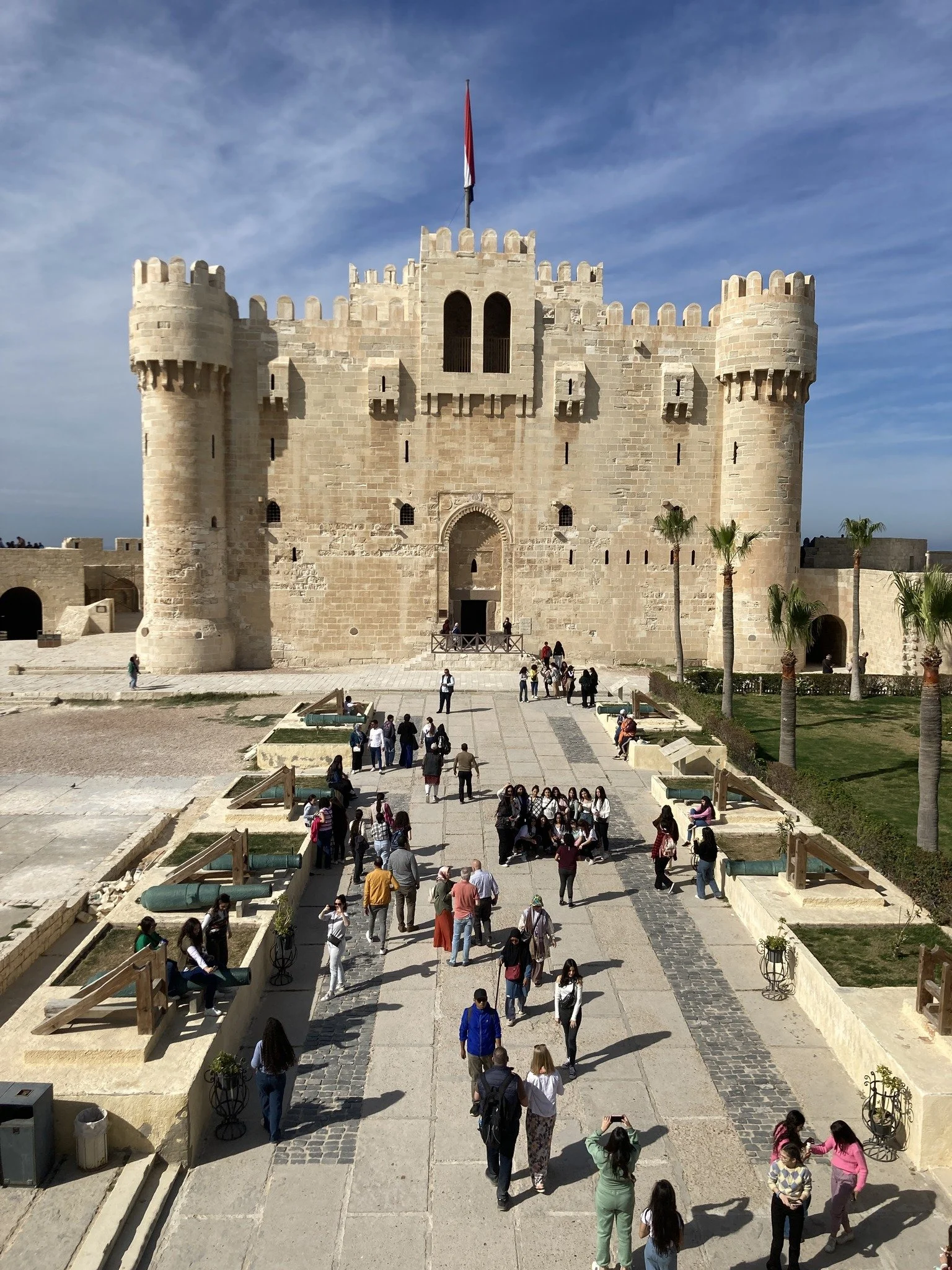
It is believed that remains of the legendary lighthouse of Alexandria rest beneath the 15th-century walls of the Citadel of Qaitbay. Alexandria, Egypt.

The Layers of Pharos Island

When you stand before the towering limestone walls of the Citadel of Qaitbay in Alexandria, you are looking at a brilliant example of 15th-century military architecture. Built by Sultan Al-Ashraf Qaitbay to defend the Mediterranean coast, it remains one of the most iconic sights in Egypt. But for the traveler with a keen eye, the fortress is only the top layer of a much deeper story.

A Wonder Beneath Your Feet

The Citadel was famously constructed using the fallen stones of the Lighthouse of Alexandria (The Pharos). Once soaring over 300 feet high, the lighthouse was one of the Seven Wonders of the Ancient World. Today, as you explore the fortress, realize you are walking atop the massive granite blocks that once guided mariners through the harbor of the Hellenistic world.

The Birth of the Septuagint

For those of us traveling with a focus on Biblical history, Pharos Island holds a significance that rivals its architectural fame. Ancient tradition, beginning with the Letter of Aristeas, suggests that Ptolemy II established a quiet retreat center here. It was in this secluded environment that 72 Jewish scholars were tasked with translating the Hebrew Bible into Greek.

This monumental effort resulted in the Septuagint (LXX). This translation was not just a linguistic feat; it was the version of the Old Testament most frequently quoted by the Apostles and the early Church. To visit this island is to visit the birthplace of the bridge that brought the Word of God to the wider Greek-speaking world.

Join Us in May 2026

History like this isn’t meant to be read from a distance—it’s meant to be walked. We are thrilled to be returning to Alexandria as part of our comprehensive Biblical Egypt Tour. Dates are May 5–19, 2026. For more information, see the link here.

We will explore the Citadel, stand where the lighthouse once glowed, and reflect on the scholars who labored here to preserve the Scriptures for generations to come.

Lion King?

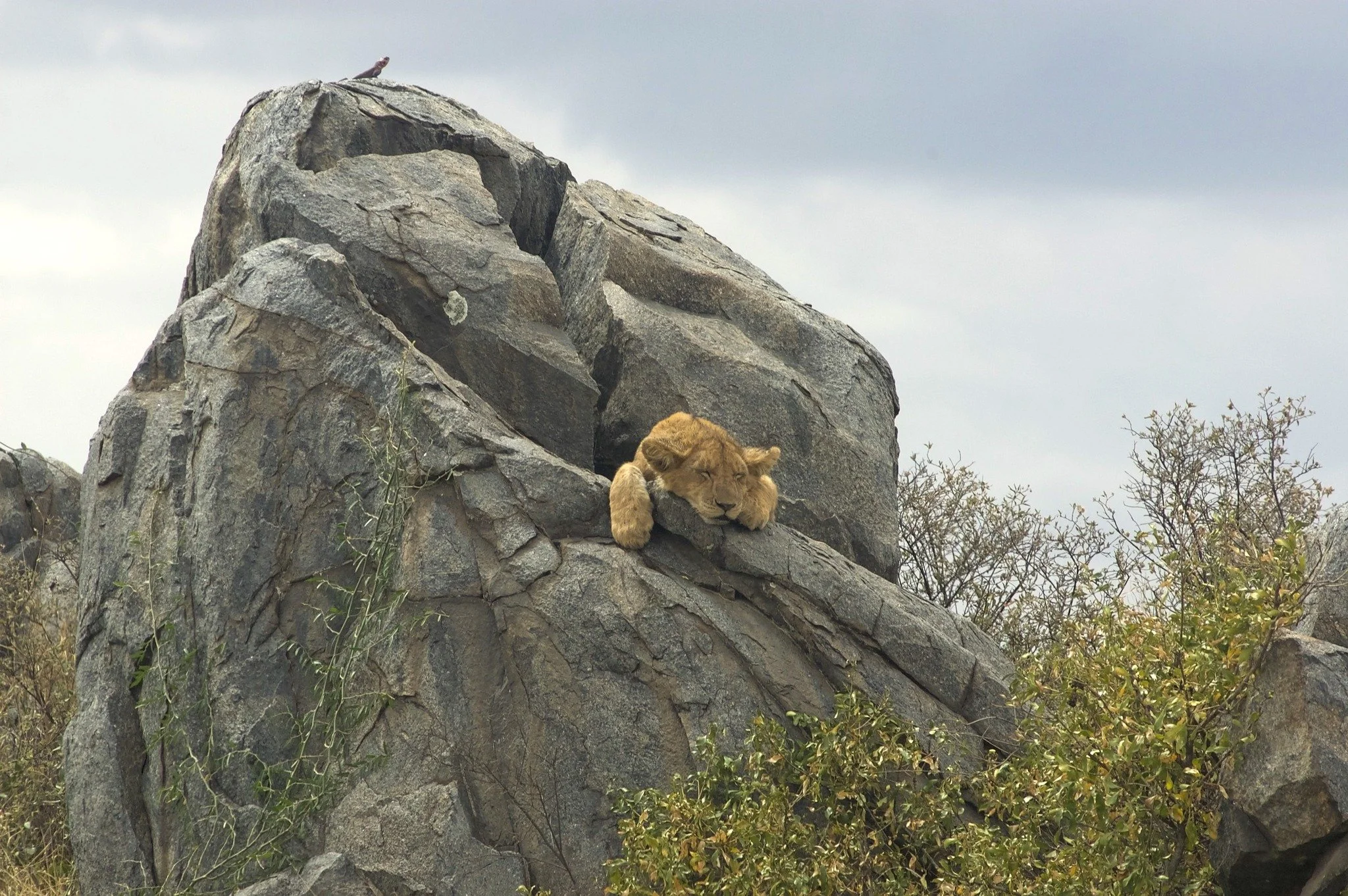
Young lion sleeping on a kopje. The kopje on the Serengeti is a hill that rises sharply from the surrounding plain. Made of granite, the kopje is a geological relic. The softer volcanic soil has eroded away, leaving this "basement" rock standing tall. Kopjes function as islands of life.

Disney's Lion King portrays the presentation of baby Simba from the ledge of a kopje.

If kopjes and lions tickle your imagination, you need to join us on safari in 2026.

Faster than the Indy Pit

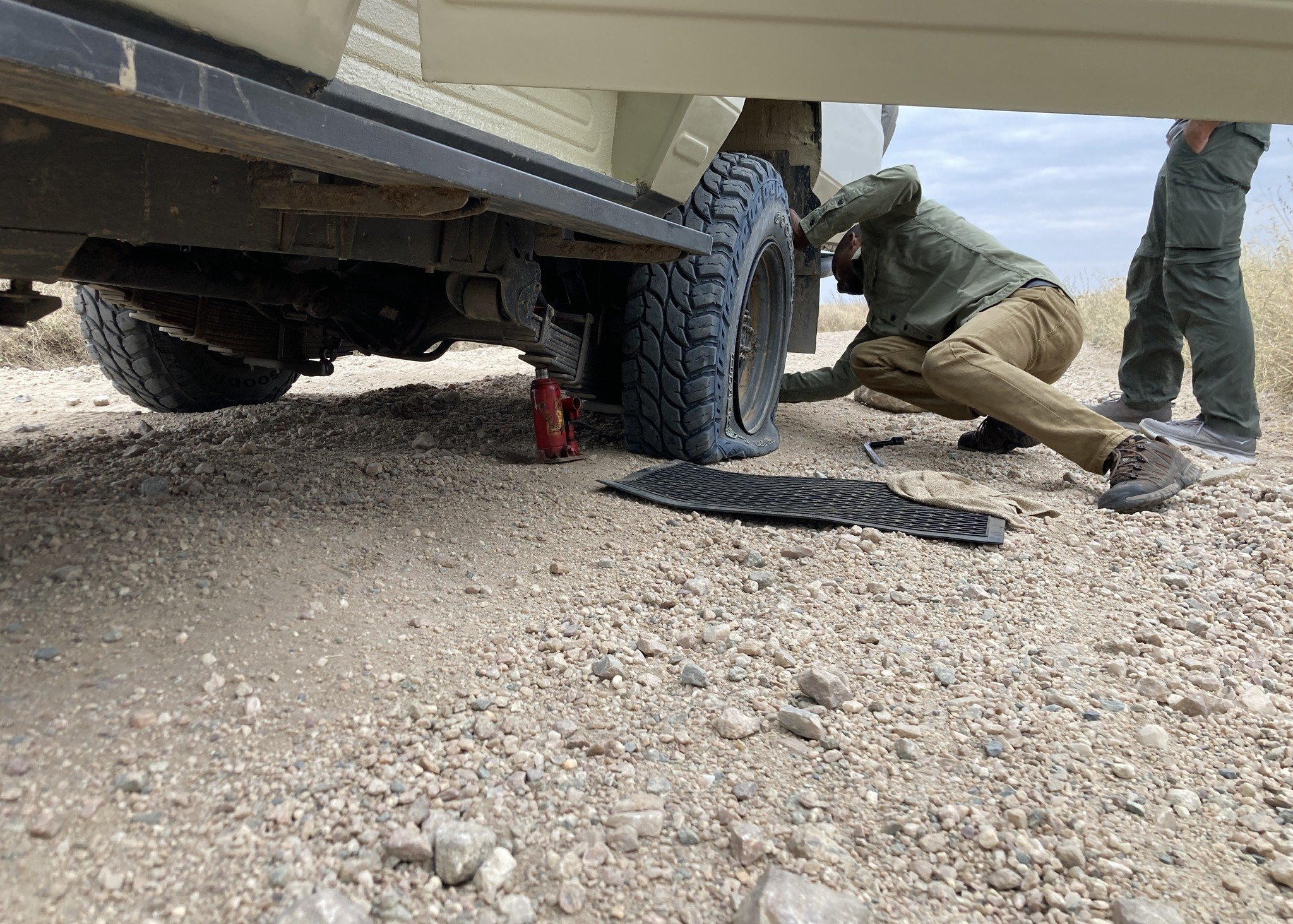
There are few things as invigorating as fixing a flat tire with lions nearby. Ellie nimbly replaces the wheel while Steve keeps an eye on a group of females and cubs (about 20 meters away). I'm just picture taking. All of us are a twitch away from jumping back into the rig!

Insert a little vigor into your life and watch for lions in the last great wild place on earth: the African Serengeti. We have 4x4 seats waiting for you next February (birthing season in the grasslands).

Since you appear to be into grease and dirt, check out this sweet rig here.

Tobiad Art

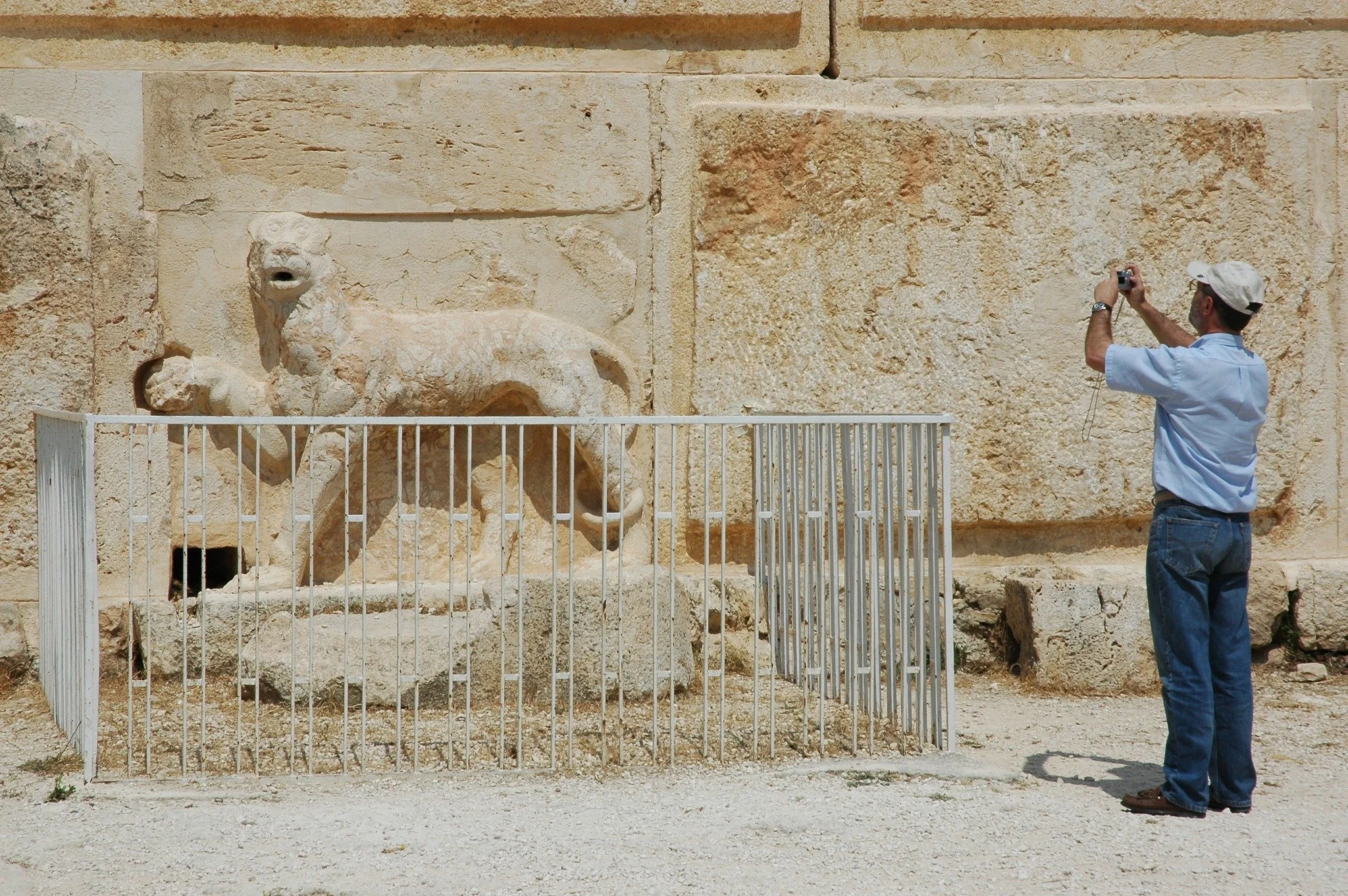
Ron Wakeman (Tell Jalul excavations, 2004?) photographs a lion/leopard carved on the exterior wall of the palace at Araq al-Amir (Jordan).

The 3rd c BC palace was at the center of a large estate in the Wadi al-Seer. It was surrounded by a lake and it is likely that the feisty feline functioned as a fountain with water flowing from its fauces!

The estate at Araq al-Amir belonged to a powerful Tobiad family known from sources inside and outside the Bible. See Josephus (Ant XIII 230–233) for more.

Goddess of Gadara

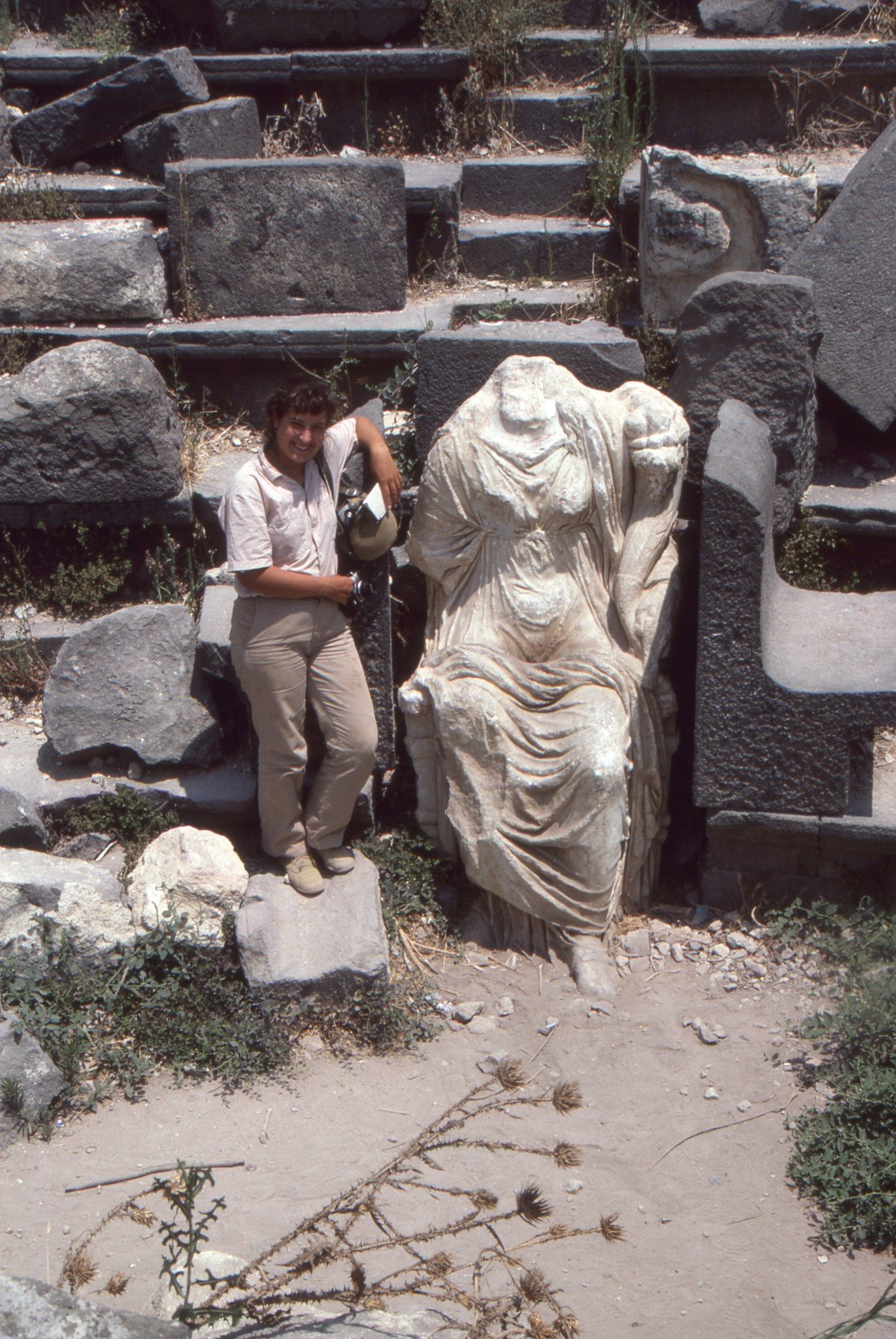
Amy Deeds (Barr) stands beside the seated goddess of Gadara (Umm Qays), Jordan. The goddess holds a cornucopia in her left hand and is believed by most to be a 2nd c AD depiction of Tyche. I shot this slide (yes, that's how it used to be done) in the western theater back in 1986 (We were digging in Abila that summer). The statue is in its original position in the lowest row of the seats of the orchestra.

Gadara was one of several cities (more than 10!) that were part of a league remembered in the NT as the Decapolis. Gadara is well-known for the healing story of the "Gadarene demoniac" (Mt 8:28-34, Mk 5:1-20, and Lk 8:26-39).

Super Drumsticks

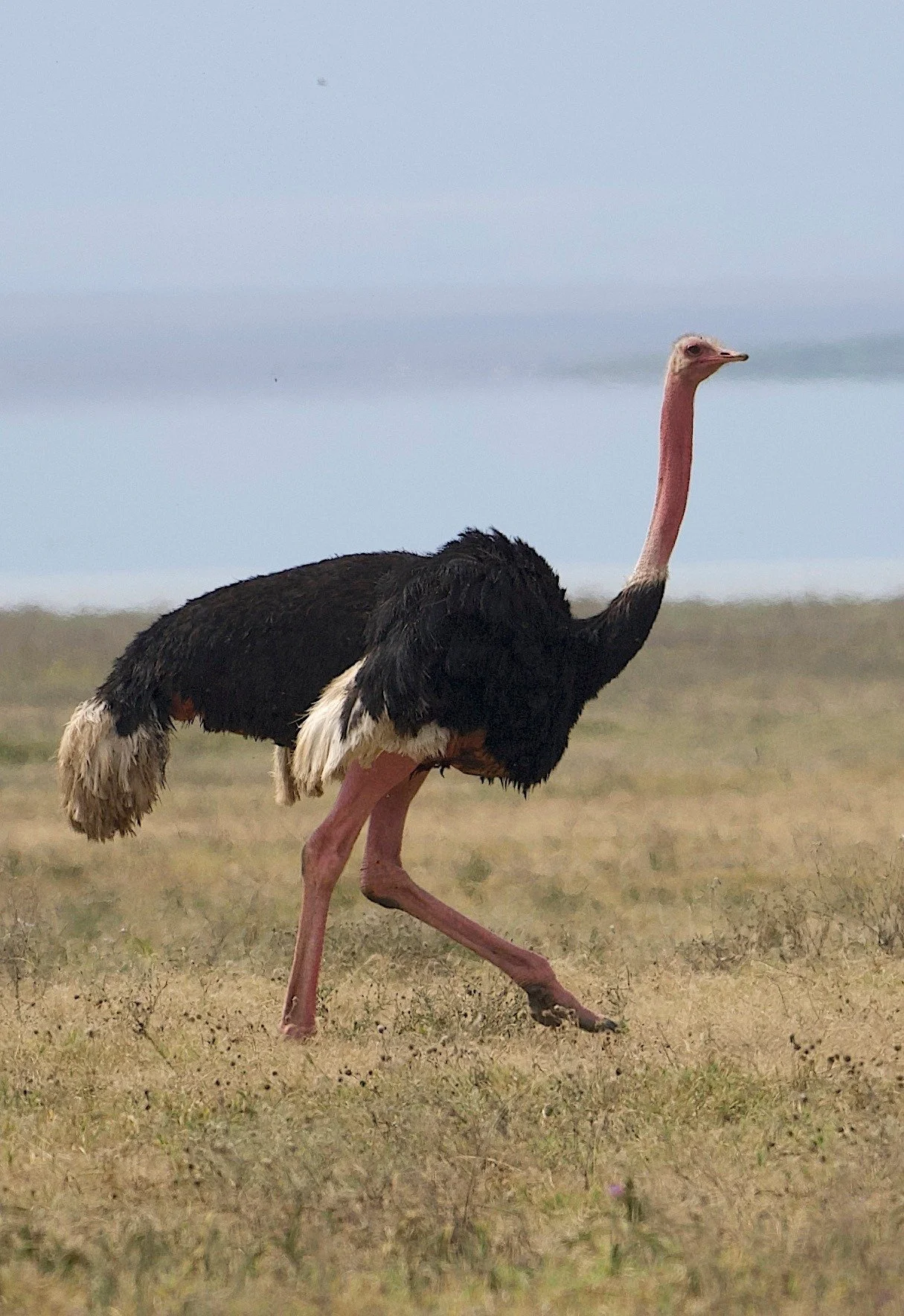
Did you know that an ostrich can sprint at speeds beyond 40 miles an hour and can kill a cheetah with just one kick. On the end of each foot are two toes, armed with sharp 4-inch claws.

I photographed this male in the Ngorongoro Crater, Tanzania.

Our 2026 African safaris are full, but will be opening seats for 2027 soon. Stay tuned.

Very Good

"God eyed all that he had made and (just look!) it was very good" (Gen 1:31). Everyday is Earth Day for those who take this statement seriously. Believers have reason to be the greenest people on the planet.

Come to Tanzania. See the goodness and consider creation care with new eyes. Find details in the comments below.

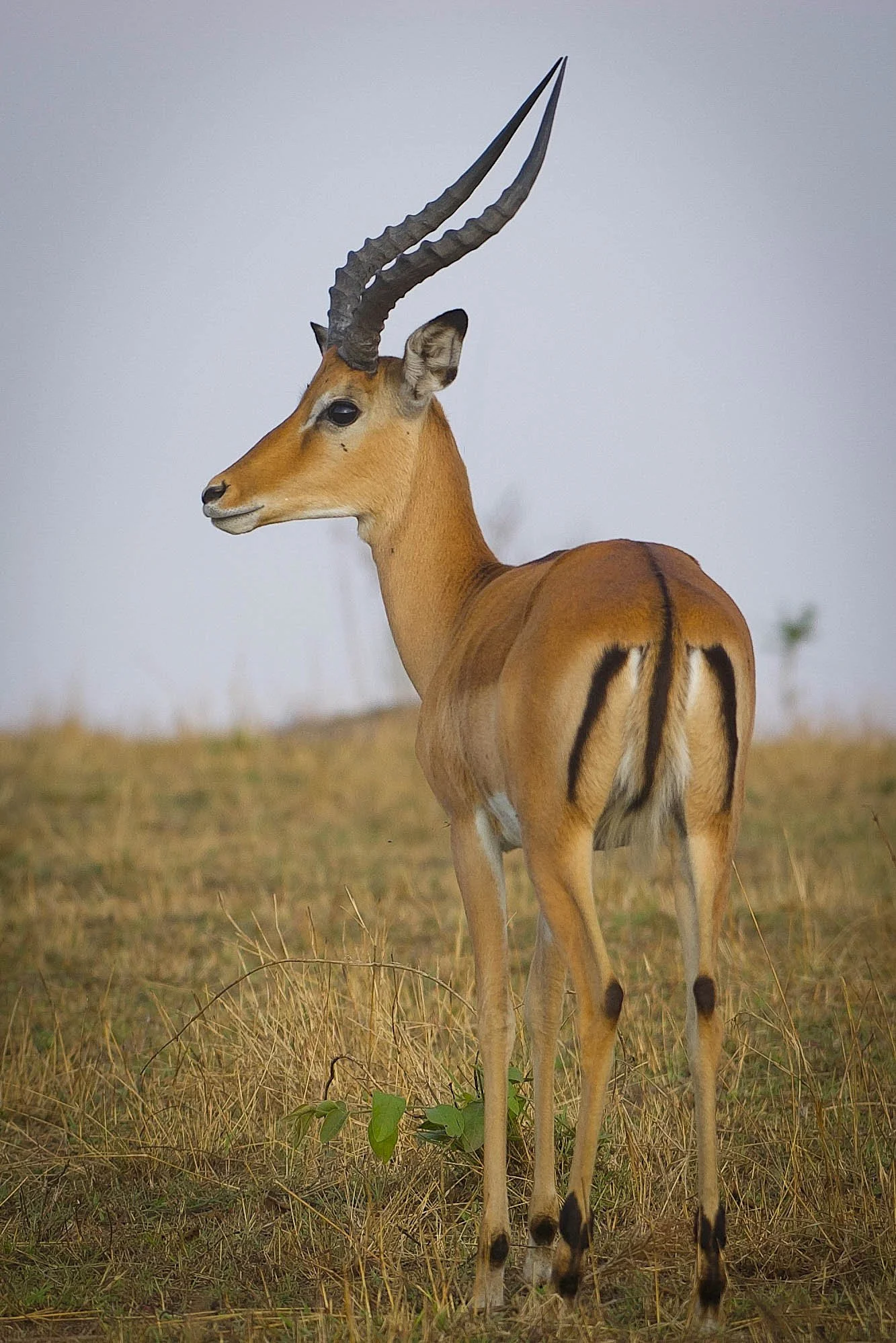
Pictured is the Common Impala (Aepyceros melampus), a graceful mid-sized antelope found in the Serengeti.