Elephants on Parade: Why they gather at the Tarangire River

Big ones, small ones, fat ones, tall ones. Must have seen 100 elephants along the Tarangire River yesterday. Yowza!

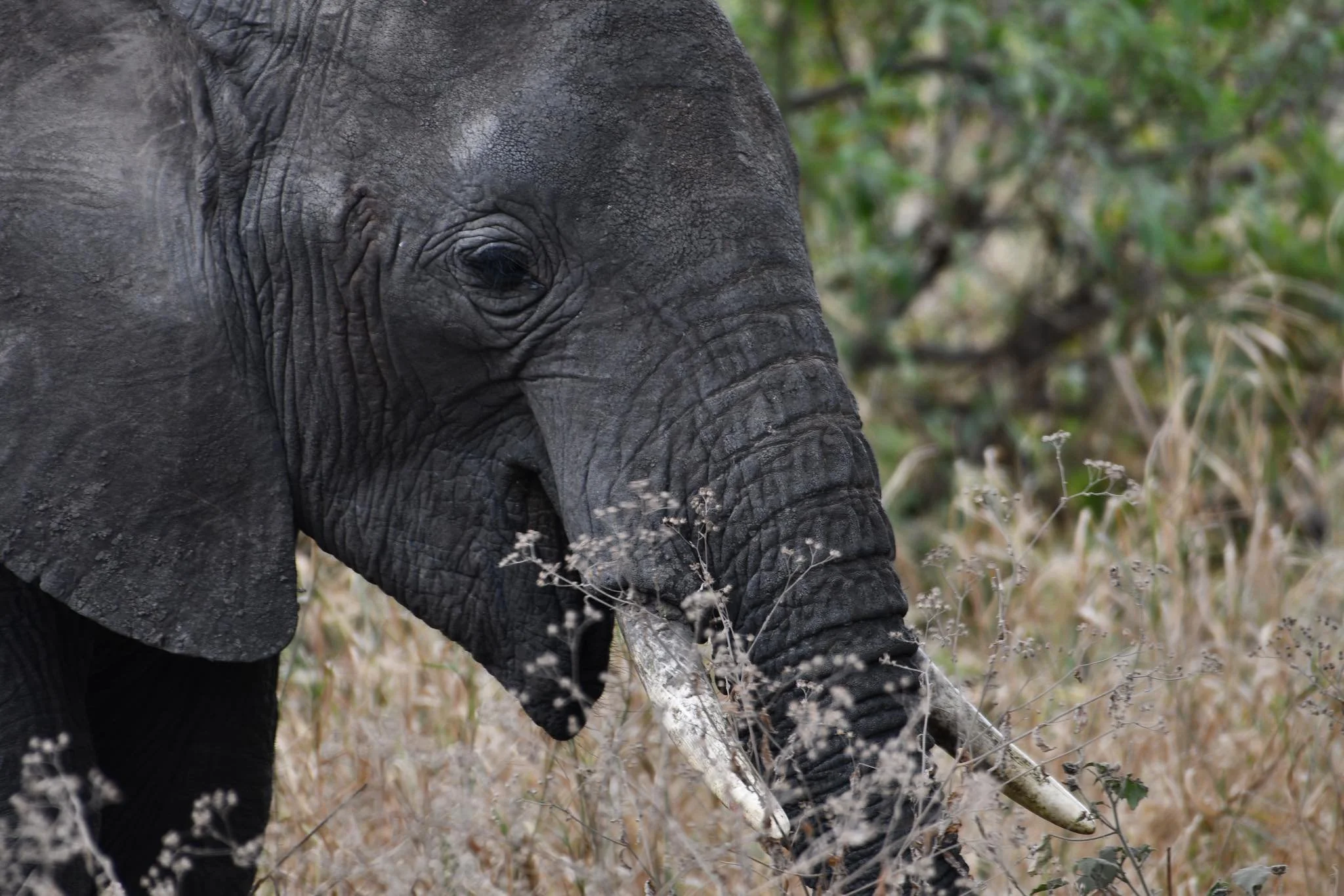
Why are there so many elephants in Tarangire?

One answer is that the park serves as a refuge for an annual migration. Thousands of elephants move into Tarangire from surrounding areas like Lake Manyara and the Maasai Steppe. During peak months (June-October), you can witness herds of up to 300 individuals congregating in a single area.

See the tarangire parade for yourself

African bush elephants (Loxodonta africana) are a delight to watch as they lumber along, dig for water, bathe, or break small trees. You really need to see them to believe their size and power.

2026 Update: Our February expedition is officially SOLD OUT. All seats are taken!

Planning for 2027? Don't miss out on the next adventure. Email us here to get exclusive updates and be the first to know when 2027 reservations open.

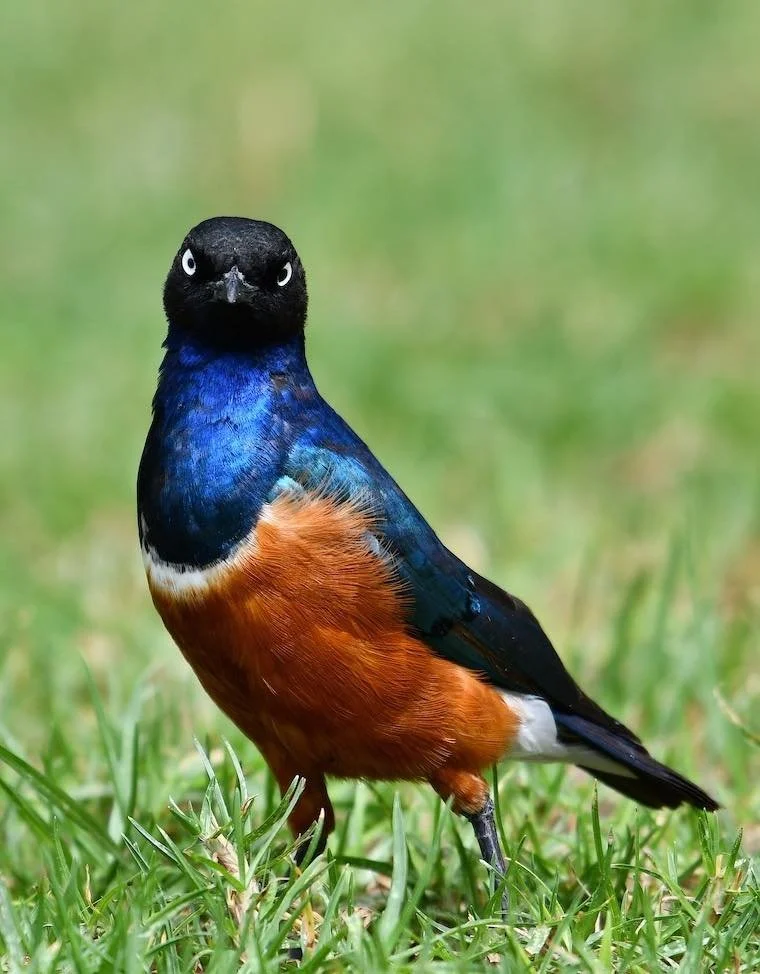
Why the Superb Starling is Superb

Close-up of a Superb Starling with iridescent blue feathers and white breast band near Mount Kilimanjaro.

Arrival at Kilimanjaro: Meet My First Subject

Arrived at Kilimanjaro safely today. Trying to stay awake by playing with a new (used) camera body, lens, and a Superb starling (Lamprotornis superbus)!

You might wonder: why is this bird officially “Superb”? After spending an hour tracking one through the lens, the answer is clear.

It’s All About the Color

The iridescent plumage is breathtaking. Flashes of metallic blue, black, and green meet the eye at every turn. Because their color comes from the structure of their feathers rather than pigments, the sheen across their chest, back, and wings seems to shift and transform depending on how the sunlight hits it.

  • The “Necklace”: Unlike their look-alike cousins, adults have a distinct white breast band that separates their shimmering blue chest from a fiery orange belly.

    Note: For more on their look-alikes, see our post “Hildebrandt’s Starling: The Colorful African Cousin of the Common Starling

  • Piercing Eyes: They sport striking creamy-white eyes that give them a sharp, alert, and slightly mischievous expression.

Personality & Attitude

These birds aren’t just eye candy; they are incredibly social and smart. They live in large, chatty flocks and are famously unafraid of humans, often hopping around picnic sites or safari vehicles with bold curiosity. They are the perfect “welcoming committee” for any African expedition.

See the Superb Starling for Yourself

You really need to see one in person to believe the intensity of their colors. They are living, flying gemstones of the savanna.

2026 Update: Our February expedition is officially SOLD OUT. All seats are taken!

Planning for 2027? Don't miss out on the next adventure. Email us here to get exclusive updates and be the first to know when 2027 reservations open.

The Common Warthog: He’s got Chops

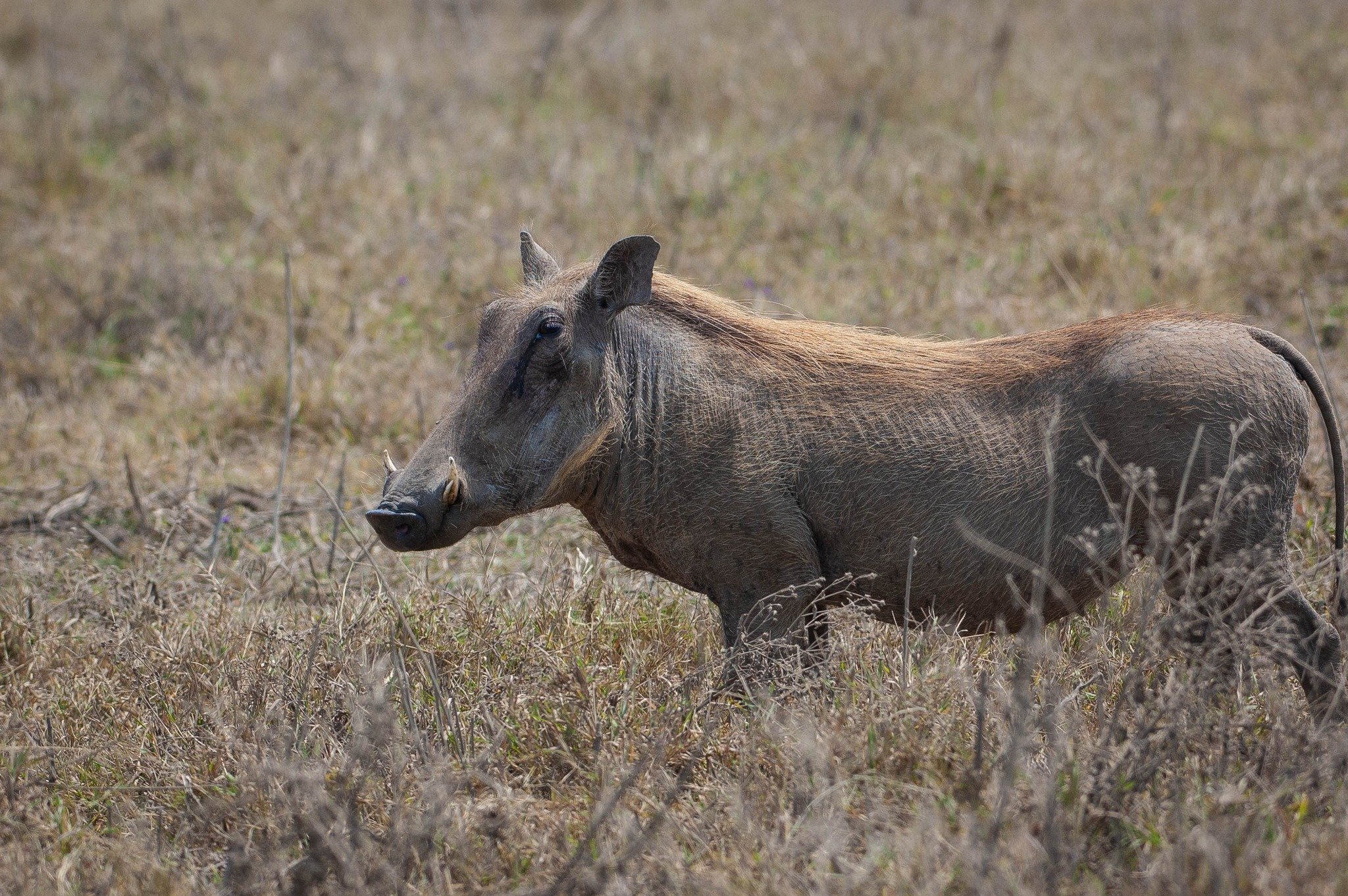
A Common Warthog in the weeds, Tanzania.

If the Superb Starling is the gemstone of Kilimanjaro (see our post here), the Common Warthog (Phacochoerus africanus) is the ultimate sidekick. Pumba (or Pumbaa in Swahili, meaning “foolish” or “carefree”) isn’t winning any beauty pageants, but he’s got chops. He’s perfectly adapted for the rugged African bush.

Built for the Scuffle

Those namesake “warts” aren't skin growths—they’re thick pads of fibrous tissue designed to protect a male’s face during tusky tusks-to-tusk combat.

  • The Gear: They carry two sets of tusks. The upper ones curve impressively, but it’s the razor-sharp lower tusks that do the real work when defending against predators.

“Tail Up, Knees Down”

Warthogs have two signature moves that make them a fan favorite:

  1. The Radio Antenna: When they bolt, their tails fly straight up. It’s a high-speed “follow me” signal so piglets don't get lost in the tall golden grass.

  2. The Prayer Position: Because of their short necks and long legs, they actually kneel on their wrists to graze on short grass or dig for delicious tubers.

Savanna Spa Day

You’ll rarely find a clean warthog. They are obsessed with mud wallowing, which serves as a natural sunscreen and parasite repellent. It’s a practical look for a practical animal.

Quirky Pumba

You really need to see these little “tanks” in person to appreciate their speed and quirky personality.

2026 Update: Our February expedition is officially SOLD OUT. All seats are taken!

Planning for 2027? Don't miss out on the next adventure. Email us here to get exclusive updates and be the first to know when 2027 reservations open.

The Kongoni: Africa’s Unique "Deer Beast"

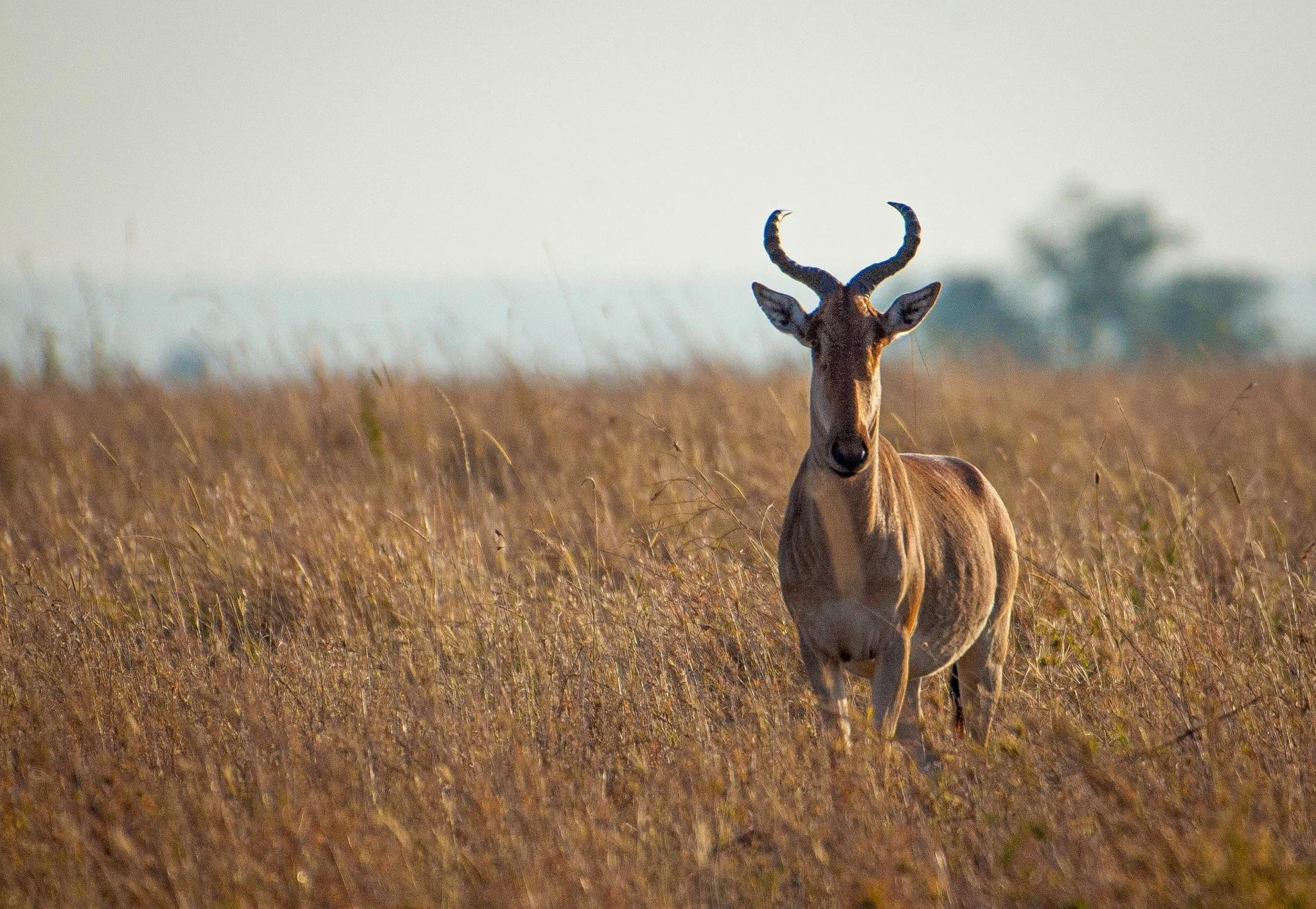
Male Kongoni antelope on the African savannah, Tanzania.

The Hartebeest, or Kongoni, as it is known locally, is one of the most recognizable yet strangely named antelopes on the African savannah.

Why is it called a Hartebeest?

The name "Hartebeest" has a curious origin. It stems from the Dutch settlers in South Africa, translating literally to “deer beast.” Because the animal’s elongated face and tall stature reminded early Europeans of the deer back home, the name stuck—even though the Hartebeest is a true antelope, not a deer at all.

Key Physical Characteristics

The Kongoni (Alcelaphus buselaphus) is notable for its sloping back and incredibly long face. Here are a few quick facts about their size:

  • Height: A mature male stands approximately 4 feet (1.2 meters) at the shoulder.

  • Weight: They are heavy-bodied, often weighing up to 300–350 pounds.

  • Appearance: They possess distinctive, lyre-shaped horns and a high, pointed forehead.

  • Subspecies: While somewhat controversial, 8 subspecies have been identified. These differ slightly in color, horn shape and distribution across Africa. Coke’s Hartbeest is best known in Tanzania and Kenya.

For the image of a juvenile, see our post Coke’s Hartebeest: The Serengeti’s High-Speed Survivor.

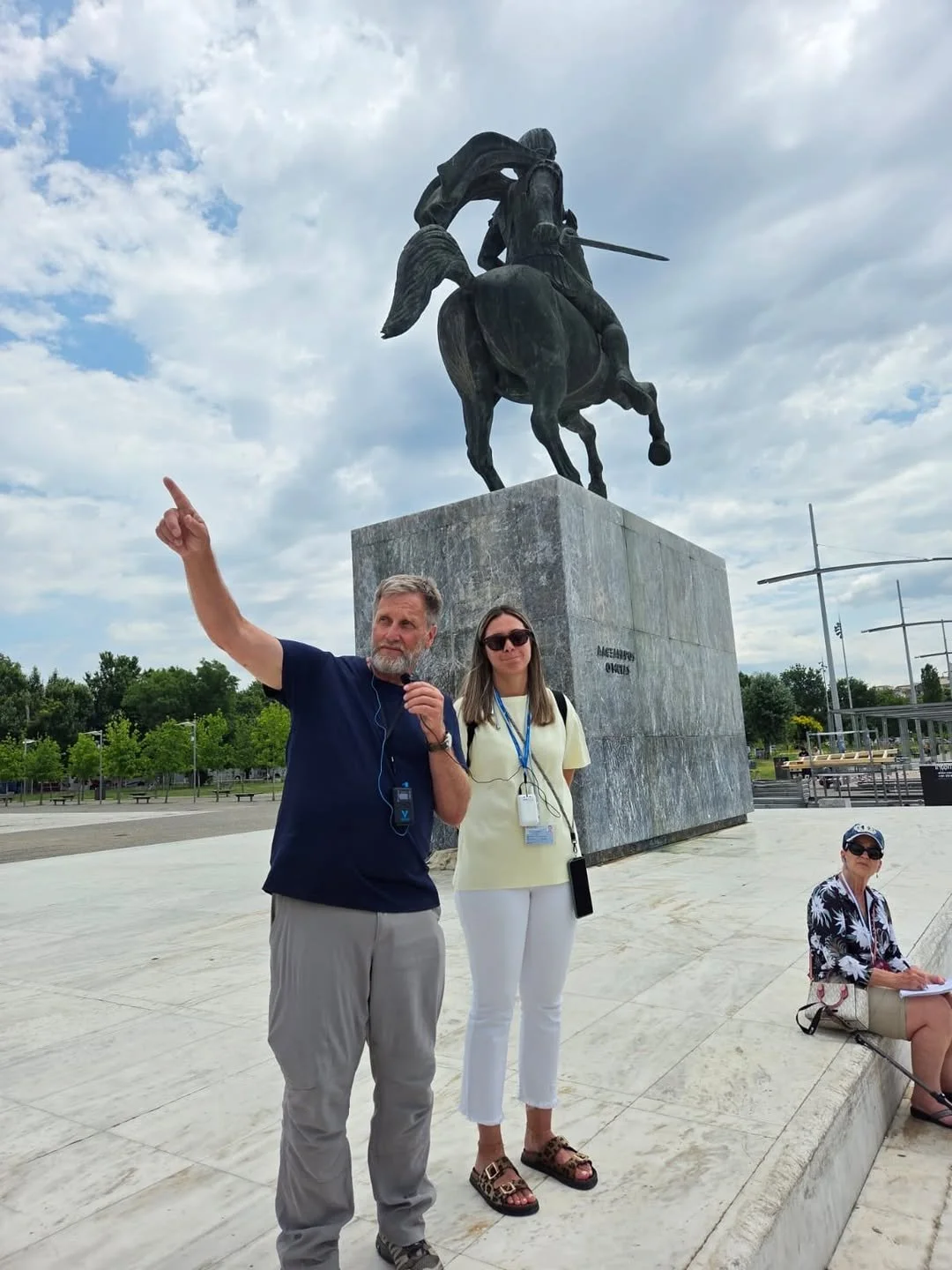
Alexander and his Horse on the Thessaloniki Waterfront

Every great hero needs a legendary companion, and for Alexander the Great, that was Bucephalus. More than just a warhorse, Bucephalus was a symbol of Alexander’s early genius and his relentless drive to conquer the unconquerable.

Alexander and Bucephalus are remembered by a statue on Thessaloniki's waterfront. We stop by statue for some thoughts about Alexander’s Horse. Check out the video below.

Here’s another shot: Behind Alexander

Wildebeests of the Ngorongoro Crater: Why they Never Leave

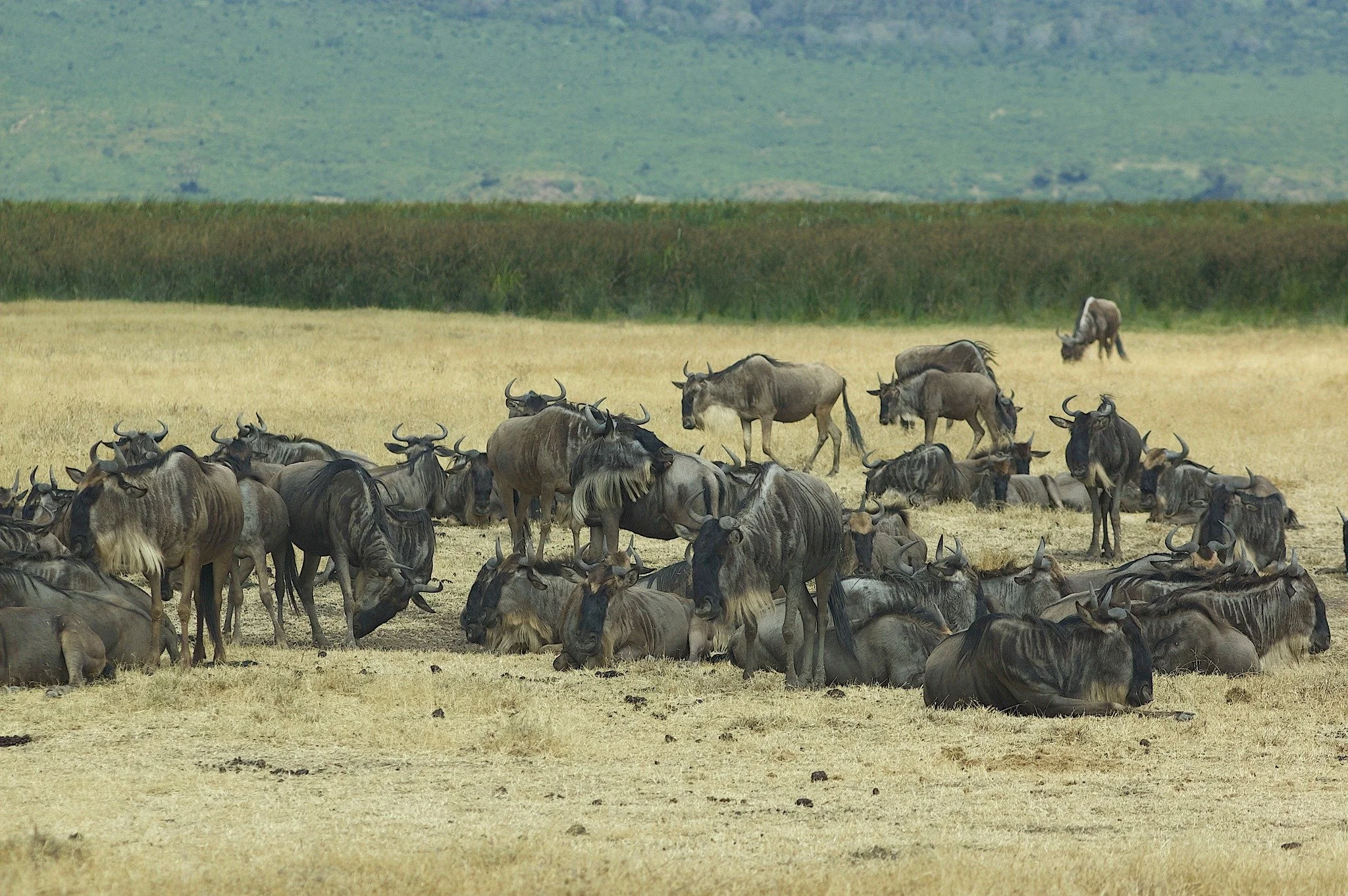
A herd of wildebeests loitering on the floor of the Ngorongoro Crater, Tanzania.

While their cousins are famous for the Great Migration circuit, the wildebeests of the Ngorongoro Crater have a different strategy: they never leave.

A Resident Population

Unlike the massive herds that trek between Tanzania and Kenya, the crater is home to a resident population of roughly 7,000 to 10,000 wildebeests. Because the crater floor offers permanent water sources and lush, nutrient-rich volcanic soil year-round, these Gnus have no reason to risk the treacherous journey across crocodile-infested rivers.

Life in a “Fishbowl”

Living inside the world’s largest intact volcanic caldera is like living in a natural amphitheater. The 2,000-foot-high walls create a self-contained ecosystem where survival is a daily drama.

  • The “Gnu” Chorus: The distinctive low grunting or "Gnu-ing" of thousands of wildebeests is the constant soundtrack of the crater floor.

  • Dense Predator Presence: Because the prey stays put, so do the predators. The crater has one of the highest densities of lions and spotted hyenas in Africa, meaning the wildebeests are always under a watchful eye.

The "Overspill" Guest Stars

While the crater has its own permanent residents, it does get visitors. During the calving season (January to March), hundreds of thousands of migratory wildebeests mass on the nearby Ndutu plains just outside the crater to give birth. Occasionally, some of these migratory herds "overspill" into the crater itself, briefly swelling the local population before heading north again.

Nature’s Landscapers

Wildebeests are essential to the crater’s health. By grazing the tall grass down, they make the landscape suitable for other species like zebras and gazelles. Their movement also helps circulate nutrients back into the soil, keeping the “Garden of Eden” green and vibrant.

Walking in the Footsteps of Kings and Apostles: Owensboro Christian Church at the Theater of Philippi

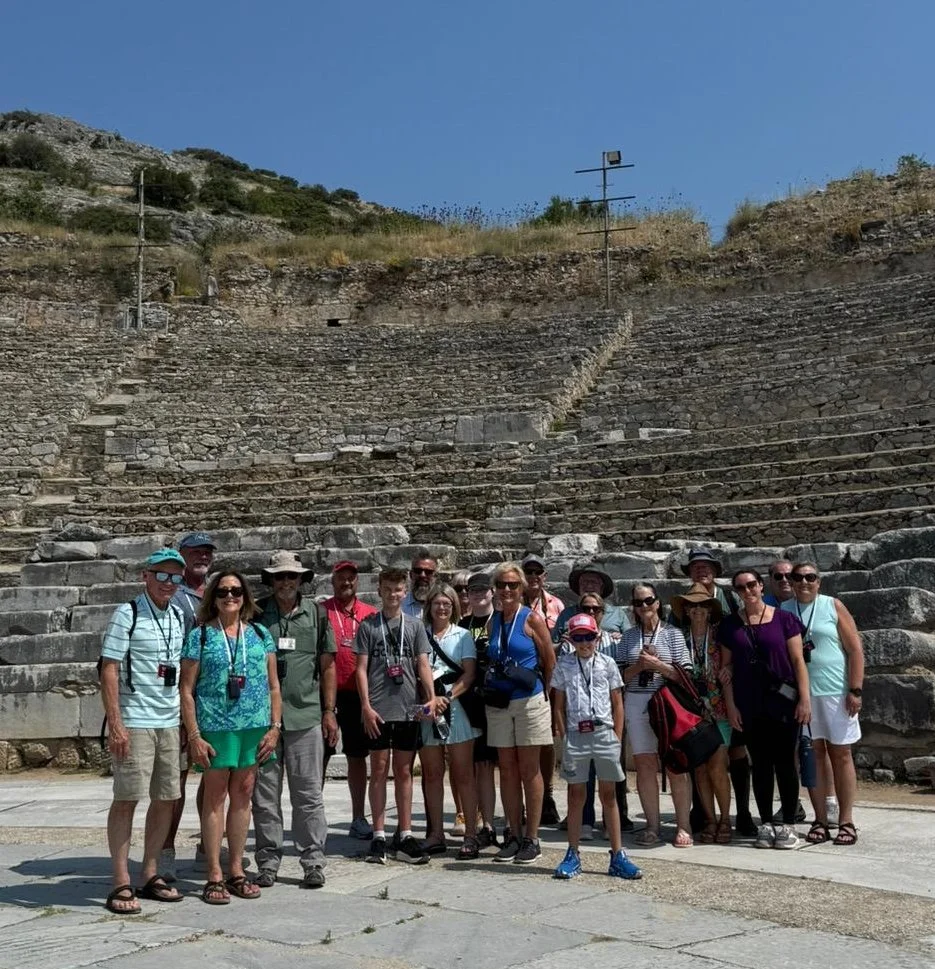
Owensboro Christian Church group at the Ancient Theater of Philippi, Greece.

History isn't just found in books—sometimes, you have to stand in the middle of it. Recently, our group from Owensboro Christian Church (OCC) traded the hills of Kentucky for the ancient stone of Philippi, Greece, on an unforgettable journey.

A Legacy Carved in Stone

Standing at the base of the ancient acropolis, we found ourselves surrounded by the tiers of the Theater of Philippi. Built in the 4th century BC, this architectural marvel was commissioned by Philip II of Macedon—the legendary father of Alexander the Great.

To think that this structure was already old and worn when the Apostle Paul walked these same streets is a powerful reminder of the deep roots of our faith and history.

History Comes to Life

While the stones are silent, our group from OCC certainly wasn't! There is something transformative about seeing a site name leap from a Bible map to a physical reality. Seeing church family gathered where the Greeks watched dramas and Roman citizens gathered brought a new energy to these ruins.

Why Philippi Matters

For us, Philippi isn't just a feat of Macedonian engineering; it’s a place of beginnings.

  • Royal Roots: It bears the name and the vision of King Philip II.

  • Scriptural Connection: This city was the site of the first Christian community in Europe.

  • Living Fellowship: Today, it serves as a backdrop for our own journey of discovery and development.

As we continue our journey, we carry the echoes of this ancient theater with us. It’s a powerful feeling to know that while kingdoms rise and fall, the stories we share and the faith we hold continue to bridge the gap between 4th-century Greece and 21st-century Kentucky. Or, as we say around here at Bible Land Explorer, we “Discover the Place where Faith Begins.”

Nafplion: Port of the Wine-Dark Sea

The Port of Nafplion serves as a breathtaking gateway to the Greek Peloponnese, blending a deep maritime history with one of the most picturesque waterfronts in Greece. Once the strategic naval hub of the first capital of modern Greece, this harbor is now a must-visit destination for anyone exploring the Argolic Gulf. Watch the video below.

Independence Day is a Double-Barreled party in Greece

In Greece, Independence Day (March 25th) is a double-barreled celebration that turns the entire country into a party. It’s a massive display of national pride marking the 1821 revolution against Ottoman rule, but it’s also the Annunciation of the Virgin Mary, making it both a patriotic and religious blowout. Watch the video below.

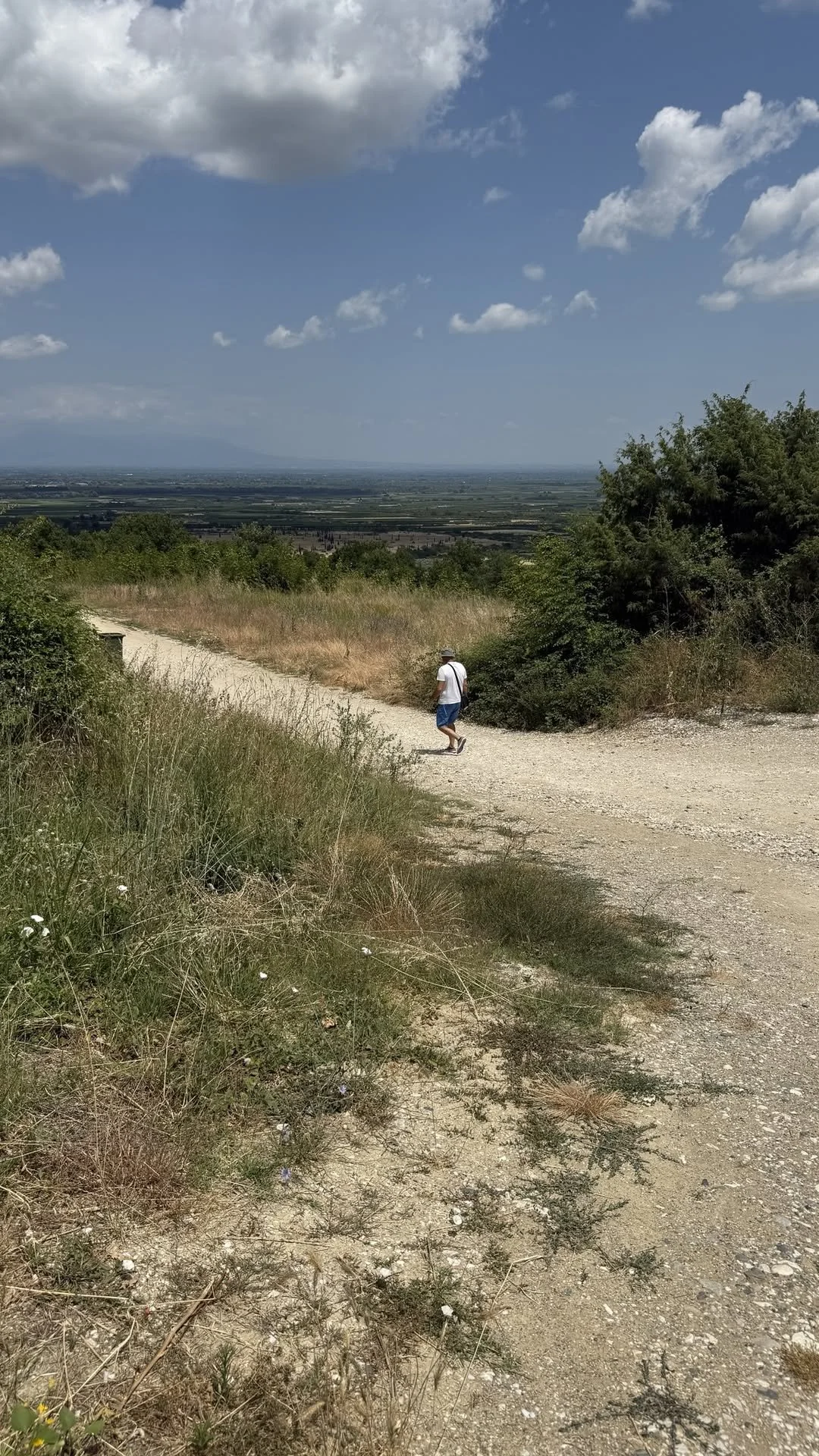
Reaching the Mountain Palace of Philip II at Vergina is a Hike

The rutted road to the Philip II’s palace at Vergina.

Philip II's palace at Vergina (Ancient Aigai) is three times the size of Athen's Parthenon and is arguably the most significant building of classical Greece. However, it suffers from inaccessibility issues. It is located on the side of mountain that overlooks the Macedonian plain. Reaching it requires a long hike on a rutted road. Want to see more? Stay tuned.

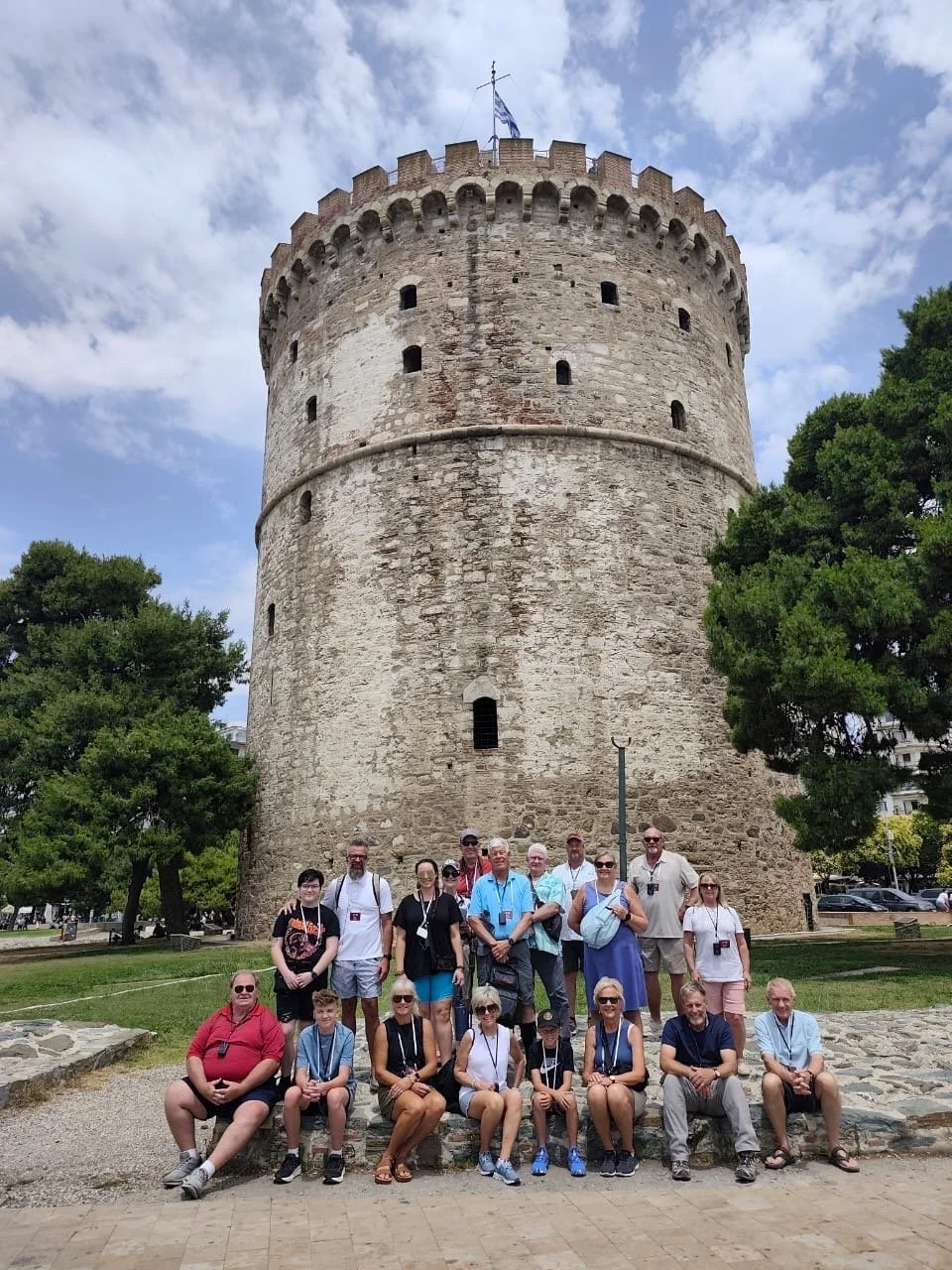
Thessaloniki’s Iconic Landmark: OCC at the White Tower

Owensboro Christian Church family stops for a group shot at the "White Tower" in Thessaloniki, Greece.

There’s no better way to kick off a journey through Northern Greece than at the most famous landmark in Thessaloniki. This week, our Owensboro Christian Church group gathered at the foot of the White Tower, the historic heart of the city’s waterfront.

A Tower with a Story

Originally a Byzantine fortification and later a notorious Ottoman prison, the White Tower has been "whitewashed" of its dark past to become a symbol of Greek liberty. Standing six stories tall against the deep blue of the Thermaic Gulf, it’s a stunning reminder of the layers of history—Byzantine, Ottoman, and Modern—that make Thessaloniki so unique.

Experience Greece with Bible Land Explorer

We aim to be back in Thessaloniki twice in 2026.

  • Land Tour of Biblical Greece, October 10 - 21, 2026. See the travel brochure here for details.

  • Mediterranean Cruise, Oct 22-Nov 3, 2026. See the website here for details.

Seats are available on both excursions. Experience the place where faith begins!
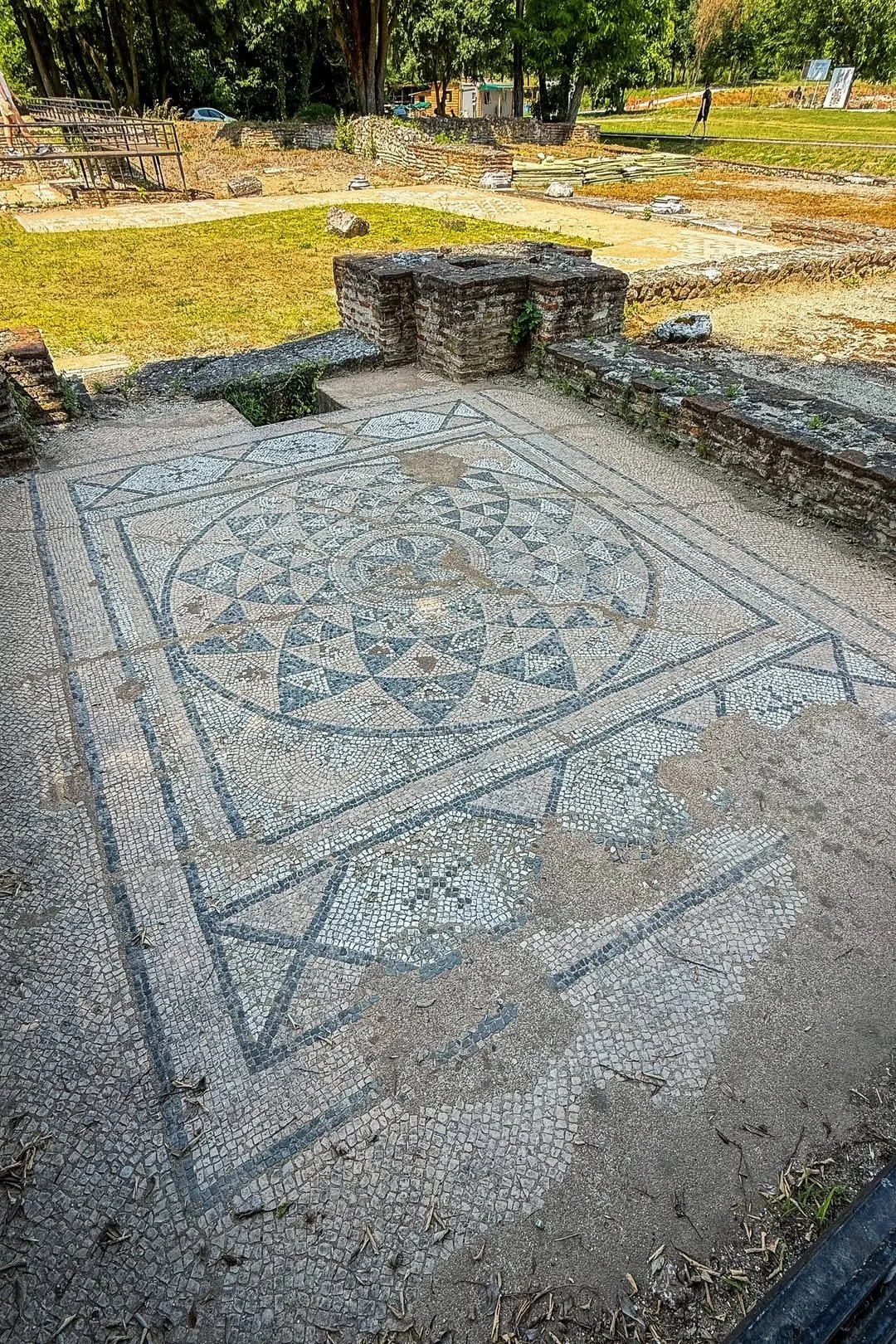
The Original Spirograph: Ancient Math in the Baths of Dion

Ancient Roman mosaic floor with geometric hypotrochoid patterns at the Great Baths of Dion, Greece.

Did you ever play with a Spirograph when you were a kid? Remember that mesmerizing box of plastic gears and colored pens promising a world of perfect geometric art? Of course, if you were like me, you usually ended up skipping a tooth or popping a pin halfway through, and totally boogered the whole masterpiece!

But did you know that while you were struggling with those slipping gears, you were actually dabbling in the world of hypotrochoids?

A 2,000-Year-Old Design

It turns out the ancient Greeks were "playing" with these same complex patterns long before the toy hit shelves in the1960s. Check out this incredible mosaic from the Great Baths of Dion, Greece, dating back to approximately AD 200.

While the Romans were relaxing in the thermal pools at the foot of Mount Olympus, they were walking across floor designs that look suspiciously like the ones we tried to draw on our bedroom floors.

What is a Hypotrochoid?

In mathematical terms, a hypotrochoid is the curve traced by a fixed point on a circle as it rolls around the inside of a larger fixed circle.

  • The Greeks: Used these geometric patterns to represent harmony, movement, and the infinite.

  • The Toy: Used the same principles of gear ratios and fixed points to let kids create "mathematical roulette curves".

History Under Your Feet

The next time you’re at a site like the Dion Archaeological Park, keep your eyes on the ground. Between the statues of Dionysus and the ancient water organs, you’ll find these timeless geometric patterns. It’s a powerful reminder that while our tools change—from stone tesserae to plastic cogs—our fascination with math and symmetry remains the same.

Experience Greece with Bible Land Explorer

We aim to roll wheels around Greece twice in 2026.

  • Land Tour of Biblical Greece, October 10 - 21, 2026. See the travel brochure here for details.

  • Mediterranean Cruise, Oct 22-Nov 3, 2026. See the website here for details.

Seats are available on both excursions. Experience the place where faith begins!
Why do birds Hitchhike on Big Game in Africa?

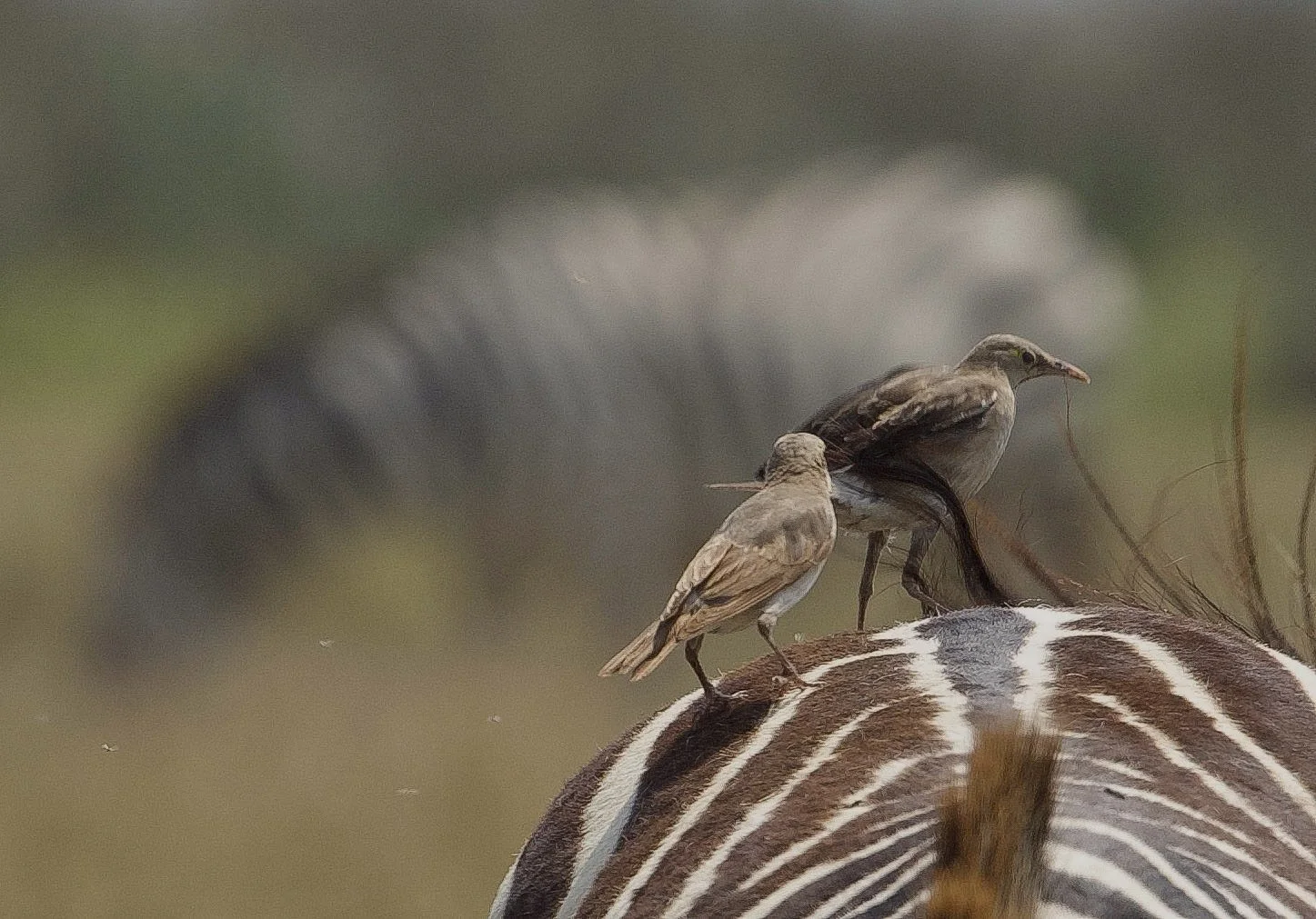
Wattled Starlings hitch a ride on the back of a zebra.

If you look closely at the big game of East Africa, you’ll notice they rarely travel alone. Birds often hitch rides on the backs of zebras, buffalo, and wildebeests for a high-protein “free meal.”

A Symbiotic Snack

The birds in this shot—likely immature or female Wattled Starlings (Creatophora cinerea)—are expert opportunists. As the heavy mammals move through the grass, they stir up a cloud of tasty treats.

Look closer at the photo: those tiny specks in the air aren't dust on my lens! Those are flying insects flushed out of the brush, providing an easy buffet for our feathered friends. In exchange for the ride, the starlings often help their hosts by picking off annoying ticks and parasites. It’s the ultimate win-win.

See the Drama for Yourself

There is nothing like witnessing these small details of the savanna in person. From the “gnu-ing” of the wildebeests to the mid-air hunts of the starlings, every moment is a masterclass in design.

Hitch a ride to Africa with us in 2026 or 2027! Whether you're a birdwatcher, a photographer, or just a lover of adventure, our next safari is calling.

Waking Up in Arusha: The Secret to Tanzania’s World-Class Coffee

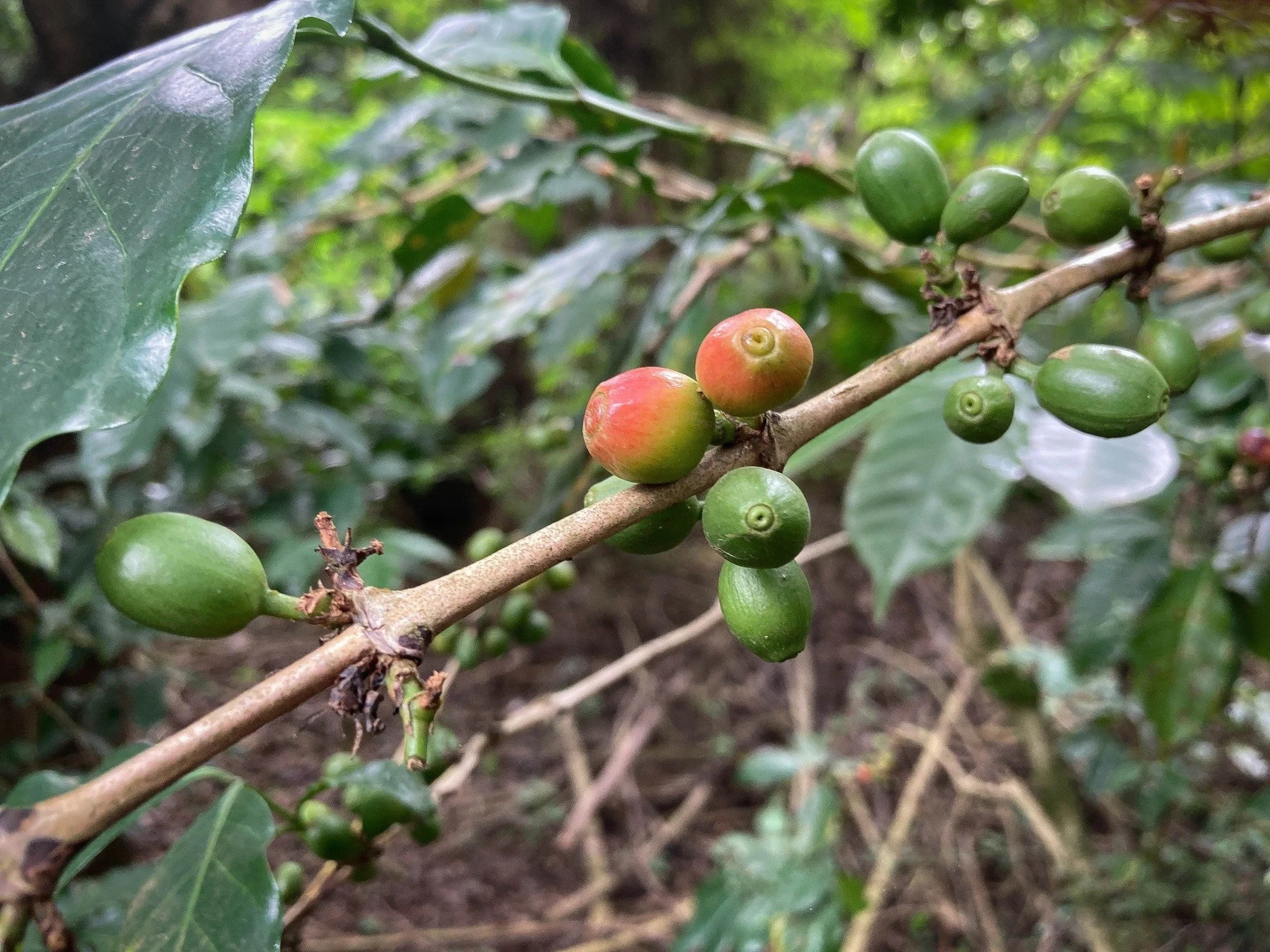
Cherries ripening on a coffee bush branch near Lake Duluti in Tanzania.

From Bean to Brew: The Secret Behind Tanzanian Coffee

There is nothing quite like the smell of fresh coffee in the morning, especially when you know exactly where it came from. In the lush highlands of Tanzania, the journey begins with these vibrant coffee cherries. When they turn a deep red and feel slightly soft to the touch, they are ripe and ready for picking.

Why Tanzania Produces World-Class Coffee

While Tanzania may not be the world’s largest coffee producer by volume, it is a global contender for best-tasting coffee. The secret lies in the geography:

  • Volcanic Soil: Our latest stop at Lake Duluti—a volcanic crater lake—showcases the nutrient-rich soil that gives the beans their complex flavor profile.

  • Ideal Elevation: The high altitudes of the Arusha region provide the perfect cool climate for slow-ripening beans.

  • The Perfect Climate: A balance of tropical sun and seasonal rains ensures the cherries develop that signature acidity and sweetness.

A Key to the Local Economy

Coffee isn't just a morning ritual here; it is a vital agricultural pillar for Tanzania. Small-scale farmers work tirelessly to harvest these beans, ensuring that every cup you drink supports local communities and sustainable farming practices.

Mmmmmmm. Good morning! There’s nothing like sipping a fresh brew while looking out over the very fields where it was grown.

Redefining the Spotted Hyena: Nature’s Misunderstood Genius

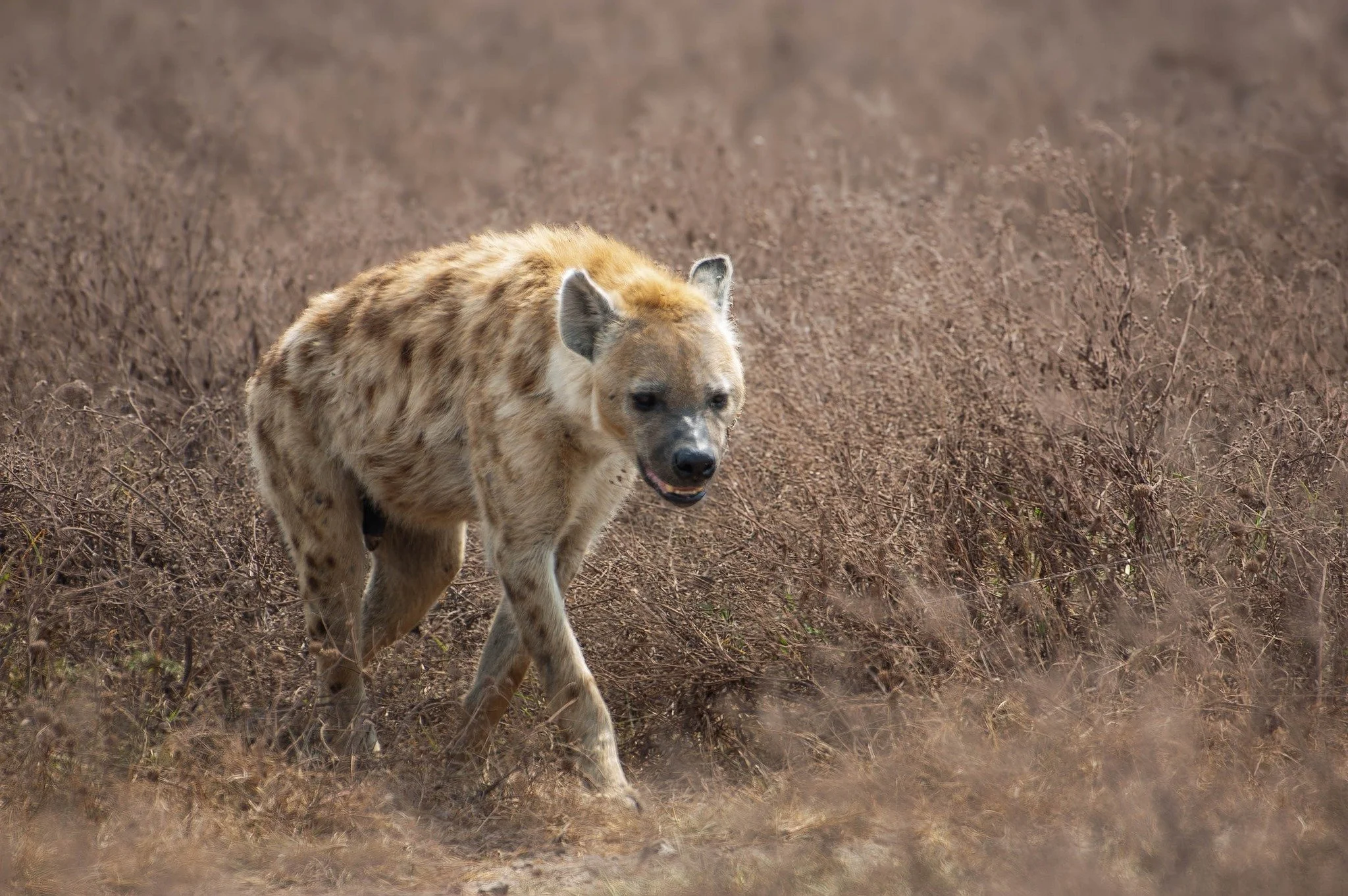
A spotted hyena in Ngorongoro crater, showcasing its unique features and powerful build.

The more I learn about the Spotted Hyena (Crocuta crocuta), the more I appreciate this ingenious animal. Far too often, they are cast as the “villains” of the savanna, but the reality is much more fascinating.

Myth vs. Reality

We’ve all seen the movies where hyenas are presented as greedy, stupid, or even “criminal.” It’s time to look past the Hollywood tropes and see the handiwork of our Creator in these remarkable creatures.

  • More Than Scavengers: While they are famous for scavenging, spotted hyenas are actually highly skilled apex predators that hunt the majority of their own food.

  • The “Laugh” is a Language: That famous “laugh” or “fuss” isn't a joke—it’s part of a highly complex system of vocal communications used to coordinate the clan.

  • Neither Dog nor Cat: They might look like ugly dogs or small bears, but hyenas are in a biological category of their own (Hyaenidae), more closely related to mongooses and civets than to canines.

The Einstein of the Savanna?

Recent studies have turned the scientific world on its head regarding hyena intelligence. Research suggests that spotted hyenas:

  • Are incredibly creative problem solvers.

  • Exhibit social cooperation and teamwork skills that, in some tests, outperform chimpanzees.

  • Live in highly organized "clans" with complex social hierarchies.

A Beautiful Design

The next time you see a hyena on a safari or in a documentary, remember that you aren't looking at a lowly scavenger. You are looking at a brilliant, social, and essential part of the African ecosystem.

God doesn't make mistakes—and the spotted hyena is a testament to the diversity and intelligence woven into the natural world.

To learn more about the Spotted hyena, see our post, Ngorongoro's Matriarchs: The Secret Society of Spotted Hyenas