Scavengers of Ngorongoro: Lessons on Energy and Renewal

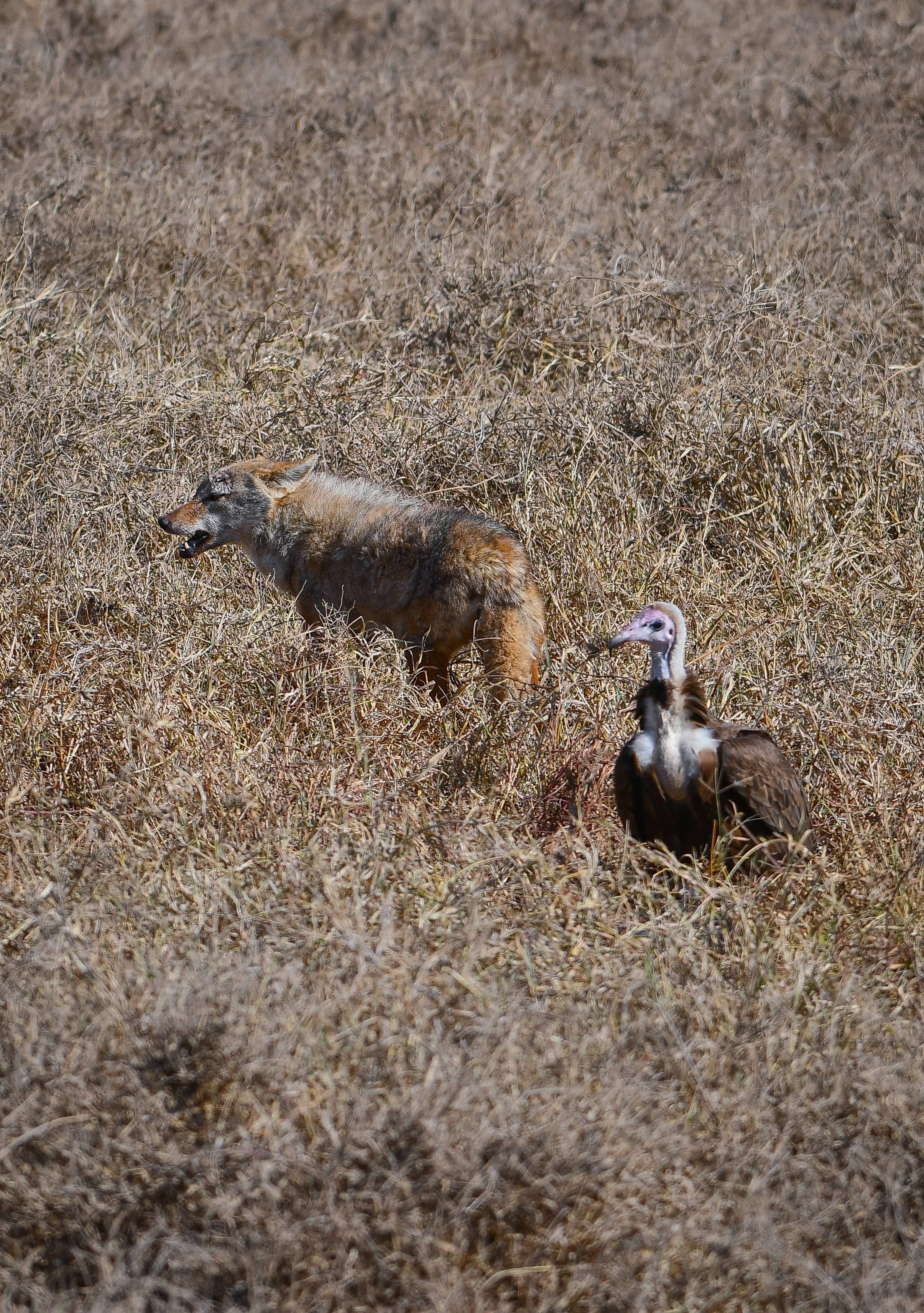
A black-backed jackal and hooded vulture scavenging in the Ngorongoro Crater, Tanzania.

The 10 Percent Rule: Nature’s Energy Budget and Psalm 104

Most of us understand the idea of the food chain in the natural world (this one eats that one and so on and so forth), but are you aware of the 10 percent rule?

In ecology, the 10 percent rule suggests that as energy is passed from producers (plants) to consumers (animals), the bulk of that energy—roughly 90%—is lost to life processes such as movement, heat production, reproduction, or waste. Only about 10 percent of energy is successfully transferred from one trophic level to the next.

This biological reality is why food chains remain short (usually capped at five levels) and why a healthy ecosystem requires a massive base of producers to support just a few top predators.

The Clean-Up Crew of the Ngorongoro Crater

The clean-up crew pictured above is a critical last stop for energy transfer in the Tanzanian grasslands. Scavengers and decomposers break down the last scraps of carcasses (often inedible to others) and release it back into soil. Plants absorb the nutrients from the soil and the cycle begins again (cue the “Circle of Life” tune from Disney’s Lion King).

Ecological Wisdom in Psalm 104

This system of the food chain is hinted at in Psalm 104. Contemplate these edible bits from vss 27-31:

“All creatures look to you to give the food at the proper time. When you give it to them, they gather it up; when you open your hand, they are satisfied with good things. . . When you take away their breath, they die and return to the dust. When you send your Spirit, they are created, and you renew the face of the ground. May the glory of YHWH endure forever; may YHWH rejoice in his works.”

In the biblical view, the death of one creature and its "return to the dust" is not a glitch in the system, but the very mechanism by which the Creator renews the face of the ground. The jackal and the vulture are not just scavengers; they are ministers of this renewal, ensuring that nothing is wasted and that the glory of creation endures.

Ready to Travel?

If you want to go on an safari safari on this side of glory (!), email us here.
Standing Tip-Toe: The Nimble World of Kirk’s Dik-dik

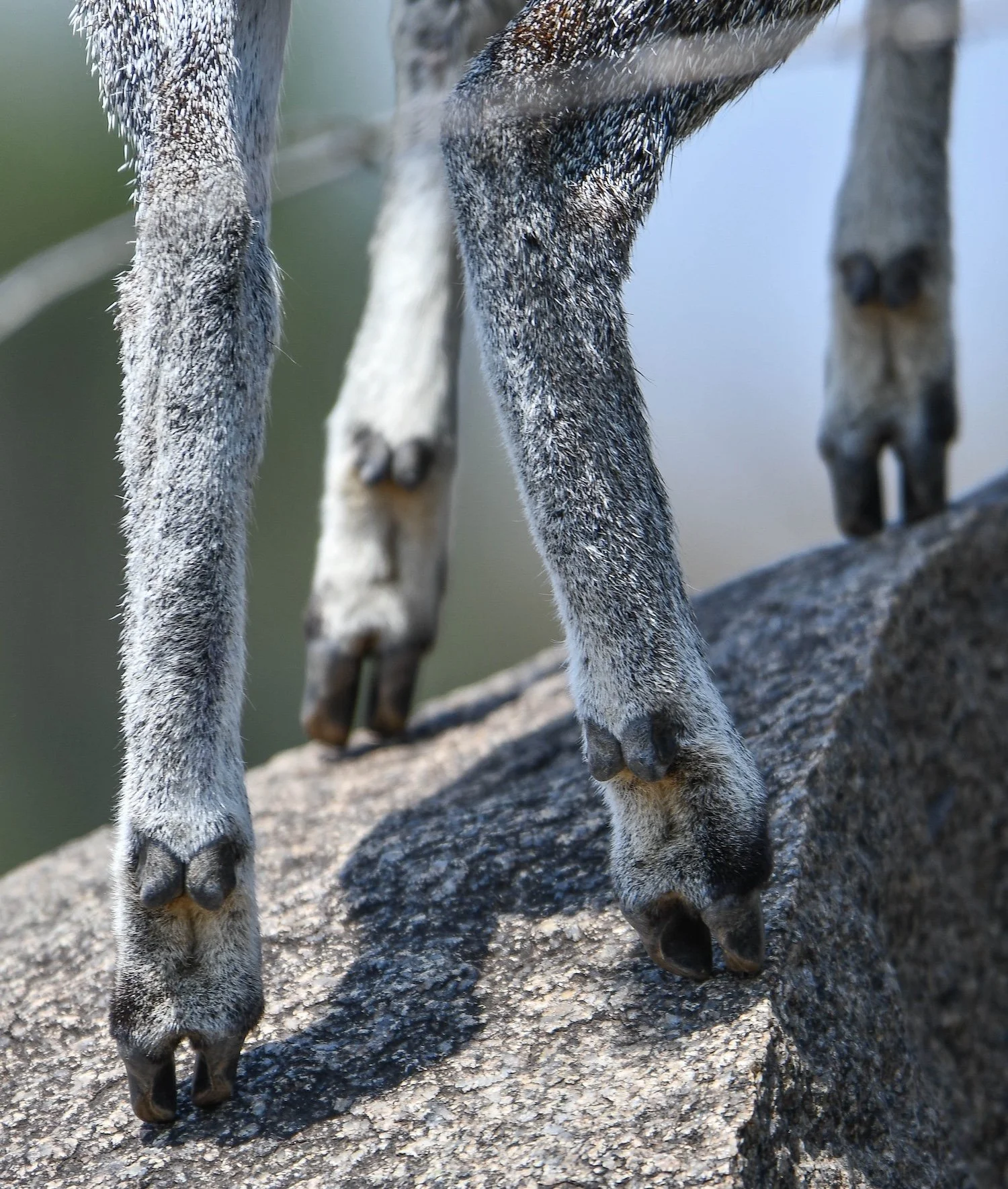
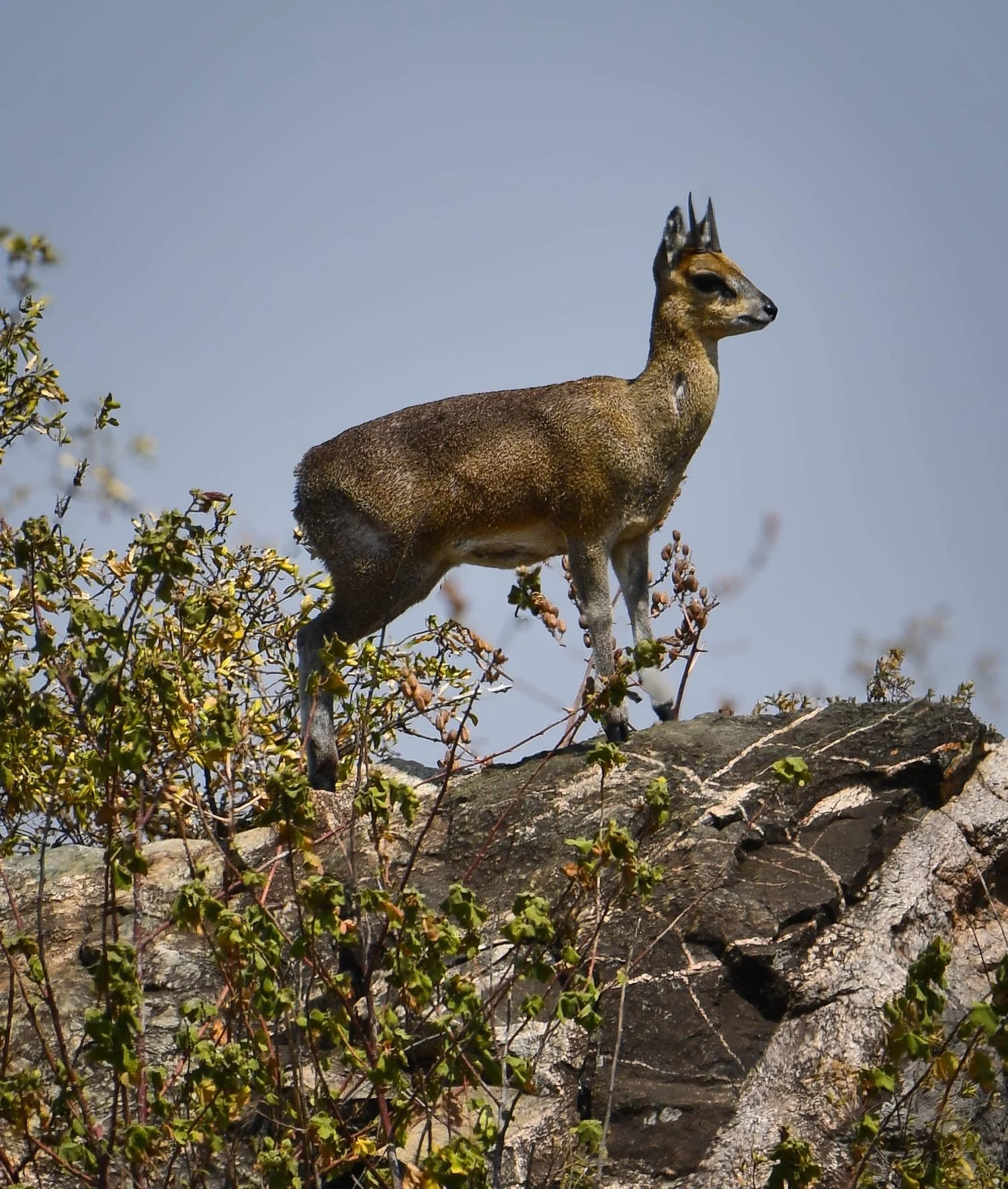
If you are out exploring in the bush of East Africa, keep your eyes low. You might just spot Kirk’s dik-dik (Madoqua kirkii), one of the world’s smallest and most endearing antelopes. Standing only about 18 inches tall, this tiny creature is a marvel of design.

The Science of "Toe Walking"

If you look closely at a dik-dik, you’ll notice it seems to stand permanently on tip-toe. This is a defining feature of ungulates (hoofed animals).

In this specialized foot structure, only the tips of the toes touch the ground, while the "heel" is located much further up the leg. To protect these contact points, a hard layer of keratin caps each toe, providing both strength and durability for rugged terrain.

The "Even-Toed" Advantage

Kirk’s dik-dik belongs to the Artiodactyla group, or "even-toed" ungulates. They possess two weight-bearing digits on each foot. This specific anatomy isn't just for show; it provides a distinct survival advantage:

  • Speed: Despite their size, they can sprint up to 26 mph.

  • Agility: Their foot structure allows them to "turn on a dime," making them difficult for predators to pin down.

  • Stability: This is why you might see a tiny antelope perched high on a jagged rock or a steep cliff face. They are built for the heights!

Don’t worry if you spot one of these tiny antelopes in a seemingly precarious position. Between their keratin-capped toes and their nimble weight distribution, they are perfectly at home on the edge.

Stop tiptoeing around

For curated travel opportunities in Africa, Asia, and Europe, see our list of excursions here or email us directly here.

Spotted in the Grass: The Elusive Serval Cat of Ngorongoro Crater

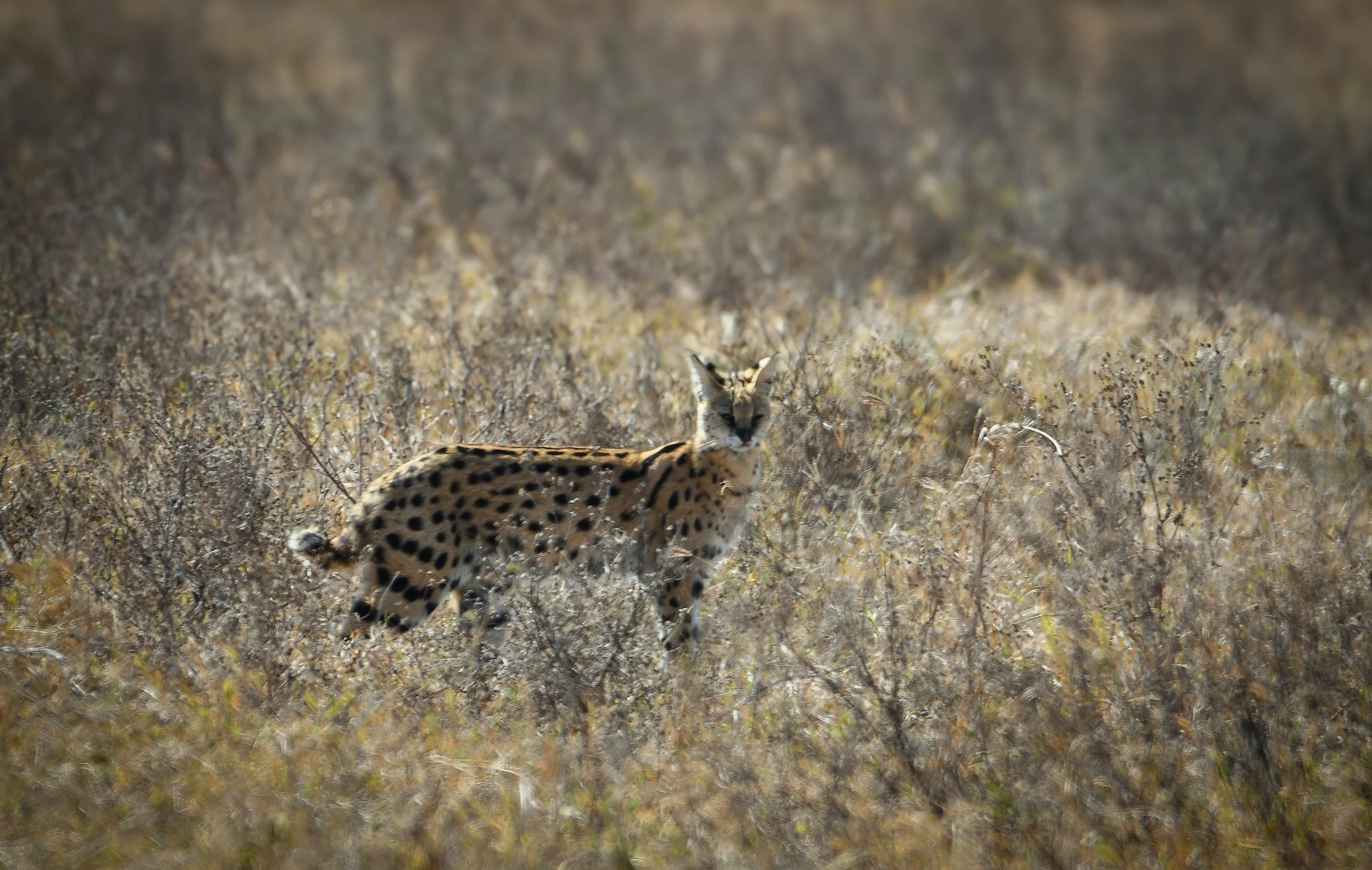
This servile cat stopped to listen in Ngorongoro Crater, Tanzania.

Stop the jeep!

While on safari in the Ngorongoro Crater, Tanzania, we were treated to a rare sight: a serval cat slinking through the tall grass

The serval (Leptailurus serval) is a lanky feline native to sub-Saharan Africa. At a glance, it might look like a large house cat, but its oddly small head and exceptionally long legs—the longest of any cat relative to its body size—set it apart as a specialized hunter.

The "Delicate Cat" by Name and Nature

"Serval" comes from the Portuguese lobo-cerval, meaning "lynx" or literally "wolf-deer" in reference to its deer-like frame.

A Tense Encounter on the Crater Floor

Spotted on the floor of the Ngorongoro Conservation Area, this particular serval was a master of camouflage. We were able to observe its movements for a short while, but the peace didn't last long. A group of lions approached. The serval beat a hasty exit.

want to see big (and small) cats?

We stopped counting after seeing more than 100 lions on our last safari. Want to try again in 2027? Email us here for details.

The success of our African safaris is due, in part, to good guides and wheelmen. Check out the video here.

Standing on the Edge: The Breathtaking Rim of Ngorongoro Crater

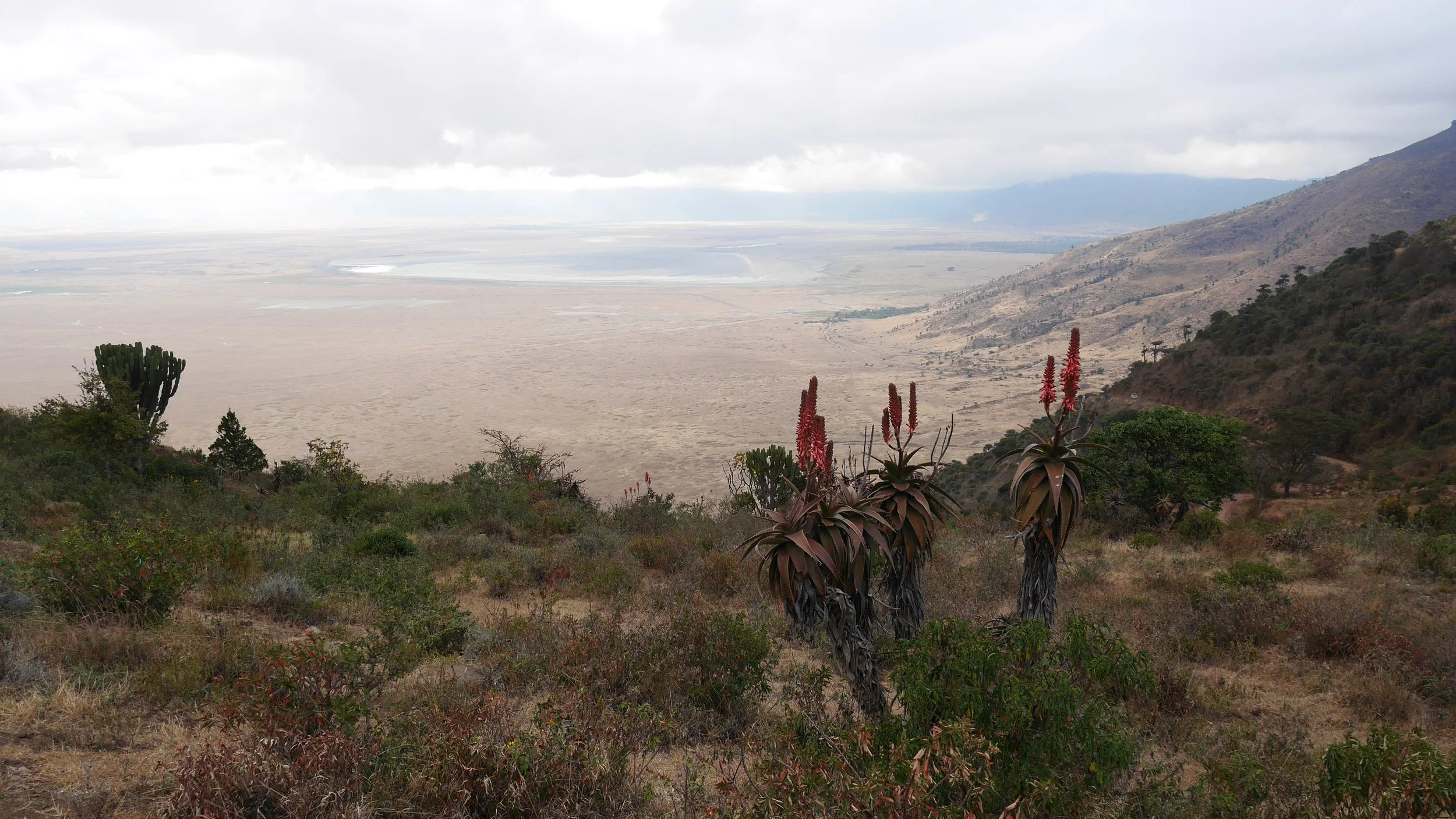
There is nothing quite like the first time you stand on the rim of the Ngorongoro Crater. Looking out across the vast expanse, you realize you are standing on the edge of the world’s largest intact volcanic caldera.

In the foreground of this shot, you’ll notice a striking member of the aloe family—likely the Krantz Aloe (Aloe arborescens). These resilient plants frame the dramatic view of the crater floor 2,000 feet below.

The Descent to Lake Magadi

Far in the distance, shimmering on the crater floor, you can make out the outline of Lake Magadi. This shallow, alkaline body of water is a focal point for wildlife, often attracting vast flocks of flamingos that tint the shoreline pink.

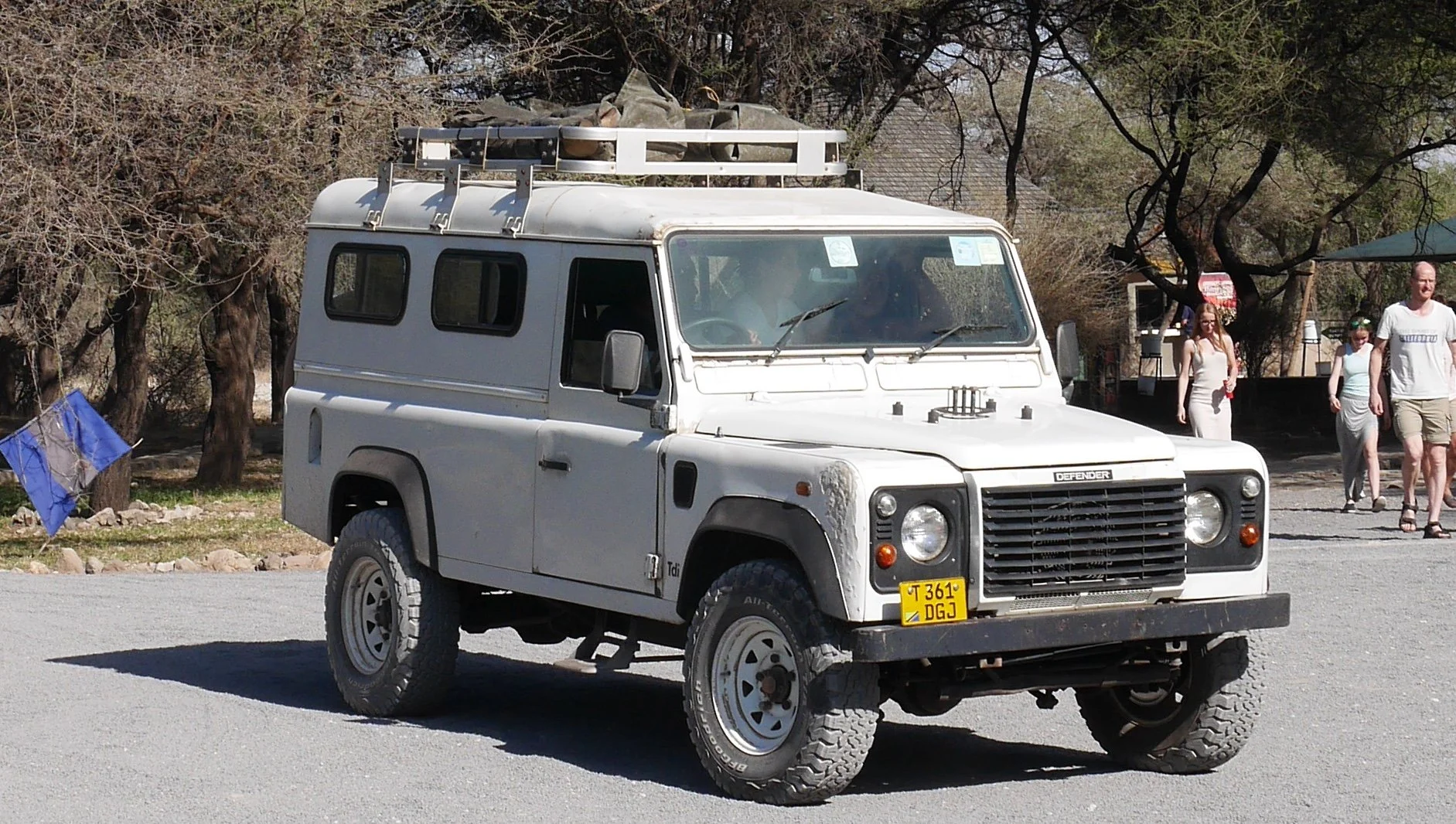
Getting from the rim to that water is an adventure in itself. The steep drop is navigated via a white-knuckle switchback road in a 4-wheel drive vehicle—a breathtaking (and bumpy!) experience that truly puts the scale of the caldera into perspective.

A Natural Wonder of Tanzania

I shot these images during my first visit to the region back in 2017, and the sense of awe hasn't faded. Whether you are interested in the geology of the caldera or the unique African flora clinging to the rim, Ngorongoro remains one of the most spectacular landscapes on the planet.

The Black Wool of Laodikeia and the White Garments of Revelation.

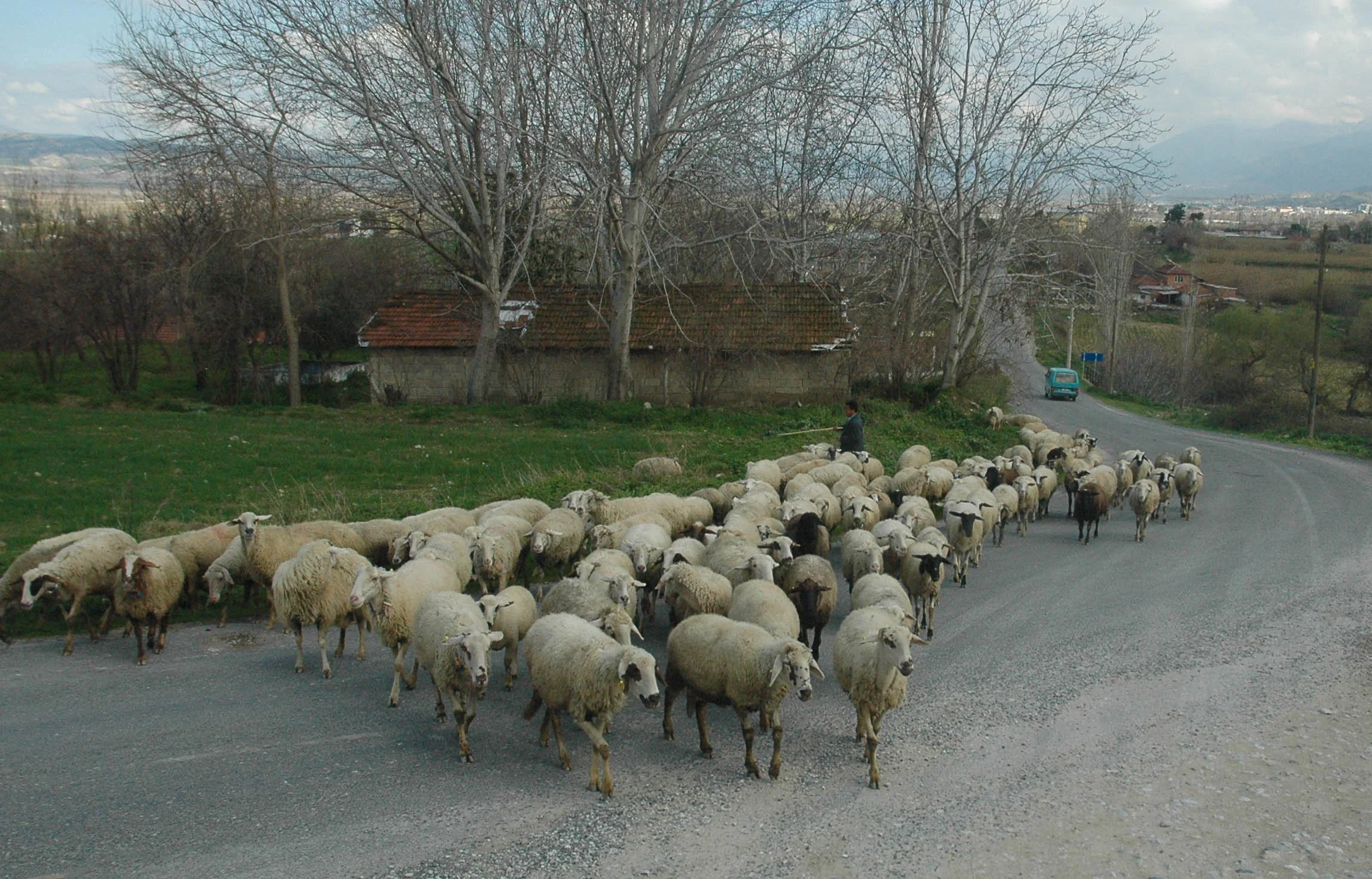
Shepherd and flock, outside of Laodikeia, Türkiye.

I shot this photo hanging out the window and thinking about the ancient message to the church of the area. In the first century, Laodikeia was famous for its textile production (among other things). Glossy, black, and soft fleece tunics from here were coveted around the Mediterranean world. (These outer wraps were nicknamed trimata, suggesting either "three-shades" or "three knits." Laodikeia itself was even known as Trimataria or "trimata-town"!).

Black Wool vs. White Garments

Not surprisingly, John of Patmos declared that the Laodikeians were not as well-covered as they thought themselves to be. He urged them to reconsider the source of their wealth and to trade in their iconic black shells for "white garments" (Gk, himatia). Read the critique for yourself in Revelation 3:14-22.

See Biblical Türkiye with Fresh Eyes

Interested in reading the Bible with fresh eyes? See biblical Türkiye and the ruins of Laodikea. We are headed back there this summer! For details, follow this link to the brochure.

For a complete list of planned excursions to Europe, Asia, and Africa, see our trip list here.

Picnic on the Serengeti

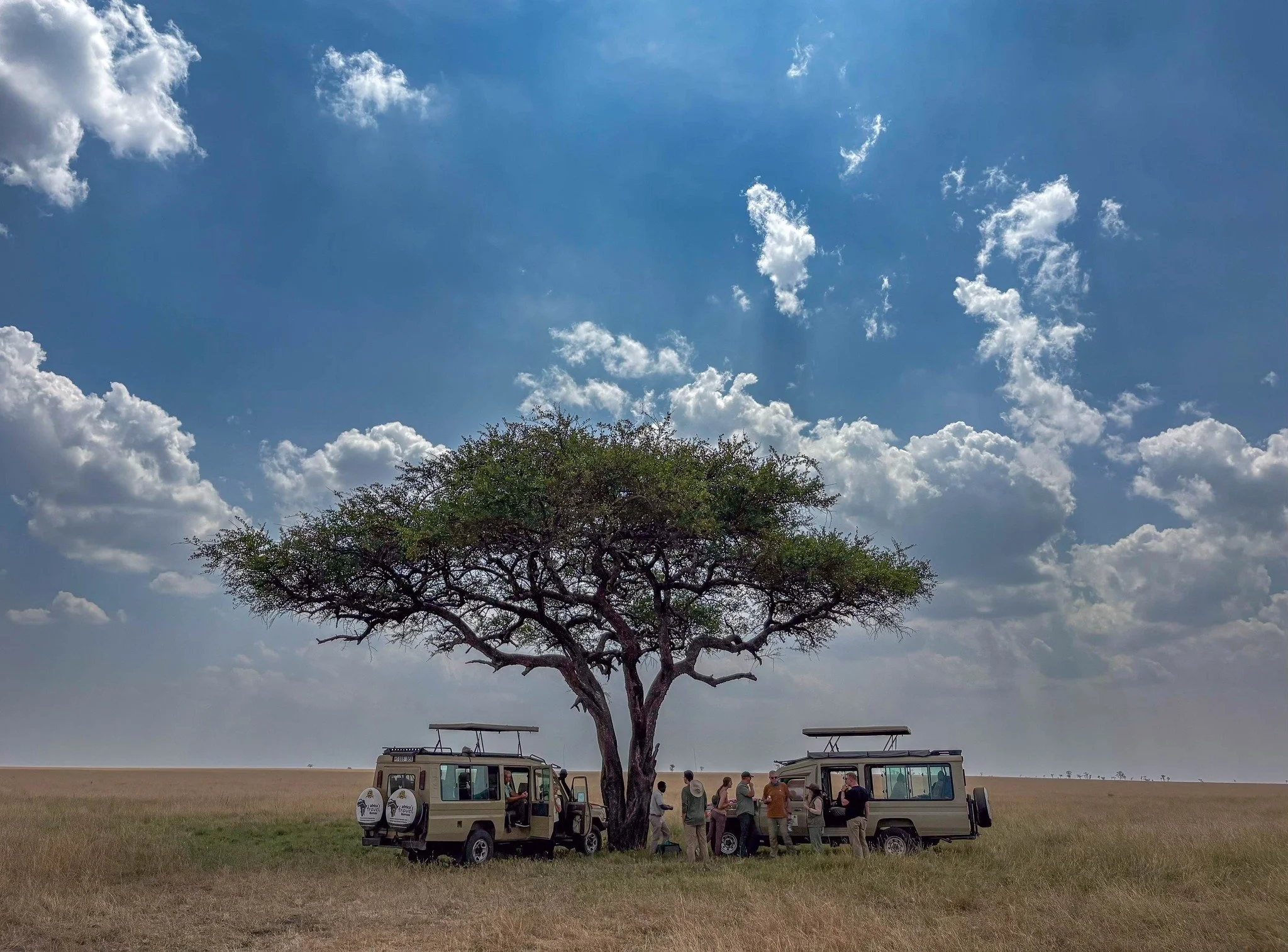
Picnic on the Serengeti, Tanzania. August 2025.

We are getting ready to return to Africa again next month with a full crew in tow. February is birthing season. An estimated half a million wildebeest calves will be dropped on this southern plain in the next eight weeks. We're on it. I'm pumped. Be sure to follow us on Facebook and YouTube.

Italy in 2026

Bible Land Explorer is headed back to the Vatican in 2026. The visit will be part of our "Taste of Italy" tour that will sample the cuisine, art, history and archaeology of the peninsula. Venice, Florence, Assisi, Rome, and Pompeii are among our stops. Consider joining us, May 28-June 6, 2026. For details, see the link here.

Rome is also a pre-trip excursion option for our Mediterranean cruise slated for later this year. Check out the cruise brochure here.

14 Years of Bible Land Explorer: Where Faith and Archaeology Meet

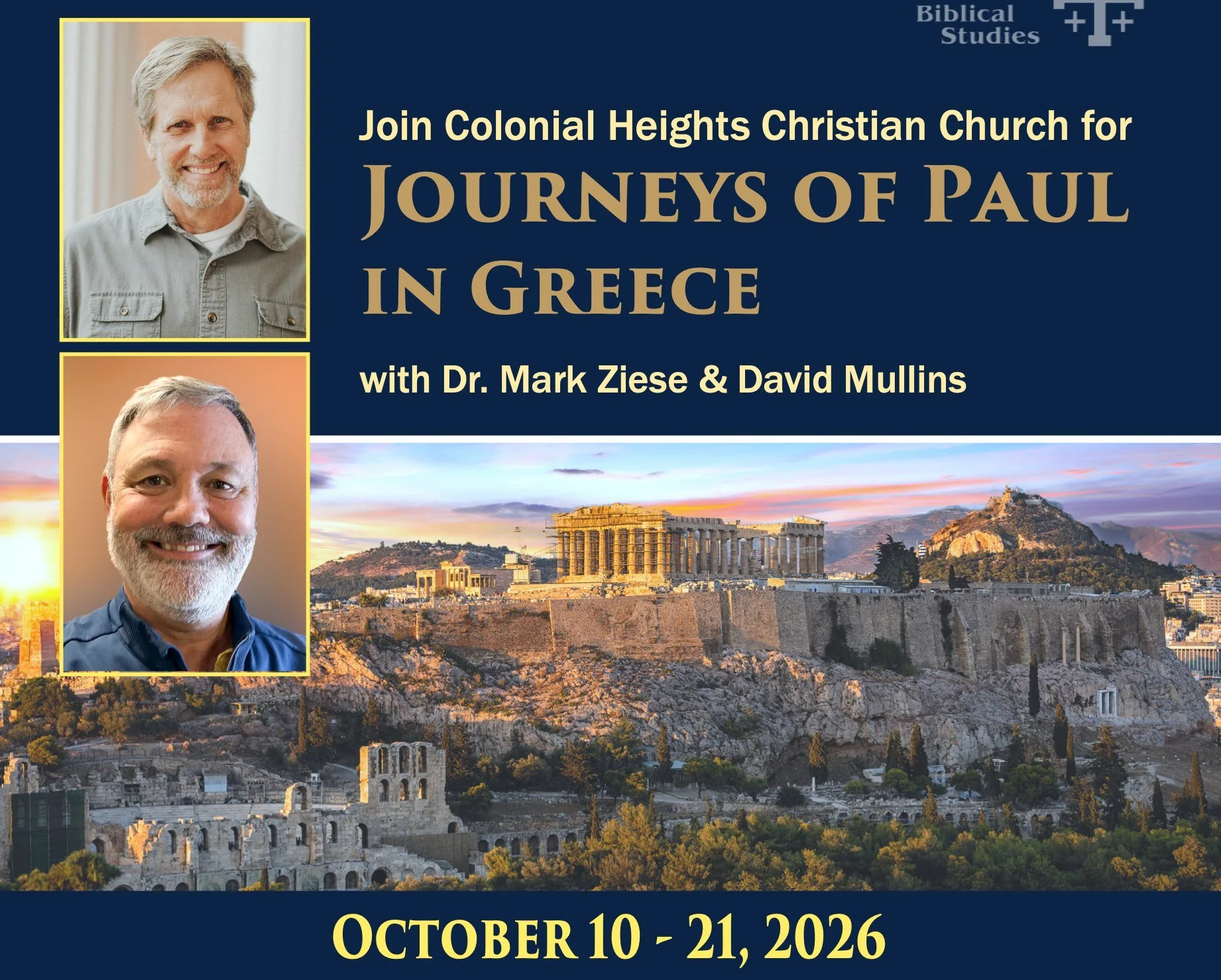
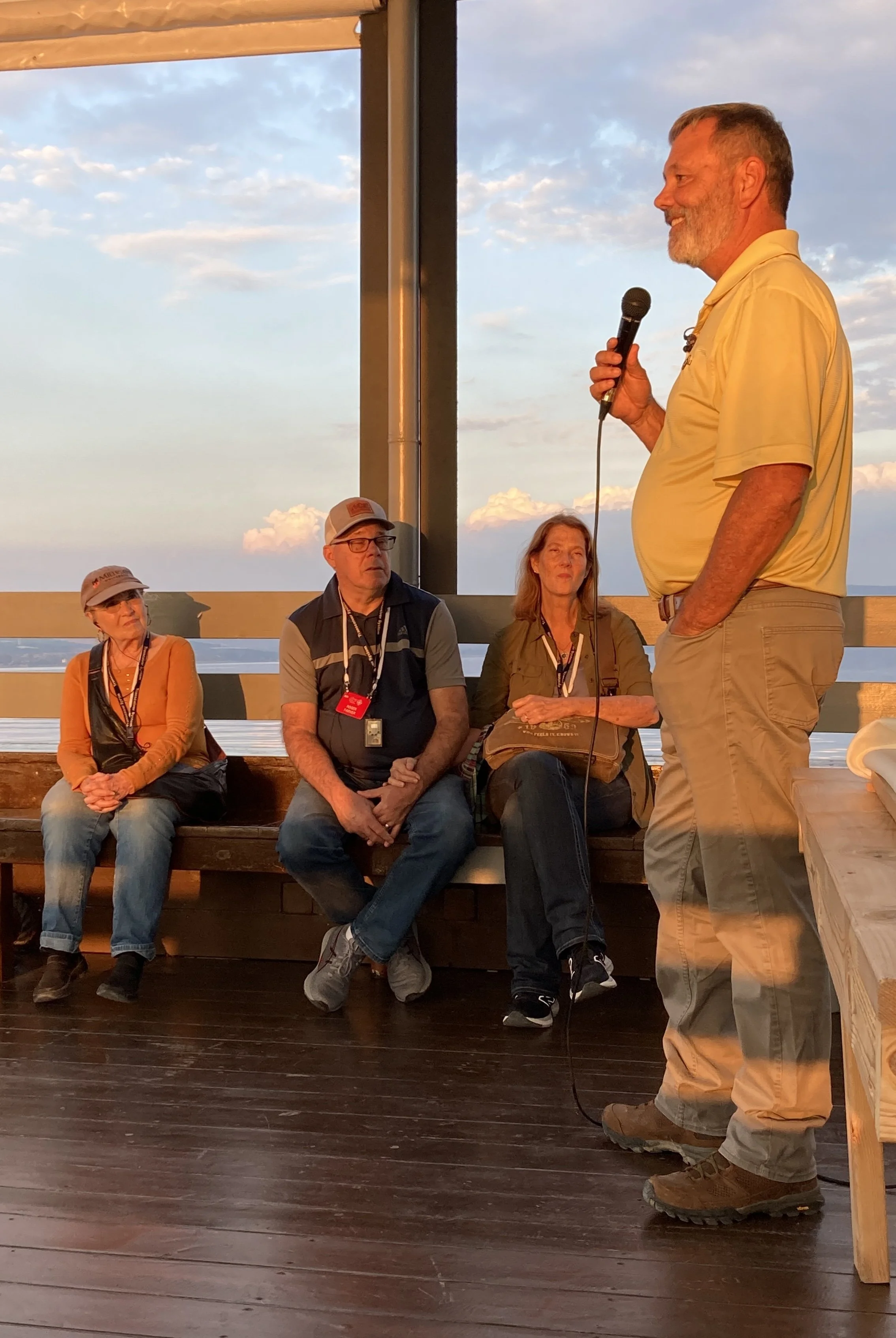
Mark Ziese of Bible Land Explorer celebrating 14 years of biblical archaeology, story telling, and travel photography.

This is an anniversary of sorts. I’ve been recording our travel experiences for 14 years now, and the journey has been as much about internal discipline as it has been about external exploration.

The exercise of blogging and vlogging encourages the discipline of communication and helps preserve moments that would otherwise fade. Most importantly, for those who enjoy a deep dive into the world of the Bible, it underlines the vital roles played by archaeology, history, and geography in biblical studies.

Our goal from the very first post has been simple: “Experience the place where faith begins.” I hope we’ve hit that target once or twice!

Explore 14 Years of Biblical Stories

Since I am home for the holidays, I am consolidating all of this material into one accessible hub. If you’ve missed any of our previous adventures or research updates, you can now find everything in one place.

  • Visit the Archive: BibleLandExplorer.com

  • Direct Link: Our Stories (Blogs and Vlogs)

The Journey Continues

Looking ahead, the mission remains the same. I will continue to post regularly here, on Instagram, and on YouTube. By God’s grace, a pair of wobbly knees, and your continued likes and subscriptions, we’ll keep moving forward. Please subscribe, like, and share.

Thank you for being part of this 14-year journey. Let's see where the next trail leads!

Carter House: The Restored Home of the Archaeologist who Discovered King Tut

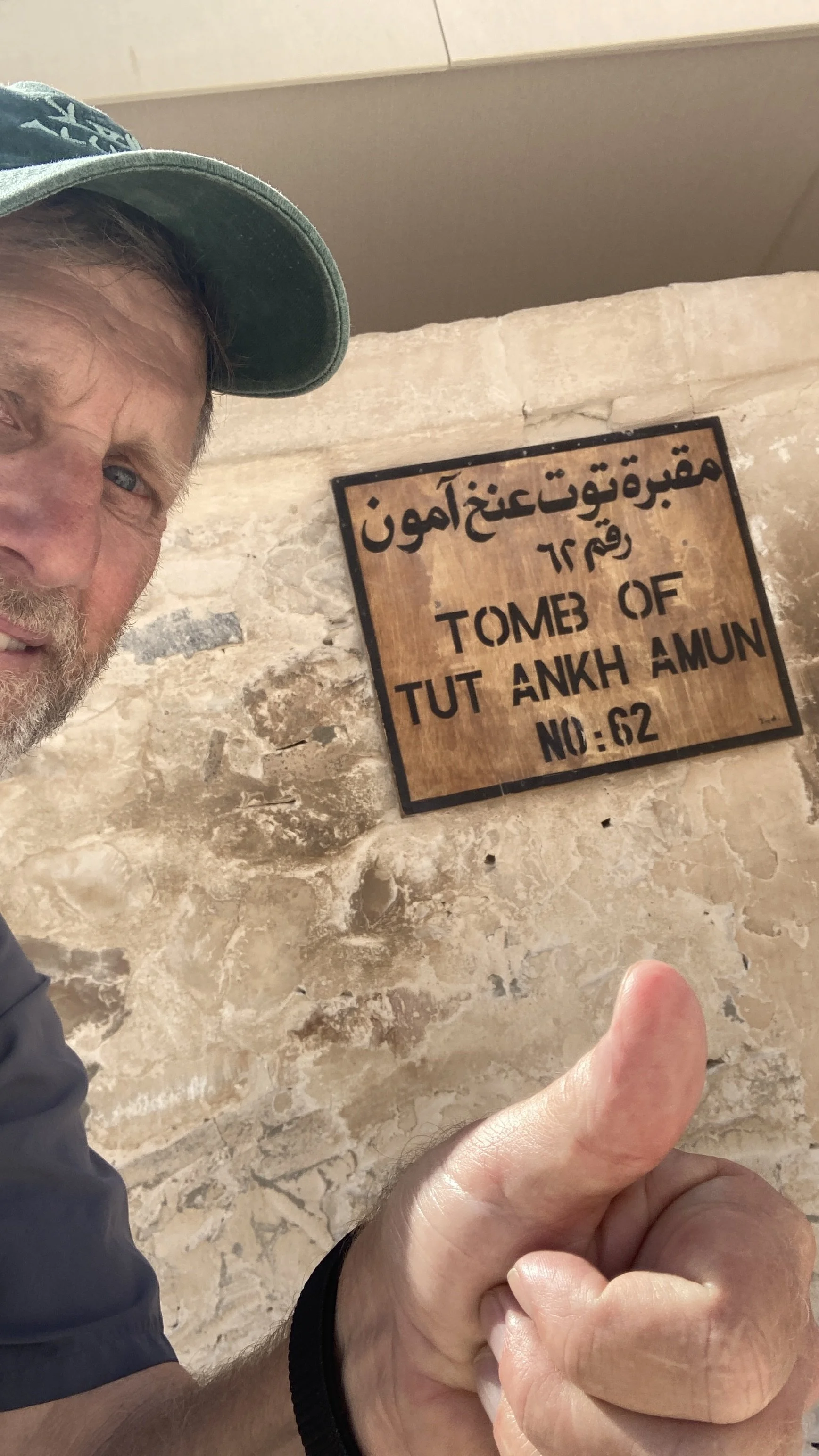
While many come to the Valley of the Kings, the nearby house of Howard Carter is also worth a stop. This mudbrick structure, replete with 1920s furniture, features the study, studio, laboratory, and living quarters of the discoverer of King Tut’s tomb in Egypt.

Sorry for the vain picture, but this sign marking the most famous discovery of Howard Carter cannot be missed. It’s just up the road a bit.

King Tut’s tomb in the Valley of the Kings, Egypt.

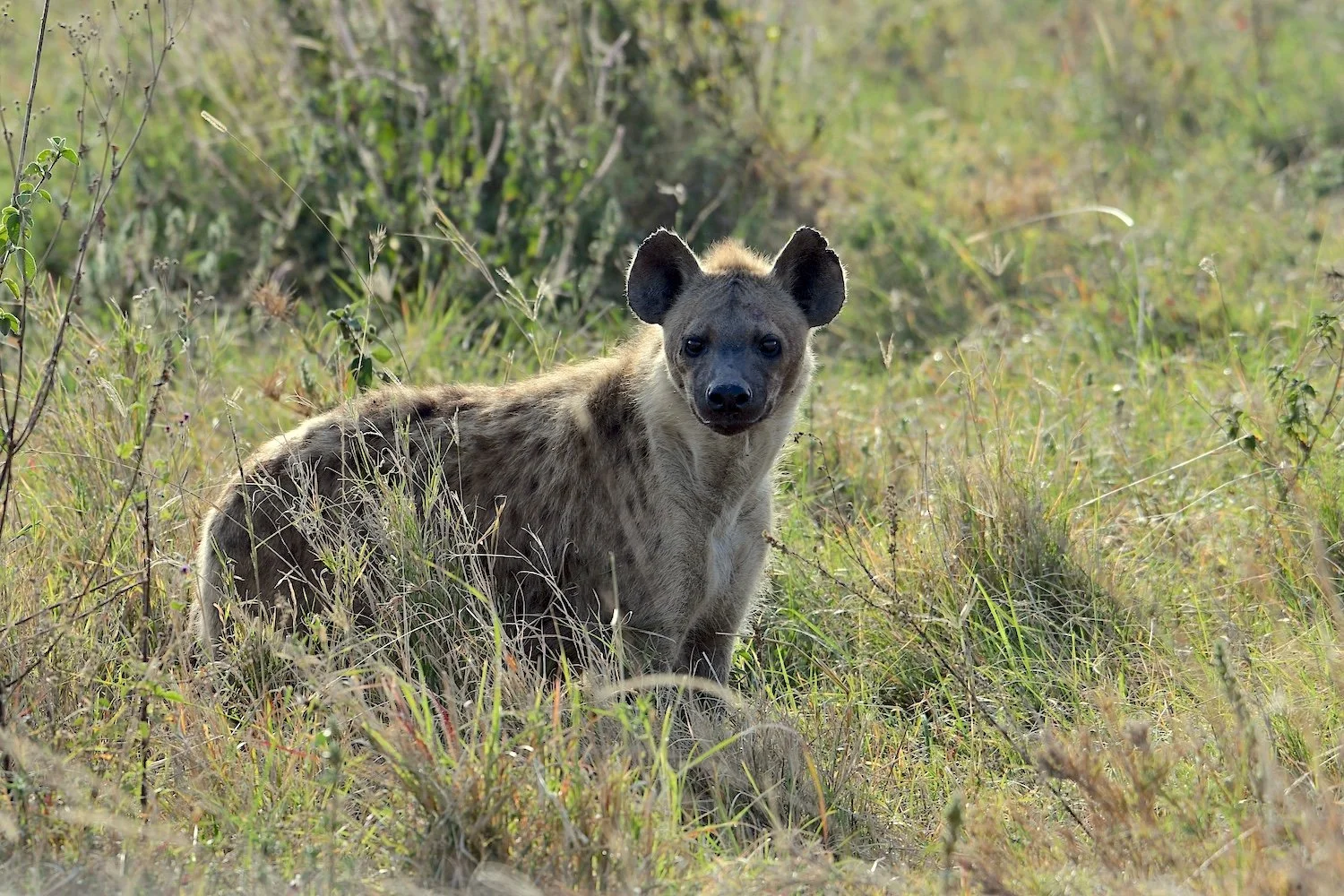
The Sounds of the Spotted Hyena

Spotted Hyena calls in the Ngorongoro Conservation Area.

Does the hyena really laugh? The science behind the sound

"Whoo-whoop, cackle-cackle!" The haunting cry of the Spotted Hyena is one of the most iconic sounds of the African wilderness. But is the hyena actually laughing?

While it may sound like a giggle to human ears, these vocalizations are part of a highly sophisticated social language.

Decoding Hyena Vocalizations

Hyenas don't laugh because they find something funny. Instead, their "laughter" is a series of staccato vocalizations used for specific communication:

  • The “Whoop”: This is a long-distance contact call that can carry for over three miles. It’s used to advertise territory boundaries or to rally members of the clan.

  • The “Cackle”: Often mistaken for a laugh, this high-pitched sound is actually a signal of social excitement or submission. It often occurs during a hunt or when a subordinate hyena is being chased by a dominant one.

Understanding these sounds transforms a nighttime “laugh” from a spooky noise into a glimpse into one of nature’s most complex social structures.

Experience the Symphony of the Serengeti

With Christmas in the rearview mirror, my mind is drifting back to the savanna. While our February 2026 Serengeti excursion is officially full, the adventure doesn't stop there.

Why Plan for 2027 Now?

The Serengeti remains a premier world-class destination. To secure the most exclusive lodges and the most knowledgeable guides, we recommend booking 12–18 months in advance.

What Awaits You:

  • The Great Migration: Witness millions of wildebeest and zebra on the move.

  • The Big Five: Track lions, leopards, elephants, buffalo, and rhino.

  • The Nighttime Symphony: Fall asleep to the very whoops and cackles of the African bush.

Isn’t it time for you to experience one of the last great wild places on earth?

Email us today to get on the wait list for 2027. Here’s the link to our desk.

And if you’re not into “Dad jokes,” don’t click this.

A Big Adventure on a Small Sambuk

Explore the Nile wetlands. Meet a family fishing for food and go for a ride in their small boats. Caution: it is a season of high water!

Interested in a big adventure of your own? We are planning several Egypt trips in the next year and a half. Here’s the dates. Email us here with your comments and questions.

  • May 5 - 15, 2026

  • January 1 - 9, 2027

  • January 23 - February 7, 2027

  • March 30 - April 8, 2027

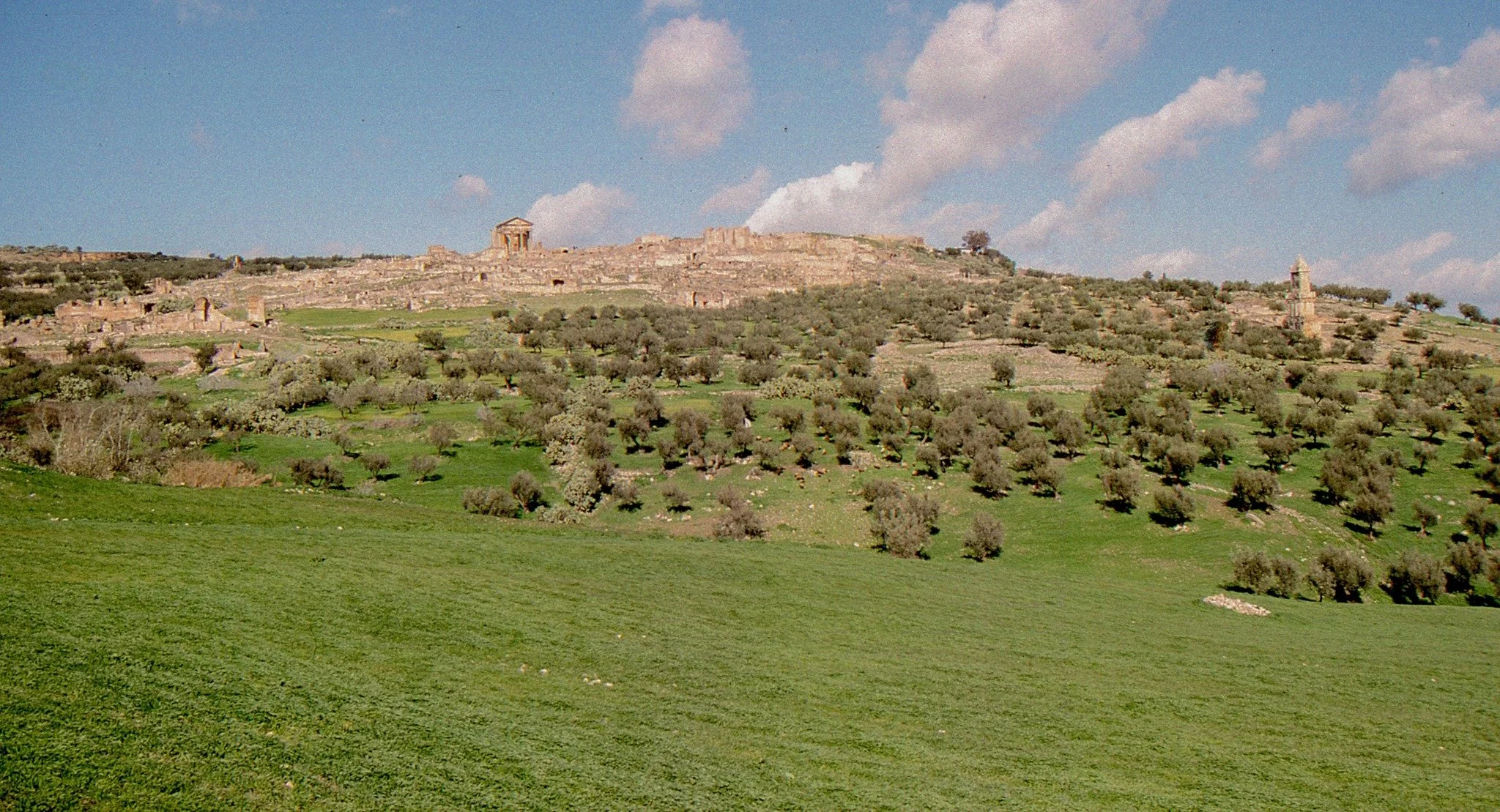
Thugga Skyline

View to the skyline of ancient Dougga in Tunisia.

Yesterday I posted an old slide of the Mausoleum of Ateban, a second century BC tomb marker at the site of Dougga (ancient Thugga) in northern Tunisia. Here's a shot to the larger context. You can see the mausoleum rising on the right hand site of the ruins. Visible at the top of the hill is the Capitolium, a temple dedicated to Jupiter, Juno and Minerva.

A UNESCO World Heritage Treasure

Because of its impressive size, exceptional preservation, and stunning landscape, Dougga (ancient Thugga) was declared a UNESCO World Heritage site in 1997. Unlike many other Roman sites that were built on flat ground, Dougga is built on a steep slope, maintaining the organic layout of an indigenous Numidian community that was later Romanized.

It has frequently been dubbed “the best-preserved Roman small town in North Africa.” It possesses all the essential components of a Roman urban center:

  • The Theatre: One of the most beautiful in the Roman world.

  • The Capitolium: A towering example of second-century architecture.

  • The Mausoleum of Ateban: A rare example of pre-Roman Numidian architecture.

A Moment in Time

I took this shot of the Dougga skyline in the winter of 2001, just a few years after the site received its UNESCO designation. The winter light in northern Tunisia highlights the golden limestone of the ruins against the green valley below—a view that hasn't changed much in two millennia.

The Mausoleum of Ateban: Cracking the Numidian Language

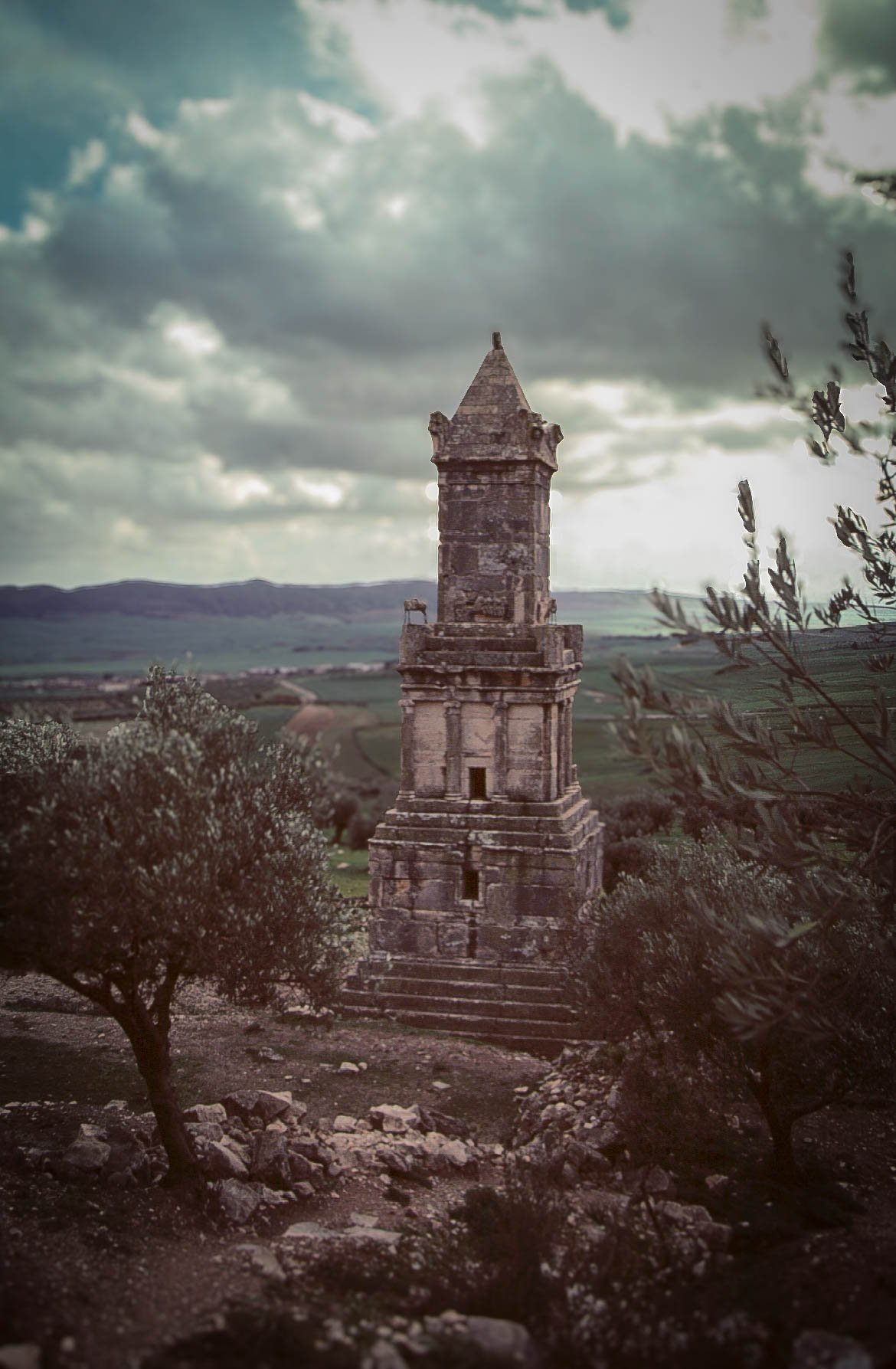
One cold morning I galumphed over a Tunisian hill and found myself facing the Mausoleum of Ateban. This 21-meter tower of stone, on the edge of the ancient site of Dougga, was erected in 146 BC. It was dedicated to a North African prince named Ateban or Ativan.

The Key to an Extinct Language

A bilingual inscription was once set into the face of this monument, written in both Numidian and Punic scripts. Much like the Rosetta Stone did for Egyptian hieroglyphs, this inscription provided the linguistic key that allowed scholars to finally crack the Numidian language.

Numidian is an extinct tongue, closely related to modern Berber, and was spoken across North Africa in the centuries surrounding the life of Christ. Without this stone, our understanding of the indigenous cultures of ancient Tunisia would be significantly less.

A Controversial History: From Dougga to the British Museum

The story of the inscription takes a dramatic turn in the 19th century. In 1842, the British consul removed the stone from the monument to preserve it (or claim it). Unfortunately, the removal process caused serious structural damage to the mausoleum itself.

The inscription was shipped to London, where it remains today in the British Museum—often out of public sight—while the reconstructed tower in Dougga stands as a silent witness to a language it no longer speaks.

Luxor Sunrise Hot Air Balloon Experience

I must confess: even though I signed up for this sunrise ride to scout the best experiences for our clients, I quickly realized it was a gift to myself. And boy, am I glad I did!

The World’s Greatest open-air museum

Floating in the morning air, you can truly appreciate why Luxor is often called the world's greatest open-air museum. From a thousand feet up, the landscape reveals secrets that ground tours simply can't match.

Why an Aerial Perspective Matters

For those fascinated by archaeology, this ride is critical. It allows you to visualize the layout of the region, seeing how temples and workers' villages were once connected by the same soil that local farmers irrigate today

Click and watch the video below.

Want to try it yourself?

For curated itineraries that offer deeper cultural connections and biblical study, email us here to learn about these four upcoming Egypt study-tours. Of course you’ll have the option to ride the balloons yourself!

  • May 5 - 15, 2026

  • January 1 - 9, 2027

  • January 23 - February 7, 2027

  • March 30 - April 8, 2027