Exploring Tanzania

The Face of the Underworld: Meeting the Olive Baboon (Papio anubis)

The Face of the Underworld: Meeting the Olive Baboon

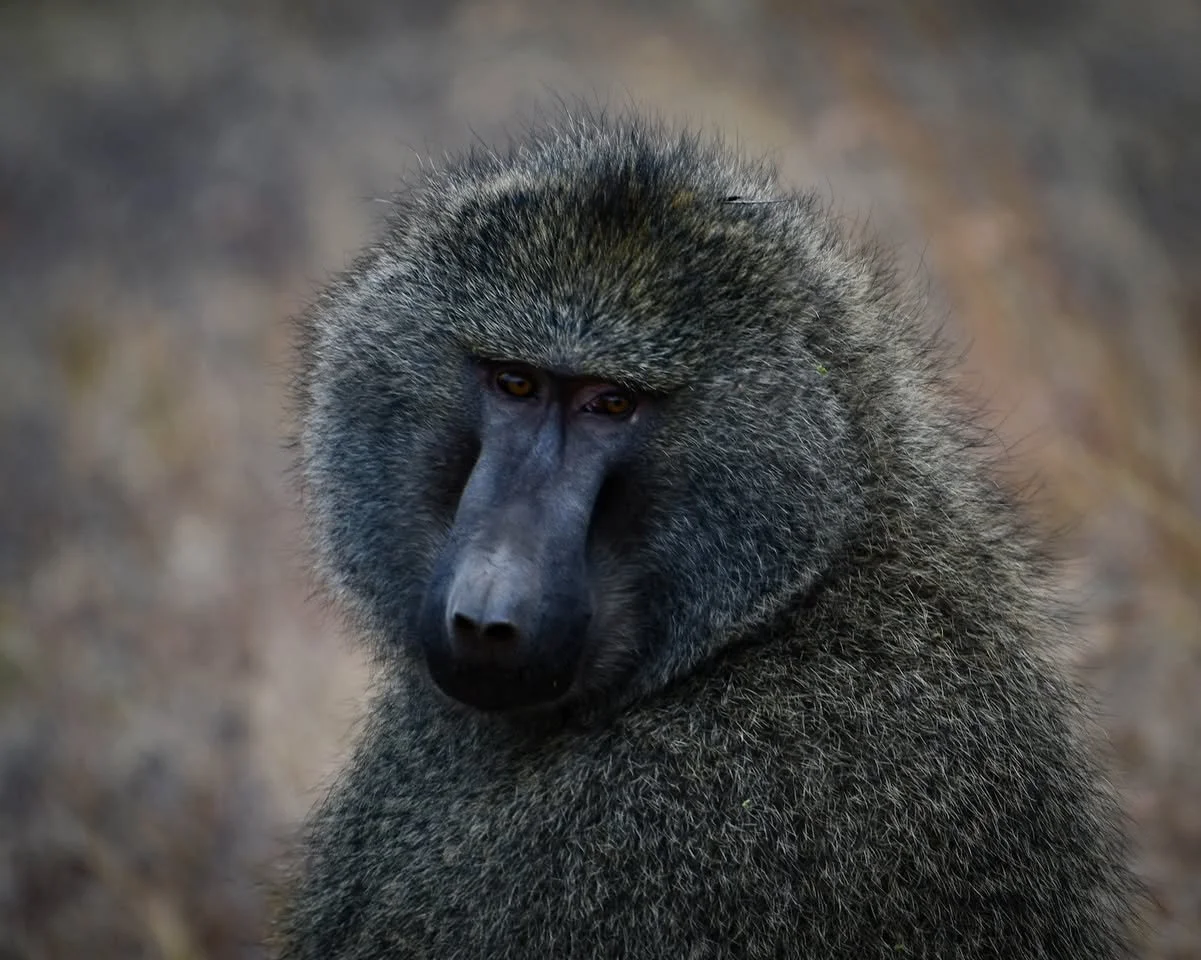
I’ve always found the "dog face" of the Olive Baboon to be a little threatening. Their sheer size and those formidable teeth make them one of the most respected primates on the savanna.

Why "Olive"?

This species is commonly called "olive" due to the unique coat of the Olive Baboon (Papio anubis)—a blend of grey-greenish fur that provides excellent camouflage in the African scrub.

The Mythological Connection

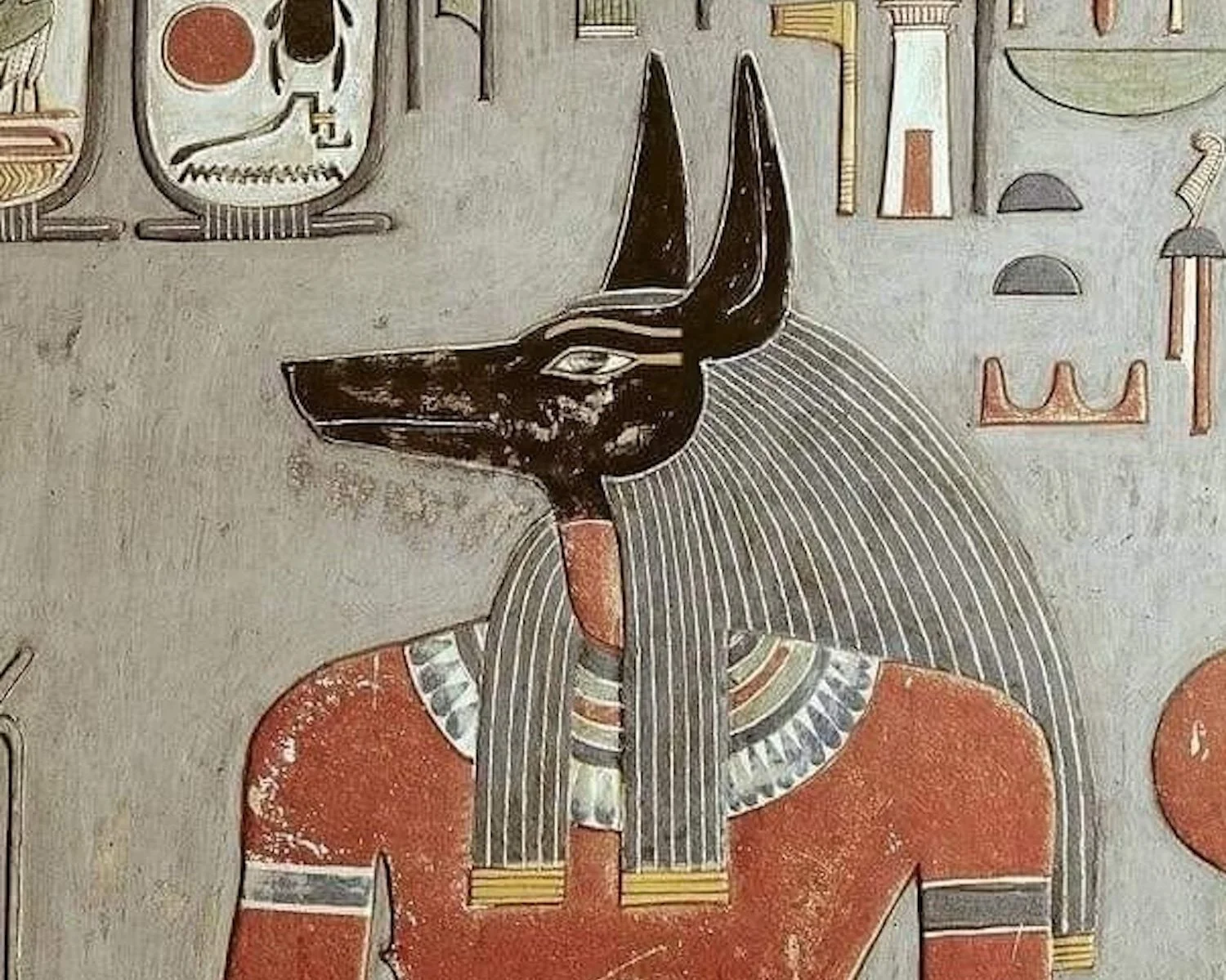
The official name, Papio anubis, carries a dark and fascinating history. While Papio is the genus marker for baboons, Anubis is the Greek rendering of the Egyptian god of the underworld.

When the French naturalist Jean-Baptiste Audebert named this primate in 1797, he was struck by the muzzle's resemblance to the jackal-headed deity. Like the god who weighed the hearts of the dead, the Olive Baboon has a piercing, "dog-faced" gaze that feels like it’s looking right through you.
Experience the Serengeti Wildlife

From the "dog-faced" baboons to the elusive leopards, the Serengeti is a land of living legends.

Expedition Update:

  • February 2026: Sold Out. All seats are taken!

  • 2027: We are heading back! Email us (here’s the link) to join the 2027 Waitlist and be the first to receive details on our next Tanzanian adventure.
Walking on Stilts: A Close Encounter with the World’s Leggiest Bird in Tanzania

Walking on Stilts: A Day at Lake Magadi, Tanzania

If you ever find yourself on the floor of the Ngorongoro Crater, your eyes will likely be drawn to the massive lions or the rare black rhinos. But if you look toward the shimmering, salt-crusted edges of Lake Magadi, you’ll find one of the most elegant (and slightly comedic) sights in East Africa: the Black-winged Stilt.

The "Supermodel" of the Soda Lake

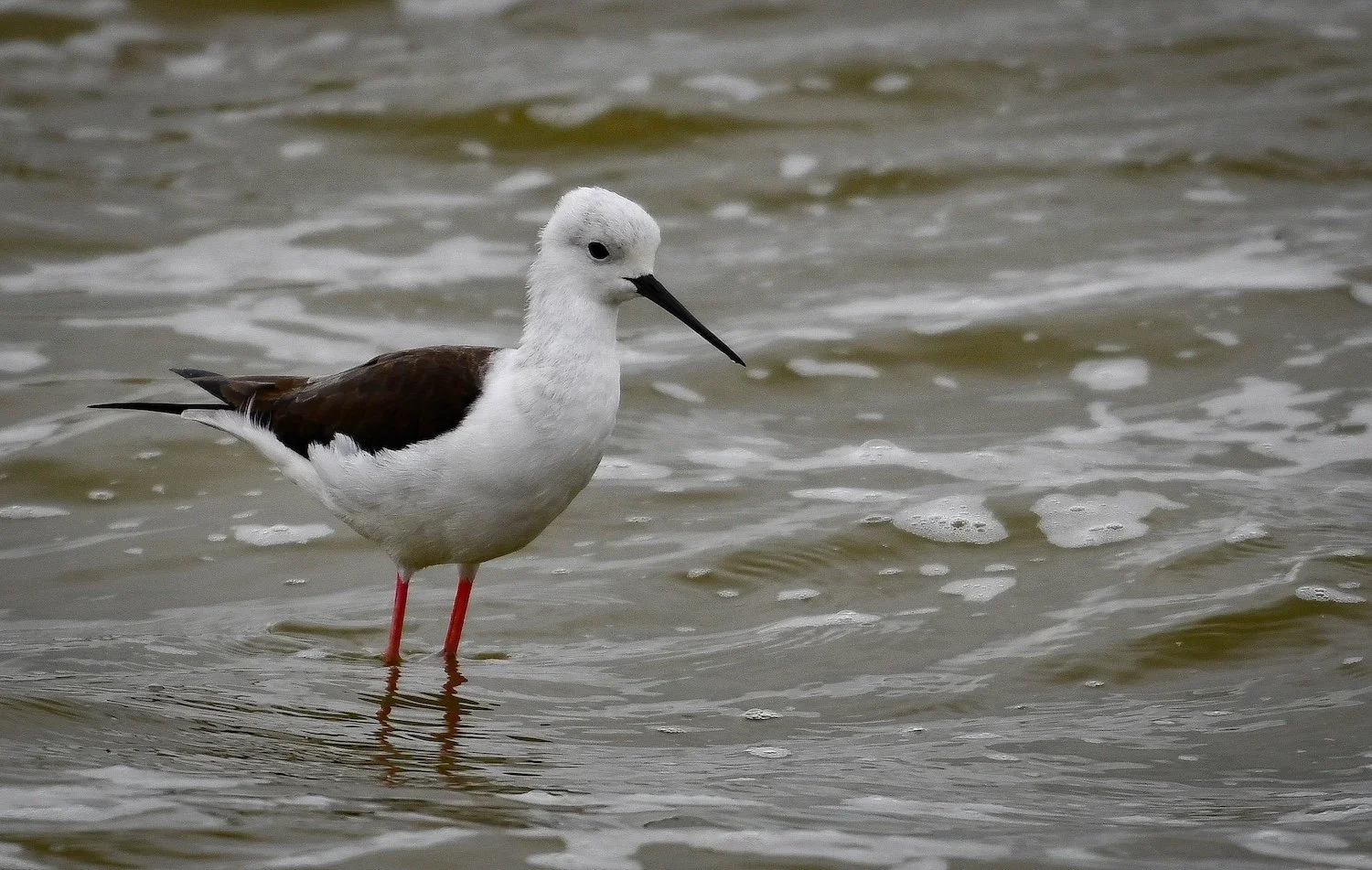
The first thing you notice about the Black-winged Stilt is the contrast. Their plumage is a sharp, tuxedo-like black and white, topped off with a needle-thin beak. But then, you see the legs.

Bright pink and impossibly thin, these legs look like they shouldn’t be able to support the bird at all. In fact, stilts hold the record for the longest legs relative to body size of any bird in the world. Watching them navigate the slapping waves of Lake Magadi, it’s immediately clear how they earned their name; they truly look like they are walking on wooden poles.

Why Lake Magadi?

Lake Magadi isn't your typical freshwater retreat. It is a soda (alkaline) lake, a harsh environment that most animals avoid. However, for waders like the stilt, it’s a goldmine.

  • Foraging Strategy: Their height allows them to wade deeper than other shorebirds, reaching food sources that smaller birds can't touch.

  • The Menu: They use those sharp beaks to peck at brine flies, larvae, and small crustaceans that thrive in the alkaline waters.

  • Adaptation: While the soda levels can be corrosive, the stilt thrives here, sharing the shoreline with shimmering flocks of Lesser Flamingos.

A Photographer’s Dream

Capturing a Black-winged Stilt in motion is a highlight of any Tanzanian safari. Whether they are delicately picking their way through the mud or taking flight with those long legs trailing behind them like a rudder, they bring a unique grace to the rugged landscape of the crater.

Pro-Tip: If you’re visiting Ngorongoro, bring a pair of high-quality binoculars or a long telephoto lens. The stilts often stick to the muddy shallows of Lake Magadi where the "slapping waves" meet the shore—a perfect spot for action shots.

Bridging Worlds: A Morning with Makuna Saruni in Mollel Emanyata

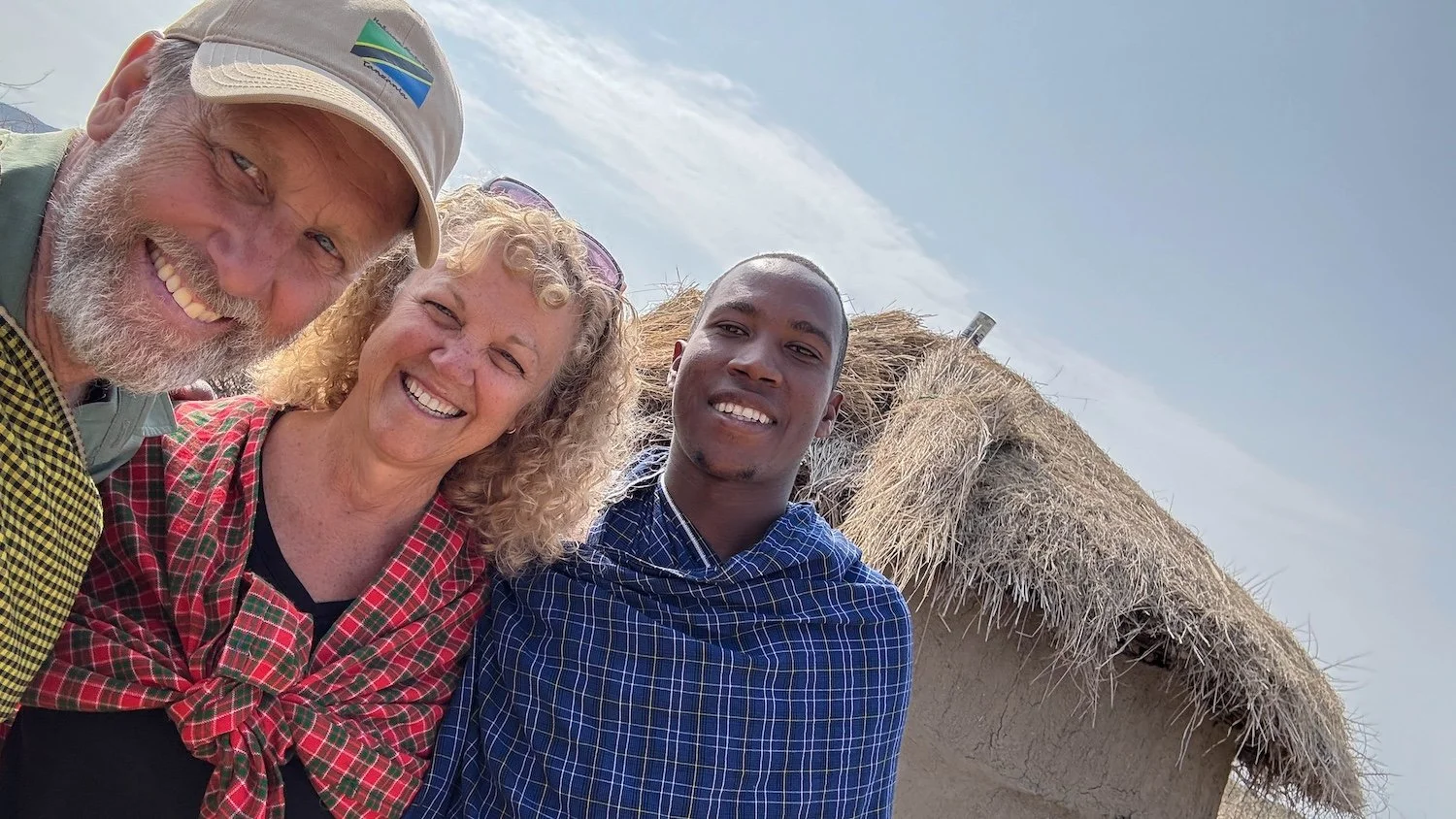
Makuna Saruni of Mollel Emanyata, Tanzania.

A short distance from the lush banana plantations near Mto wa Mbu (the "River of Mosquitoes") is the village of Mollel Emanyata. There we met someone who represents the vibrant future of Tanzania: Makuna Saruni.

As the son of a Maasai chief, Makuna carries the weight of centuries-old traditions on his shoulders. Yet, he is also an articulate young man with his sights set firmly on a university education next year. Meeting him wasn't just a cultural exchange; it was a glimpse into how the next generation is balancing ancestral heritage with modern ambition.

The Heart of Maasai Tradition

While many visitors recognize the Maasai by their vibrant red shukas and intricate beadwork, talking with Makuna revealed the depth behind the aesthetics. We learned about:

  • The Sacred Role of Cattle: In Maasai culture, cattle are not just livestock; they are a sign of wealth, status, and a spiritual gift from the deity.

  • The Warrior’s Path: Young men traditionally progress through life stages—from childhood to Moran (warrior) and eventually to elderhood.

  • Community Values: Respect for elders and the collective ideology of the tribe remain the bedrock of their society.

A Vision for the Future

Makuna is part of a growing movement of Maasai youth pursuing higher education to better advocate for their communities. In a world where land rights and climate change increasingly threaten the semi-nomadic way of life, articulate voices like Makuna’s are essential.

His goal to begin college next year reflects a broader shift: Maasai traditions are not "vanishing" but are instead evolving. Young leaders are proving that you can cherish your culture while embracing the tools of global citizenship.

Children inside the village schoolhouse.

Why Mto wa Mbu Matters

The area of Mto wa Mbu is unique in Tanzania for its incredible diversity. It is one of the few places where you can see the Maasai's pastoralist lifestyle side-by-side with the irrigation-based farming of the Chagga or the expert woodcarving of the Makonde.

Meeting Makuna reminded us that the true beauty of a Tanzanian Safari isn't just the wildlife—it’s the people. Young people like him inspire hope that we can all move forward together, respecting where we’ve come from while reaching for what’s next.

The Mara River Crossing

Large herd of wildebeest and zebra gathering at the edge of the Mara River during the Great Migration.

The Greatest Show on Earth: Witnessing the Great Migration

There is no sound quite like it—the thunder of over two million hooves hitting the dust-baked earth of East Africa.

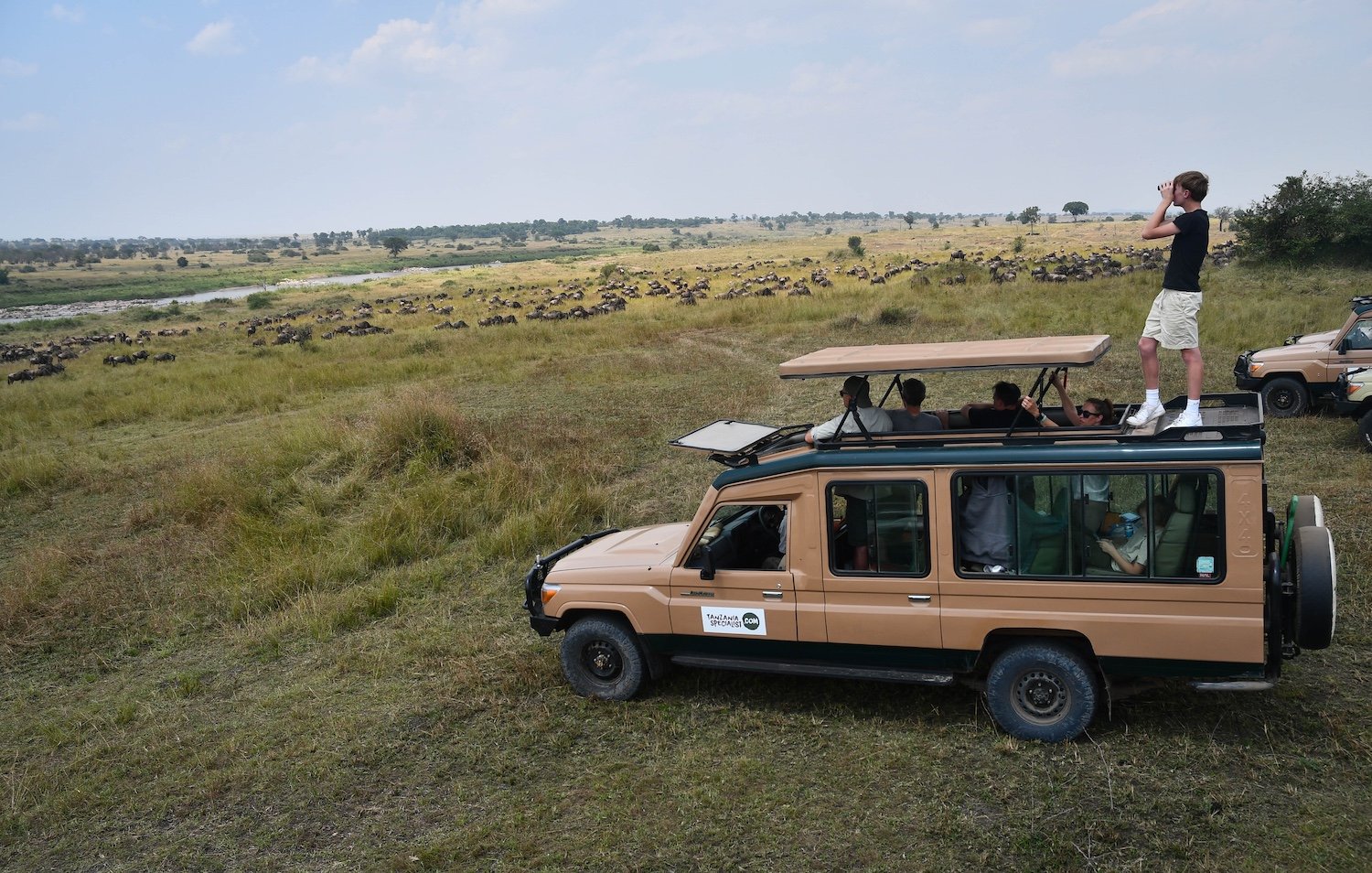
We recently stood on the banks of the Mara River, the natural border between Tanzania’s Serengeti and Kenya’s Maasai Mara, to witness the Great Migration. Known as the largest mass movement of land mammals on the planet, this isn't just a trek; it’s a high-stakes drama of survival, instinct, and raw power.

The Chaos of the Mara River Crossing

The herds of wildebeest and zebra gather by the thousands at the river’s edge. There is a palpable tension in the air as they wait for one brave leader to take the plunge. When they finally go, it’s a spectacle of:

  • Adrenaline: Watching thousands of animals navigate steep cliffs and "slapping waves."

  • Nature’s Gauntlet: The Mara River is home to some of Africa’s largest Nile crocodiles, waiting for the crossing to begin.

  • The Symbiosis: Notice how the zebras and wildebeests travel together; zebras have excellent memory for the migration route, while wildebeests can scent water from miles away.

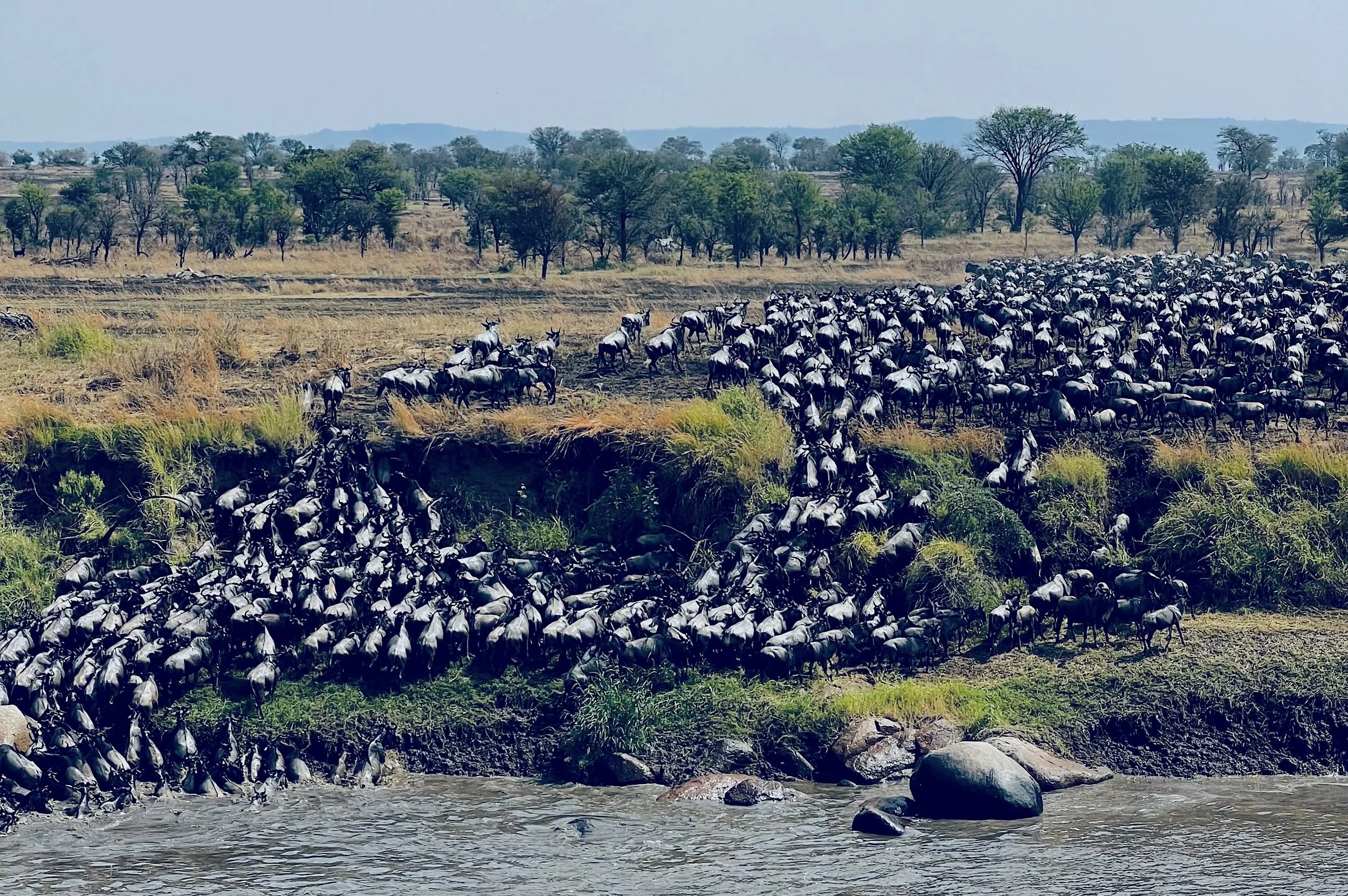
A massive herd of blue wildebeest and zebras charge up and out the Mara River during the Great Migration.

North for Feeding, South for Birthing

The Great Migration is a relentless circular journey of about 1,200 miles. The herd follows the rains in a constant search for greener pastures:

  • The North (Feeding & Breeding): During the winter months, the herd pushes north into the Maasai Mara to graze and breed.

  • The South (Birthing): In the summer, the rhythm shifts as they move south into the Serengeti for the calving season.

At either end of the calendar, it is a spectacle to behold. In 2024 and 2025, we had the incredible opportunity—as the photo above demonstrates—to witness the intensity of the Mara River crossing. Looking ahead, we anticipate arriving in 2026 specifically for the birthing season (stay tuned for future posts on that incredible sight!), intense for a different set of reasons.

Join Us on Safari!

We don't just want to tell you about it; we want you to see it for yourself. The sight of the herd stretching across horizon is a soul-stirring experience that stays with you forever.

Ready to check the Serengeti off your bucket list?

We are currently making plans to witness the Great Migration again in 2027, and we’d love for you to join our caravan. Email us here to get the first opportunity at seats when registration opens!

Shooting Big Game: Why the Nikon 200-500mm is a Safari Game Changer

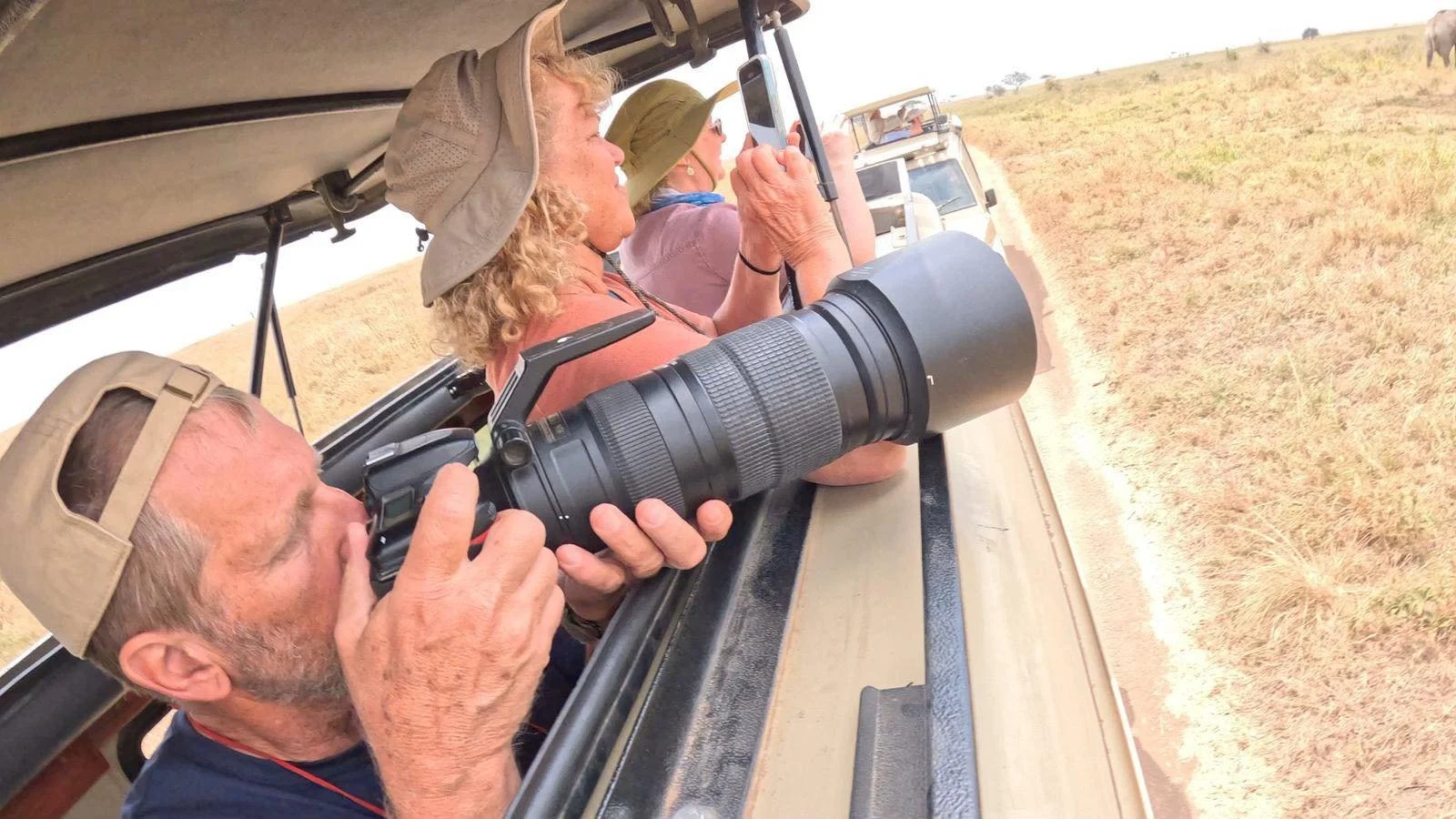
Extending my photographic reach into a herd of elephant on the Tanzanian Serengeti.

Shooting Big Game on Safari: The Gear That Actually Works

I’m officially done trying to capture the majesty of the African wilderness with gear that isn't built for the job. To get those professional-grade shots, I’ve hit the reset button with a used setup from the experts at PROCAM Photo & Video Gear in Cincinnati, Ohio.

My new “big game” kit consists of a Nikon D7500 DSLR paired with the Nikkor 200-500mm f/5.6 lens. If you want to elevate your wildlife photography, this is one way to do it.

The Body: Nikon D7500

While the D7500 has new tricks for this old dog to master, the transition from my old Nikon D70 (may it rest in peace!) was seamless. The D7500 a digital, reliable workhorse, but the real magic happens at the end of the mount.

The Difference Maker: Nikon 200-500mm f/5.6 Lens

This lens is the ultimate "reach" tool for birds and elusive game.

  • Intuitive Handling: The rings are smooth for manual framing.

  • Speed & Stability: The quiet autofocus motor and Vibration Reduction (VR) technology are lifesavers when the vehicle is idling or animals are on the move.

  • The Reality Check: It’s heavy and slow. For long game drives, I highly recommend a filled camera beanbag to rest the lens on the vehicle's roof. Also, at f/5.6, it requires some ISO finesse during those golden hour low-light situations.

    I’d love to go faster and lighter, but that gets real expensive.

Serengeti, be warned: I’m armed, ready, and the results will speak for themselves.

Expand Your Wildlife Skills:

Special thanks to Les Riley for the photo!

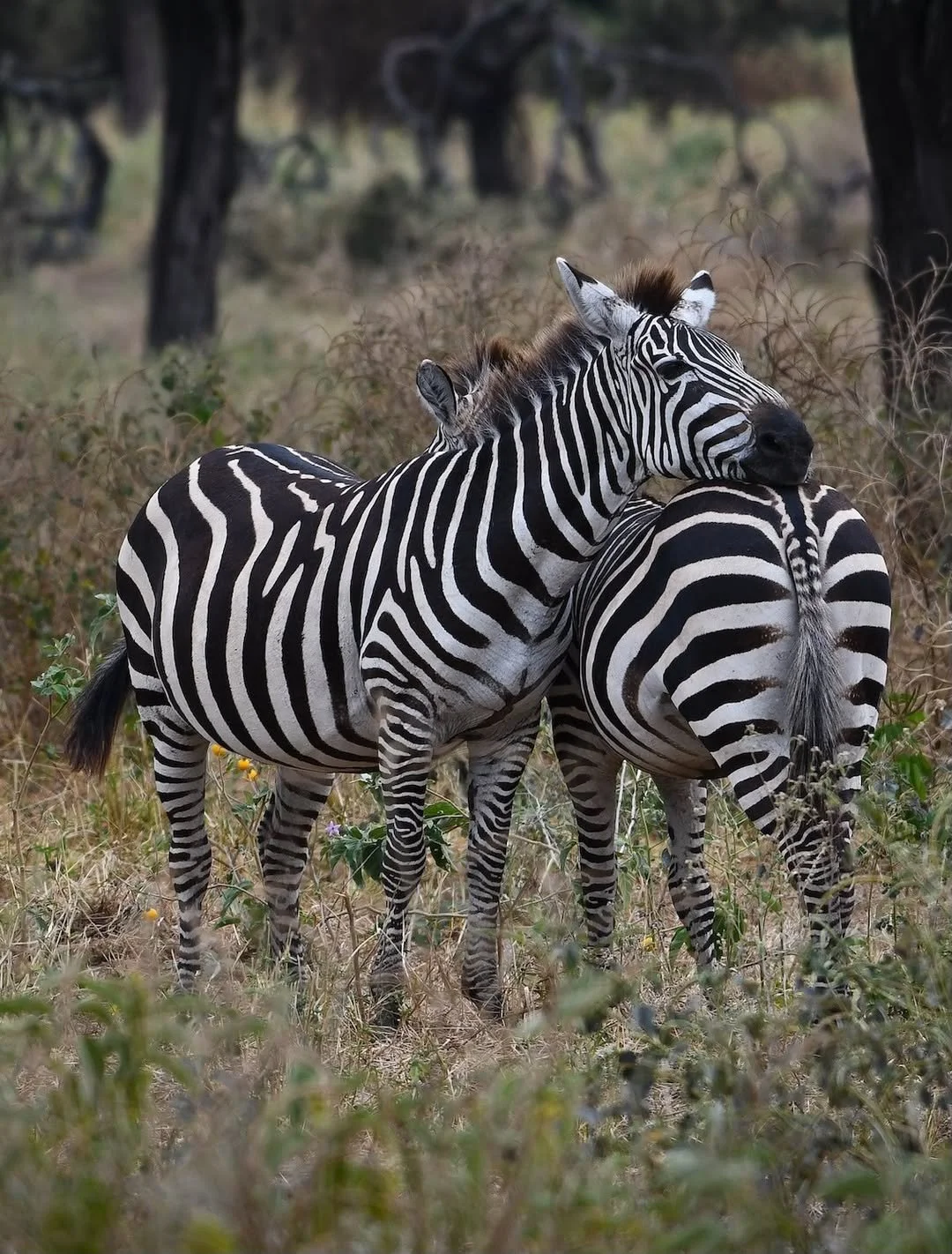
Why do Zebras Hug?

A pair of zebras practice reciprocal resting in the Serengeti National Park, Tanzania.

Survival strategy

While it looks like a cozy zebra hug, this behavior is a clever survival strategy designed for the harsh African savannah. Specialists call it “reciprocal resting.”

Here is why zebras stand chin-to-back:

  • 360-Degree Vigilance: By facing in opposite directions, a pair of zebras creates a complete lookout system to spot predators like lions or hyenas from any angle.

  • Rest for Tired Necks: Standing all day is exhausting. Resting their heavy heads on a mate’s back allows them to relax their neck muscles while remaining upright and ready to bolt if needed.

  • Social Bonding: This physical closeness is a key form of social grooming and interaction, helping to reinforce the trust and strong bonds within their family units.

  • Insect Defense: In this position, their tails are near each other’s faces, allowing them to swat away biting flies and other annoying insects for one another.

Just as we hold hands for connection and security, zebras lean on each other to stay safe and connected in the wild. Ok, the parallel is not exact, but it warms the heart, doesn’t it?

Experience the Magic of the Serengeti

Nothing compares to seeing these social bonds in person. Witness the Great Migration and the unique behaviors of Africa's iconic wildlife up close.

  • Safari 2026 - Reservations closed. All seats taken.

  • Safari 2027 - Details TBA. Email us here to receive notification when registration opens.

The Unstriped Ground Squirrel: A Savannah Hermit

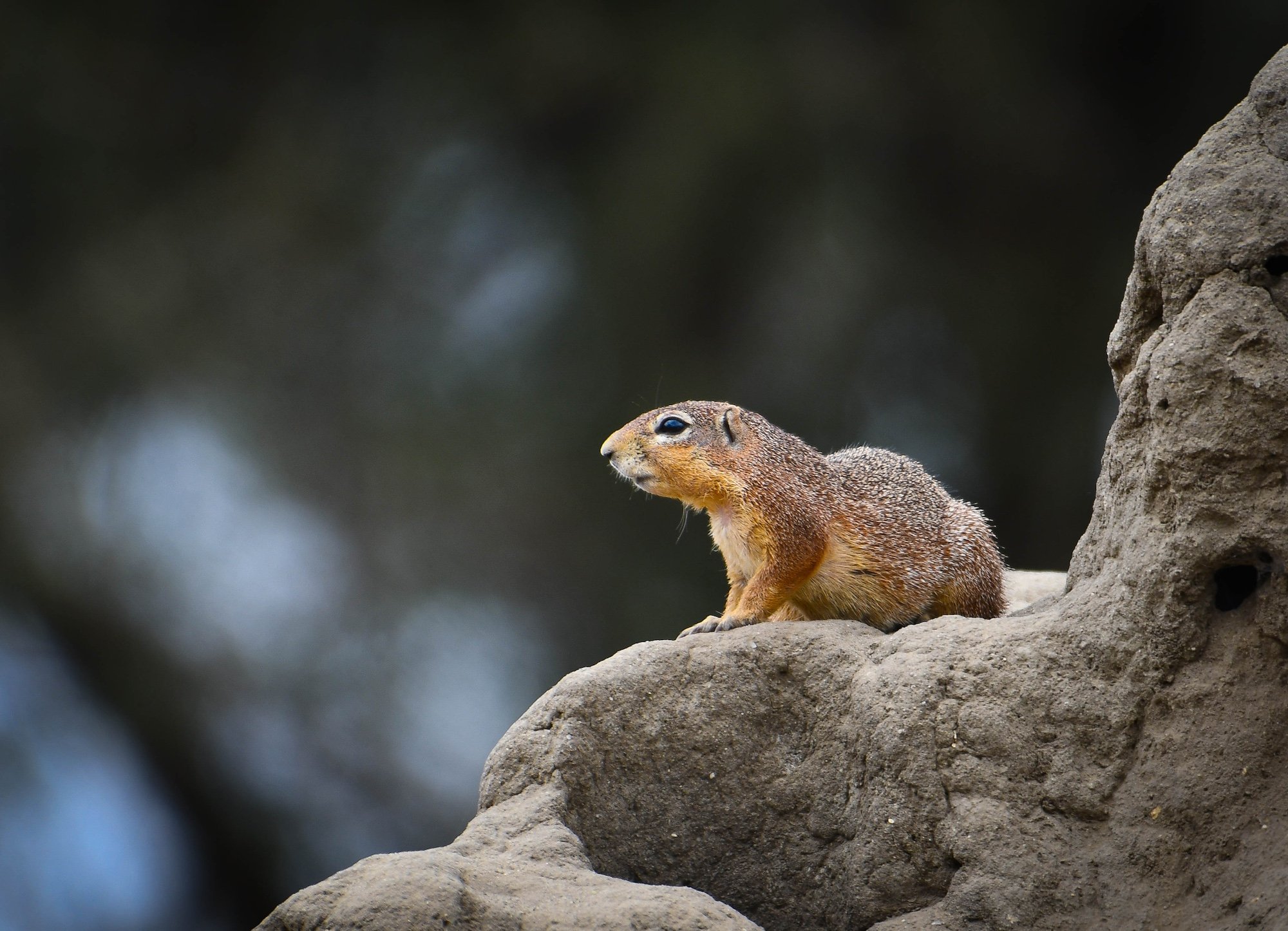
Close-up of an unstriped ground squirrel (Xerus rutilus) near a termite mound in East Africa.

Look, a squirrel!

More specifically, an unstriped ground squirrel (Xerus rutilus). This little fella is a small but mighty resident of the East African grasslands. Unlike its more social cousins, this species is a master of the "solitary life," a trait reflected in its genus name, Xerus, which stems from the Greek word for “dry.”

A Life Adapted to the Arid Wild:

  • Diet of the Drylands: To survive in parched environments, these squirrels are efficient foragers, dining on a mix of seeds, pods, and leaves found across the savanna.

  • Clever Habitation: While they are expert burrowers, they are also opportunists. You’ll often find them taking up residence in abandoned termite mounds, using these sturdy structures as ready-made fortresses.

  • Safety in the Deep: Going underground isn't just about shade; it's a critical defense. Their deep burrows keep them safe from high-altitude raptors and stealthy predators like leopards and jackals.

  • A Unique Look: True to its name, Xerus rutilus is the only member of its genus that lacks the distinctive side stripes seen on other African ground squirrels, sporting a solid, tawny coat instead.

Spot Them on Safari

These "savannah hermits" are a delight to watch as they dash between shrubs or stand tall on their hind legs to scan the horizon. Join us for for a look yourself.

2026 Update: Our February expedition is officially SOLD OUT. All seats are taken!

Planning for 2027? Don't miss out on the next adventure. Email us here to get exclusive updates and be the first to know when 2027 reservations open.

The Ngalawa: Zanzibar’s Ancient Mango-Wood Workboat

A traditional Zanzibari Ngalawa outrigger boat resting on the sand at low tide, East Coast Zanzibar.

It’s currently low tide on the east coast of Zanzibar, and this traditional craft isn't going anywhere soon.

This is a Ngalawa (also spelled Nagalawah), the quintessential workboat of the East Indian Ocean. Its design tradition is a living history, stretching back over a thousand years.

Crafting a Legend:

  • The Hull: This specific boat is seven years old, meticulously hewn from a single mango tree trunk.

  • The Build: While the hull is a solid piece of fruitwood, the frame is a rugged hybrid of eucalyptus and mangrove poles, lashed together with durable nylon rope.

  • Family Heritage: Hand-built by the owner’s father, this Ngalawa represents a generational skill passed down through Zanzibari families.

A Thousand Years of Design

The Ngalawa is distinguished by its dual outriggers, which provide stability in the turquoise waters of the Tanzanian archipelago. It remains the primary vessel for local fishermen, proving that some designs are so perfect they don't need to change for a millennium.

Plan Your 2027 Adventure

Want to walk the white sands of Zanzibar and see these historic vessels up close? Maybe go for a sail?

2026 Status: All seats are officially SOLD OUT.
2027 Waitlist: We are now scouting for our next expedition. Email us here to get on the priority list for 2027 updates!

Scent of the Islands: A Day on a Zanzibar Spice Tour

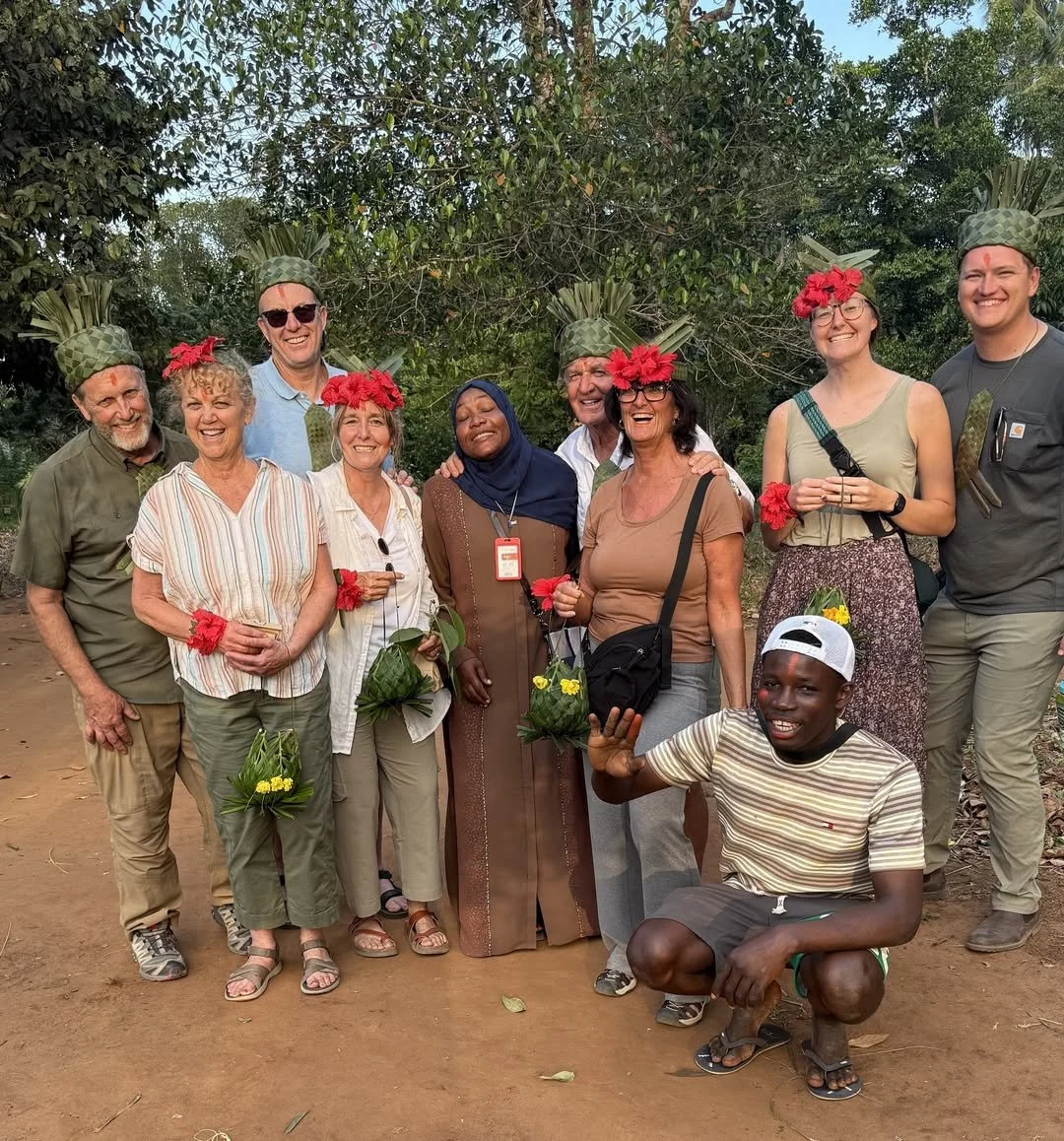
What happens on a Zanzibar Spice Tour? This group found out!

Zanzibar isn't just about white sands and turquoise waters—it's a sensory journey that earned it the nickname “Spice Island.” A Zanzibar Spice Tour is an essential rite of passage for any traveler wanting to uncover the island's aromatic soul.

What to Expect

Most tours take place in the lush plantations of Kizimbani Village, just a short drive from Stone Town. You won’t just be looking at plants; you’ll be:

  • Tasting & Smelling: Guess the scent of fresh cinnamon bark, scratch-and-sniff turmeric roots, and taste exotic fruits like jackfruit, soursop, and custard apple right off the tree.

  • Learning the "Why": Discover how cloves—Zanzibar's most famous export—were once more valuable than gold.

  • Seeing the "How": Watch local "Butterfly Men" scale towering coconut trees while singing traditional Swahili songs like Hakuna Matata.

The Full Experience

A typical half-day excursion often ends with:

  1. Palm Weaving: Guides often craft intricate hats, ties, or jewelry out of palm leaves for you to wear.

  2. Authentic Lunch: Many tours include a traditional Swahili lunch featuring Pilau rice, seasonal vegetables, and fish, all seasoned with the very spices you just learned about.

  3. Shopping: You can buy freshly packaged, organic spices like vanilla pods, nutmeg, and handmade soaps to take home.

Quick Tips

  • Wear comfortable shoes: You’ll be walking on uneven, sometimes muddy plantation paths.

  • Carry cash: While you can buy spices at the farm, some travelers find better deals at the Darajani Market in Stone Town.

  • Stay Hydrated: The tropical humidity is real, so bring water, though you'll likely be offered fresh coconut water during the tour.

Ostrich Gangs: Why Young Males Stick Together

Ostriches Have Their Reasons: Why Juveniles Group Together

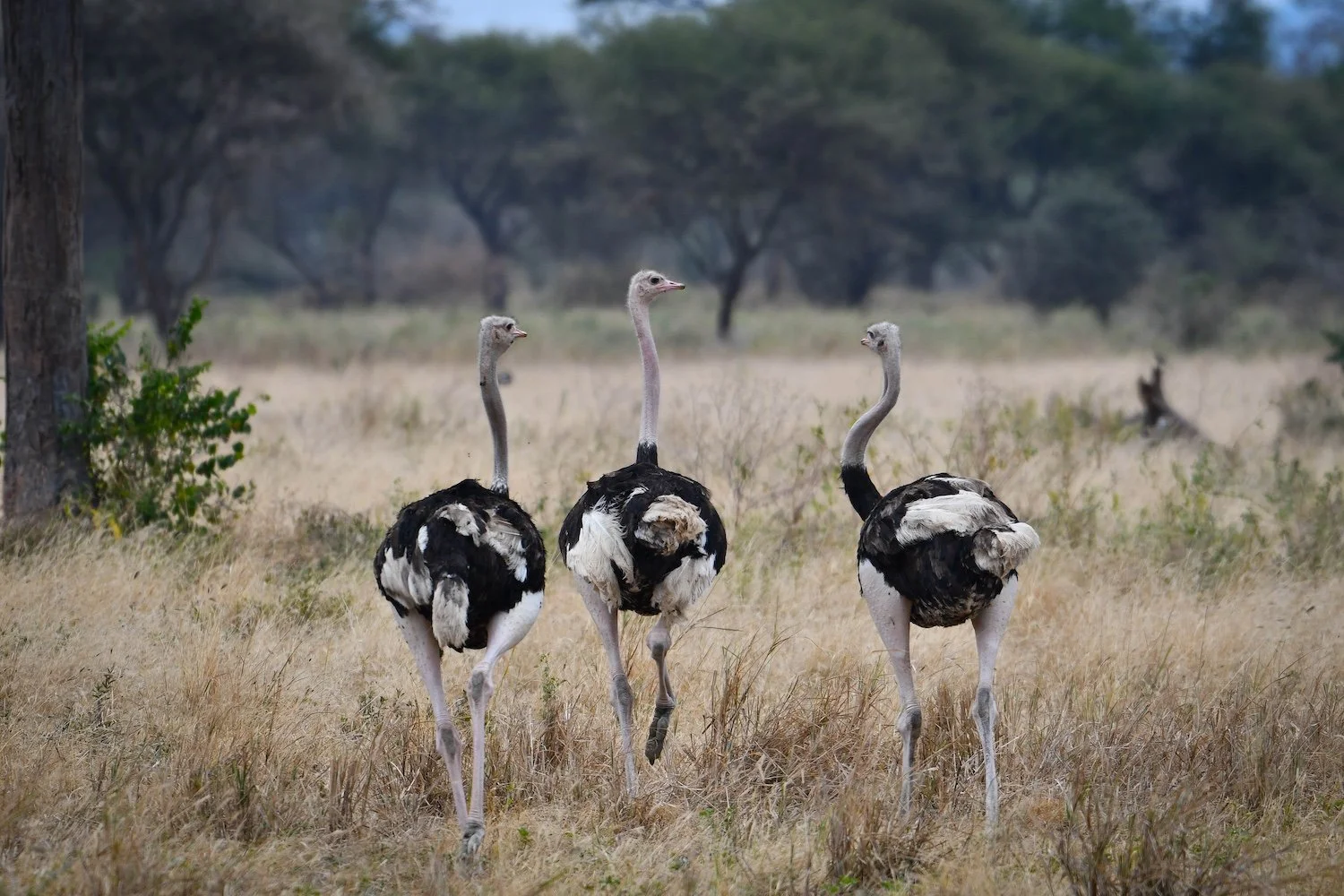
Unlike adult male ostriches of the Segengeti (Struthio camelus massaicus) which are highly competitive, young male ostriches are often found in small groups. This is done primarily to increase their chances of survival during the transitional period before they reach sexual maturity (around age 3 or 4).

The Benefits of Ostrich “Bachelor Flocks”

  • Predator Detection: “More eyes” to spot threats like lions or leopards in the open ground.

  • Social Learning: Juveniles follow older or more experienced birds to learn how to forage for food (like seeds, insects, small reptiles) and navigate their environment.

  • Protection in Numbers: In large herds (which can sometimes reach 100 individuals outside of breeding season!), the individual risk of being targeted by a predator is lower. It helps when you can run more than 40 mph too!

  • Lack of Territory: Unlike mature alpha males who establish and defend specific territories, young males are not yet competitive for mates and can peacefully coexist in these nomadic "bachelor" or mixed-age flocks.

We came upon these three juveniles on the Serengeti, Tanzania.

Ostrich watch on Safari

Ostriches are a highlight of any Tanzania wildlife tour. And despite the old myth, you’ll never see one with its head in the sand! They are fast, alert, and fascinating to observe in their natural habitat.

2026 Update: Our February expedition is officially SOLD OUT. All seats are taken!

Planning for 2027? Don't miss out on the next adventure. Email us here to get exclusive updates and be the first to know when 2027 reservations open.

Elephants on Parade: Why they gather at the Tarangire River

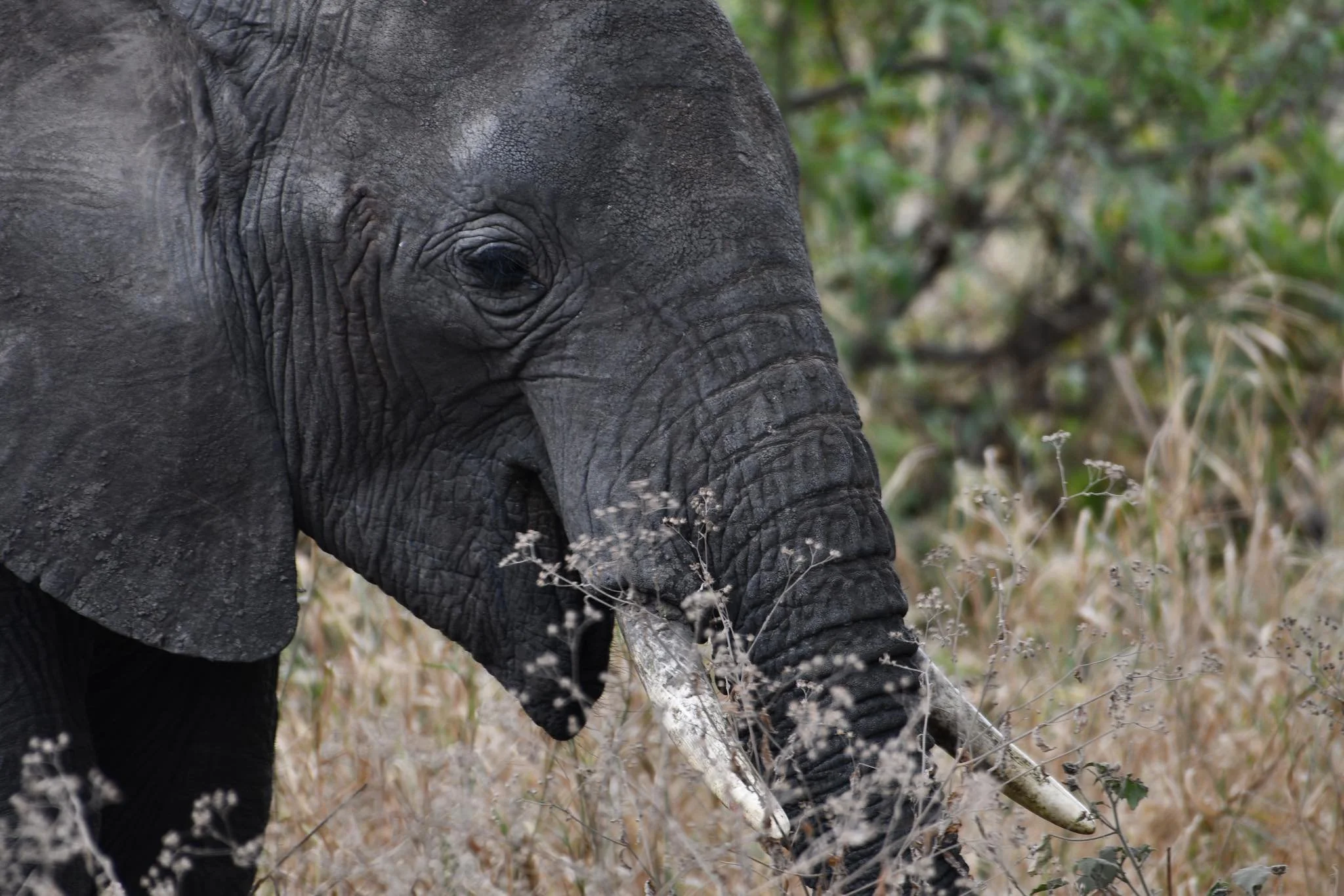
Big ones, small ones, fat ones, tall ones. Must have seen 100 elephants along the Tarangire River yesterday. Yowza!

Why are there so many elephants in Tarangire?

One answer is that the park serves as a refuge for an annual migration. Thousands of elephants move into Tarangire from surrounding areas like Lake Manyara and the Maasai Steppe. During peak months (June-October), you can witness herds of up to 300 individuals congregating in a single area.

See the tarangire parade for yourself

African bush elephants (Loxodonta africana) are a delight to watch as they lumber along, dig for water, bathe, or break small trees. You really need to see them to believe their size and power.

2026 Update: Our February expedition is officially SOLD OUT. All seats are taken!

Planning for 2027? Don't miss out on the next adventure. Email us here to get exclusive updates and be the first to know when 2027 reservations open.

Why the Superb Starling is Superb

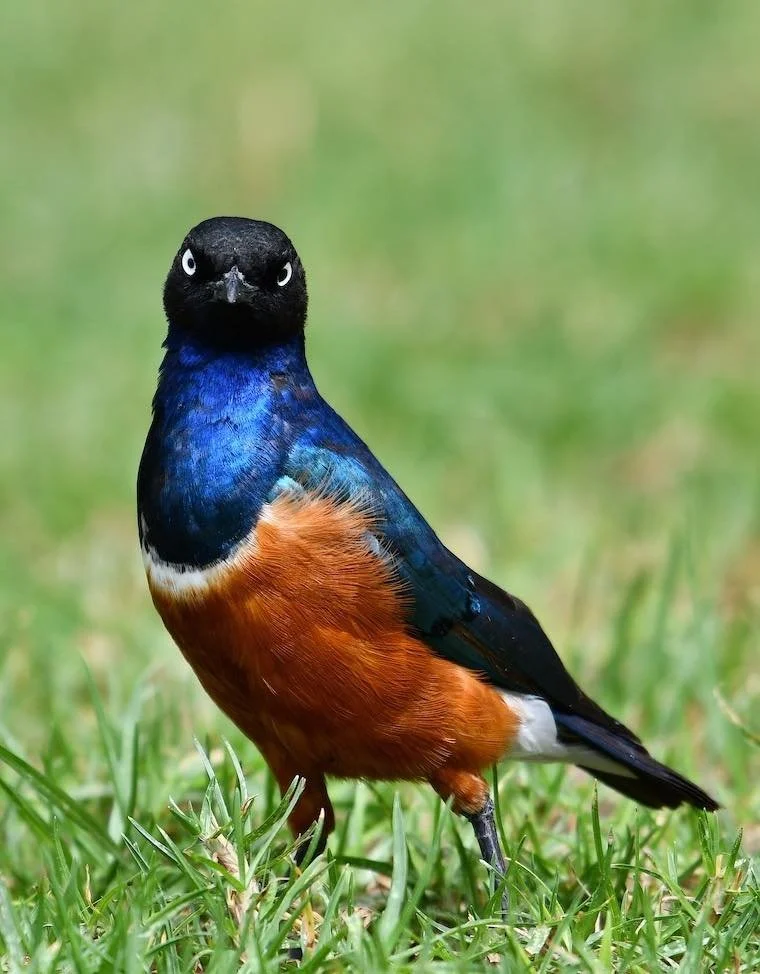
Close-up of a Superb Starling with iridescent blue feathers and white breast band near Mount Kilimanjaro.

Arrival at Kilimanjaro: Meet My First Subject

Arrived at Kilimanjaro safely today. Trying to stay awake by playing with a new (used) camera body, lens, and a Superb starling (Lamprotornis superbus)!

You might wonder: why is this bird officially “Superb”? After spending an hour tracking one through the lens, the answer is clear.

It’s All About the Color

The iridescent plumage is breathtaking. Flashes of metallic blue, black, and green meet the eye at every turn. Because their color comes from the structure of their feathers rather than pigments, the sheen across their chest, back, and wings seems to shift and transform depending on how the sunlight hits it.

  • The “Necklace”: Unlike their look-alike cousins, adults have a distinct white breast band that separates their shimmering blue chest from a fiery orange belly.

    Note: For more on their look-alikes, see our post “Hildebrandt’s Starling: The Colorful African Cousin of the Common Starling

  • Piercing Eyes: They sport striking creamy-white eyes that give them a sharp, alert, and slightly mischievous expression.

Personality & Attitude

These birds aren’t just eye candy; they are incredibly social and smart. They live in large, chatty flocks and are famously unafraid of humans, often hopping around picnic sites or safari vehicles with bold curiosity. They are the perfect “welcoming committee” for any African expedition.

See the Superb Starling for Yourself

You really need to see one in person to believe the intensity of their colors. They are living, flying gemstones of the savanna.

2026 Update: Our February expedition is officially SOLD OUT. All seats are taken!

Planning for 2027? Don't miss out on the next adventure. Email us here to get exclusive updates and be the first to know when 2027 reservations open.

The Common Warthog: He’s got Chops

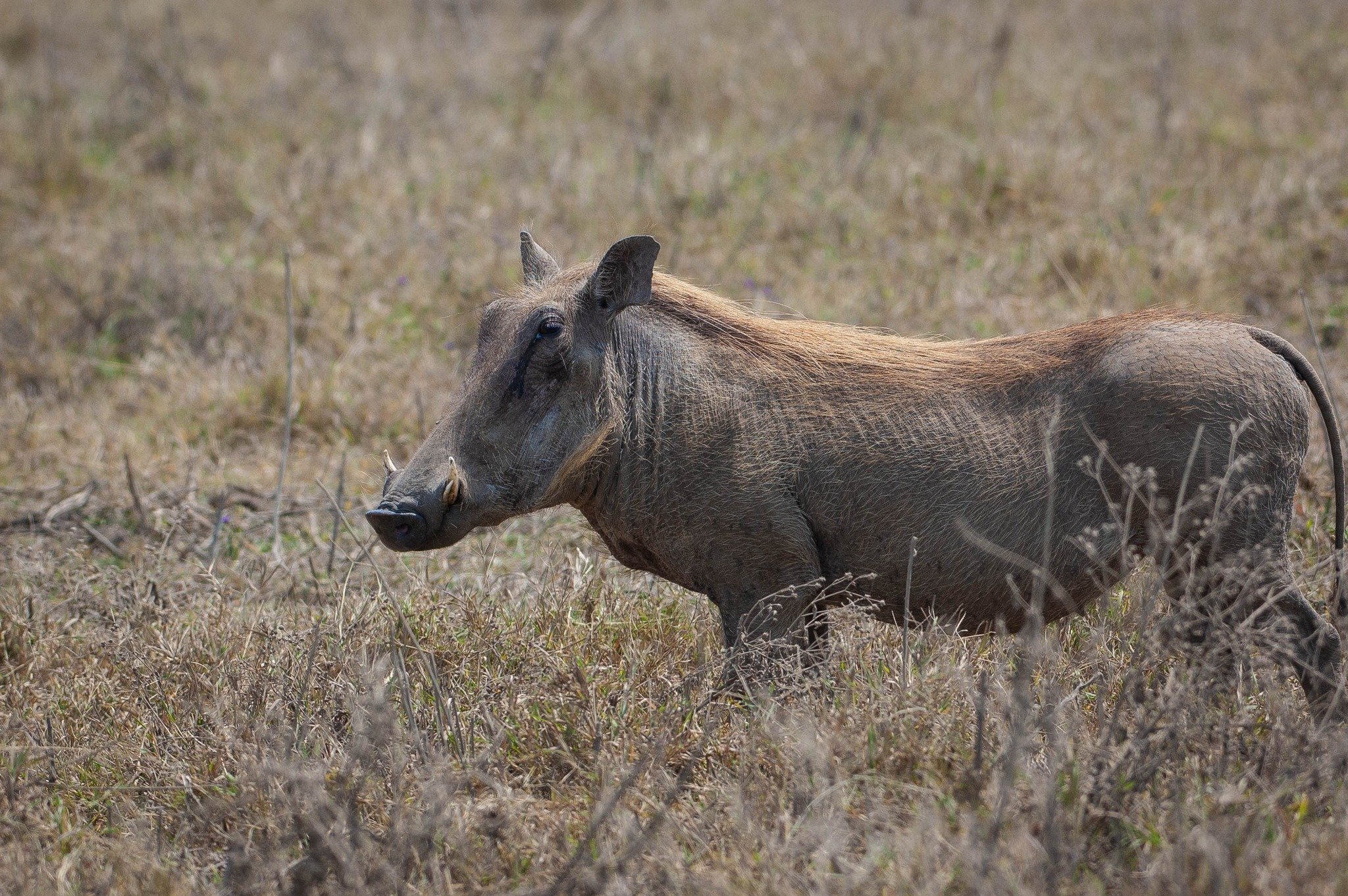
A Common Warthog in the weeds, Tanzania.

If the Superb Starling is the gemstone of Kilimanjaro (see our post here), the Common Warthog (Phacochoerus africanus) is the ultimate sidekick. Pumba (or Pumbaa in Swahili, meaning “foolish” or “carefree”) isn’t winning any beauty pageants, but he’s got chops. He’s perfectly adapted for the rugged African bush.

Built for the Scuffle

Those namesake “warts” aren't skin growths—they’re thick pads of fibrous tissue designed to protect a male’s face during tusky tusks-to-tusk combat.

  • The Gear: They carry two sets of tusks. The upper ones curve impressively, but it’s the razor-sharp lower tusks that do the real work when defending against predators.

“Tail Up, Knees Down”

Warthogs have two signature moves that make them a fan favorite:

  1. The Radio Antenna: When they bolt, their tails fly straight up. It’s a high-speed “follow me” signal so piglets don't get lost in the tall golden grass.

  2. The Prayer Position: Because of their short necks and long legs, they actually kneel on their wrists to graze on short grass or dig for delicious tubers.

Savanna Spa Day

You’ll rarely find a clean warthog. They are obsessed with mud wallowing, which serves as a natural sunscreen and parasite repellent. It’s a practical look for a practical animal.

Quirky Pumba

You really need to see these little “tanks” in person to appreciate their speed and quirky personality.

2026 Update: Our February expedition is officially SOLD OUT. All seats are taken!

Planning for 2027? Don't miss out on the next adventure. Email us here to get exclusive updates and be the first to know when 2027 reservations open.

The Kongoni: Africa’s Unique "Deer Beast"

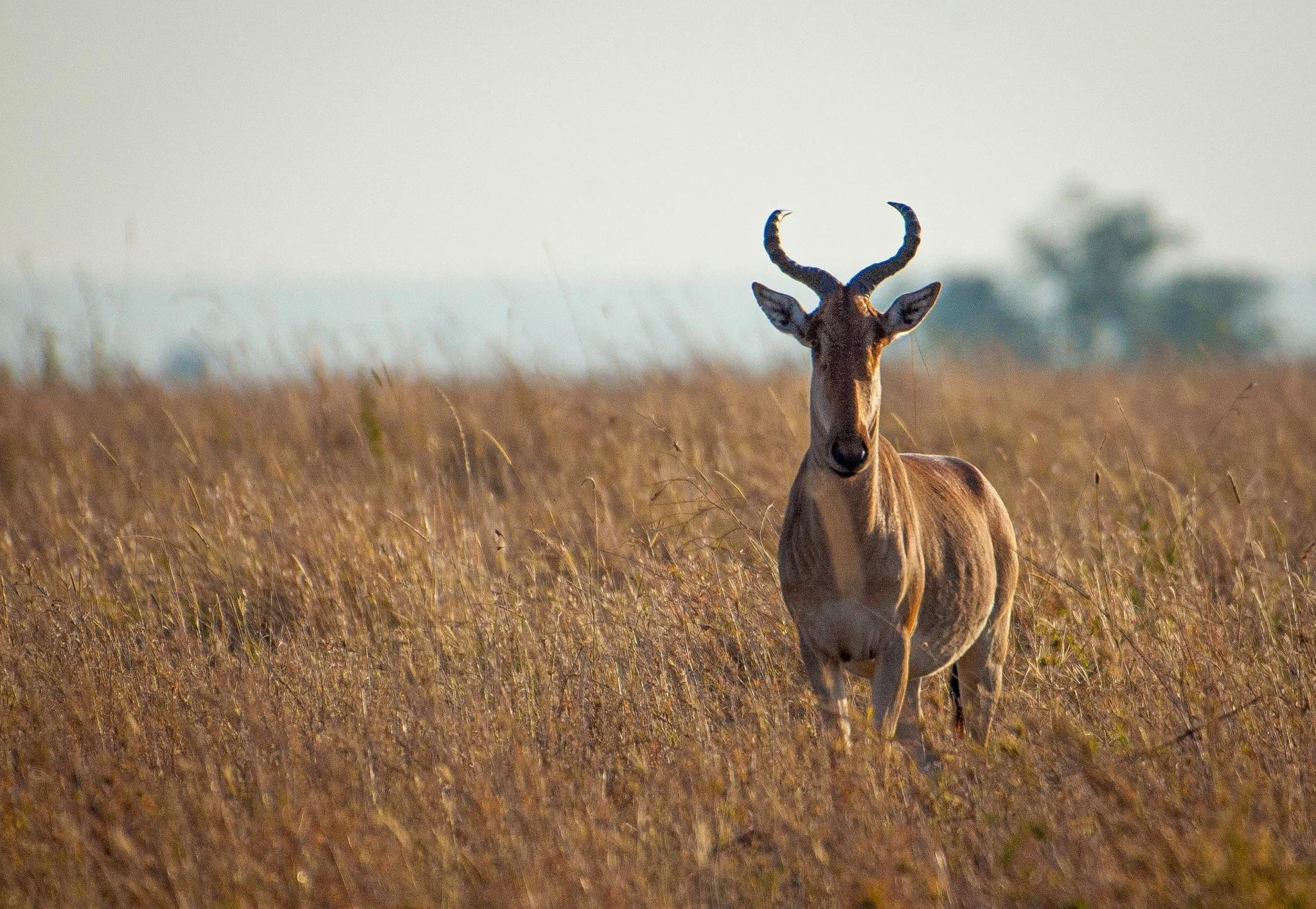
Male Kongoni antelope on the African savannah, Tanzania.

The Hartebeest, or Kongoni, as it is known locally, is one of the most recognizable yet strangely named antelopes on the African savannah.

Why is it called a Hartebeest?

The name "Hartebeest" has a curious origin. It stems from the Dutch settlers in South Africa, translating literally to “deer beast.” Because the animal’s elongated face and tall stature reminded early Europeans of the deer back home, the name stuck—even though the Hartebeest is a true antelope, not a deer at all.

Key Physical Characteristics

The Kongoni (Alcelaphus buselaphus) is notable for its sloping back and incredibly long face. Here are a few quick facts about their size:

  • Height: A mature male stands approximately 4 feet (1.2 meters) at the shoulder.

  • Weight: They are heavy-bodied, often weighing up to 300–350 pounds.

  • Appearance: They possess distinctive, lyre-shaped horns and a high, pointed forehead.

  • Subspecies: While somewhat controversial, 8 subspecies have been identified. These differ slightly in color, horn shape and distribution across Africa. Coke’s Hartbeest is best known in Tanzania and Kenya.

For the image of a juvenile, see our post Coke’s Hartebeest: The Serengeti’s High-Speed Survivor.

Wildebeests of the Ngorongoro Crater: Why they Never Leave

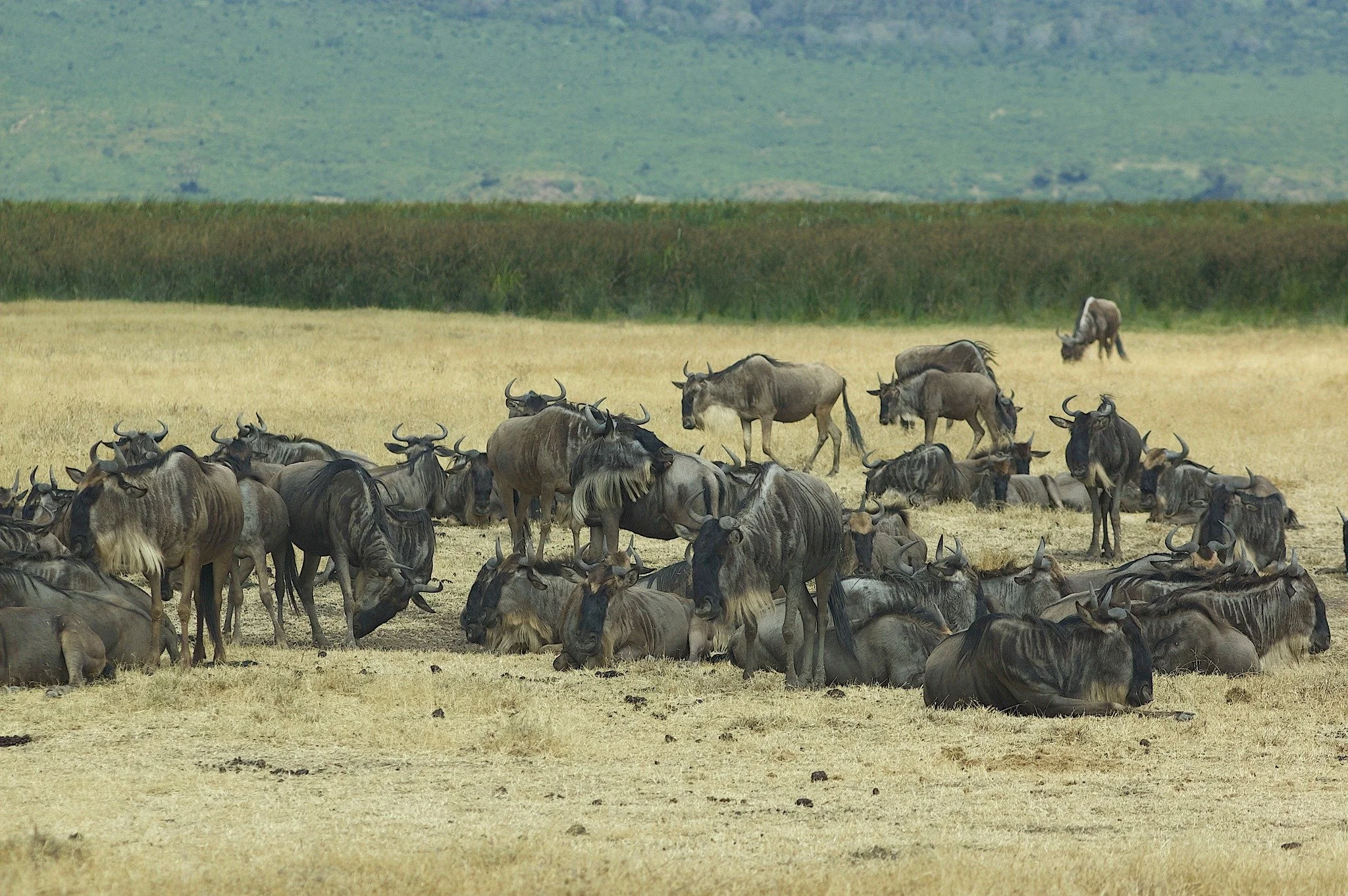
A herd of wildebeests loitering on the floor of the Ngorongoro Crater, Tanzania.

While their cousins are famous for the Great Migration circuit, the wildebeests of the Ngorongoro Crater have a different strategy: they never leave.

A Resident Population

Unlike the massive herds that trek between Tanzania and Kenya, the crater is home to a resident population of roughly 7,000 to 10,000 wildebeests. Because the crater floor offers permanent water sources and lush, nutrient-rich volcanic soil year-round, these Gnus have no reason to risk the treacherous journey across crocodile-infested rivers.

Life in a “Fishbowl”

Living inside the world’s largest intact volcanic caldera is like living in a natural amphitheater. The 2,000-foot-high walls create a self-contained ecosystem where survival is a daily drama.

  • The “Gnu” Chorus: The distinctive low grunting or "Gnu-ing" of thousands of wildebeests is the constant soundtrack of the crater floor.

  • Dense Predator Presence: Because the prey stays put, so do the predators. The crater has one of the highest densities of lions and spotted hyenas in Africa, meaning the wildebeests are always under a watchful eye.

The "Overspill" Guest Stars

While the crater has its own permanent residents, it does get visitors. During the calving season (January to March), hundreds of thousands of migratory wildebeests mass on the nearby Ndutu plains just outside the crater to give birth. Occasionally, some of these migratory herds "overspill" into the crater itself, briefly swelling the local population before heading north again.

Nature’s Landscapers

Wildebeests are essential to the crater’s health. By grazing the tall grass down, they make the landscape suitable for other species like zebras and gazelles. Their movement also helps circulate nutrients back into the soil, keeping the “Garden of Eden” green and vibrant.

Why do birds Hitchhike on Big Game in Africa?

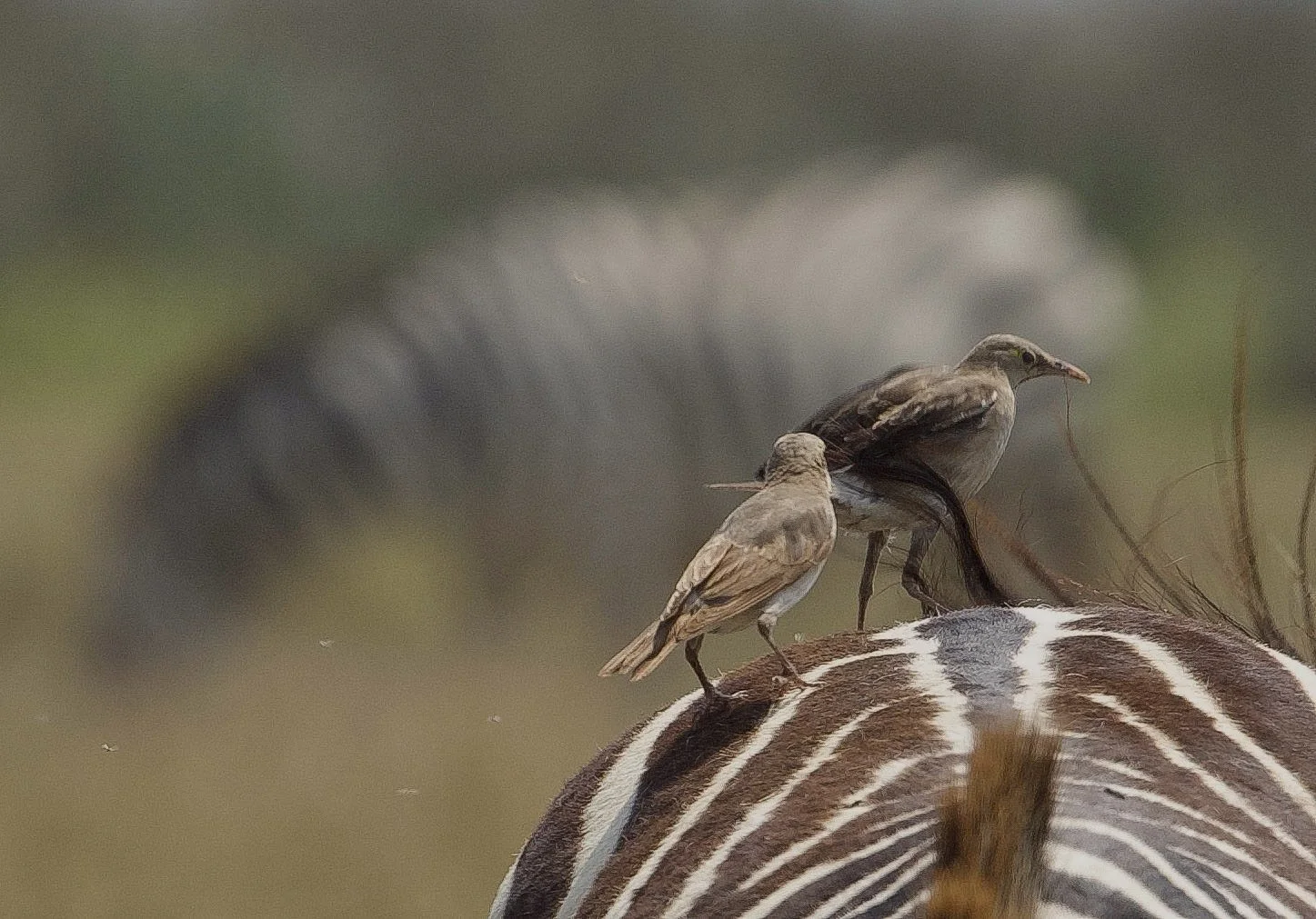
Wattled Starlings hitch a ride on the back of a zebra.

If you look closely at the big game of East Africa, you’ll notice they rarely travel alone. Birds often hitch rides on the backs of zebras, buffalo, and wildebeests for a high-protein “free meal.”

A Symbiotic Snack

The birds in this shot—likely immature or female Wattled Starlings (Creatophora cinerea)—are expert opportunists. As the heavy mammals move through the grass, they stir up a cloud of tasty treats.

Look closer at the photo: those tiny specks in the air aren't dust on my lens! Those are flying insects flushed out of the brush, providing an easy buffet for our feathered friends. In exchange for the ride, the starlings often help their hosts by picking off annoying ticks and parasites. It’s the ultimate win-win.

See the Drama for Yourself

There is nothing like witnessing these small details of the savanna in person. From the “gnu-ing” of the wildebeests to the mid-air hunts of the starlings, every moment is a masterclass in design.

Hitch a ride to Africa with us in 2026 or 2027! Whether you're a birdwatcher, a photographer, or just a lover of adventure, our next safari is calling.