Exploring Tanzania

Sporting the Colors

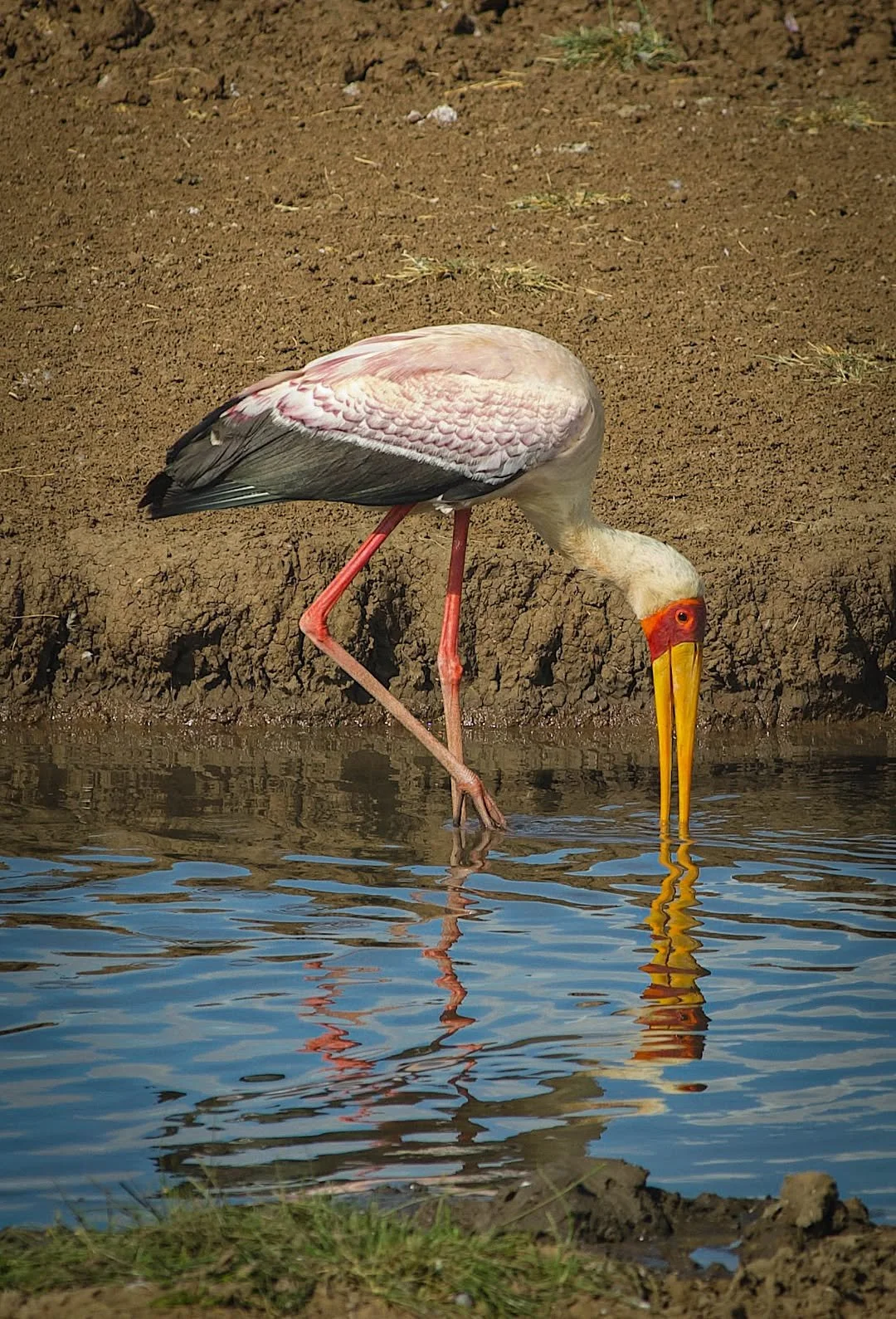
This Yellow-billed stork (Mycteria ibis) is flashing extra color in the breeding season. Its back has adopted a magenta hue, its brown legs have turned pink, and its face and bill have taken on an extraordinary glow.

I captured this image back in 2019 near Lake Manyara in north-central Tanzania. Lake Manyara, a feature of the Great Rift Valley, is part of a great flyway for migrating birds. For storks like this one, it is a "honeymoon" site. Pairing is common.

See the African flyway yourself! Come on a Tanzanian safari. But don't delay. Our August 2025 is practically sold-out; our trip scheduled for February of 2026 is getting ready to open. Contact Bible Land Explorer for details.
Worth less than a penny?

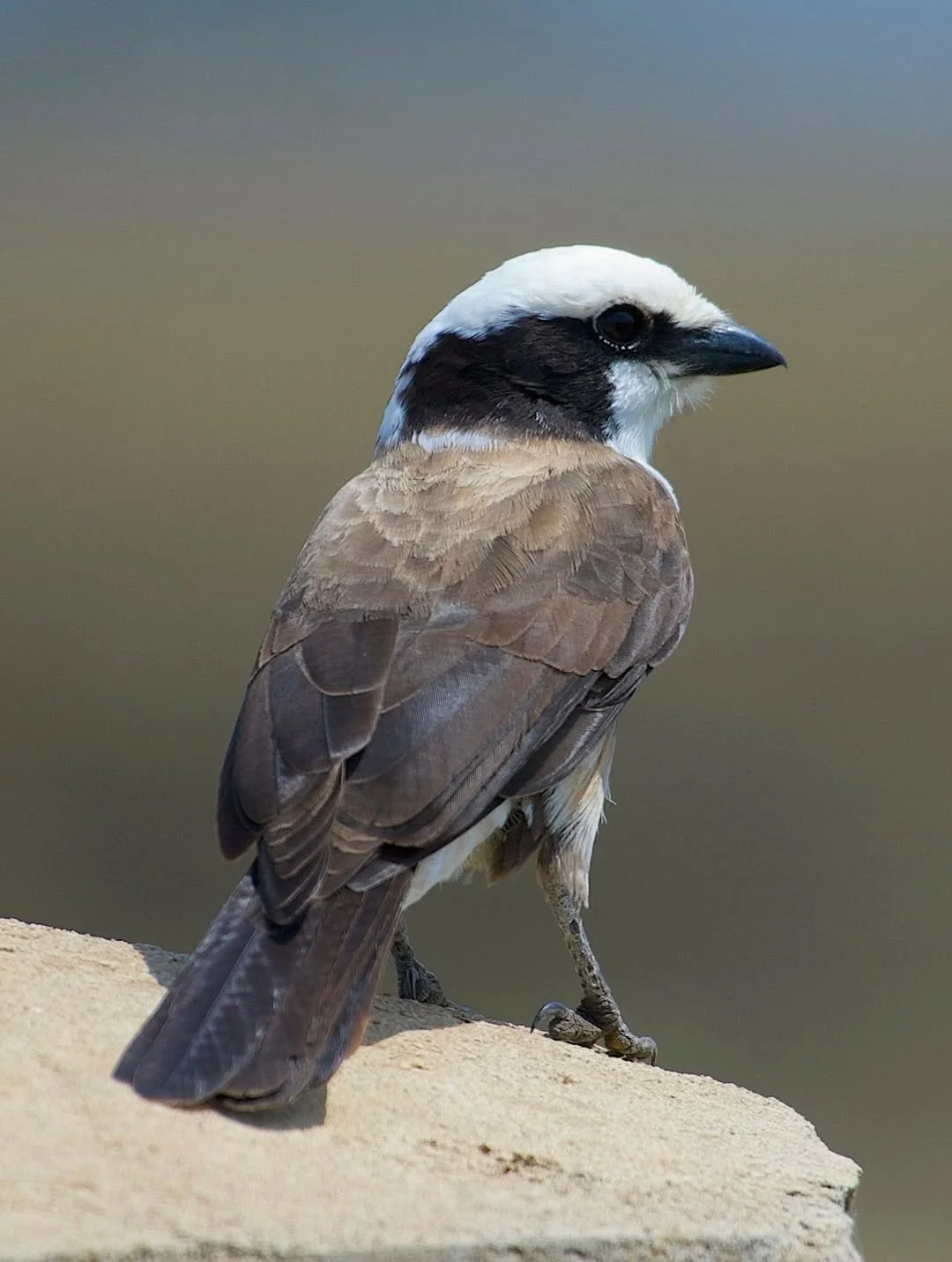
How about a lovely White-rumped shrike (Eurocephalus ruppelli) for your Sunday? Stubby little shrikes like this one are common in the dry savannas of East Africa.

Their family name, "shrike," is likely drawn from the sound of their song; some call it a shriek!

Shrikes are members of the passerine order (which means they have feet perfect for "perching").

Naturalists who study the bible identify passerines with the Greek word struthion, often translated into English as "sparrow." It is unlikely that Jesus had a White-rumped shrike specifically in mind (due to range) when he described a bird worth less than a penny (Mt 10:29, Lk 12:6-7), but I do appreciate the possibility that not one of these falls to the ground apart from the knowledge of our Father.

The natural world is valued by God. Sharing His values is an expression of worship. Observe and preserve!

Frog Legs, Anyone?

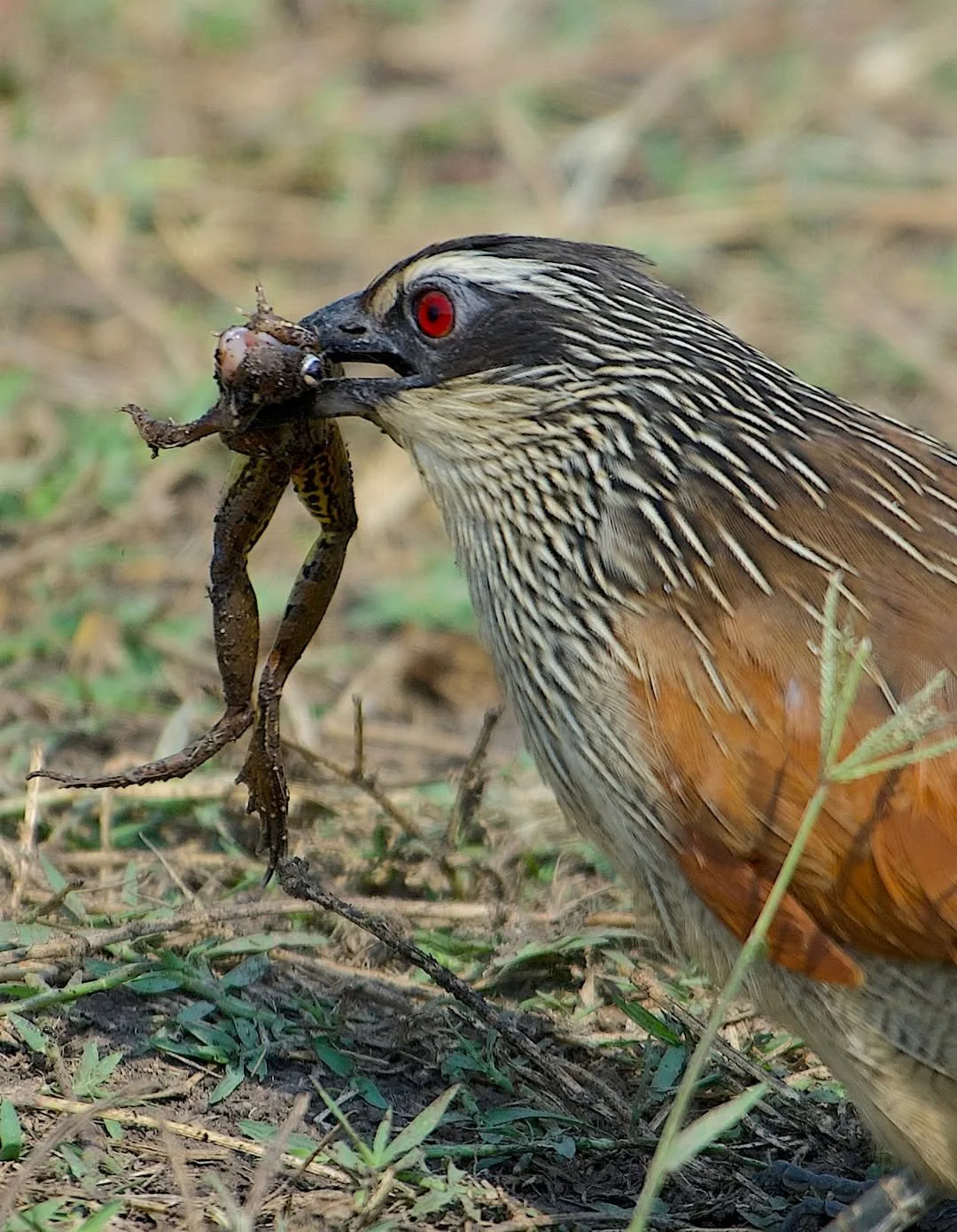
The White-browed coucal (Centropus superciliosus) is an opportunistic eater. While insects are high on the menu, other smallish creatures can become a target.

I zoomed in on this coucal and was surprised to find a frog in its beak--still kicking. I was even more surprised a moment later when he tipped his head back and swallowed it whole!

The circle of life can be tough.

The coucal is an African member of the cuckoo family.

Sparring Partners

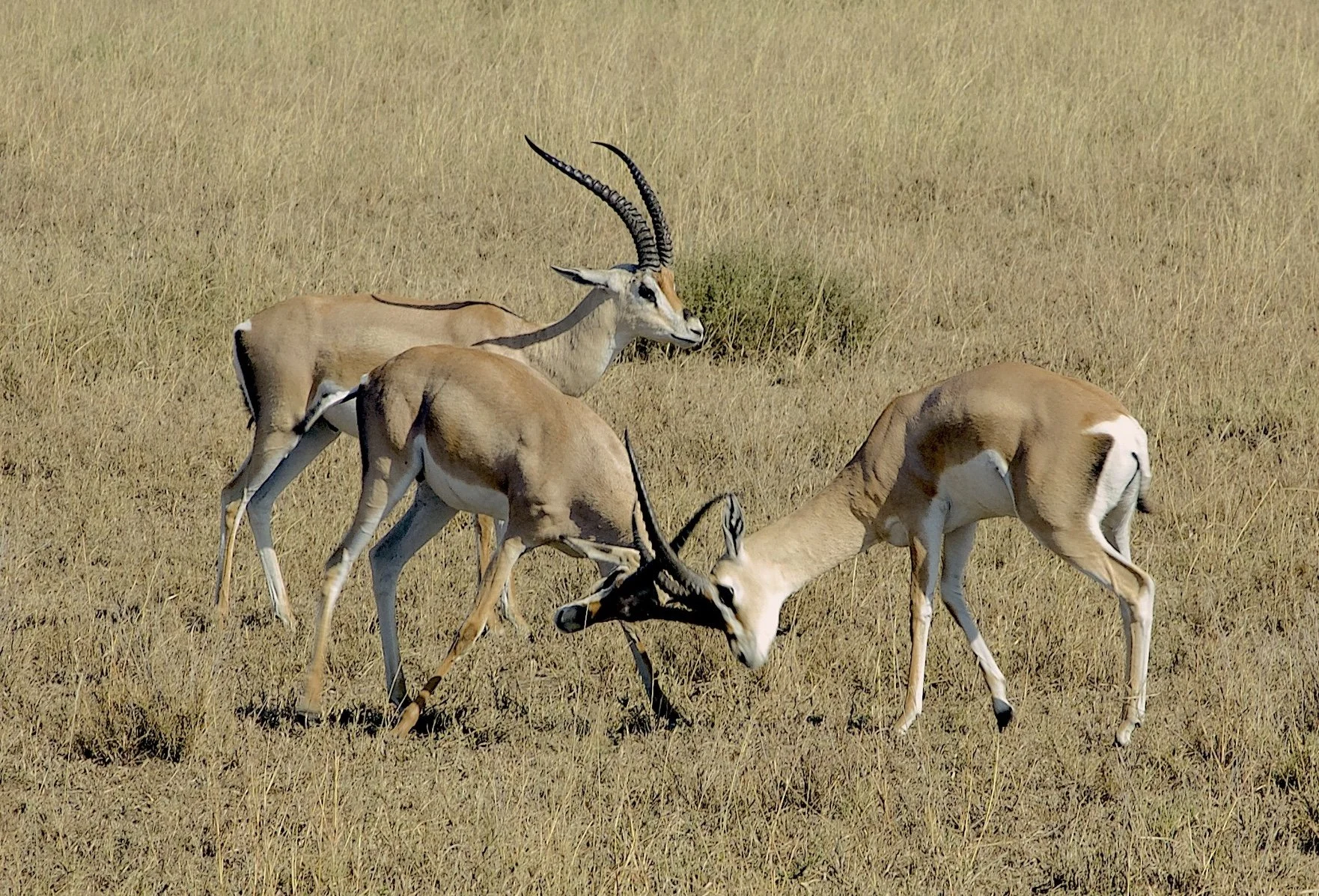
A herd of Grant's gazelle (Nanger granti) is a common sight on the Serengeti. The gazelle's lyre-shaped horns not only bequeath a graceful appearance, but give it formidable tools for defense. Unlike antlers (that are shed annually), gazelle horns are permanently affixed, corrugated, and unbranched.

This species is named after James Grant, a preacher's son who worked with John Speke in the quest to discover the source of the Nile. I'm enjoying Tim Jeal's account of this pioneering work right now in his Explorers of the Nile: The Triumph and Tragedy of a Great Victorian Adventure. Its a good read for folks with a strong stomach (!) who are interested in the story of East Africa.

Fearless Parent

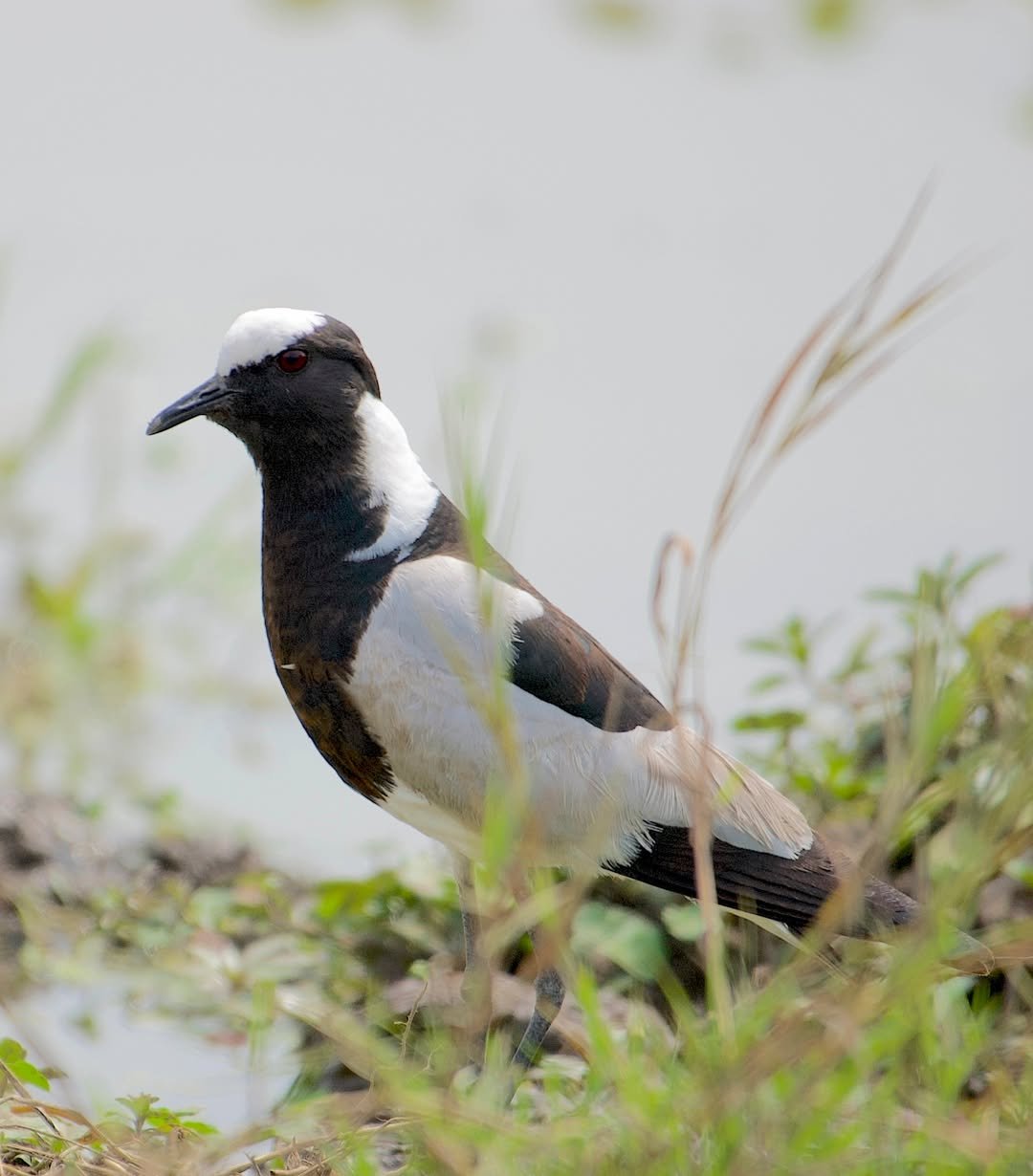
Do you know that this boldly-colored bird will risk everything to protect its young? The lapwing (or plover) will attack raptors, rollers, or even an elephant perceived as threat!

Its call--"tink, tink, tink"--sounds like the hammer of a blacksmith, hence the name: the Blacksmith lapwing (Vanellus armatus).

Why do Hippos Yawn?

Why do hippos yawn?

Maybe because they are sleepy?

Unlikely.

It is a display of aggression ("back off"), dominance ("my lawn"), or display ("look what a handsome fellow I am!).

On safari I learned that hippos can spread their jaws wide open, 180 degrees. That's a serious stretch! Look at those teeth!

I already knew to keep my distance. Hippos are one of the most dangerous animals on the Serengeti. Wowzer.

Critically Endangered

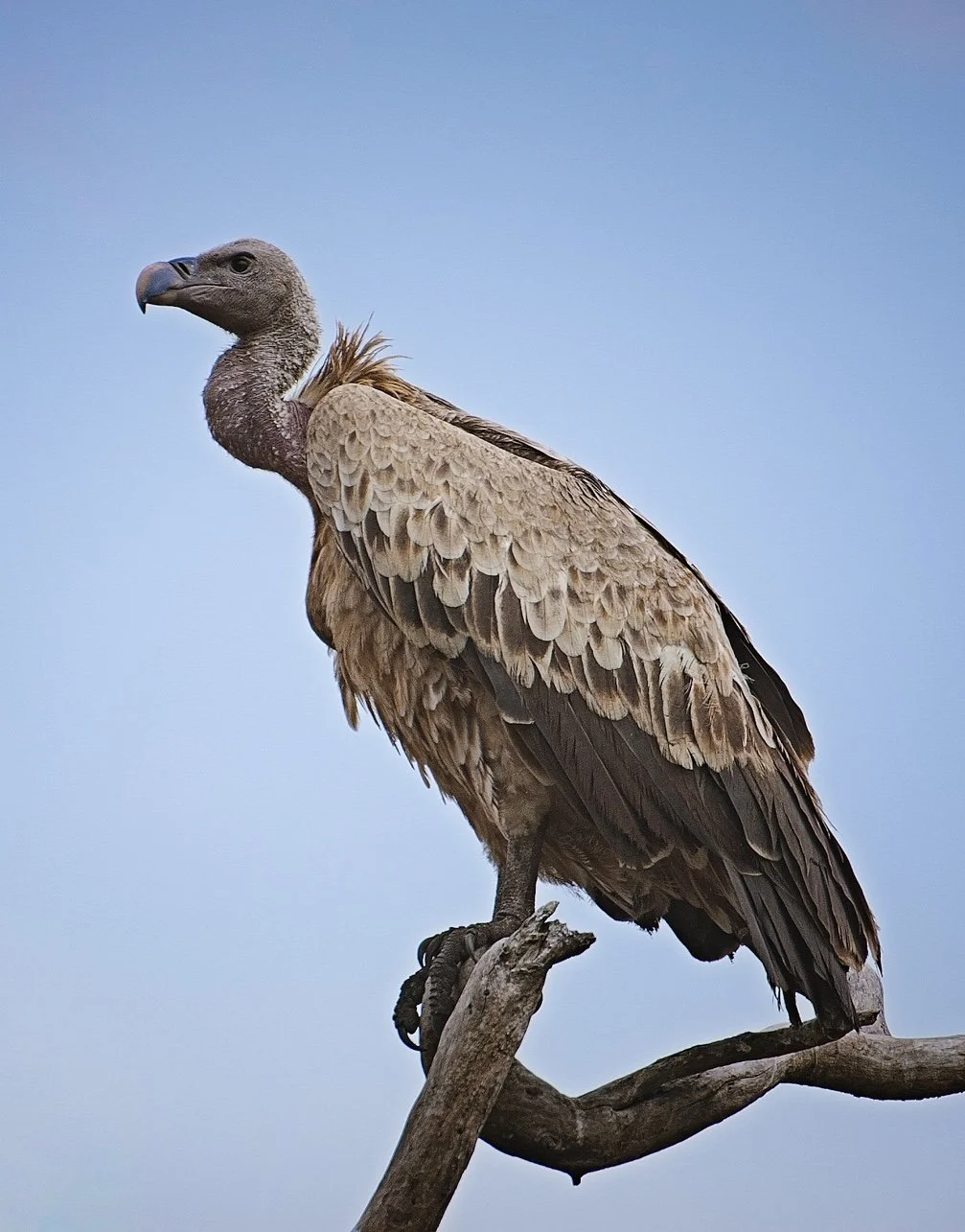
A couple of weeks ago, I posted a shot of two vultures sitting on the ground by a kill. Here's another one sitting on a dead tree in the Serengeti.

A mature Rüppell's griffon vulture (Gyps rueppelli) is huge. Individuals like this can have a wingspan of 8 feet and live up to 50 years!

I know he's not very cuddly, but he needs help. This species is considered critically endangered.

(HT to Ken Gawne for his photo assistance!)

Co-workers, Friends, Brothers

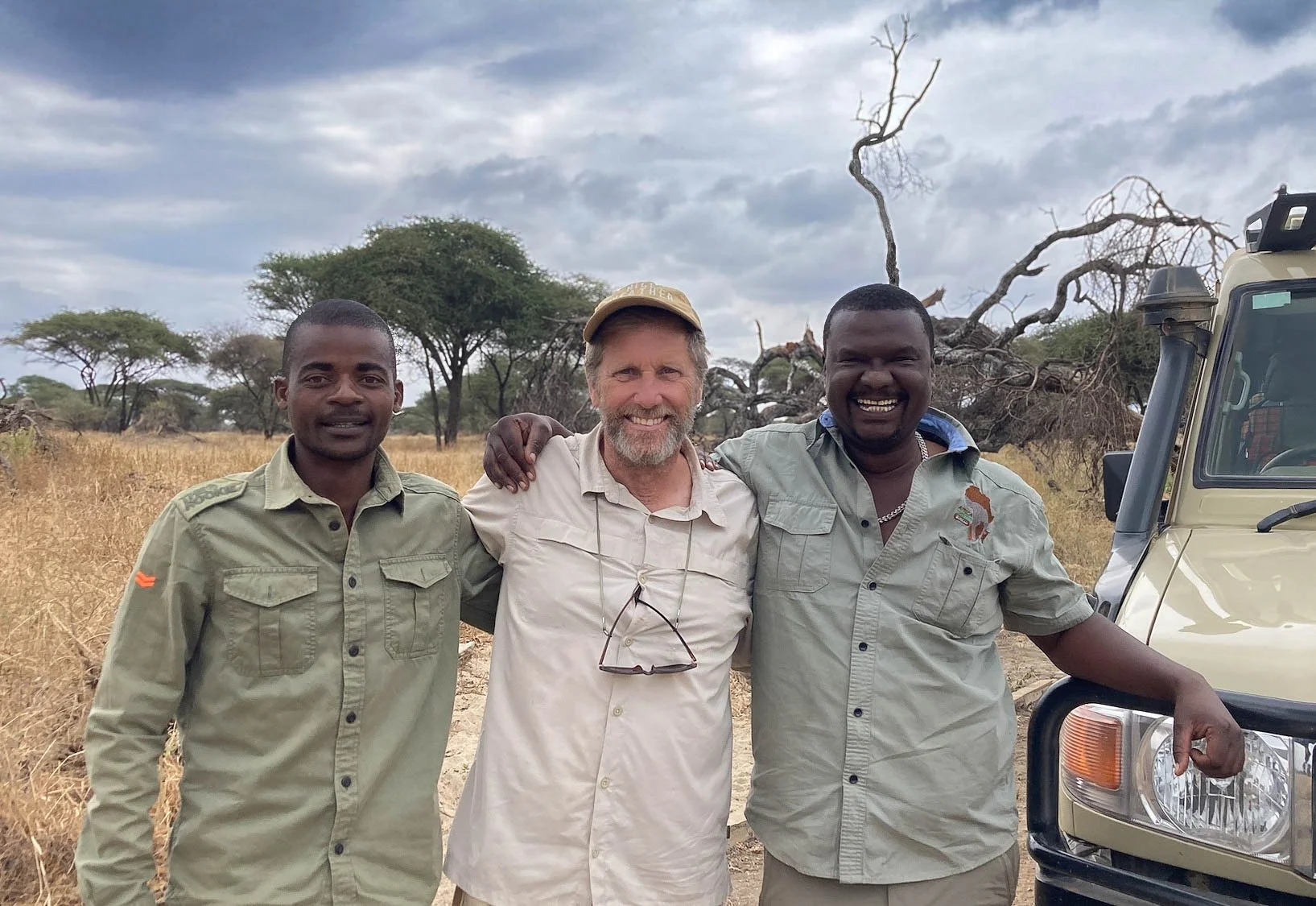
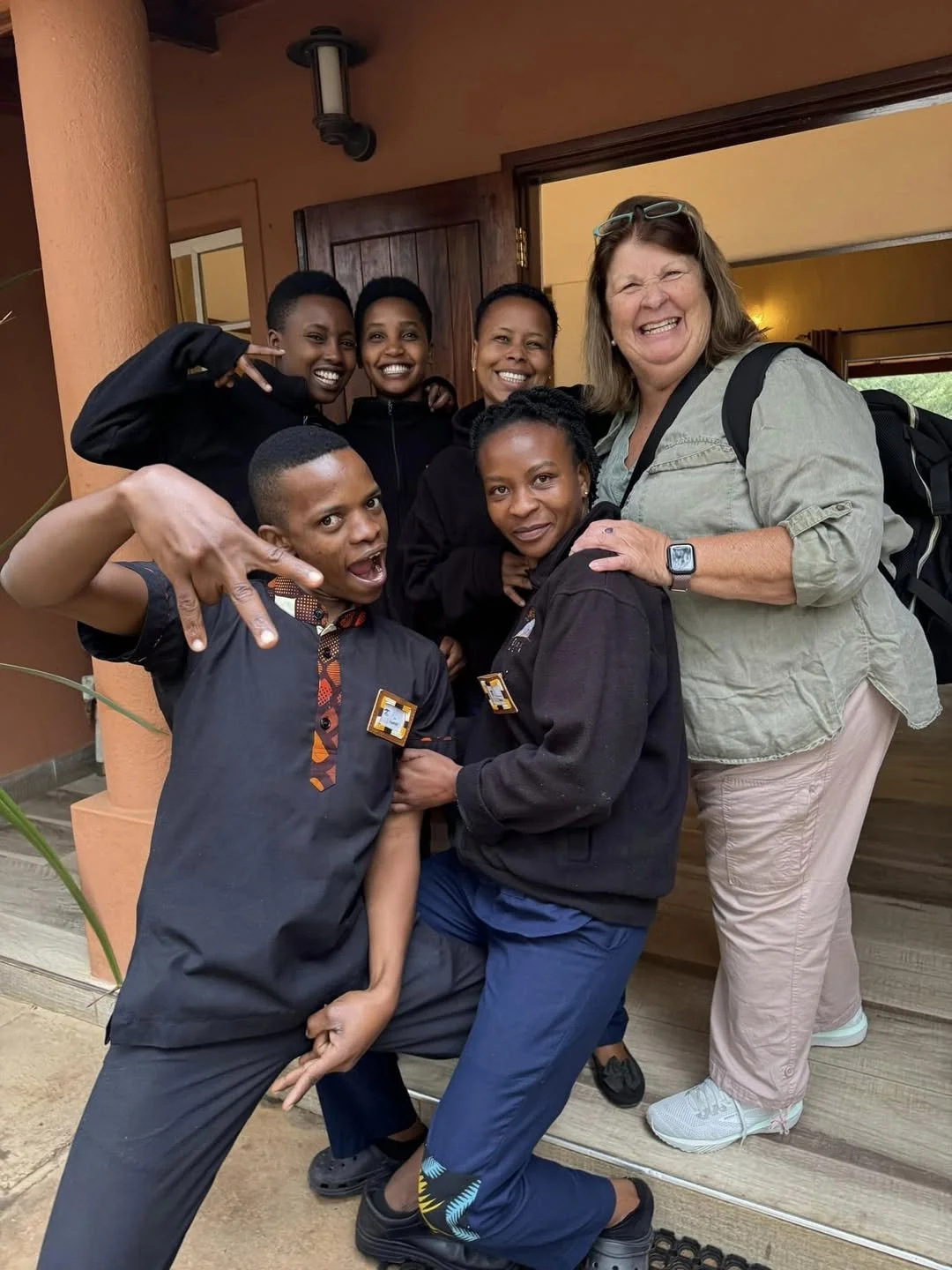
Counting co-workers as dear friends is a blessing. I can't say enough good things about Godwin (L), Ellie (R), Simon (not pictured), and the front office of the Africa Travel Bureau (ATB) in Arusha, Tanzania. Arusha is the "safari capital" of the world; the ATB plays at the highest levels of that game.

Big Boy

Easy there, big boy!

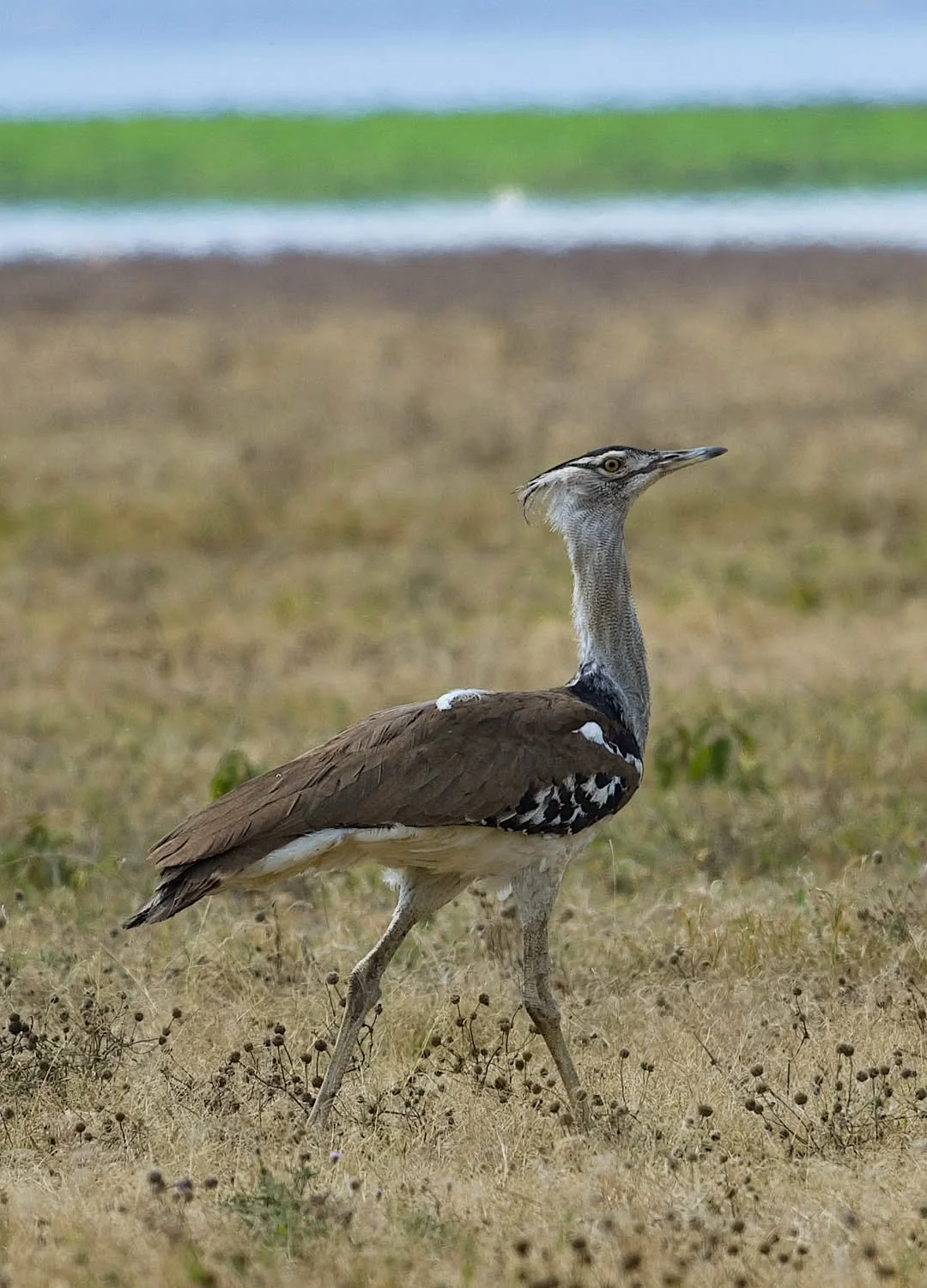
This photo doesn't offer a sense of scale, but realize that this dude is more than a meter tall! That makes the Kori Bustard (Ardeotis kori) the largest flying bird in Africa (the ostrich is bigger, but doesn't fly). Mature bustards can weigh 40 pounds and are possibly the heaviest creature capable of flight today.

Kori Bustards are rare outside of protected areas. The species is considered "vulnerable" on the endangered list. I was delighted to find this one striding along (like a T-Rex!) looking for a meal on the edge of Lake Magadi (Ngorongoro Crater, Tanzania).

Backside Stripes

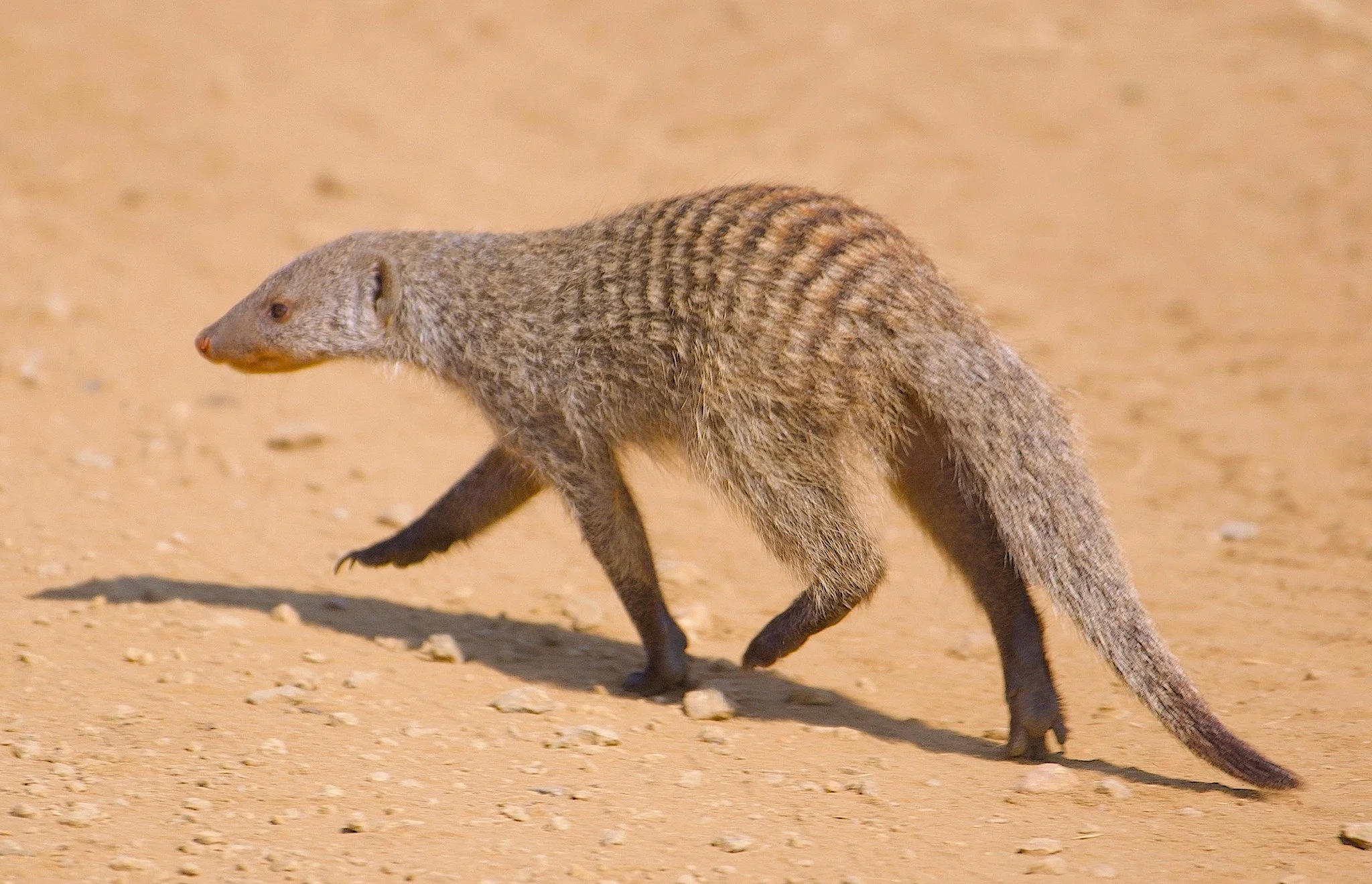
A pack of banded mongooses (Mungos mungo) crossed the track in front of our vehicle. There were probably twenty or thirty of these feisty individuals scurrying from one termite mound to another. These little guys eat about anything in their path including bugs and birds and (as every Kipling reader knows) snakes!

The banded mongoose--named for the backside stripes-- is found throughout sub-Saharan Africa.

Some believe it is mentioned in Leviticus 11:30 (Heb. koach) in a list of "unclean animals."